How to Say "mien" in Spanish
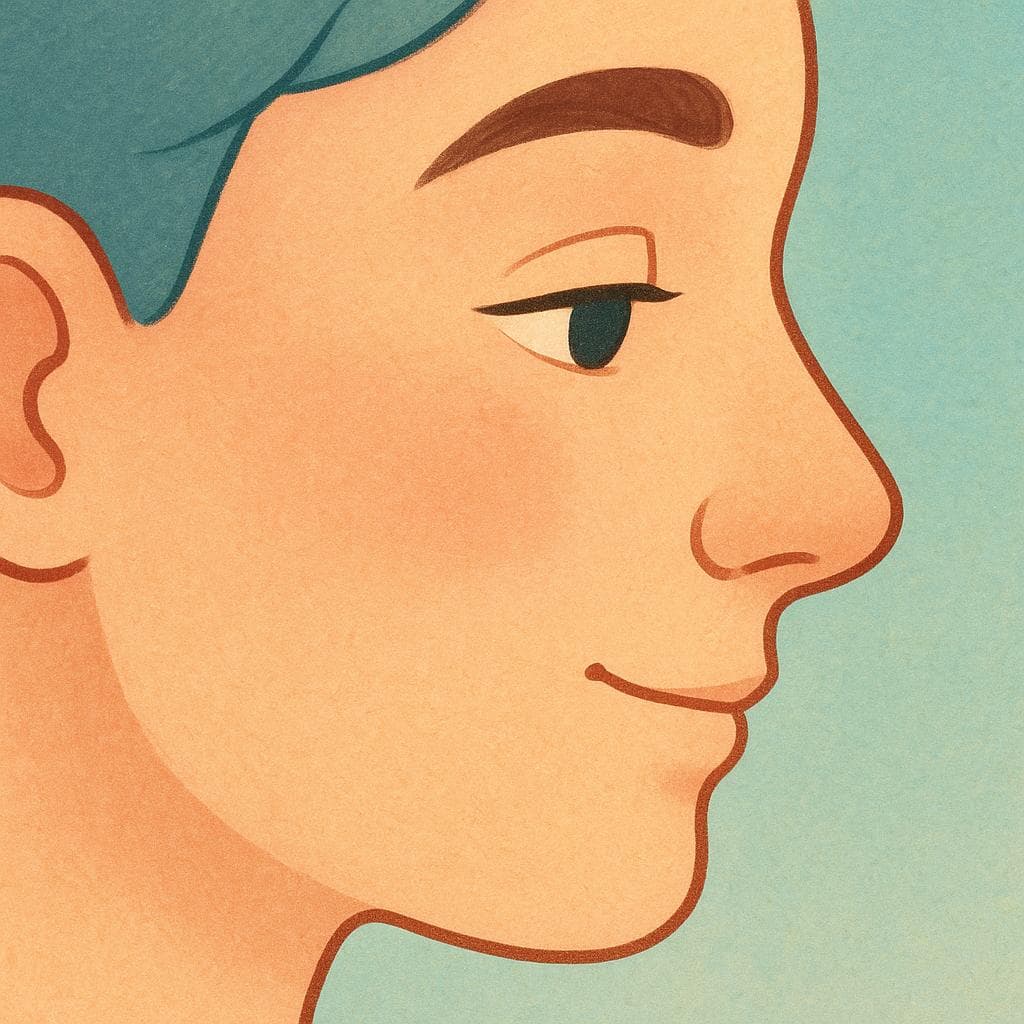
The most common Spanish word for “mien” is “aspecto” — use 'aspecto' to describe someone's general look, appearance, or overall physical presentation, especially after a change or event.


aspecto
as-PEK-tohasˈpekto

Examples
Tiene buen aspecto después de sus vacaciones.
He has a good appearance after his vacation.
El aspecto del edificio es antiguo, pero el interior es moderno.
The appearance of the building is old, but the interior is modern.
Cuidar su aspecto físico es importante para ella.
Taking care of her physical appearance is important to her.
Masculine Noun Rule
Remember that 'aspecto' is always a masculine word, so use the article 'el' or 'un': 'el aspecto' (the appearance).
Using the wrong gender
Mistake: “La aspecto es bueno.”
Correction: El aspecto es bueno. ('Aspecto' is masculine, even though it ends in 'o' which sometimes tricks learners.)
pinta
PEEN-tahˈpin.ta

Examples
Esa comida tiene muy buena pinta. ¡Quiero probarla!
That food looks really good. I want to try it!
El nuevo entrenador tiene pinta de ser muy estricto.
The new coach looks like (has the appearance of being) very strict.
Llevas una pinta muy elegante hoy. ¿Tienes una reunión?
You have a very elegant look today. Do you have a meeting?
Using 'Tener'
We almost always use 'pinta' with the verb 'tener' (to have) to describe the appearance of something, like saying 'it has a good look' instead of 'it is good looking'.
Mixing with 'Parecer'
Mistake: “La comida parece buena pinta.”
Correction: La comida tiene buena pinta. ('Pinta' already means 'look,' so 'parecer' (to seem) is usually redundant here.)
mirada
mee-RAH-dahmiˈɾaða
Examples
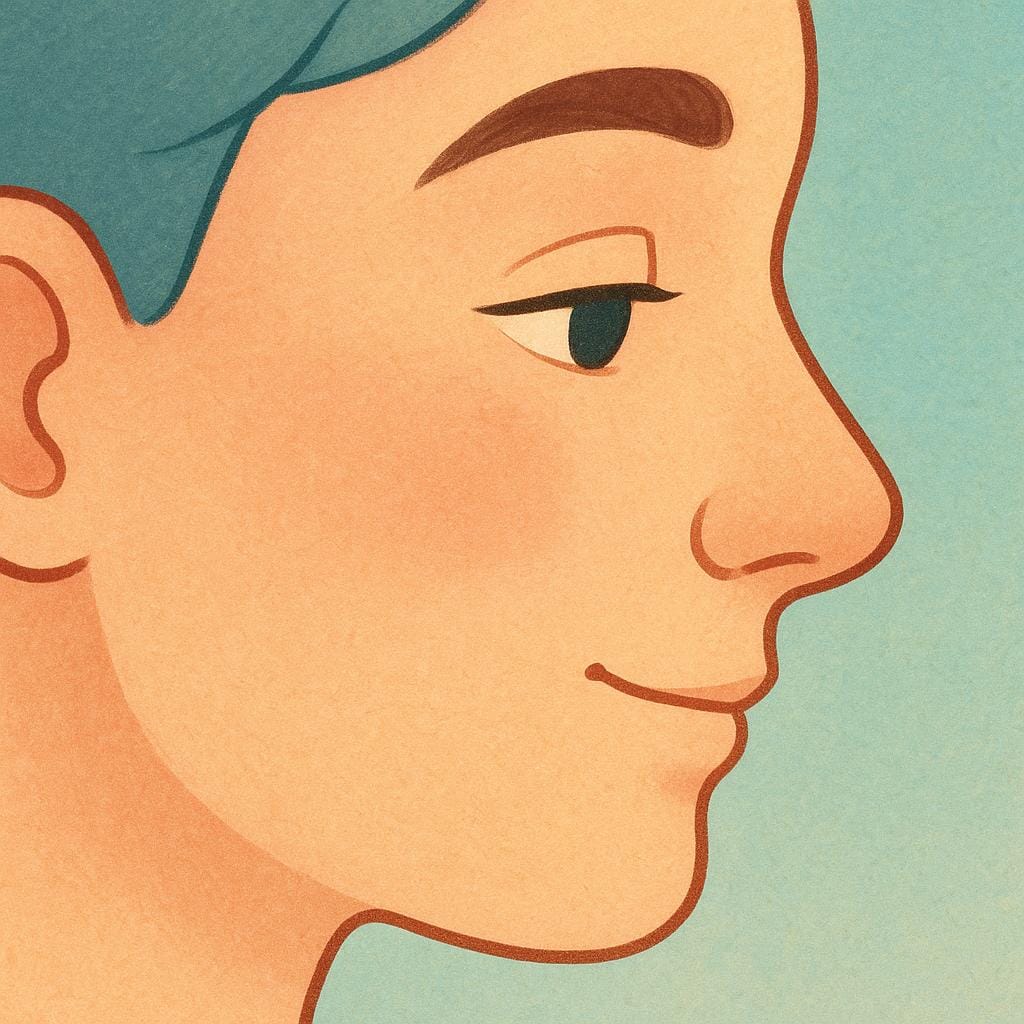
El director tenía una mirada muy seria.
The director had a very serious look (or expression).
Ella me dirigió una mirada de advertencia.
She gave me a look of warning.
Tenía una mirada llena de esperanza.
She had a look full of hope.
Adjectives Describe the Feeling
When 'mirada' refers to an expression, you almost always follow it with an adjective or a phrase starting with 'de' to explain the emotion: 'mirada triste,' 'mirada de amor.'
Confusing 'aspecto' and 'pinta'
Learn Spanish with Inklingo
Interactive stories, personalized learning, and more.