pinta
“pinta” means “look” in Spanish. It has 2 different meanings depending on context:

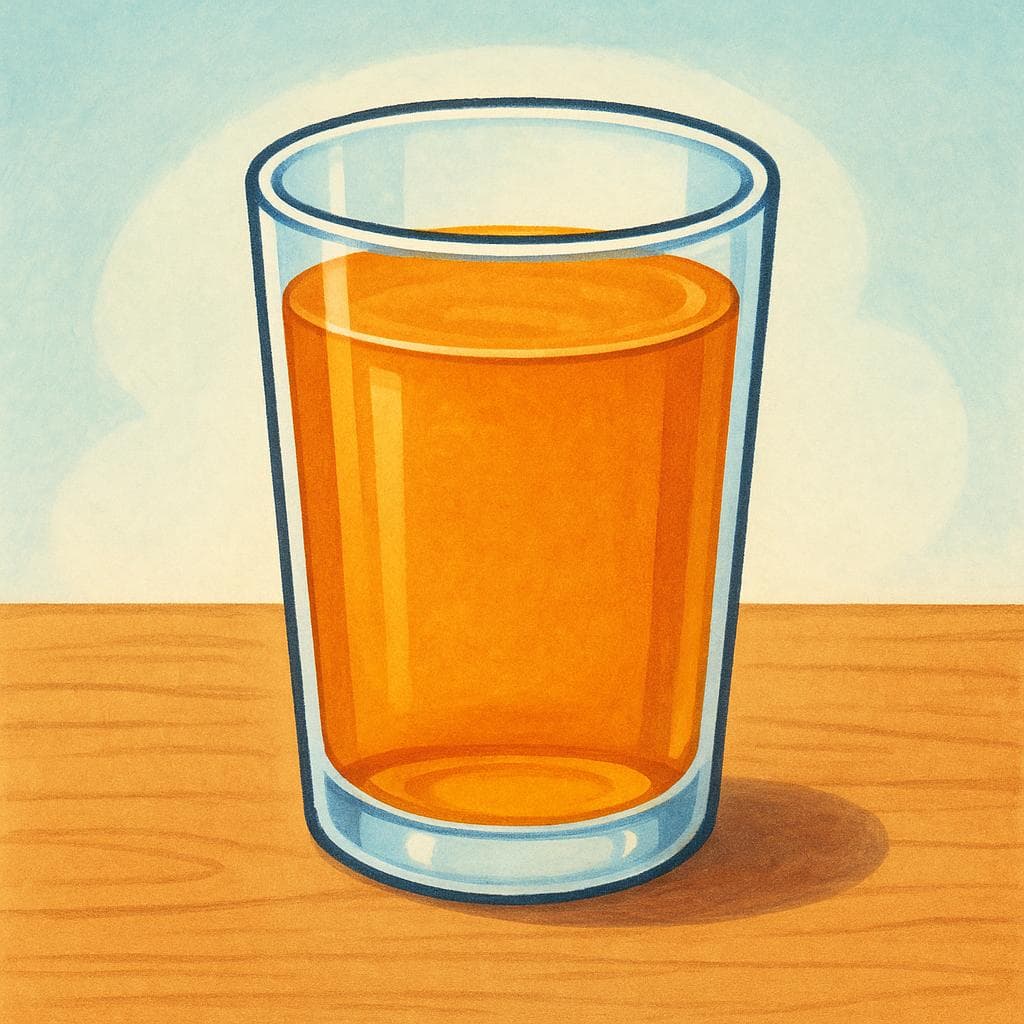
look, appearance
Also: vibe, mien
📝 In Action
Esa comida tiene muy buena pinta. ¡Quiero probarla!
A2That food looks really good (has a good appearance). I want to try it!
El nuevo entrenador tiene pinta de ser muy estricto.
B1The new coach looks like (has the appearance of being) very strict.
Llevas una pinta muy elegante hoy. ¿Tienes una reunión?
B2You have a very elegant look today. Do you have a meeting?
pint
Also: glass of beer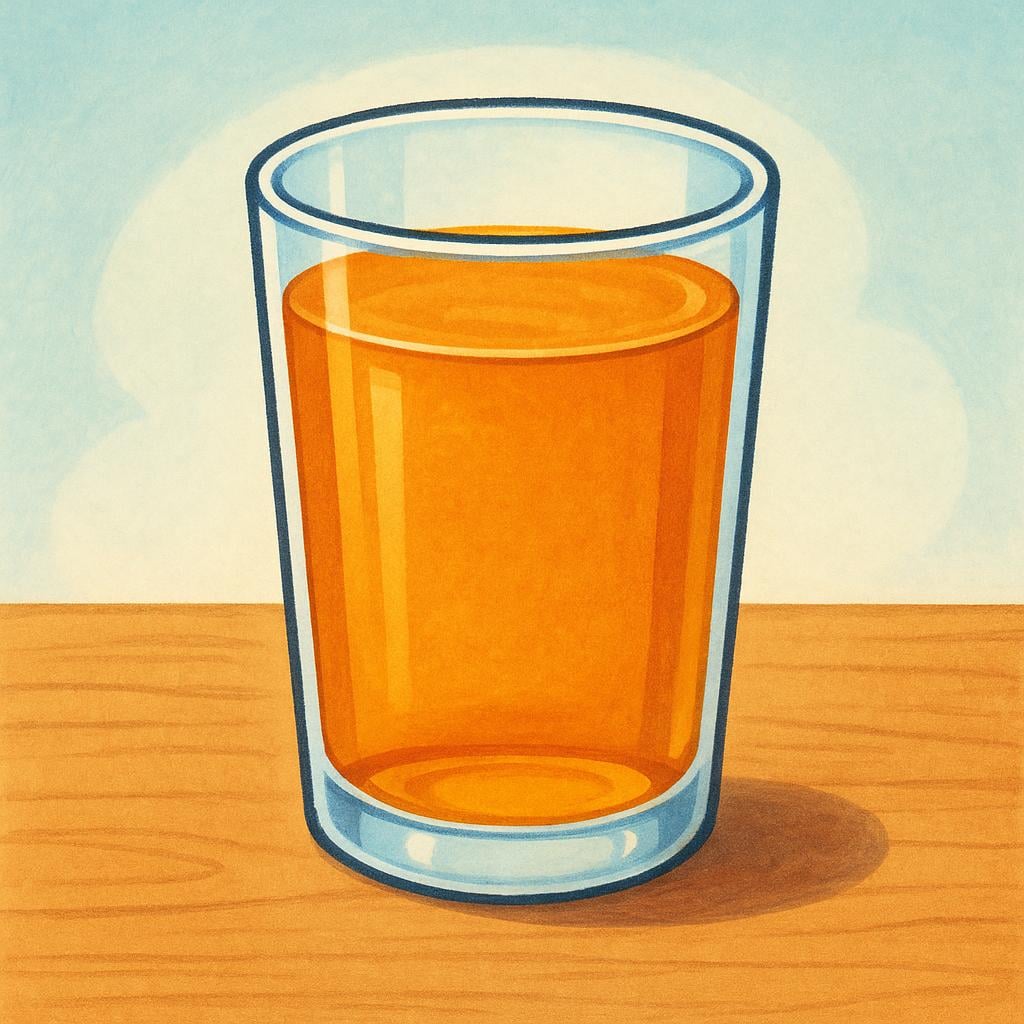
📝 In Action
Camerero, ¿me pones una pinta, por favor?
A2Waiter, can I have a pint, please?
Solo bebí media pinta, no estoy borracho.
B1I only drank half a pint, I'm not drunk.
Translate to Spanish
✏️ Quick Practice
Quick Quiz: pinta
Question 1 of 2
Which sentence correctly uses 'pinta' to describe a quantity?
📚 More Resources
👥 Word Family▼
📚 Etymology▼
The word 'pinta' comes from the verb 'pintar' (to paint). Historically, it referred to a 'mark' or 'stain' (a painted mark). This original idea split into two main uses: 1) The visual 'mark' that defines someone's appearance (their look), and 2) the 'mark' or line used on a container to measure liquids, leading to the meaning 'pint.'
First recorded: 13th century
Cognates (Related words)
💡 Master Spanish
Take your Spanish to the next level. Read 200+ illustrated and narrated Spanish stories tailored to your level with the Inklingo app!
Frequently Asked Questions
Is 'pinta' related to the English word 'pint'?
Yes, indirectly. Both the Spanish and English words for the liquid measure ultimately derive from a similar root meaning 'to mark' or 'to paint,' referring to the marked line on a container showing the volume. However, the Spanish 'pinta' for 'appearance' is a distinct evolution of the word.
How do I use 'pinta' when describing a person's style?
You use it just like the English 'look' or 'vibe.' For example, 'Tiene pinta de modelo' means 'She has the look of a model' or 'She looks like a model.'