sano
“sano” means “healthy” in Spanish. It has 3 different meanings depending on context:



healthy, wellAlso: fit

📝 In Action
Después de la cirugía, el paciente está completamente sano.
A1After the surgery, the patient is completely healthy.
¿Estás sano? No te vi en clase ayer.
A2Are you well? I didn't see you in class yesterday.
Word Connections
wholesome, hygienicAlso: nutritious
📝 In Action
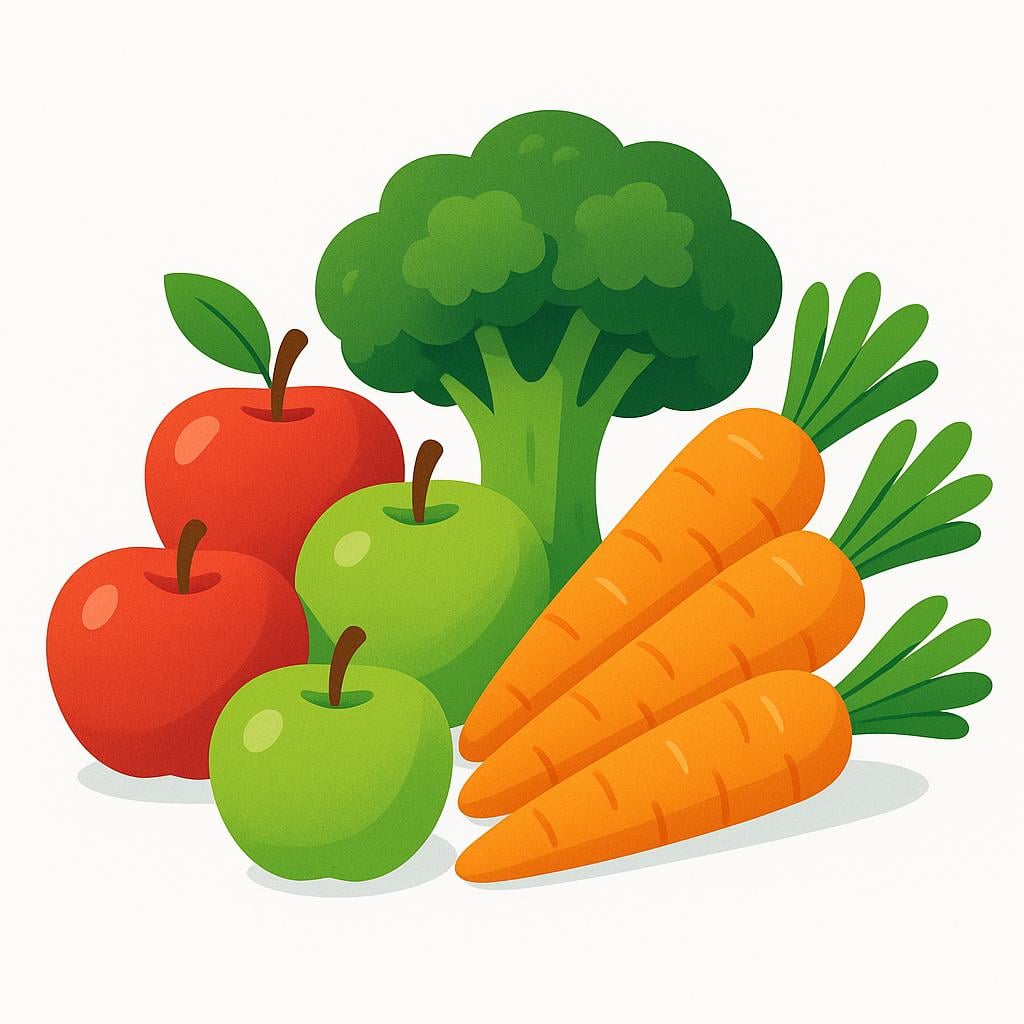
Comer una dieta sana es esencial para vivir mucho tiempo.
A2Eating a wholesome/healthy diet is essential for living a long time.
Este lugar es muy sano; tiene aire fresco y mucha luz.
B1This place is very healthy; it has fresh air and lots of light.
Word Connections
sound, intactAlso: sensible, unspoiled

📝 In Action
Tiene un criterio sano para tomar decisiones importantes.
B2He has sound judgment for making important decisions.
El jarrón se cayó, pero milagrosamente quedó sano.
B1The vase fell, but miraculously it remained intact.
Word Connections
Translate to Spanish
✏️ Quick Practice
Quick Quiz: sano
Question 1 of 2
Which sentence uses 'sano' in the sense of 'intact' or 'undamaged'?
📚 More Resources
👥 Word Family
📚 Etymology
The word comes directly from the Latin adjective *sānus*, which meant 'healthy, sound, or reasonable.' This root is also the source of the English word 'sane.'
First recorded: 13th century
Cognates (Related words)
💡 Master Spanish
Take your Spanish to the next level. Read 200+ illustrated and narrated Spanish stories tailored to your level with the Inklingo app!
Frequently Asked Questions
¿Cuál es la diferencia entre 'sano' y 'saludable'?
Both mean 'healthy,' but they are often used differently. 'Sano' usually describes a person or thing that *is* healthy ('El niño está sano'). 'Saludable' usually describes something that *makes* you healthy ('Es una actividad muy saludable'). However, for food, they are often interchangeable, though 'sano' is more common.
Does 'sano' ever mean 'clean' or 'safe'?
Yes, in the context of environment or habits, 'sano' often means wholesome, clean, or hygienic—something safe and beneficial for your health. For example, 'una vida sana' (a healthy/wholesome life).