How to Say "start" in Spanish
The most common Spanish word for “start” is “comienzo” — use this for the general beginning of a period, event, or abstract concept.









comienzo
koh-MYEN-sohkoˈmjenso

Examples
El comienzo del verano trae días más largos.
The start of summer brings longer days.
El comienzo de la primavera es mi época favorita.
The start of spring is my favorite time of year.
Necesitas un buen comienzo para tener éxito en este curso.
You need a good start to succeed in this course.
Daremos comienzo a la reunión tan pronto como llegue el director.
We will begin the meeting as soon as the director arrives. (Literally: We will give beginning to...)
Always Masculine
Since 'comienzo' is a masculine noun, you must use the masculine articles 'el' or 'un' before it: 'el comienzo' (the beginning).
Preposition 'De'
To link 'comienzo' to what is starting, use the preposition 'de' (of): 'el comienzo del mes' (the beginning of the month).
Confusing Noun and Verb
Mistake: “Using 'yo comienzo' (I begin) when you mean the noun 'el comienzo' (the start).”
Correction: 'Comienzo' can be the noun OR the verb form. Ensure you include 'el' or 'un' if you mean the thing itself: 'El comienzo fue difícil.' (The start was difficult.)
inicio
ee-NEE-seeohiˈnisjo

Examples
El inicio de la película fue un poco lento.
The start of the movie was a bit slow.
El inicio de la película fue muy emocionante.
The start of the movie was very exciting.
Necesitas hacer clic en el botón de inicio.
You need to click on the Start button (or Home button).
Desde el inicio del proyecto, tuvimos problemas.
From the beginning of the project, we had problems.
Masculine Noun
'Inicio' is always a masculine noun, so you use 'el' or 'un' before it: 'el inicio' (the start).
Using 'la' instead of 'el'
Mistake: “La inicio de la reunión.”
Correction: El inicio de la reunión. Remember, it’s a masculine word.
principio
prin-SEE-pee-ohpɾinˈθi.pjo

Examples
Al principio de mi carrera, cometí muchos errores.
At the start of my career, I made many mistakes.
Al principio de la película, el héroe es un niño.
At the beginning of the movie, the hero is a child.
Desde el principio supe que era una mala idea.
From the start I knew it was a bad idea.
Tenemos que volver al principio para encontrar el error.
We have to go back to the beginning to find the mistake.
Confusing with 'Principiante'
Mistake: “Al principiante de la clase, estaba nervioso.”
Correction: Al principio de la clase, estaba nervioso. 'Principio' is the start of something, while 'principiante' is a person who is a beginner.
arranque
ah-RRAHN-kehaˈraŋke
Examples
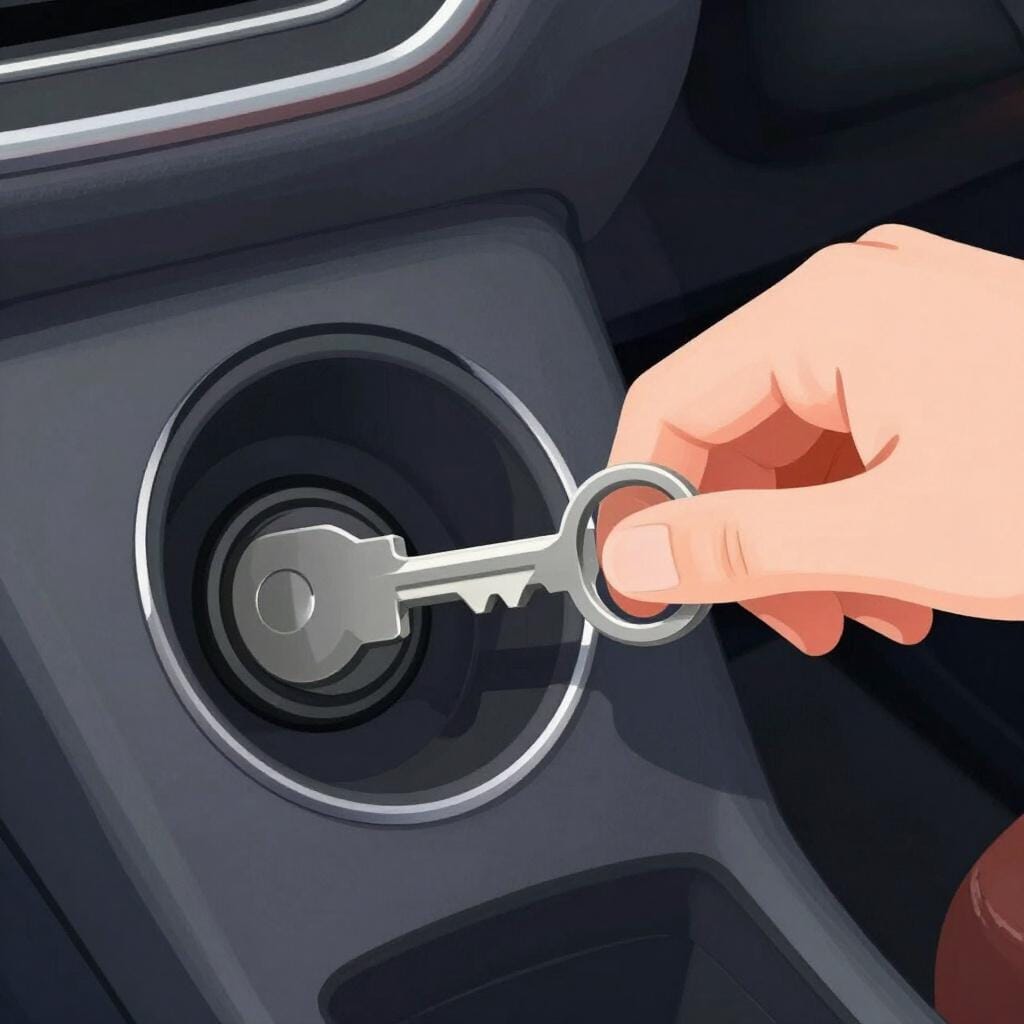
El arranque del coche tardó más de lo normal.
The car's start took longer than usual.
El motor de arranque del coche hace un ruido extraño.
The car's starter motor is making a strange noise.
El arranque del proyecto fue un gran éxito.
The project's kickoff was a big success.
Necesitamos un buen arranque para ganar la carrera.
We need a good start to win the race.
Always Masculine
Even though it ends in 'e', which can sometimes be tricky, 'arranque' is always masculine. Always use 'el' or 'un' with it.
Arranque vs. Inicio
While both mean 'start,' 'arranque' often implies a burst of energy or a physical mechanism starting up.
Gender confusion
Mistake: “la arranque”
Correction: el arranque. Most words ending in -que are masculine in Spanish.
comience
koh-myEHN-sehkoˈmjense

Examples
Señora, por favor, comience usted la presentación.
Madam, please, you start the presentation.
Por favor, **comience** la reunión a tiempo.
Please, **start** the meeting on time.
Necesito que él **comience** a estudiar para el examen.
I need him to **begin** studying for the exam.
Ojalá que la película no **comience** tarde.
I hope the movie doesn't **start** late.
Stem-Changing Pattern
The base verb comenzar is tricky because the 'e' changes to 'ie' in most present forms, like comience. This helps you remember that the action is starting now.
Spelling Rule (Z to C)
Notice the 'z' changes to a 'c' right before the 'e' in comience. This is a special Spanish spelling rule necessary to keep the 'k' sound consistent.
Subjunctive Triggers
Comience is the special verb form used after expressions of desire, doubt, or necessity, especially when the person doing the starting is different from the person speaking (e.g., 'Quiero que usted comience...').
Using the wrong mood
Mistake: “Espero que él comienza.”
Correction: Espero que él **comience**. (Verbs expressing hope or emotion require the special verb form, not the regular present form.)
encender
en-sen-DEHRen.senˈdeɾ
Examples
Necesito encender el ordenador para trabajar.
I need to start the computer to work.
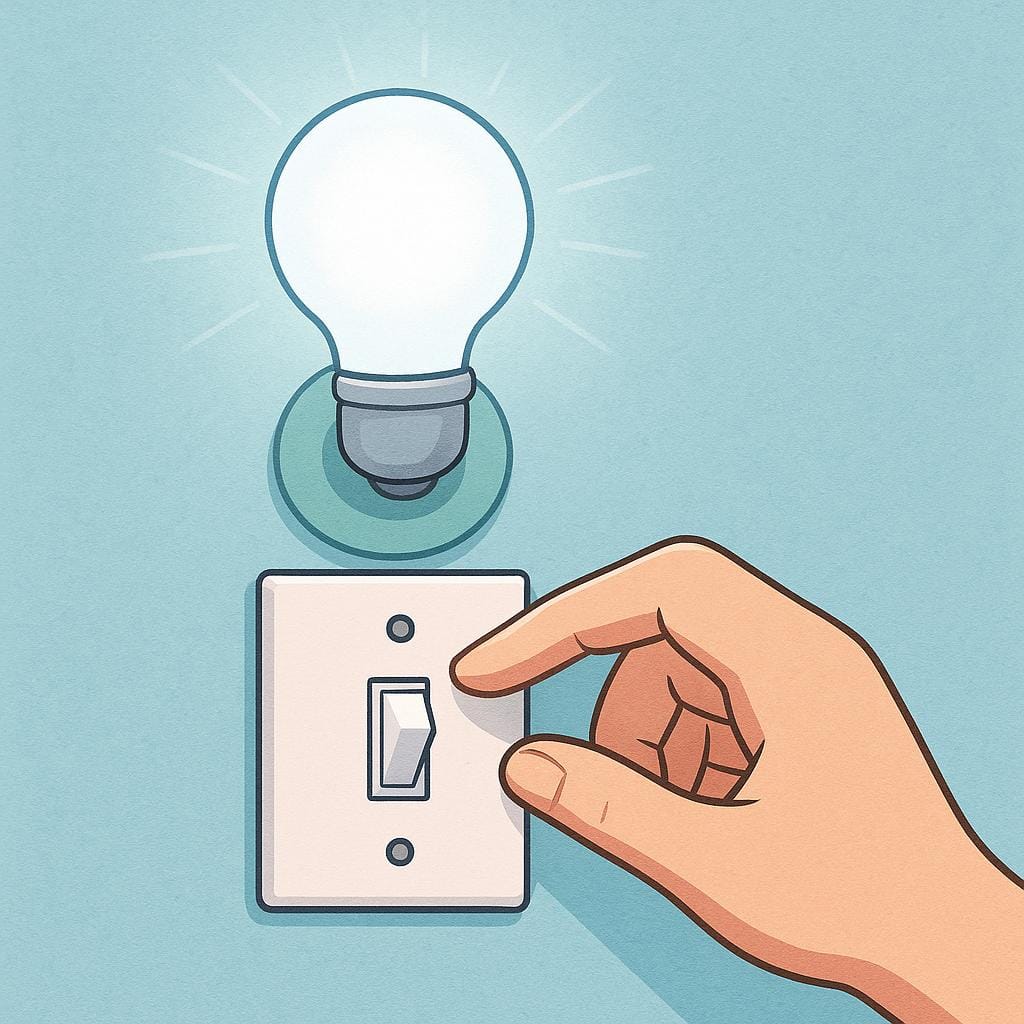
Por favor, ¿puedes encender la televisión?
Please, can you turn on the television?
Siempre enciendo las luces antes de que oscurezca.
I always switch on the lights before it gets dark.
Mi coche no enciende por el frío.
My car won't start because of the cold.
The 'E to IE' Trick
In the present tense, the 'e' in the middle of 'encender' changes to 'ie' (enciendo). This happens for almost all subjects except 'nosotros' and 'vosotros'.
Forgetting the Stem Change
Mistake: “Yo encendo la luz.”
Correction: Yo enciendo la luz. (The 'e' must change to 'ie' in the present tense to sound natural.)
empiece
em-pyeh-sehemˈpjese

Examples
Espero que él empiece a estudiar pronto.
I hope he starts studying soon.
Quiero que mi hijo empiece la escuela en septiembre.
I want my son to start school in September.
¡Empiece usted el discurso ahora, por favor!
Please, start the speech now!
Dudo que ella empiece a trabajar tan pronto.
I doubt that she starts working so soon.
The Subjunctive Mood
This form ('empiece') is part of the special verb set (the Subjunctive) used when you talk about wishes, doubts, emotions, or when commanding someone formally (usted).
Formal Commands
When you give a formal instruction to 'usted' (the polite 'you'), you use 'empiece' for starting an action: '¡Empiece a leer!' (Start reading!).
Stem Change E → IE
The base verb 'empezar' changes the 'e' in its stem to 'ie' in most present tense forms, including 'empiece'. Remember this vowel shift!
Missing the Stem Change
Mistake: “Using *empece* instead of *empiece*.”
Correction: The correct form is *empiece*. The 'e' in the middle changes to 'ie' to keep the sound consistent with the infinitive's structure in these forms.
Confusing Subjunctive vs. Indicative
Mistake: “Saying 'Quiero que él empieza' (using the normal verb form).”
Correction: After verbs like 'querer' (to want), Spanish requires the special form: 'Quiero que él empiece'.
abran
AH-brahnˈaβɾan

Examples
Los profesores sugirieron que abran un debate en clase.
The teachers suggested that they start a debate in class.
El director sugirió que abran un debate sobre el tema.
The director suggested that they start a debate on the topic.
Es urgente que abran las inscripciones para la conferencia.
It is urgent that they open the registrations for the conference.
Figurative Use
Just like in English, 'to open' can mean 'to start.' When used this way (e.g., 'abrir un negocio'), it almost always requires the special verb form ('abran') because it involves a desire, request, or uncertainty about the action.
entren
EN-trenˈen.tɾen

Examples
Quiero que mis hijos entren a la universidad el próximo año.
I want my children to start university next year.
Espero que entren en la universidad el próximo año.
I hope they start university next year.
Cuando entren en la edad adulta, entenderán esto.
When they enter adulthood, they will understand this.
Time Expressions
When talking about starting a new time period or phase, 'entrar' works like 'to step into' that time, and often requires the special verb form 'entren' if the beginning is uncertain or desired.
salida
sa-LEE-dahsaˈliða

Examples
La salida de la maratón es a las ocho de la mañana.
The start of the marathon is at eight in the morning.
La hora de salida del vuelo es a las 10:30.
The flight's departure time is at 10:30.
La salida del sol fue espectacular esta mañana.
The sunrise was spectacular this morning.
Los corredores se preparan en la línea de salida.
The runners are getting ready at the starting line.
iniciación
ee-nee-syah-SYOHNiniθjaˈθjon

Examples
Hice un curso de iniciación a la fotografía.
I took an introductory course to start photography.
Estoy haciendo un curso de iniciación al piano.
I am taking an introductory piano course.
La iniciación del proyecto será el próximo lunes.
The start of the project will be next Monday.
Este libro es una excelente iniciación a la historia del arte.
This book is an excellent introduction to art history.
The '-ción' Gender Rule
In Spanish, almost all words ending in '-ción' are feminine. This means you should always use 'la' or 'una' with this word.
Losing the Accent
When you make this word plural (iniciaciones), the accent mark on the 'o' is removed because the stress naturally stays on the same syllable.
Wrong Gender
Mistake: “El iniciación es difícil.”
Correction: La iniciación es difícil. (Words ending in -ción are feminine.)
Nouns vs. Verbs for 'Start'
Learn Spanish with Inklingo
Interactive stories, personalized learning, and more.