How to Say "appropriate" in Spanish
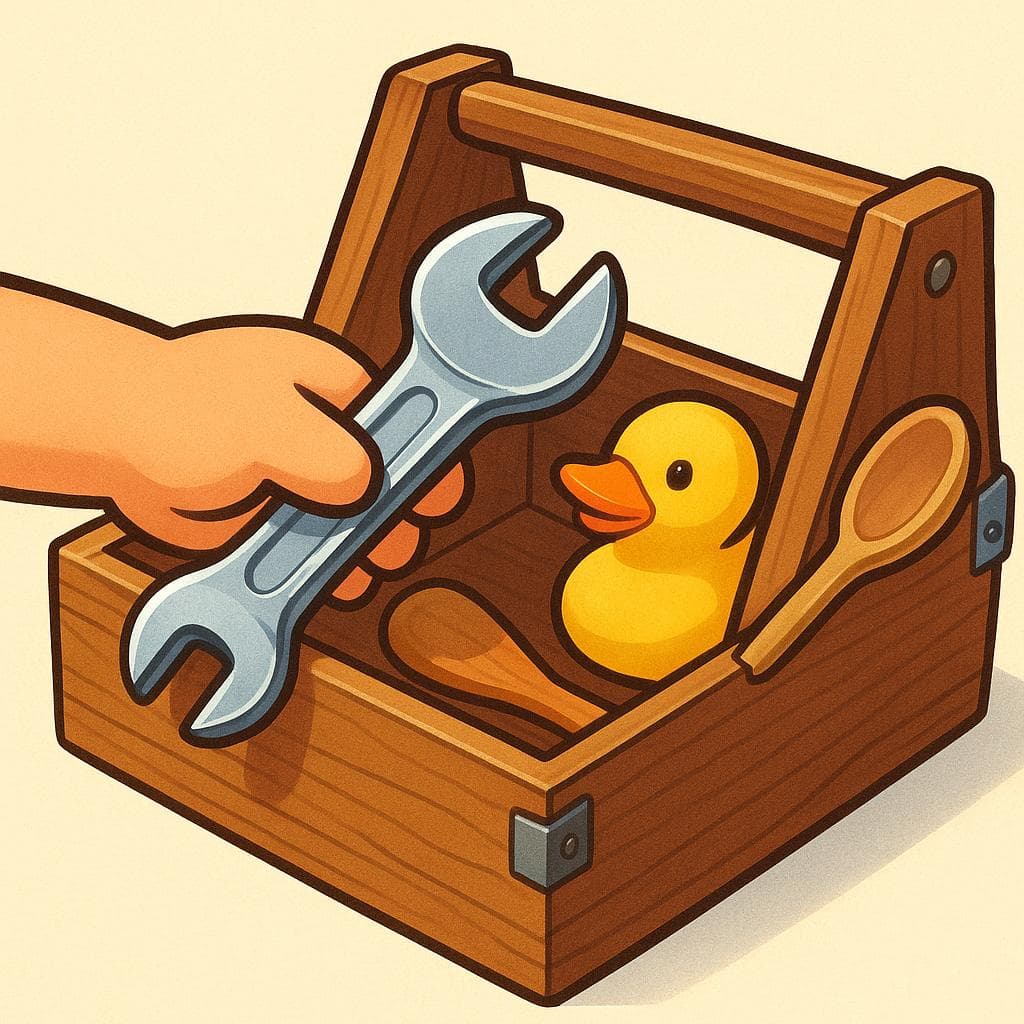
The most common Spanish word for “appropriate” is “adecuado” — use this word when something fits the requirements or purpose of a specific task or situation, like the right tool for a job.










adecuado
ah-deh-KWAH-doha.ðeˈkwa.ðo

Examples
Necesitas encontrar la herramienta adecuada para este trabajo.
You need to find the appropriate tool for this job.
La respuesta que diste no fue adecuada.
The answer you gave was not suitable.
Este es el momento adecuado para empezar a estudiar.
This is the right moment to start studying.
Adjective Agreement
As an adjective, 'adecuado' must change its ending to match the noun it describes. Remember the four forms: 'adecuado' (masculine singular), 'adecuada' (feminine singular), 'adecuados' (masculine plural), and 'adecuadas' (feminine plural).
Forgetting Gender Match
Mistake: “La decisión fue adecuado.”
Correction: La decisión fue adecuada. (Since 'decisión' is feminine, the adjective must be 'adecuada'.)
apropiado
ah-proh-pee-AH-doha.pɾoˈpja.ðo

Examples
Necesitas encontrar un momento apropiado para hablar con tu jefe.
You need to find an appropriate moment to talk to your boss.
Llevar pantalones cortos no es apropiado en este restaurante elegante.
Wearing shorts is not appropriate in this elegant restaurant.
La respuesta que diste fue muy apropiada y diplomática.
The answer you gave was very suitable and diplomatic.
Making it Match
Since 'apropiado' is a describing word (adjective), you must change its ending to match the thing you are describing. Use '-a' for feminine things (la hora apropiada), '-os' for masculine plural things, and '-as' for feminine plural things.
Placement is Flexible
This word usually goes after the noun (el momento apropiado), but you can sometimes place it before the noun (un apropiado momento) for a slightly more formal or literary tone.
Forgetting Gender Agreement
Mistake: “La situación es apropiado.”
Correction: La situación es apropiada. (Since 'situación' is feminine, the describing word must also end in -a.)
acertado
ah-sehr-tah-dohaserˈtaðo

Examples
Fue una decisión muy acertada cambiar de trabajo.
It was a very wise decision to change jobs.
Tu comentario sobre el problema fue muy acertado.
Your comment about the problem was spot on.
No siempre es fácil dar con la respuesta acertada.
It is not always easy to find the correct answer.
Matching with Nouns
Remember to change the ending to 'acertada' if the thing you are describing is feminine (like 'la decisión') or 'acertados/as' if there are multiple things.
Word Order
This word almost always comes after the noun it describes, such as 'un comentario acertado'.
Using 'Correcto' vs 'Acertado'
Mistake: “Using 'correcto' to describe a wise life choice.”
Correction: While 'correcto' means 'correct' (like 2+2=4), 'acertado' implies that the choice was smart or showed good judgment.
pertinente
per-tee-NEN-tehpeɾtiˈnente

Examples
Esa es una pregunta muy pertinente para el tema de hoy.
That is a very relevant question for today's topic.
El abogado presentó las pruebas pertinentes al caso.
The lawyer presented the evidence relevant to the case.
Antes de viajar, debes conseguir la documentación pertinente.
Before traveling, you must get the appropriate documentation.
Gender Neutrality
This word ends in 'e,' which means it stays the same whether you are describing a masculine noun (el documento pertinente) or a feminine noun (la información pertinente).
Plural Form
To make it plural, simply add an 's' at the end: 'los documentos pertinentes' or 'las preguntas pertinentes'.
Confusing with 'Impertinente'
Mistake: “Using 'impertinente' to mean only 'not relevant'.”
Correction: In Spanish, 'impertinente' often means 'rude' or 'annoying' when applied to a person, while 'pertinente' always relates to being 'appropriate' or 'on-topic'.
apto
AP-tohˈapto

Examples
Esta película no es apta para niños.
This movie is not suitable for children.
El agua del río no es apta para el consumo humano.
The river water is not fit for human consumption.
Buscamos un terreno apto para cultivar tomates.
We are looking for land suitable for growing tomatoes.
Matching the Noun
Since this is a describing word, it must change its ending to match what it describes: 'apto' (masculine), 'apta' (feminine), 'aptos' (masculine plural), 'aptas' (feminine plural).
The 'For' Connection
When you want to say what something is suitable 'for', always use the word 'para' after 'apto'.
Using the wrong preposition
Mistake: “Es apto de niños.”
Correction: Es apto para niños. (Always use 'para' when describing who or what something is for.)
indicado
een-dee-KAH-dohindiˈkaðo

Examples
Este tipo de calzado es el más indicado para caminar en la montaña.
This type of footwear is the most suitable for walking in the mountains.
¿Cuál es el tratamiento indicado para esta enfermedad?
What is the appropriate treatment for this illness?
Llegaste en el momento indicado.
You arrived at the right time.
Changing Forms
Like many Spanish words that describe things (adjectives), 'indicado' must change its ending to match the thing it describes: 'el libro indicado' (masculine singular), 'la hora indicada' (feminine singular), 'los pasos indicados' (masculine plural).
oportuno
o-por-TOO-nooporˈtuno

Examples
No me parece oportuno hablar de dinero en la primera cita.
I don't think it's appropriate to talk about money on the first date.
El director consideró oportuno cancelar la reunión.
The director thought it appropriate to cancel the meeting.
Si lo crees oportuno, podemos revisar el contrato mañana.
If you think it's convenient, we can review the contract tomorrow.
Using with 'Ser' vs 'Parecer'
Use 'es oportuno' to state a fact about timing, but 'me parece oportuno' to share your personal opinion about whether something is appropriate.
Overusing Oportuno
Mistake: “La silla es oportuna.”
Correction: La silla es cómoda. Only use 'oportuno' for actions, moments, or situations, not for physical objects being comfortable.
idóneo
ee-DOH-neh-ohiˈðoneo

Examples
Este es el lugar idóneo para construir nuestra nueva casa.
This is the ideal place to build our new house.
Ella es la candidata idónea para dirigir el departamento de ventas.
She is the ideal candidate to lead the sales department.
No me parece el momento idóneo para discutir este problema familiar.
I don't think it's the right moment to discuss this family problem.
Matching Gender
Since this word ends in -o, you must change it to -a (idónea) when describing something feminine, like 'una solución idónea' (an ideal solution).
Using 'para'
This word is almost always followed by the word 'para' (for) to explain what the person or thing is suitable for.
Confusing with 'perfecto'
Mistake: “Using 'perfecto' when you mean 'the right fit for a specific task'.”
Correction: While something can be 'perfect' in general, use 'idóneo' when it has the specific skills or characteristics needed for a particular job or situation.
propio
pro-pyoˈpɾo.pjo
Examples
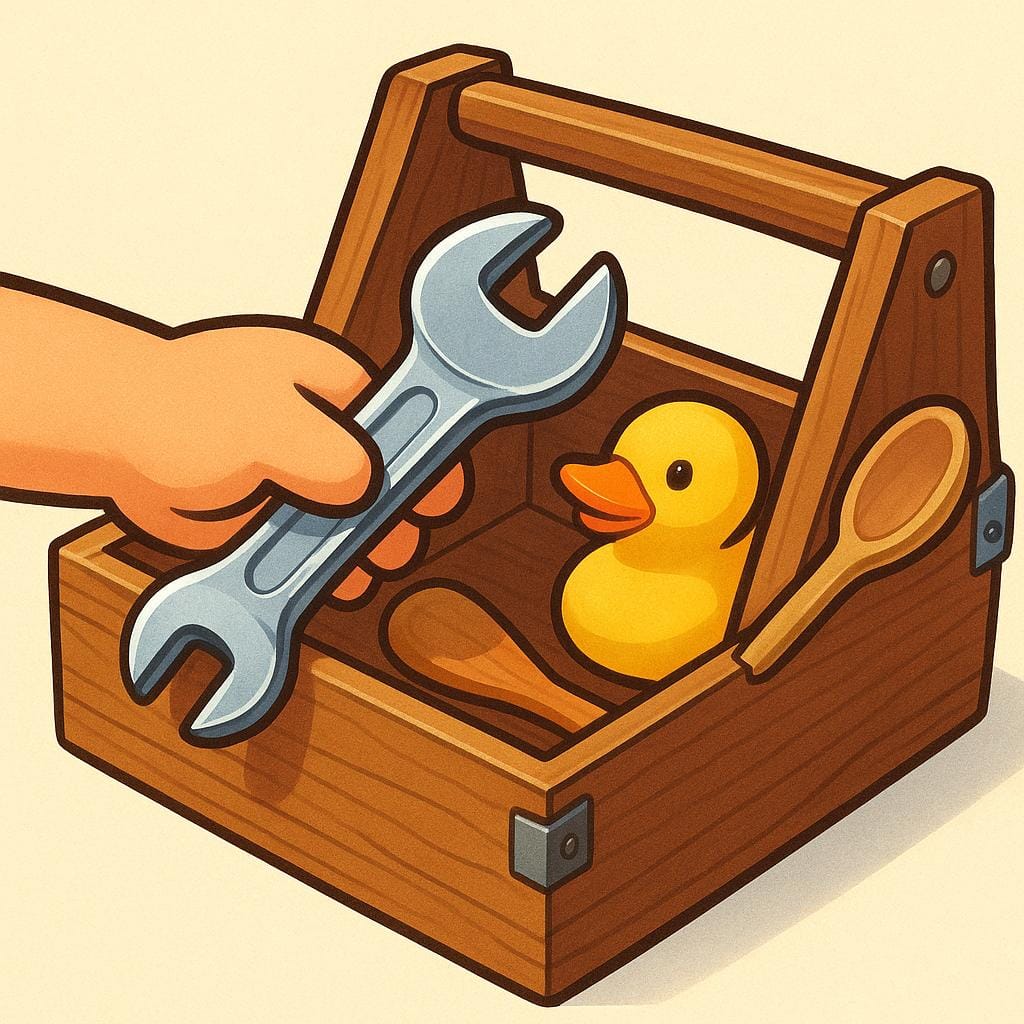
Debes usar la herramienta propia para este trabajo.
You must use the proper tool for this job.
No es el vocabulario propio para una conversación formal.
That is not the appropriate vocabulary for a formal conversation.
correspondiente
koh-rehs-pohn-DYEN-tehkoresponˈdjente

Examples
El director tomará las medidas correspondientes para solucionar el problema.
The director will take the appropriate measures to solve the problem.
Recibió el premio correspondiente a su gran esfuerzo.
He received the prize due for his great effort.
Para viajar con mascotas, necesitas los permisos correspondientes.
To travel with pets, you need the relevant permits.
Placement is key
This word almost always comes after the noun it is describing, which is standard for Spanish adjectives.
Overusing 'apropiado'
Mistake: “Using 'apropiado' for everything.”
Correction: In professional settings, 'correspondiente' often sounds more natural and native than 'apropiado' when talking about steps, measures, or documents.
procedente
pro-seh-DEN-tehpɾoθeˈðente

Examples
No me parece procedente discutir ese tema ahora.
I don't think it is appropriate to discuss that topic now.
El juez decidió que la demanda era procedente.
The judge decided that the lawsuit was admissible.
Si lo considera procedente, podemos firmar el contrato hoy.
If you consider it appropriate, we can sign the contract today.
Use with 'Ser'
When describing whether something is appropriate or valid, we use the verb 'ser' (to be).
Don't use it for clothes
Mistake: “Esta camisa es procedente para la fiesta.”
Correction: Esta camisa es apropiada para la fiesta.
Adecuado vs. Apropiado
Related Translations
Learn Spanish with Inklingo
Interactive stories, personalized learning, and more.