dibujo
“dibujo” means “drawing” in Spanish. It has 3 different meanings depending on context:

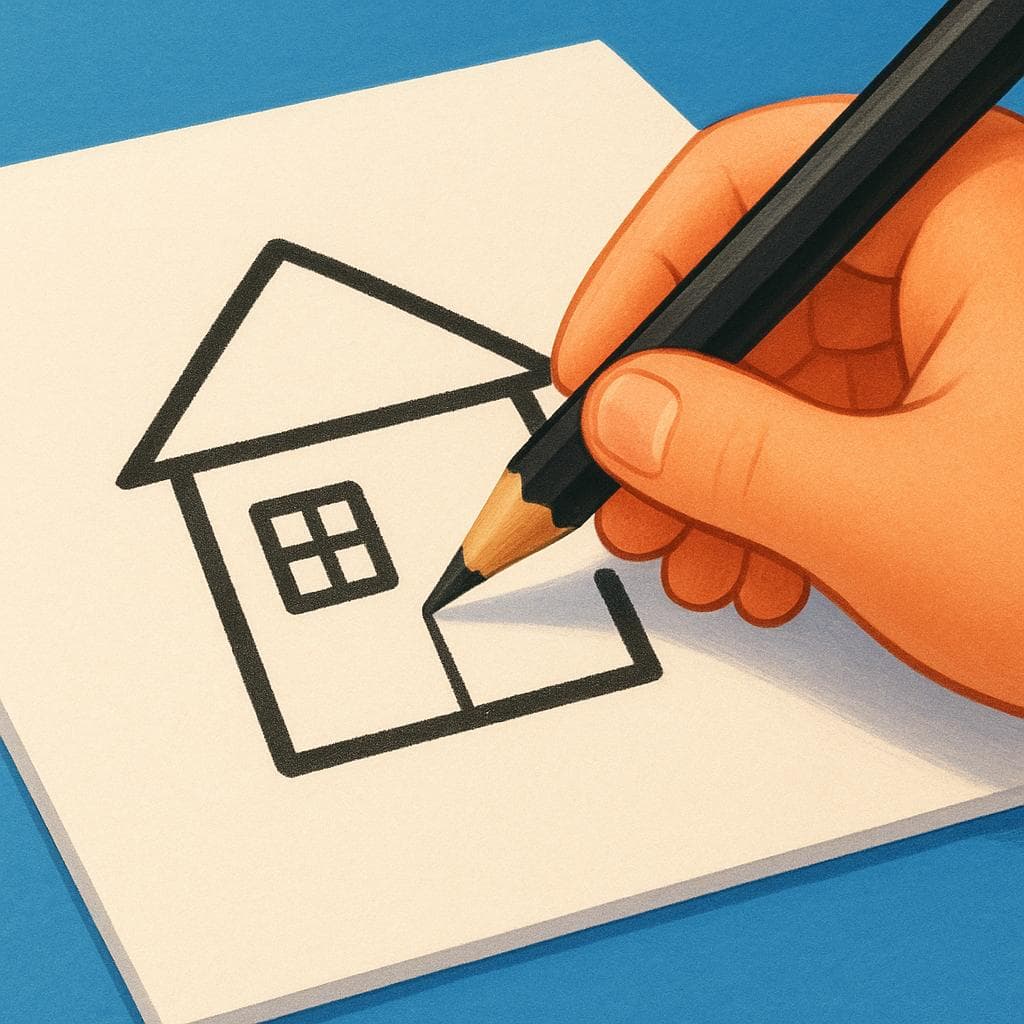
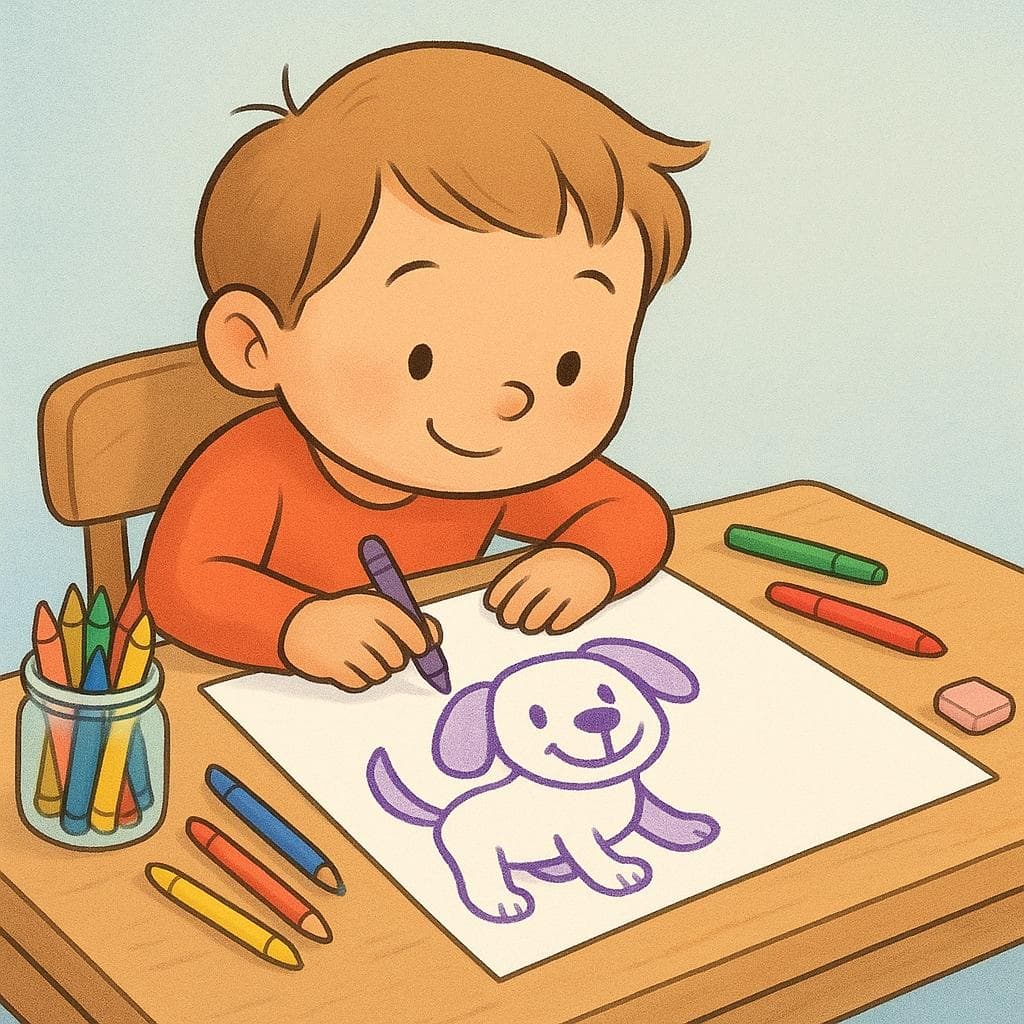
drawing, sketch
Also: design, cartoon
📝 In Action
Mi hija hizo un dibujo de un perro y me lo regaló.
A1My daughter made a drawing of a dog and gave it to me.
El arquitecto nos mostró el dibujo de la nueva casa.
A2The architect showed us the design/drawing of the new house.
Necesito un buen dibujo técnico para entender cómo funciona esta máquina.
B1I need a good technical drawing to understand how this machine works.
drawing
Also: draftsmanship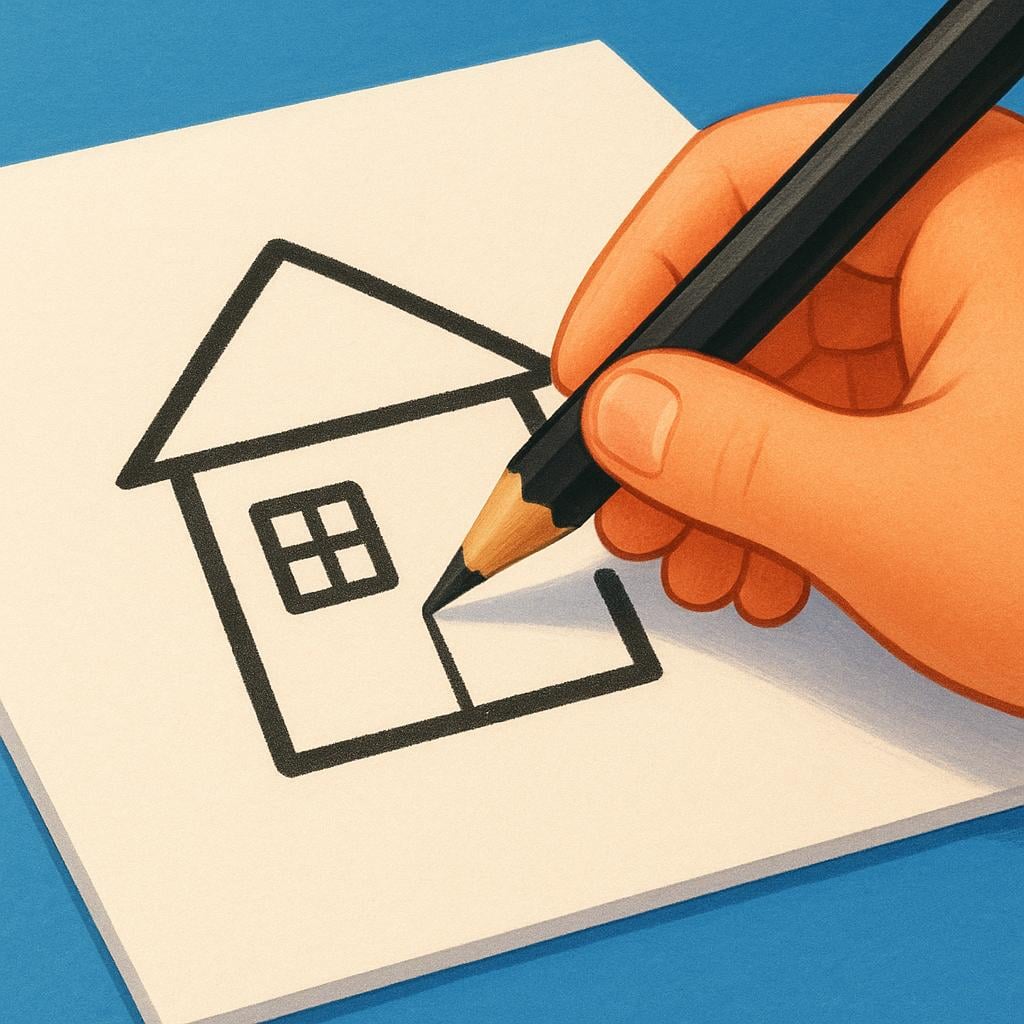
📝 In Action
El dibujo es una de mis habilidades favoritas.
B1Drawing (the activity) is one of my favorite skills.
Tomó clases de dibujo para mejorar su técnica.
B2He took drawing classes to improve his technique.
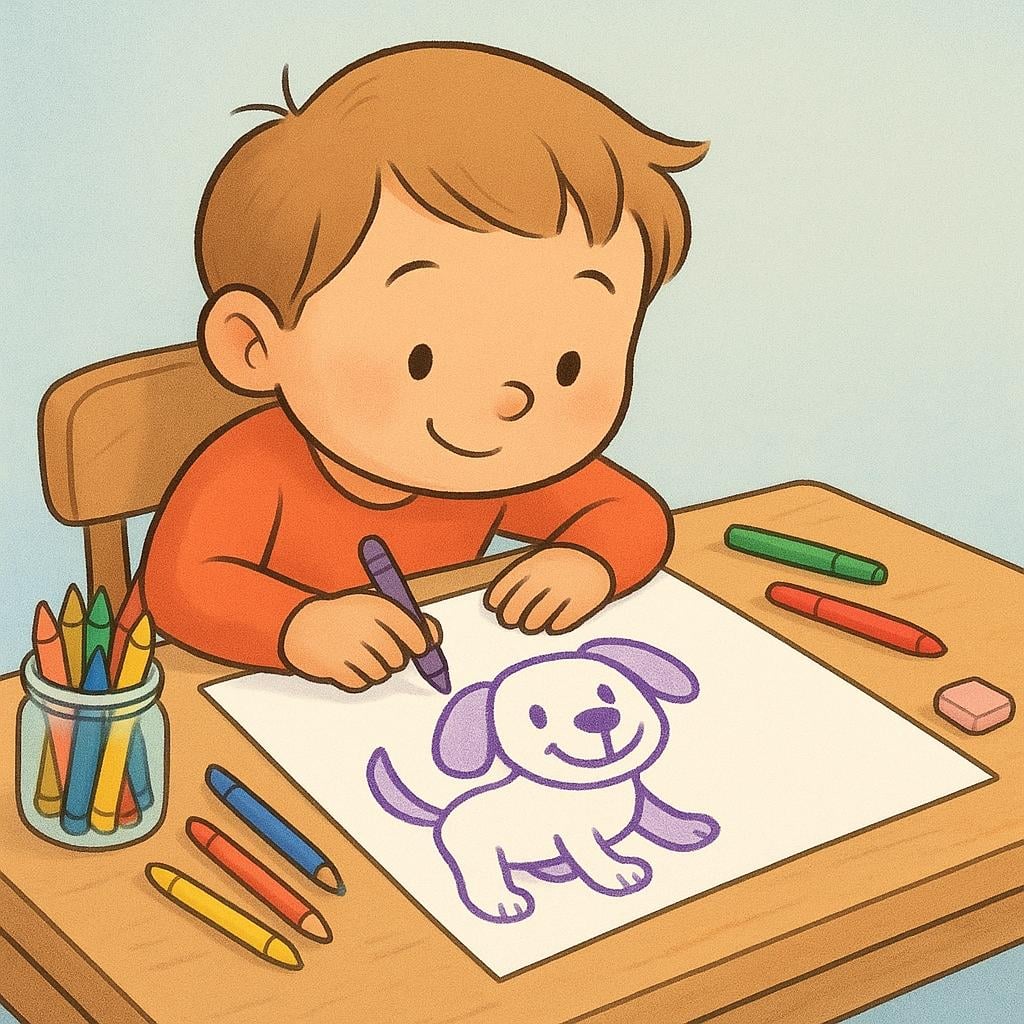
I draw, I am drawing
📝 In Action
Yo dibujo muy bien los animales, pero las personas me cuestan.
A1I draw animals very well, but people are difficult for me.
Siempre dibujo antes de empezar a pintar.
A2I always draw before I start painting.
Indicative
Present
Imperfect
Preterite
Subjunctive
Present Subjunctive
Imperfect Subjunctive
Translate to Spanish
✏️ Quick Practice
Quick Quiz: dibujo
Question 1 of 2
Which sentence uses 'dibujo' as a noun (a thing)?
📚 More Resources
👥 Word Family▼
🎵 Rhymes▼
📚 Etymology▼
The word 'dibujo' comes from the Spanish verb 'dibujar.' This verb is thought to have come from Catalan or Italian sources (*dibuxare*), which themselves might stem from older Germanic roots related to marking or designing.
First recorded: 15th century
Cognates (Related words)
💡 Master Spanish
Take your Spanish to the next level. Read 200+ illustrated and narrated Spanish stories tailored to your level with the Inklingo app!
Frequently Asked Questions
¿Cuál es la diferencia entre 'dibujo' y 'pintura'?
A 'dibujo' is usually a sketch or line art made with a pencil or pen. A 'pintura' is a painting made with color and brushes (like oil or watercolor).
How can I tell if 'dibujo' is the noun or the verb?
If it has 'el' or 'un' before it (El dibujo), it is the noun (the picture). If it is preceded by 'yo' (Yo dibujo), it is the verb (I draw).