How to Say "comic book" in Spanish
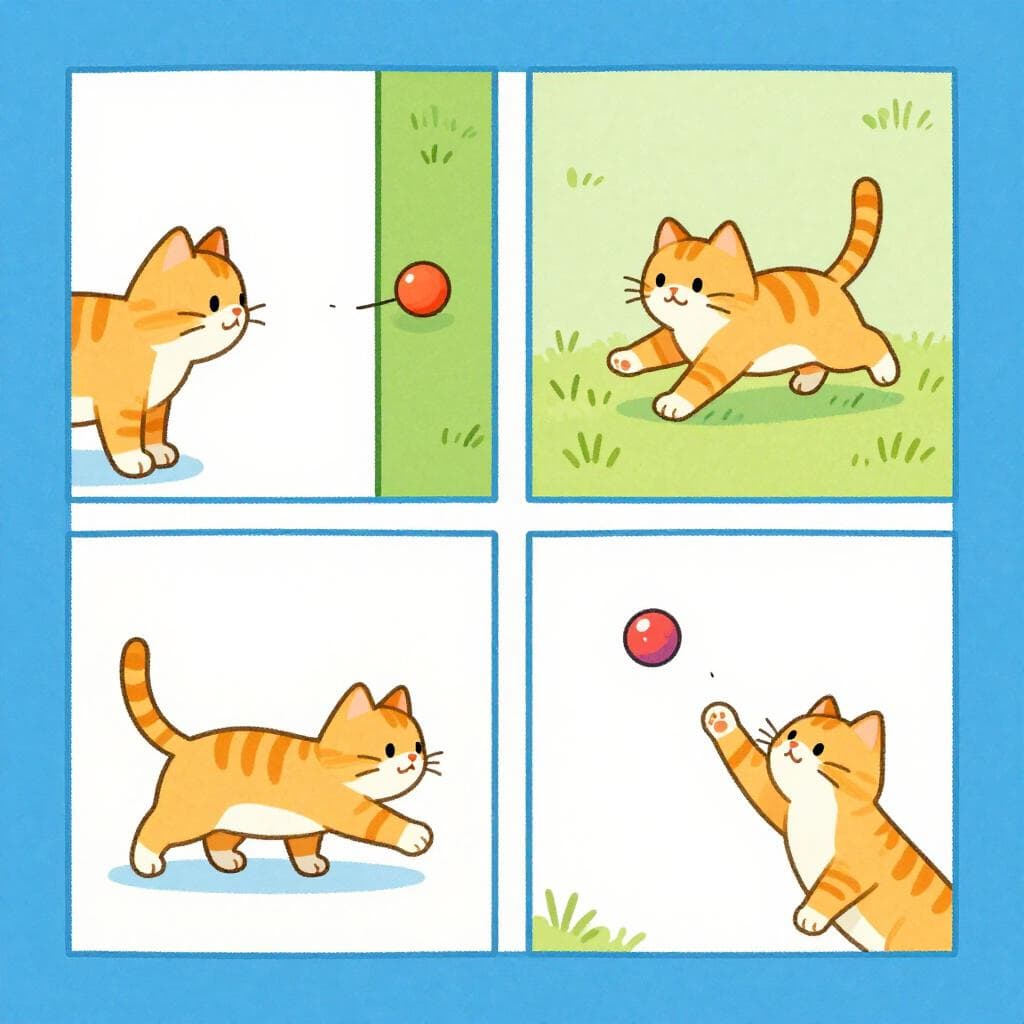
The most common Spanish word for “comic book” is “cómic” — use 'cómic' when referring to the medium or a specific publication in general, like a graphic novel or a superhero magazine.
cómic
Examples
Tengo un cómic nuevo sobre superhéroes.
I have a new comic book about superheroes.
historieta
ees-toh-ree-eh-tahistoˈɾjeta
Examples
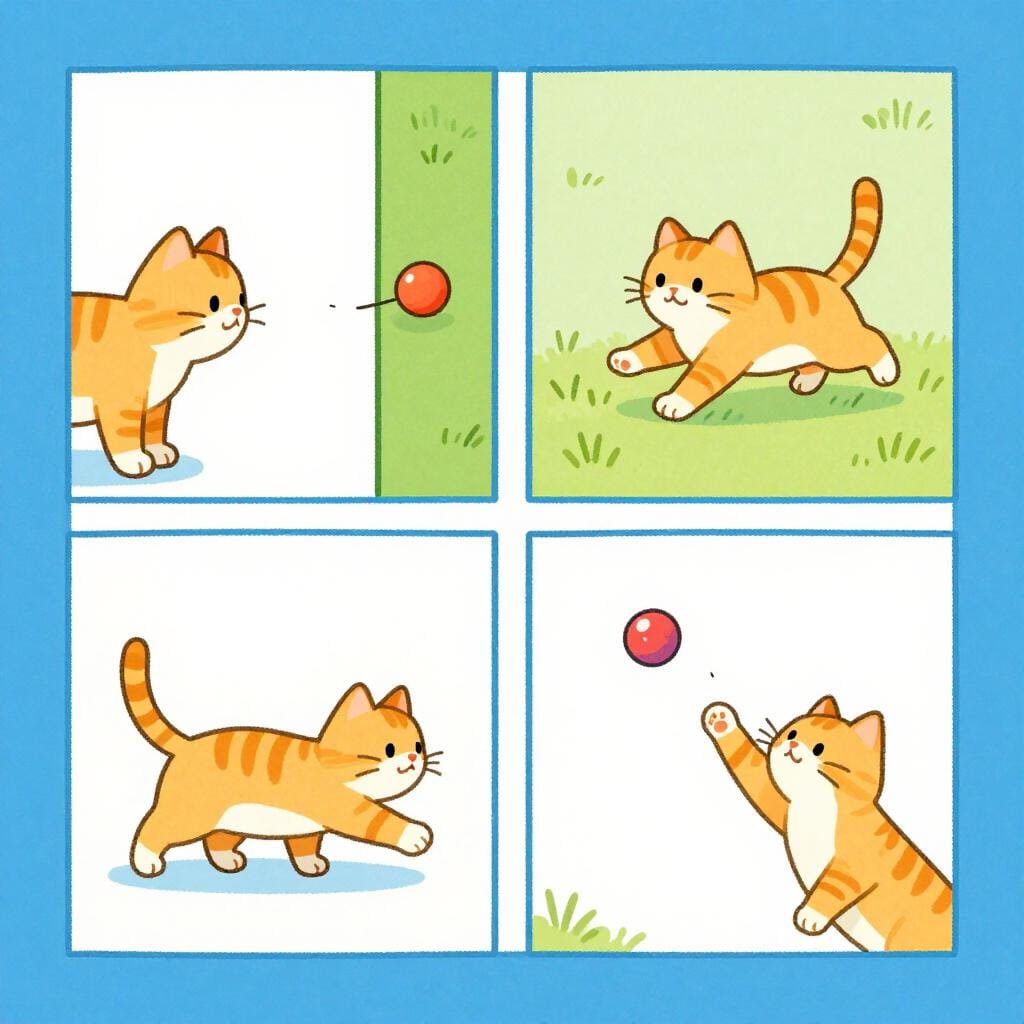
Leí una historieta muy divertida en el periódico hoy.
I read a very funny comic strip in the newspaper today.
De niño, mi habitación estaba llena de historietas de superhéroes.
As a child, my room was full of superhero comic books.
Mafalda es la historieta más famosa de Argentina.
Mafalda is the most famous comic strip from Argentina.
Always Feminine
Since it ends in '-a' and comes from 'historia', it is always feminine. Use 'la' or 'una' with it.
Making it Plural
To talk about more than one, simply add an '-s' to the end: 'las historietas'.
Historieta vs. Historia
Mistake: “Usar 'historia' para referirse a un cómic.”
Correction: Use 'historieta' when there are drawings involved. 'Historia' usually refers to a text-based story or history as a school subject.
General vs. Specific Use
Related Translations
Learn Spanish with Inklingo
Interactive stories, personalized learning, and more.