How to Say "yarn" in Spanish
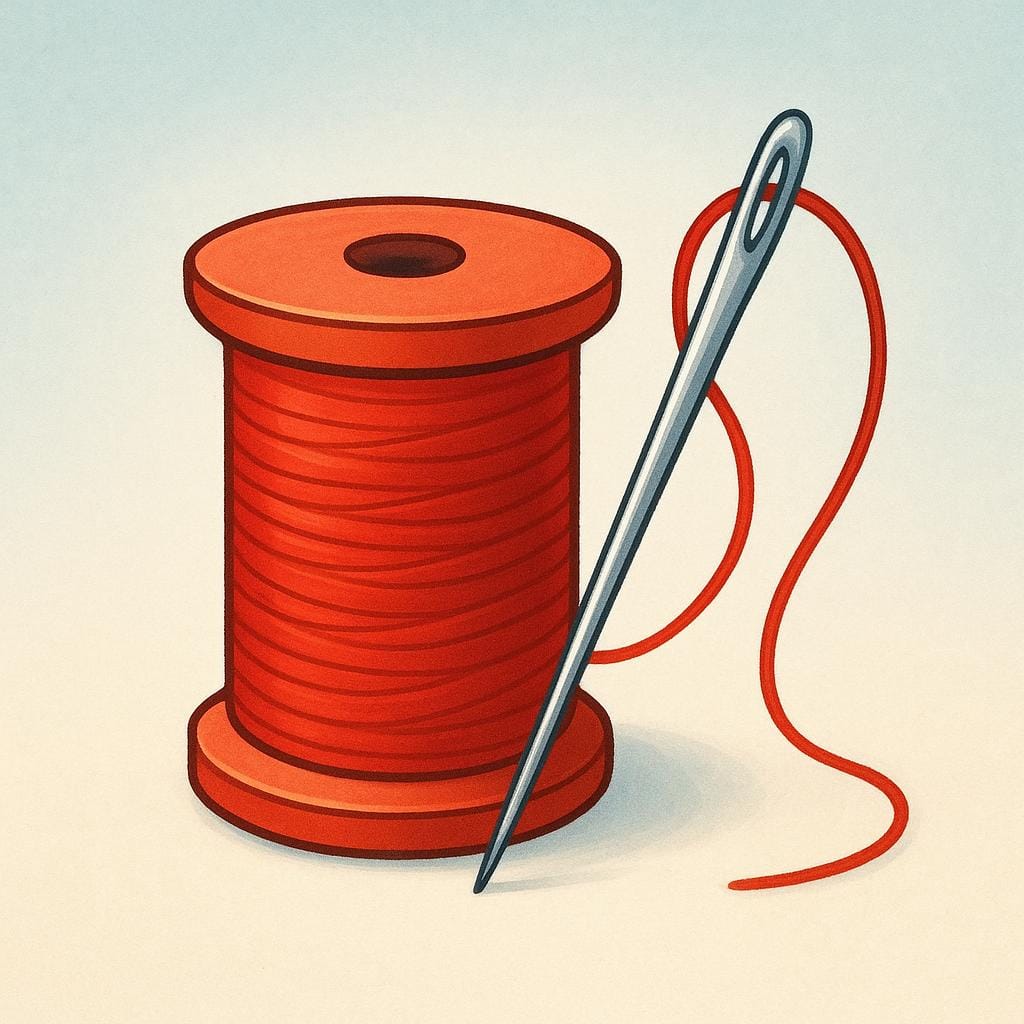
The most common Spanish word for “yarn” is “hilo” — use 'hilo' when referring to the thread or fiber used for knitting, weaving, sewing, or other crafts.
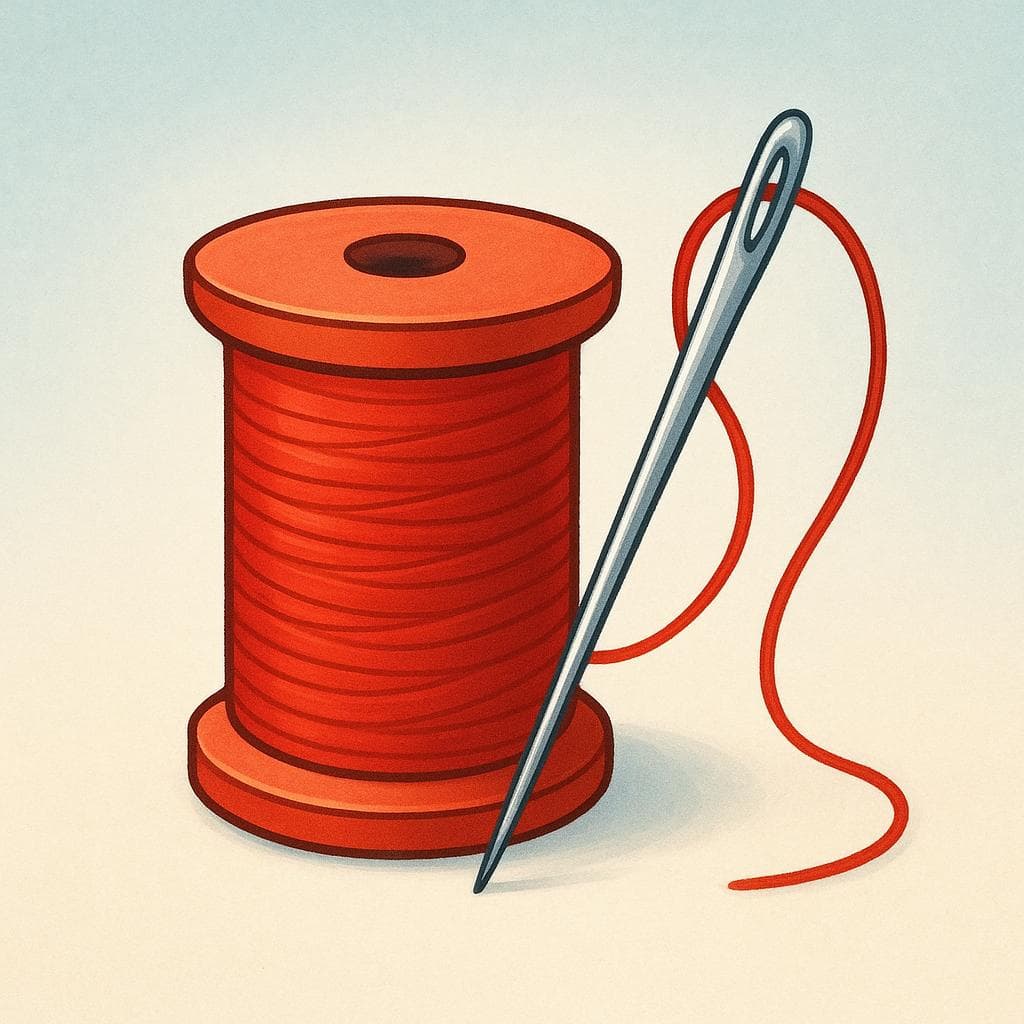

hilo
EE-lohˈilo
Examples
Compré lana de varios colores para tejer una bufanda.
I bought yarn in various colors to knit a scarf.
Necesito un carrete de hilo blanco para coser esta falda.
I need a spool of white thread to sew this skirt.
El gato jugó con el hilo hasta que lo rompió.
The cat played with the yarn until it broke it.
Masculine Noun Rule
Remember that 'hilo' is always masculine, so you must use 'el hilo' and 'un hilo', even though it starts with an 'h'.
Confusing Thread and Rope
Mistake: “Using 'hilo' for a thick rope or cable.”
Correction: Use 'cuerda' or 'soga' for thick rope, and reserve 'hilo' for thin, fine strands.
historieta
ees-toh-ree-eh-tahistoˈɾjeta
Examples
Deja de contarme esas historietas y dime qué pasó realmente.
Stop telling me those long stories and tell me what really happened.
No me vengas con historietas; dime la verdad.
Don't come to me with these tales; tell me the truth.
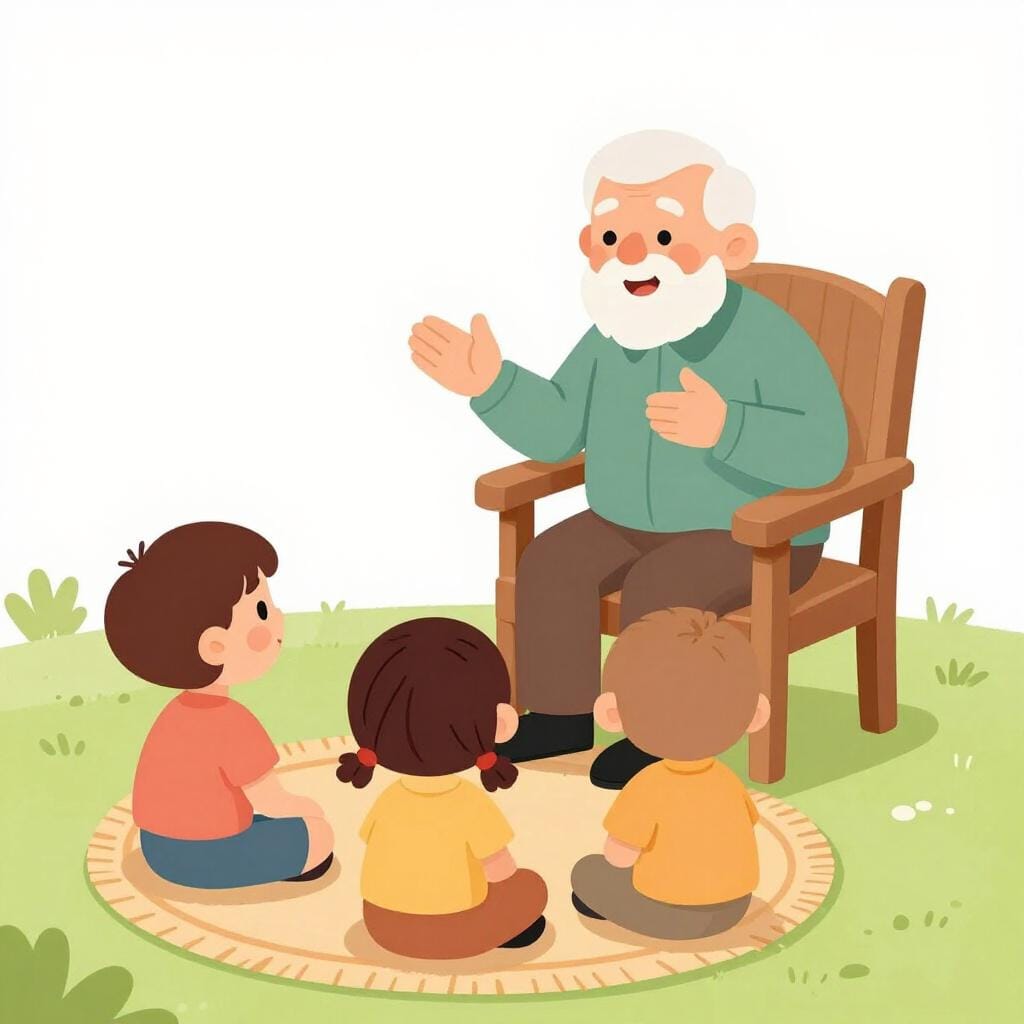
El abuelo siempre cuenta la misma historieta de cuando era joven.
Grandpa always tells the same yarn about when he was young.
Es una historieta muy larga de contar ahora mismo.
It's a very long story to tell right now.
Diminutive Suffix
The '-eta' ending is a way to make 'historia' (story) sound smaller or less important, which is why it often means a 'short' or 'trivial' story.
Tone Warning
Mistake: “Using 'historieta' to describe a serious academic history.”
Correction: This sounds dismissive. Only use 'historieta' for fun comics or trivial personal anecdotes.
Material vs. Story
Related Translations
Learn Spanish with Inklingo
Interactive stories, personalized learning, and more.