How to Say "line" in Spanish
The most common Spanish word for “line” is “línea” — use 'línea' for a drawn mark, a queue of people, a transportation route, a telephone/internet connection, or a product range.



línea
Examples
Dibuja una línea recta con la regla.
Draw a straight line with the ruler.
fila
FEE-lahˈfi.la

Examples
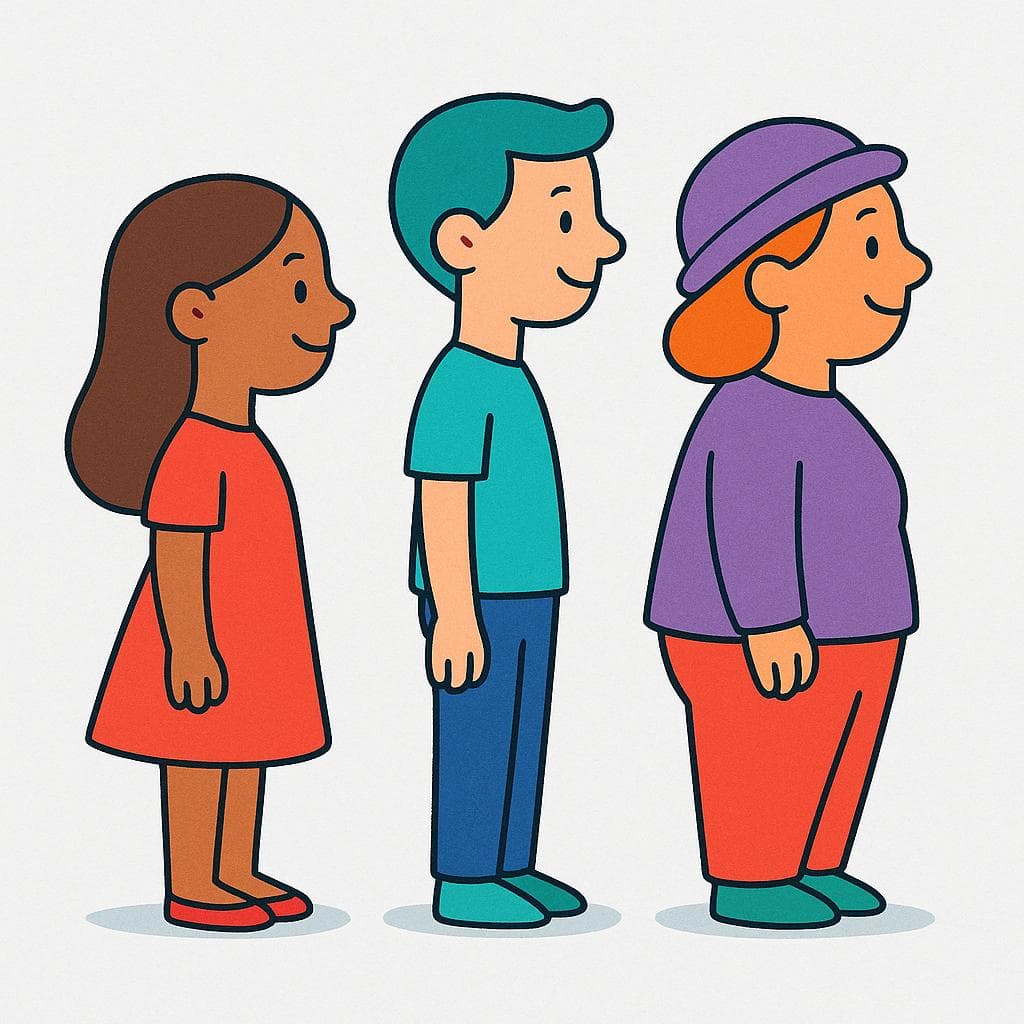
Hay una fila muy larga para comprar entradas.
There is a very long line to buy tickets.
Por favor, pónganse en fila antes de entrar al museo.
Please, get in line before entering the museum.
Gender Check
Remember that 'fila' is a feminine noun, so you must use feminine articles and adjectives with it (e.g., 'la fila', 'una fila larga').
Confusing 'Fila' and 'Cola'
Mistake: “Using 'fila' in Spain where 'cola' (meaning tail/queue) is much more common.”
Correction: In Mexico, Central America, and the US, 'fila' is standard for a queue. In Spain, use 'cola' (hacer cola).
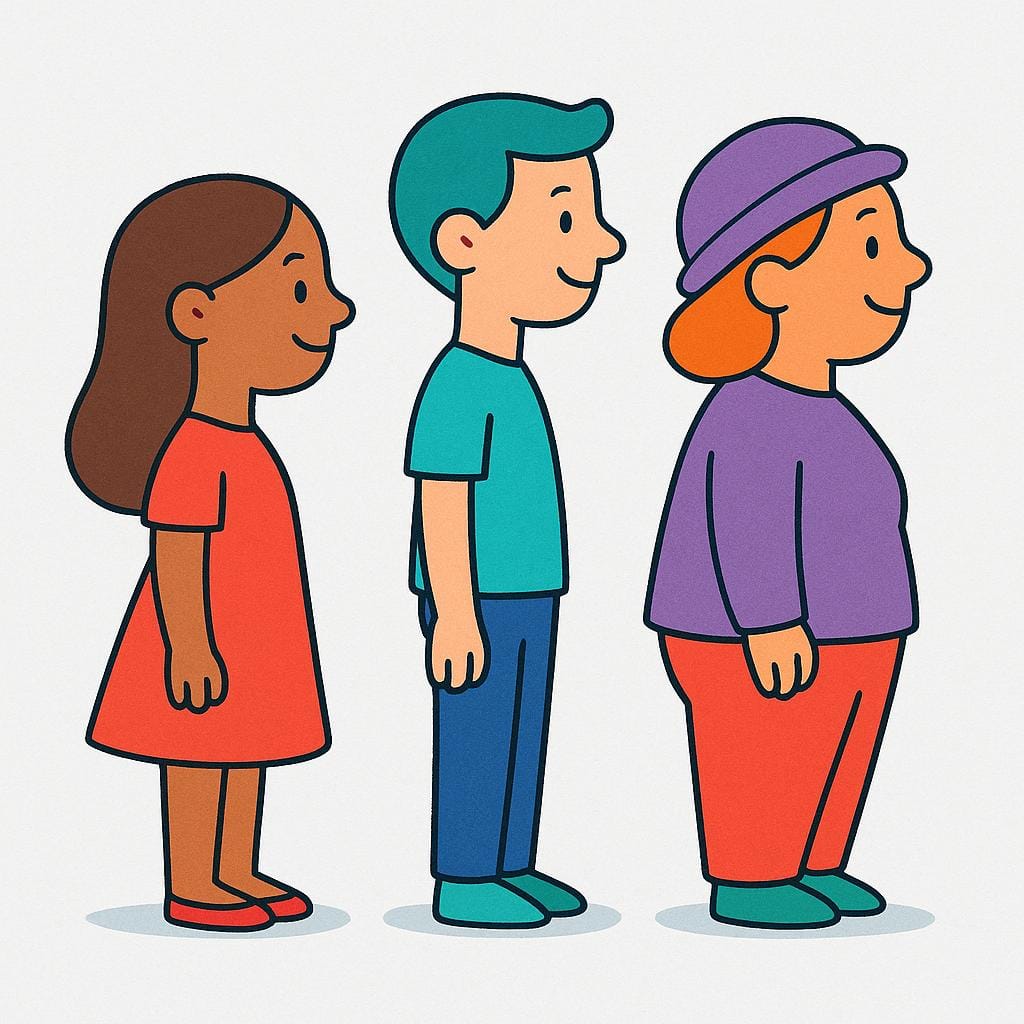
cola
KOH-lahˈko.la
Examples
Había una cola enorme para comprar las entradas del concierto.
There was a huge line to buy the concert tickets.
No me gusta hacer cola en el supermercado.
I don't like waiting in line at the supermarket.
Hay una cola de tres kilómetros en la carretera.
There is a three-kilometer traffic jam on the highway.
Key Verb: Hacer
The most common way to say 'to wait in line' is using the verb 'hacer' (to do/make): 'hacer cola'.
raya
RRAH-yahˈra.ʝa

Examples
Dibuja una raya horizontal en el cuaderno.
Draw a horizontal line in the notebook.
La cebra tiene rayas blancas y negras.
The zebra has white and black stripes.
No cruces la raya roja en el suelo.
Don't cross the red line on the floor.
Gender Reminder
Even though 'raya' ends in 'a', it is feminine, like most Spanish nouns ending in 'a'. Use 'la raya' or 'una raya'.
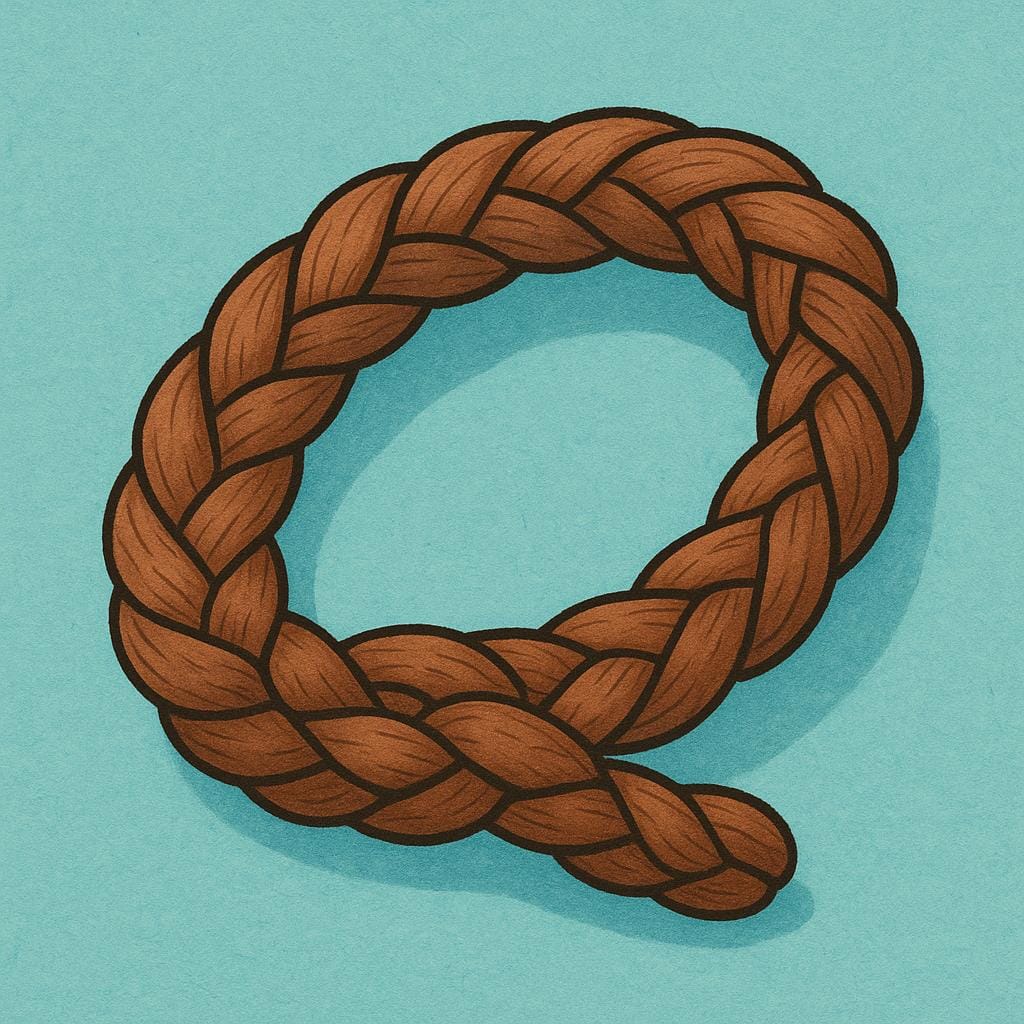
cuerda
KWEHR-dahˈkweɾða
Examples
Atamos el bote al muelle con una cuerda gruesa.
We tied the boat to the dock with a thick rope.
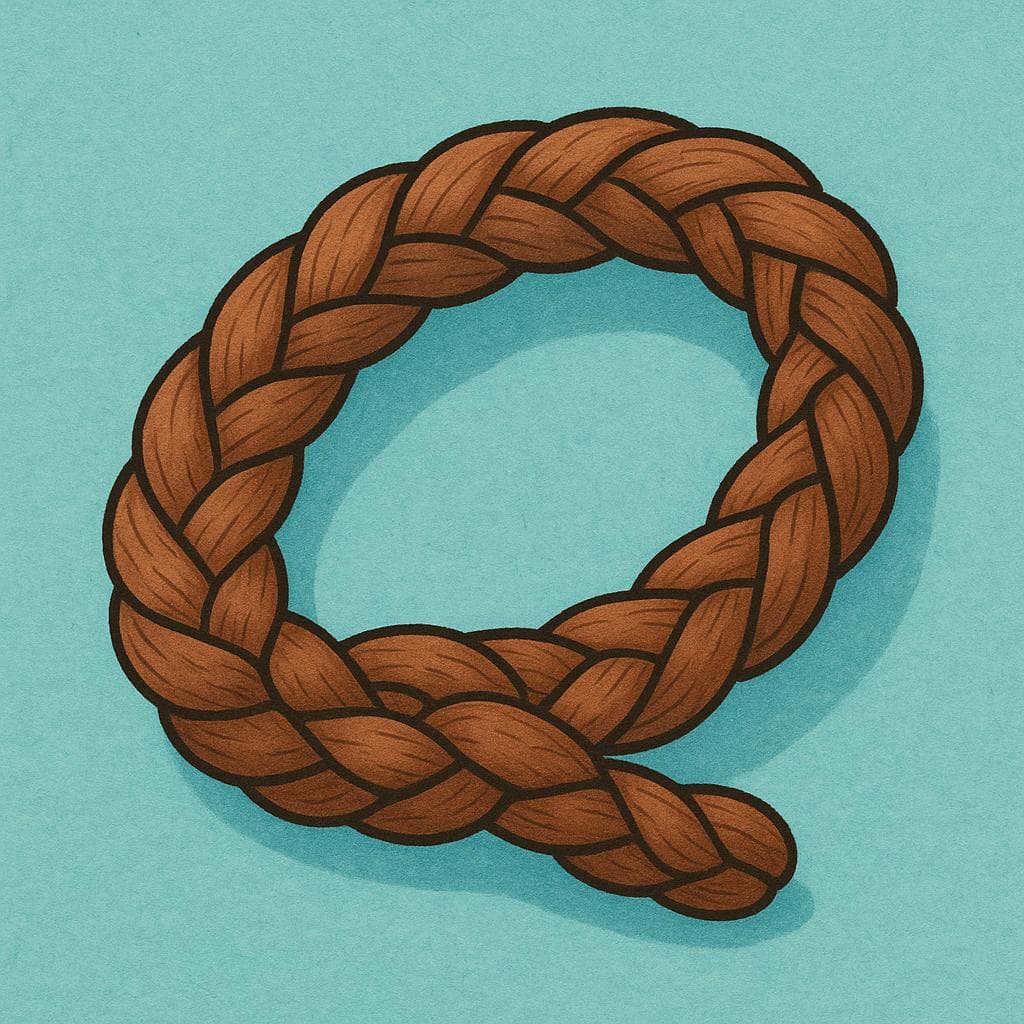
Puso la ropa mojada en la cuerda de tender.
She put the wet clothes on the clothesline.
Gender Reminder
Even though many Spanish nouns ending in -a are feminine, remember that cuerda follows this rule consistently: it always uses 'la' (la cuerda).
vía
Examples
El tren a Sevilla sale de la vía número dos.
The train to Seville leaves from track number two.
arruga
ah-ROO-gahaˈruɣa

Examples
Mi abuela tiene arrugas muy bonitas alrededor de los ojos.
My grandmother has very beautiful wrinkles around her eyes.
Esta crema ayuda a reducir las arrugas de expresión.
This cream helps to reduce expression lines.
Aparecen arrugas en la piel con el paso del tiempo.
Wrinkles appear on the skin with the passing of time.
Feminine Noun Pattern
The word ends in '-a', so it is feminine. Use 'la arruga' for one and 'las arrugas' for more than one.
Placement of Adjectives
When describing wrinkles, put the description after the word: 'arrugas profundas' (deep wrinkles).
Noun vs. Verb Confusion
Mistake: “Yo tengo una arrugar.”
Correction: Yo tengo una arruga. Use 'arruga' for the line itself and 'arrugar' for the action of wrinkling something.
verso
behr-sohˈbeɾso
Examples
Escribí un verso sobre el mar.
I wrote a line of poetry about the sea.
Este poema tiene rimas en cada verso.
This poem has rhymes in every line.
Prefiero escribir en verso libre porque es más moderno.
I prefer to write in free verse because it is more modern.
Verso vs. Stanza
In English, 'verse' can mean a whole paragraph of a song. In Spanish, 'verso' is just ONE line. A group of lines (a paragraph) is called an 'estrofa'.
Confusing 'Verso' with 'Verse'
Mistake: “Using 'verso' to mean a section of a song.”
Correction: Use 'verso' for a single line and 'estrofa' for the whole block of lyrics.
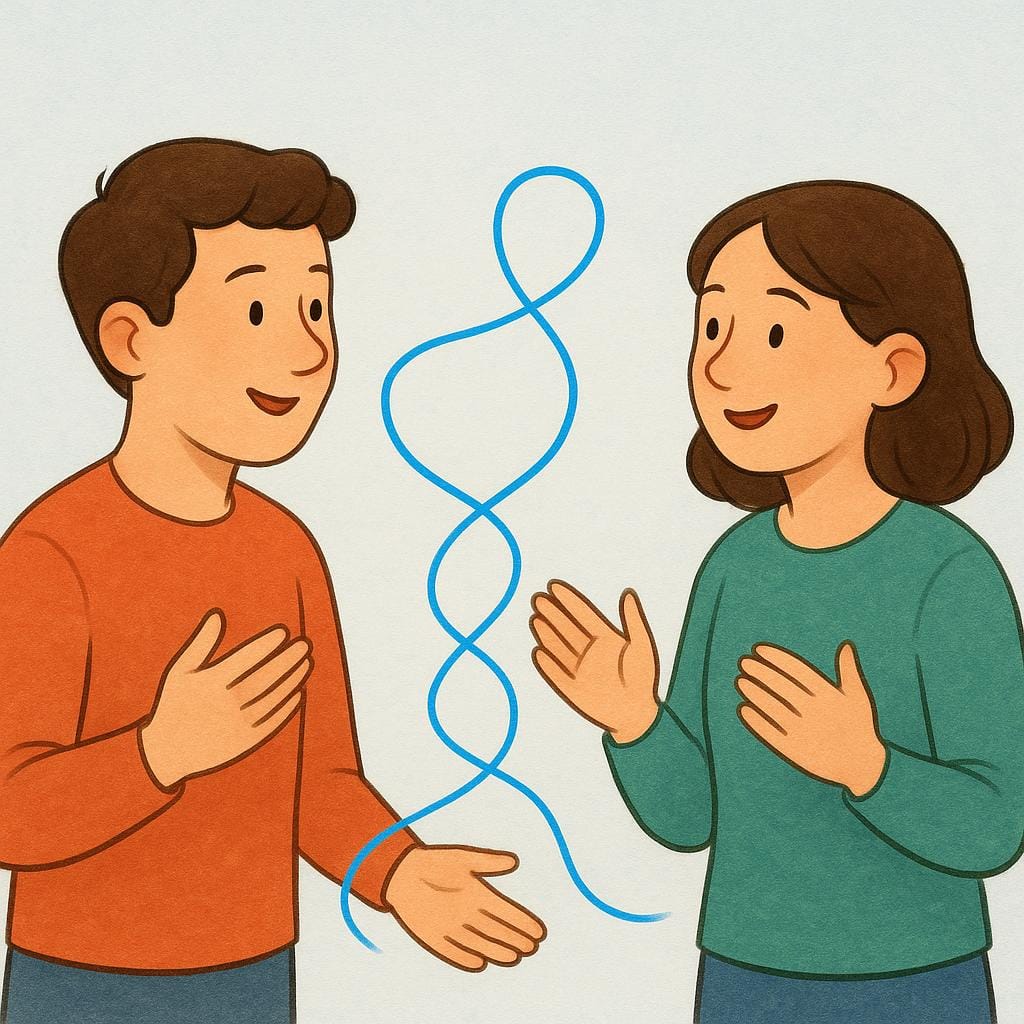
hilo
EE-lohˈilo
Examples
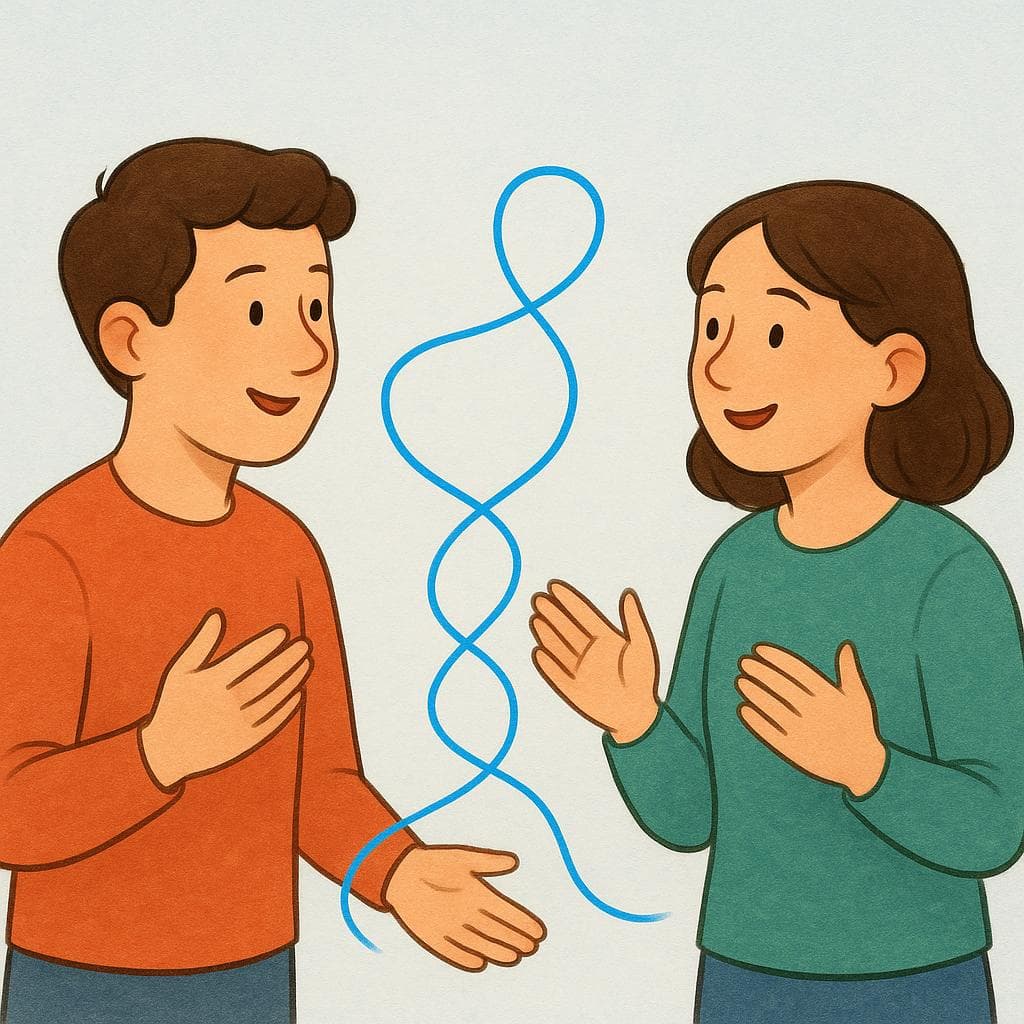
Perdí el hilo de la conversación cuando sonó mi teléfono.
I lost the thread of the conversation when my phone rang.
El hilo de la novela es muy complicado, con muchos giros.
The plot line of the novel is very complicated, with many twists.
Figurative Use
This meaning is very similar to how English uses 'thread' to describe the continuous line of thought in a discussion or story.
Queue vs. Mark vs. Route
Learn Spanish with Inklingo
Interactive stories, personalized learning, and more.