How to Say "wire" in Spanish
The most common Spanish word for “wire” is “cable” — use 'cable' for thick, often insulated conducting wires, especially those used for electricity or electronics like chargers or power cords.
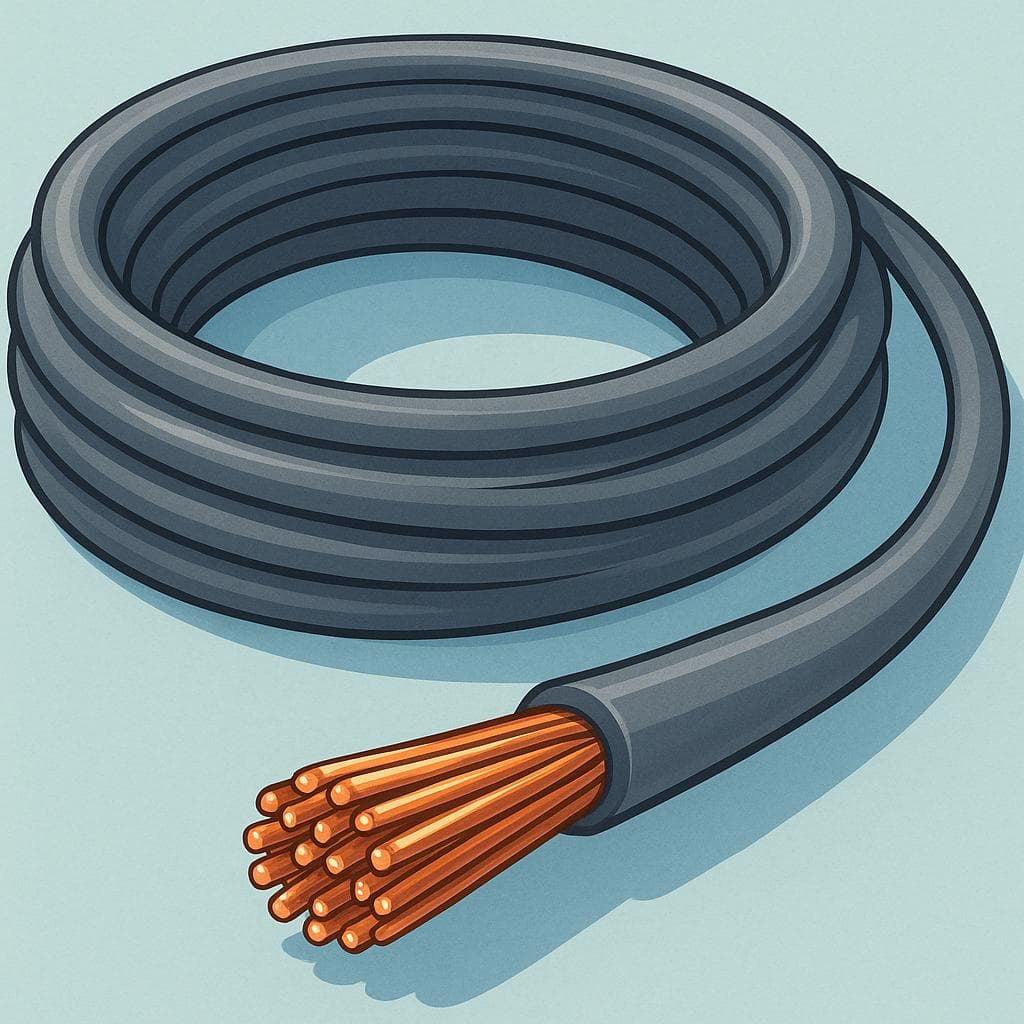
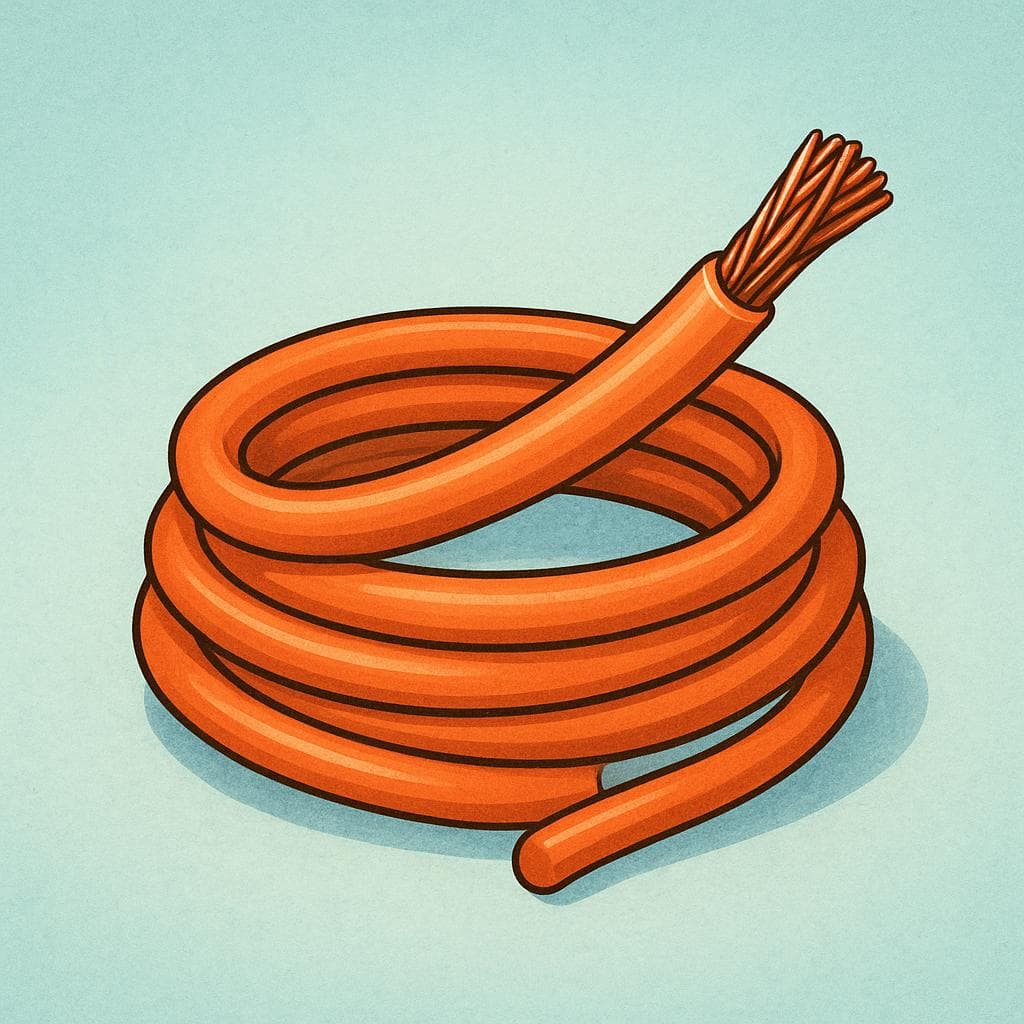
cable
kah-blehˈkaβle
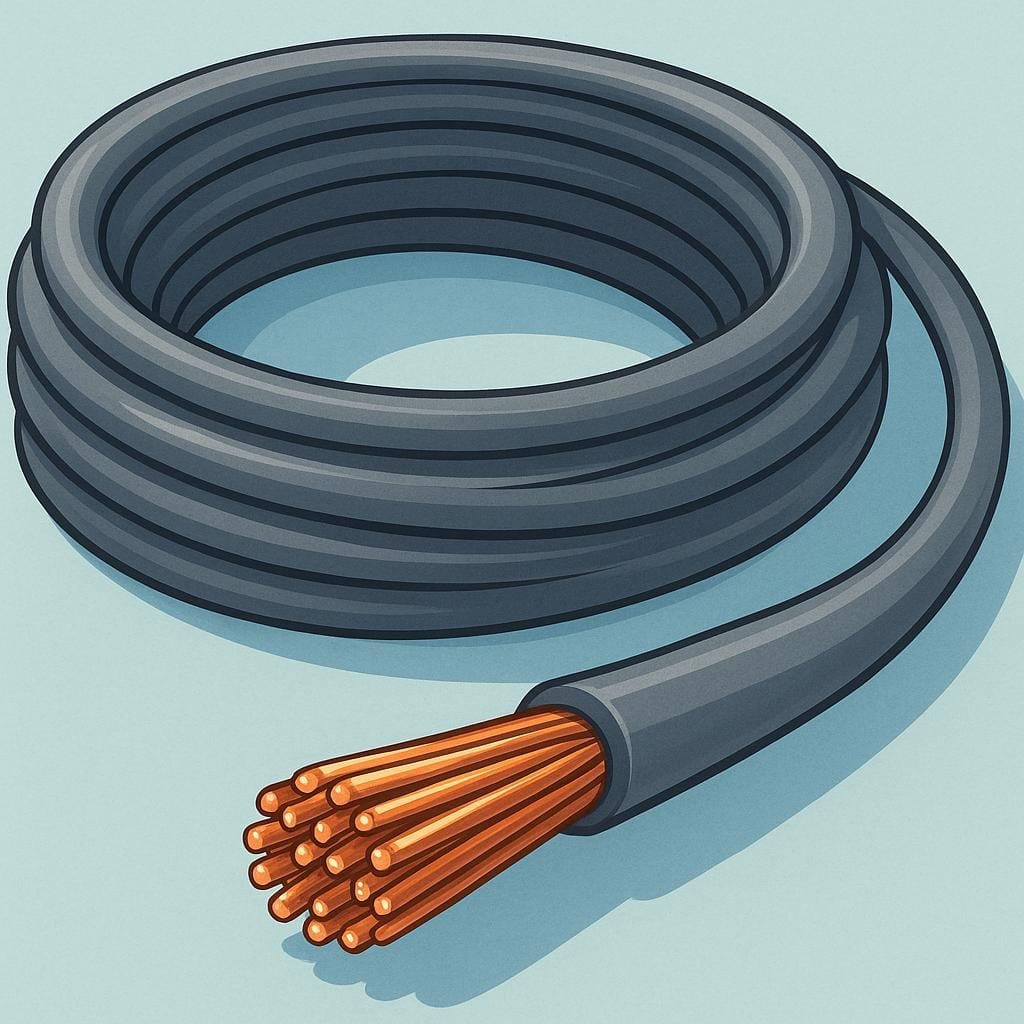
Examples
El perro mordió el cable del cargador y ahora no funciona.
The dog bit the charger cable and now it doesn't work.
Tuvieron que usar un cable de acero para levantar el coche.
They had to use a steel cable to lift the car.
Always Masculine
Remember that 'cable' is always a masculine noun, so use 'el cable' or 'un cable,' even though it refers to something inanimate.
Confusing 'cable' and 'cuerda'
Mistake: “Usar 'cuerda' para un cable eléctrico.”
Correction: 'Cuerda' is usually for rope or string. Use 'cable' for electrical or internet connections.
alambre
ah-LAHM-brehaˈlambɾe

Examples
Necesito un trozo de alambre para arreglar la cerca.
I need a piece of wire to fix the fence.
Ten cuidado con el alambre de púas.
Be careful with the barbed wire.
El escultor utiliza alambre de cobre para sus obras.
The sculptor uses copper wire for his works.
Alambre is Masculine
Even though it ends in 'e', it's always 'el alambre'. Remember: 'el alambre largo' (the long wire).
Counting Wire
Like 'water' or 'gold', we often treat alambre as a material. To count it, we say 'un trozo de alambre' (a piece of wire) or 'un metro de alambre' (a meter of wire).
Wire vs. Cable
Mistake: “Using 'alambre' for your phone charger.”
Correction: Use 'cable' for electricity or data, and 'alambre' for structural metal strands like in a fence.
hilo
EE-lohˈilo
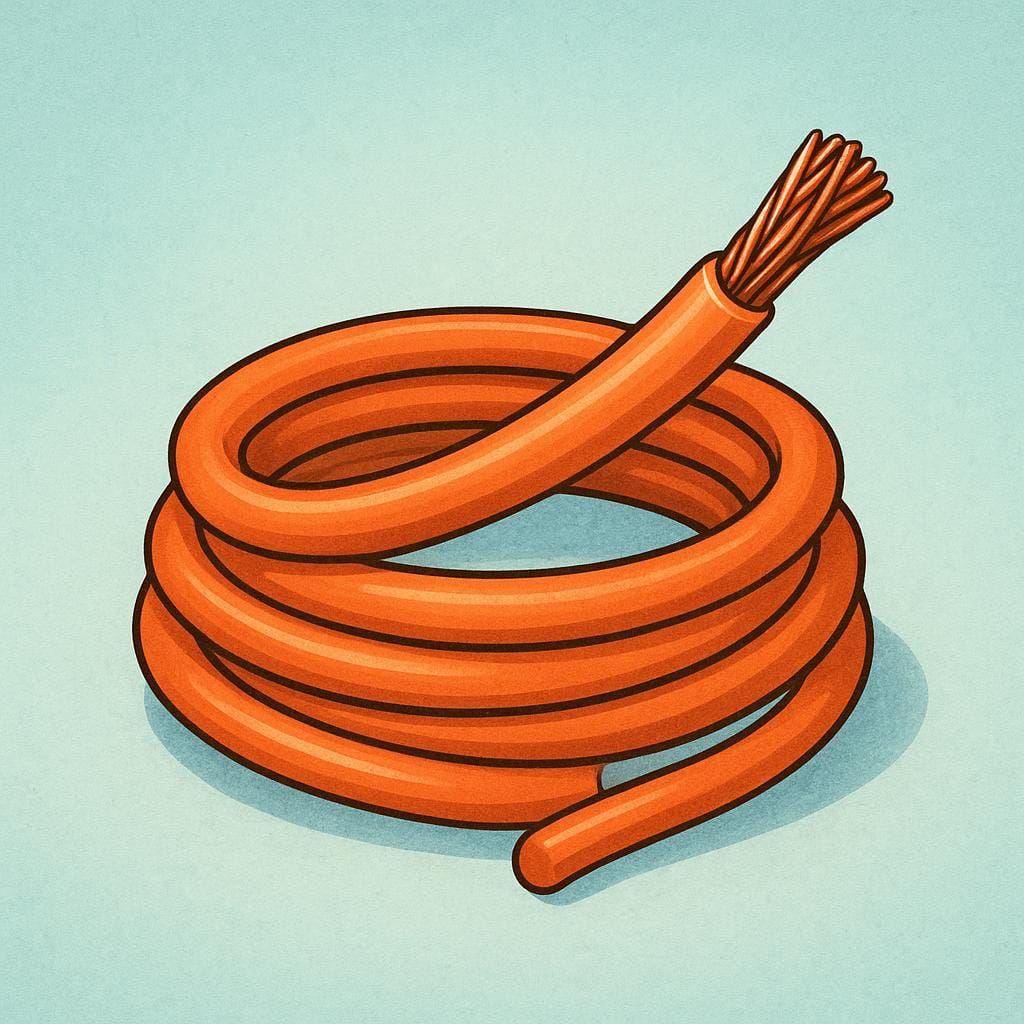
Examples
Hay que cambiar el hilo de la bombilla, está fundido.
We have to change the light bulb's filament, it's burned out.
El electricista cortó el hilo rojo para arreglar el circuito.
The electrician cut the red wire to fix the circuit.
Technical Usage
In technical fields, 'cable' is often used for thicker bundles of wires, while 'hilo' is used for a single, thinner strand.
cuerda
KWEHR-dahˈkweɾða
Examples
Necesito cambiar la sexta cuerda de mi guitarra.
I need to change the sixth string on my guitar.
El violín tiene cuatro cuerdas.
The violin has four strings.
String Section
Mistake: “Using 'sección de cuerdas' for the orchestra section.”
Correction: While understandable, the preferred term for the orchestra section is *la sección de violines* or *los instrumentos de cuerda*.
Distinguishing 'cable' and 'alambre'
Related Translations
Learn Spanish with Inklingo
Interactive stories, personalized learning, and more.