How to Say "cable" in Spanish
The most common Spanish word for “cable” is “cable” — use 'cable' when referring to a physical wire, such as for electricity, internet, or structural support.
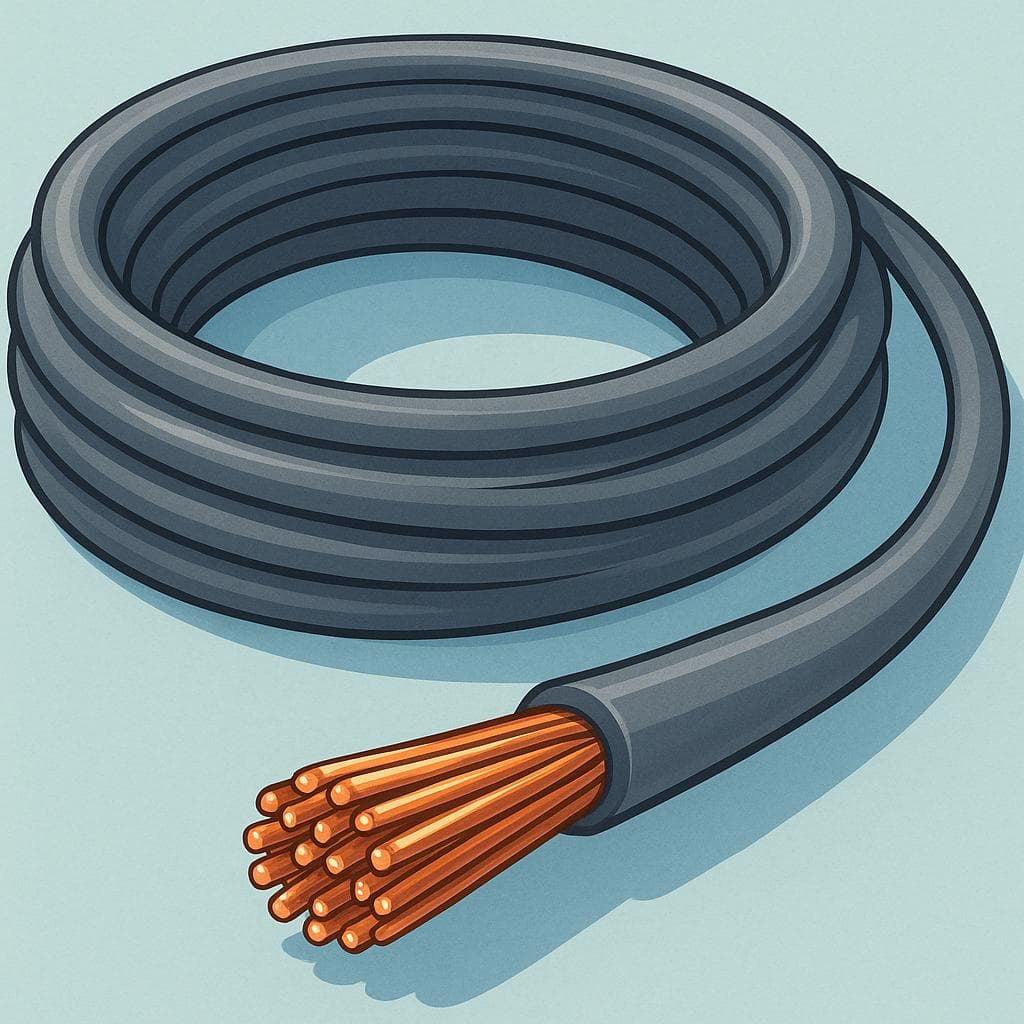

cable
kah-blehˈkaβle
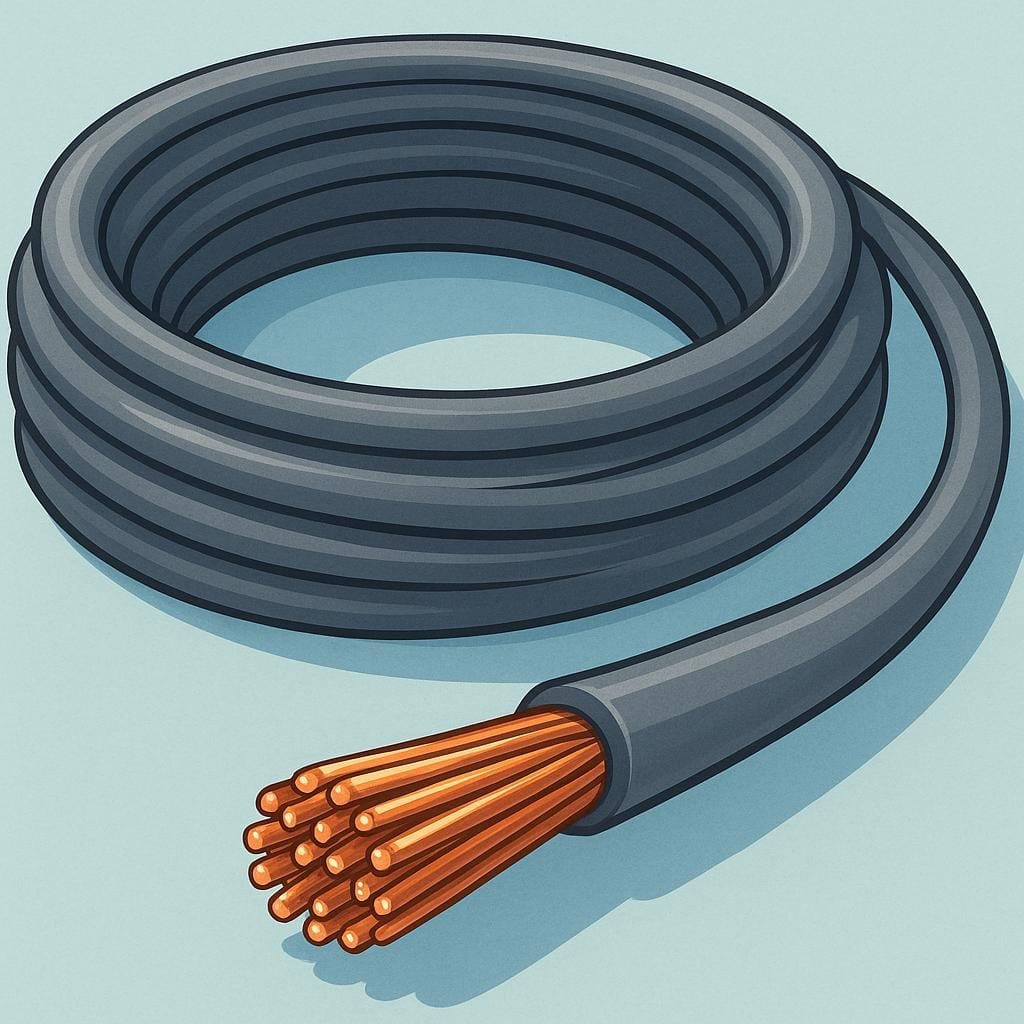
Examples
El cable de la lámpara está suelto.
The lamp's cable is loose.
El perro mordió el cable del cargador y ahora no funciona.
The dog bit the charger cable and now it doesn't work.
Tuvieron que usar un cable de acero para levantar el coche.
They had to use a steel cable to lift the car.
Always Masculine
Remember that 'cable' is always a masculine noun, so use 'el cable' or 'un cable,' even though it refers to something inanimate.
Confusing 'cable' and 'cuerda'
Mistake: “Usar 'cuerda' para un cable eléctrico.”
Correction: 'Cuerda' is usually for rope or string. Use 'cable' for electrical or internet connections.
telegrama
teh-leh-GRAH-mahteleˈɣɾama

Examples
La noticia llegó por telegrama.
The news arrived by telegram.
Recibimos un telegrama anunciando el nacimiento de nuestro nieto.
We received a telegram announcing the birth of our grandson.
El presidente envió un telegrama de felicitación al país vecino.
The president sent a congratulatory cable (telegram) to the neighboring country.
Antes, los mensajes urgentes se mandaban por telegrama.
Before, urgent messages were sent by telegram.
Masculine Noun Ending in -a
Even though 'telegrama' ends in -a, it is a masculine noun. This is common for words adopted from Greek that end in -ma, like 'el problema' (the problem) or 'el idioma' (the language).
Confusing Gender
Mistake: “La telegrama es urgente.”
Correction: El telegrama es urgente. Remember to use 'el' and masculine adjectives, even though the word looks feminine.
Confusing Wire with Message
Related Translations
Learn Spanish with Inklingo
Interactive stories, personalized learning, and more.