How to Say "queue" in Spanish
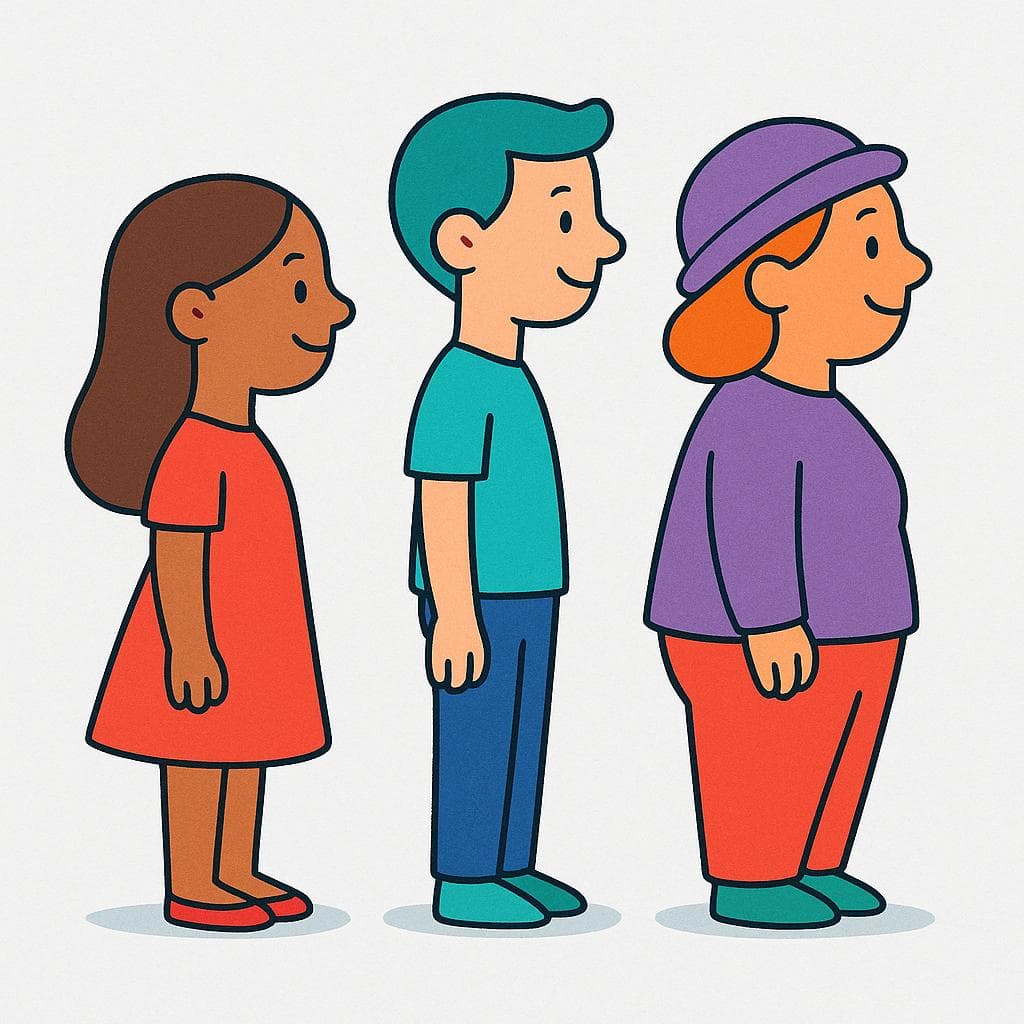
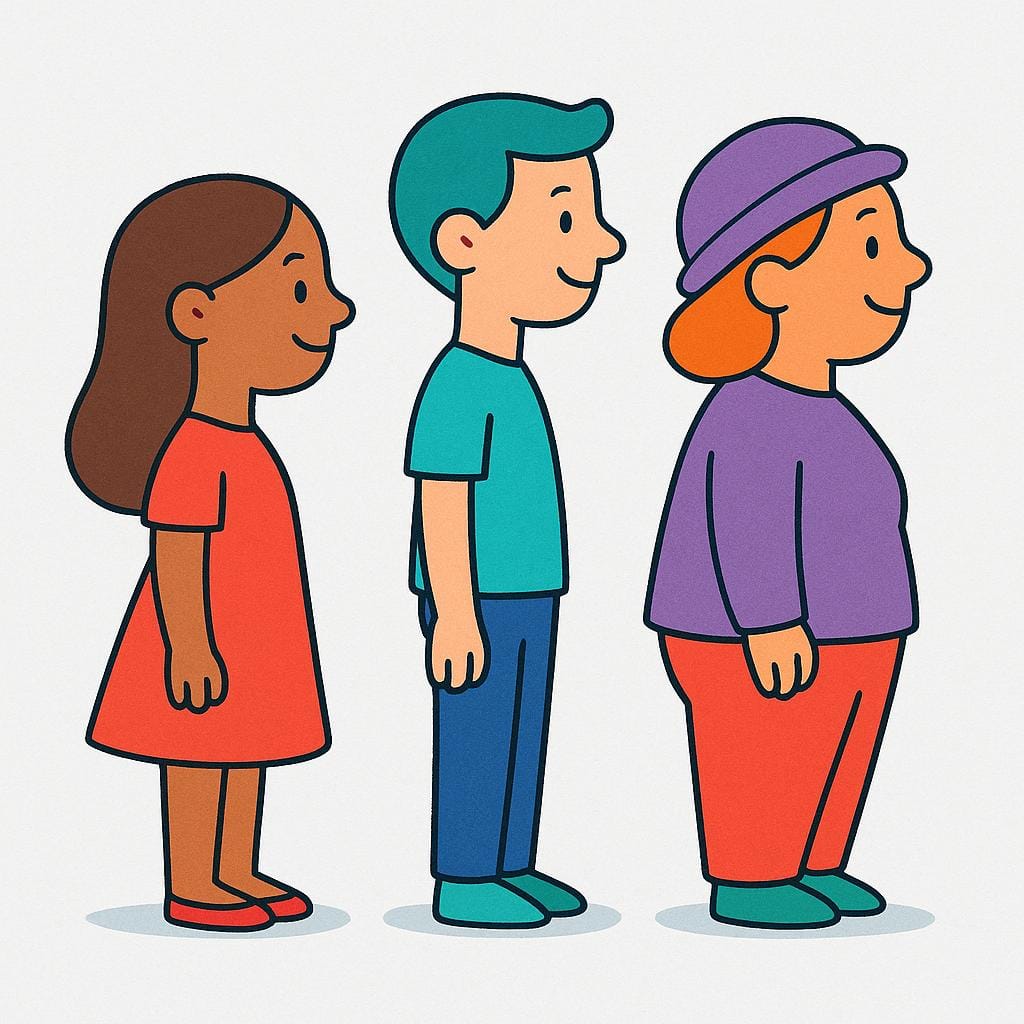
The most common Spanish word for “queue” is “cola” — use 'cola' when referring to a line of people waiting for something, such as in shops, at events, or for public transport. This is the most common and widely understood term.

cola
KOH-lahˈko.la
Examples
Había una cola enorme para comprar las entradas del concierto.
There was a huge line to buy the concert tickets.
No me gusta hacer cola en el supermercado.
I don't like waiting in line at the supermarket.
Hay una cola de tres kilómetros en la carretera.
There is a three-kilometer traffic jam on the highway.
Key Verb: Hacer
The most common way to say 'to wait in line' is using the verb 'hacer' (to do/make): 'hacer cola'.
fila
FEE-lahˈfi.la

Examples
Hay una fila muy larga para comprar entradas.
There is a very long line to buy tickets.
Por favor, pónganse en fila antes de entrar al museo.
Please, get in line before entering the museum.
Gender Check
Remember that 'fila' is a feminine noun, so you must use feminine articles and adjectives with it (e.g., 'la fila', 'una fila larga').
Confusing 'Fila' and 'Cola'
Mistake: “Using 'fila' in Spain where 'cola' (meaning tail/queue) is much more common.”
Correction: In Mexico, Central America, and the US, 'fila' is standard for a queue. In Spain, use 'cola' (hacer cola).
línea
Examples
Hay una línea muy larga para entrar al cine.
There's a very long line to get into the movie theater.
Cola vs. Fila/Línea
Learn Spanish with Inklingo
Interactive stories, personalized learning, and more.