How to Say "paste" in Spanish
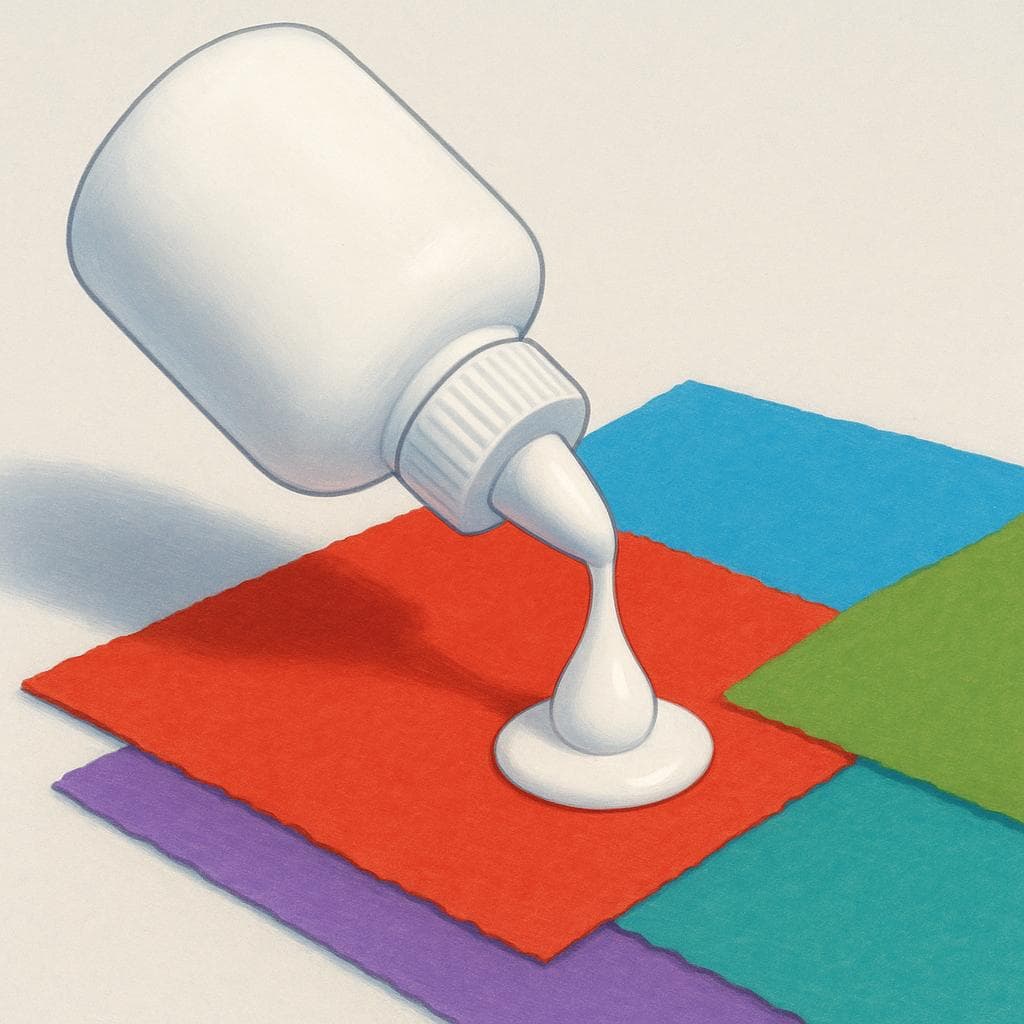
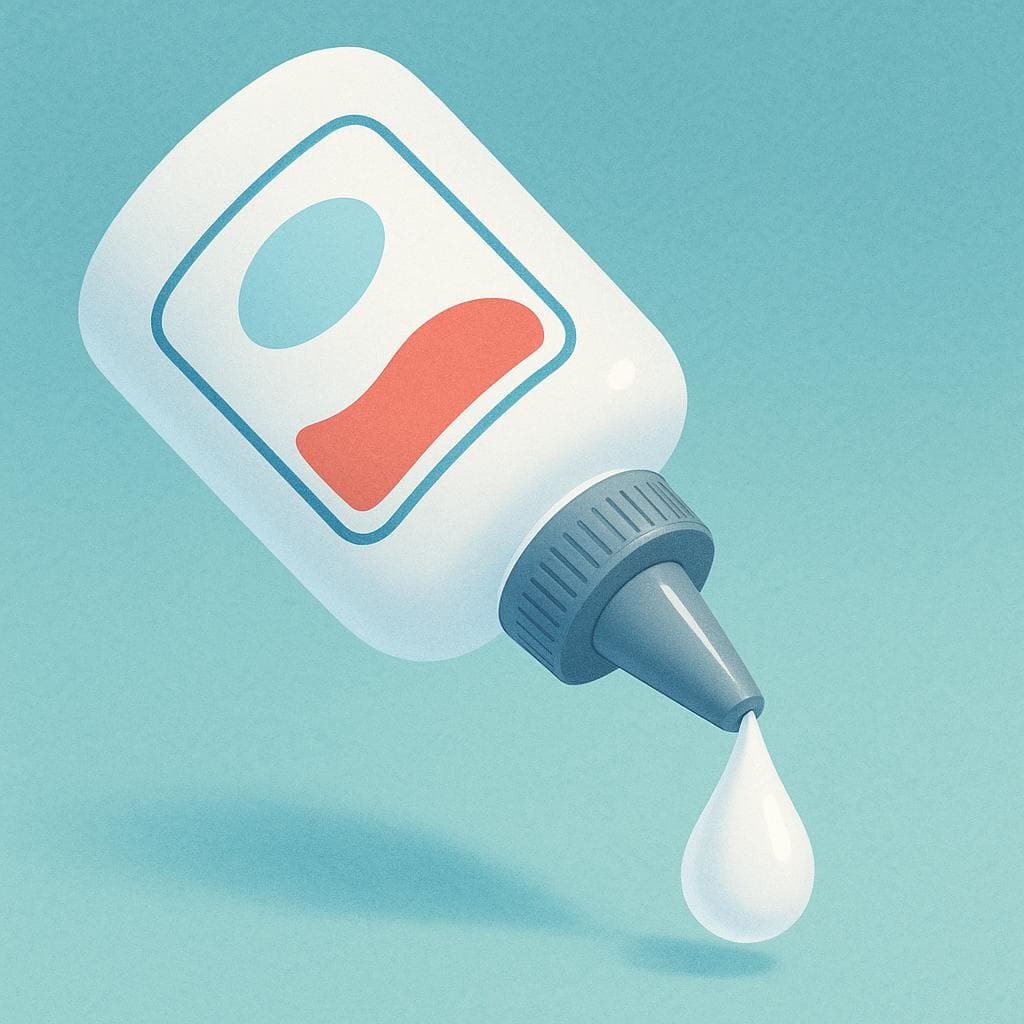
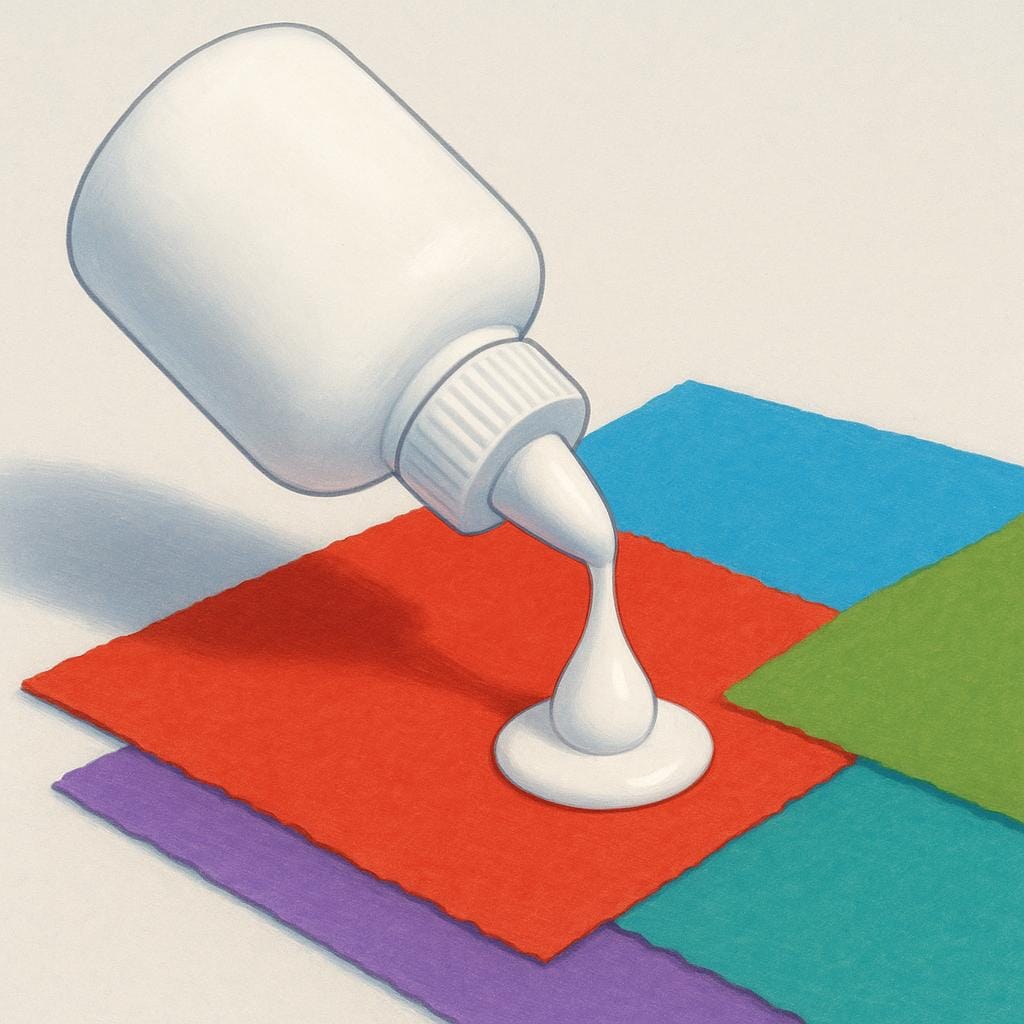
The most common Spanish word for “paste” is “cola” — use 'cola' when referring to a strong adhesive or glue, typically for paper, crafts, or even wood.
cola
KOH-lahˈko.la
Examples
Usa esta cola fuerte para fijar la madera rota.
Use this strong glue to fix the broken wood.
Compramos un bote grande de cola blanca para el proyecto escolar.
We bought a large jar of white glue for the school project.
Confusing Nouns
Mistake: “Using 'pegamento' when referring specifically to certain types of liquid glue common in crafts (where 'cola' is often preferred).”
Correction: While 'pegamento' is always correct for 'glue,' 'cola' is very common for standard white glue or woodworking adhesive.
pega
PEH-gahˈpe.ɣa
Examples
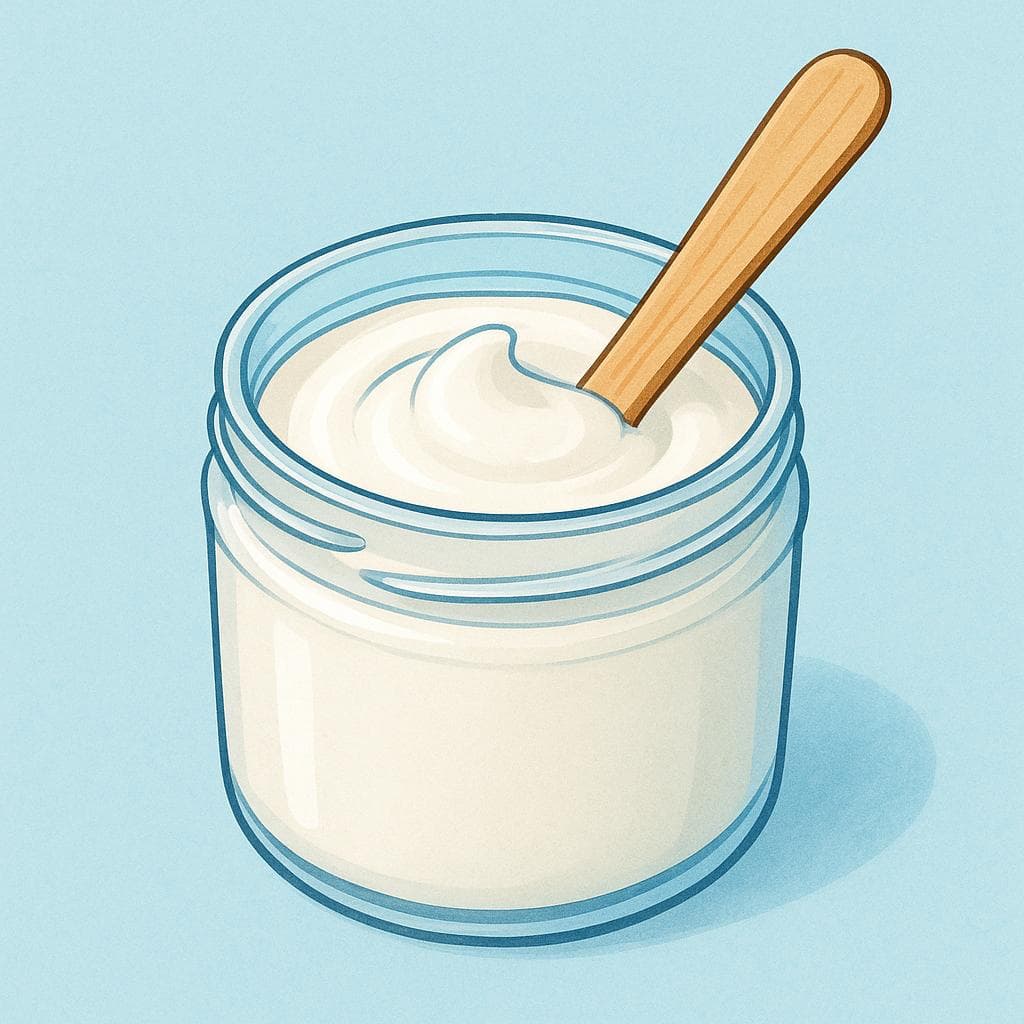
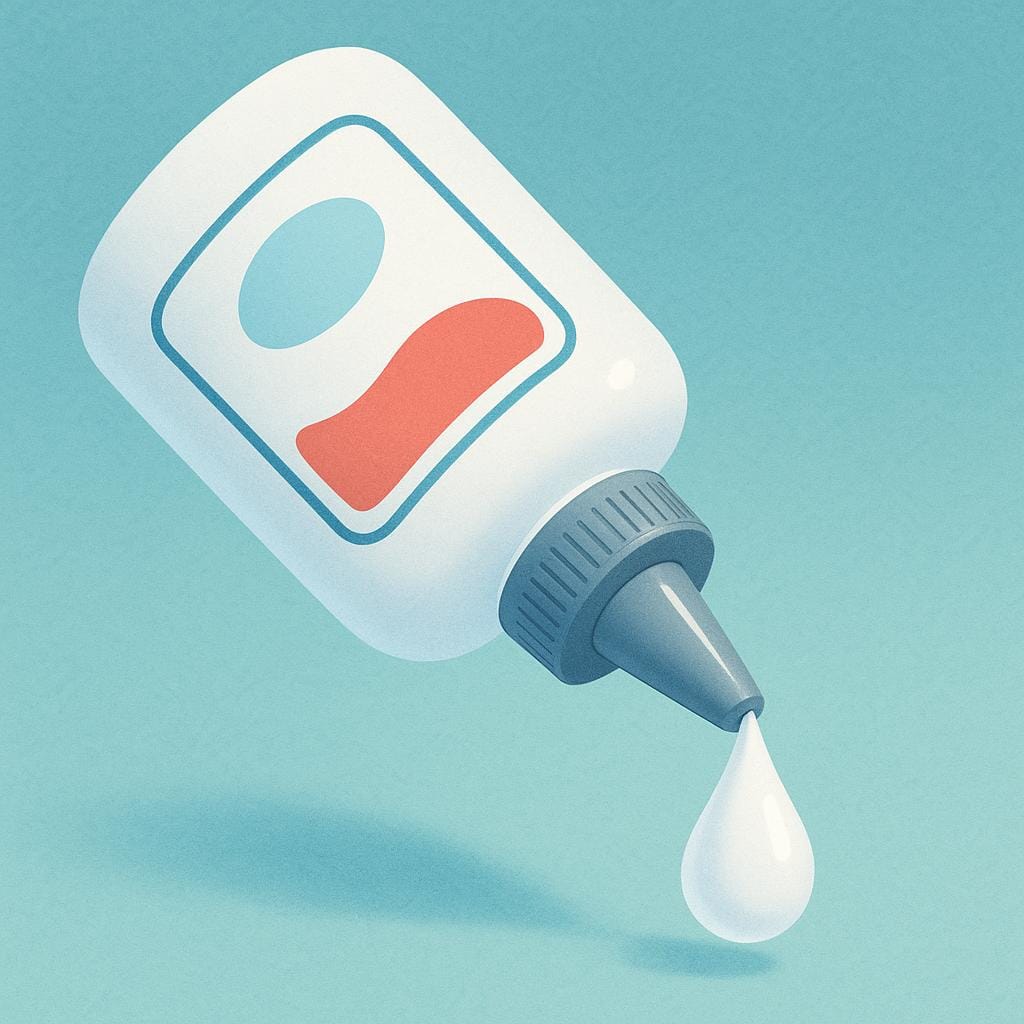
Se me rompió la taza, ¿tienes un poco de pega?
My mug broke, do you have some glue?
Esta pega es muy fuerte y seca rápido.
This adhesive is very strong and dries quickly.
Feminine Noun
Remember that 'pega' is feminine, so you always use 'la pega' or 'una pega'.
pasta
PAHS-tahˈpas.ta
Examples
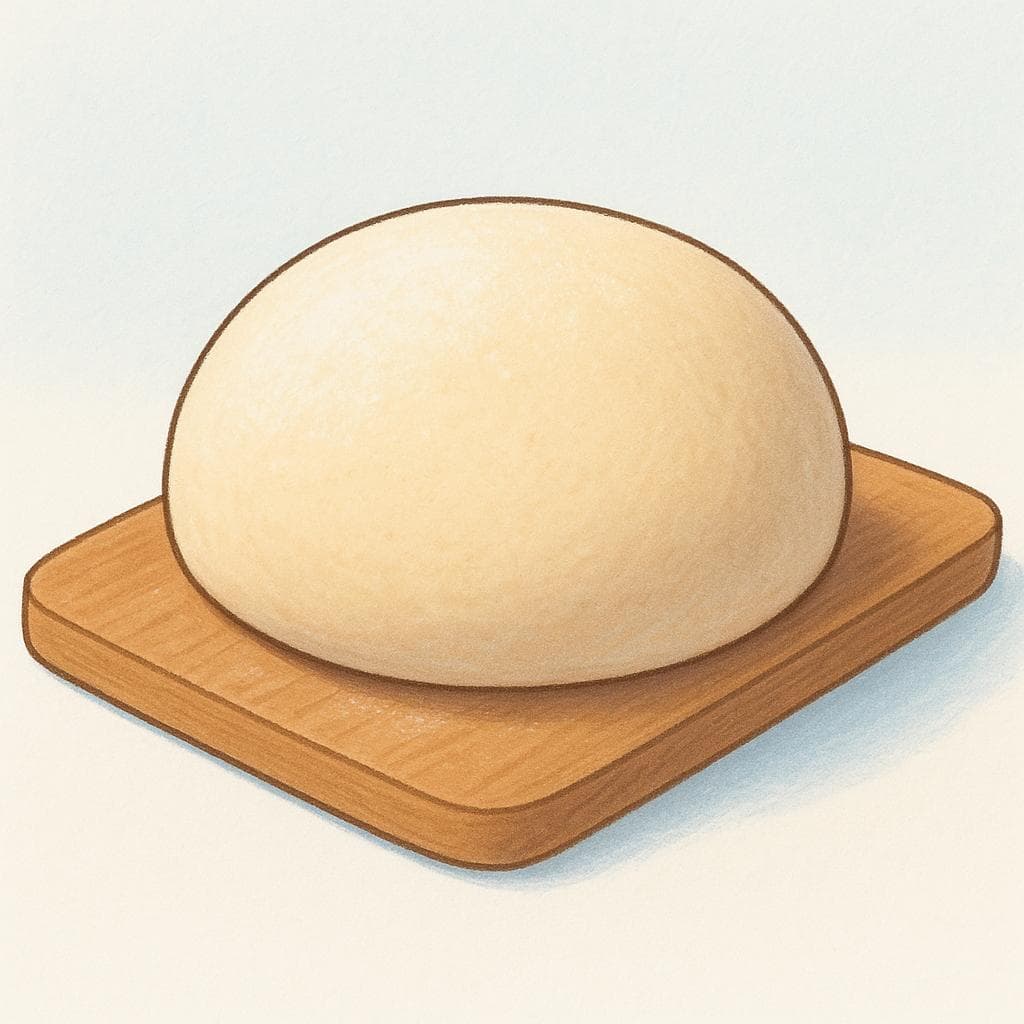
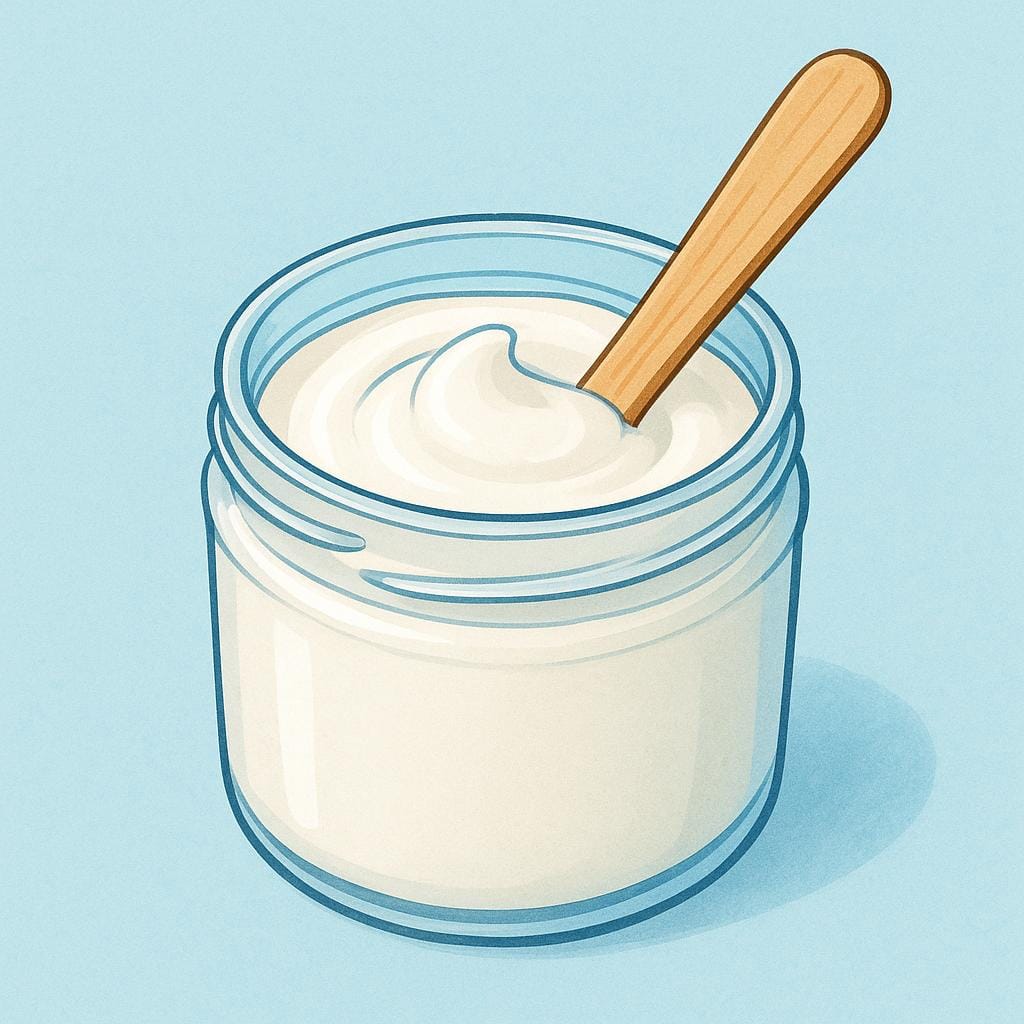
La receta dice que hay que amasar la pasta por diez minutos.
The recipe says that you have to knead the dough for ten minutes.
Usa esta pasta de dientes para cepillarte.
Use this toothpaste to brush your teeth.
Context is Key
When talking about baking, 'pasta' is often interchangeable with 'masa' (dough), but 'pasta' is more common for thick, non-food pastes like glue or toothpaste.
masa
MAH-sahˈma.sa
Examples
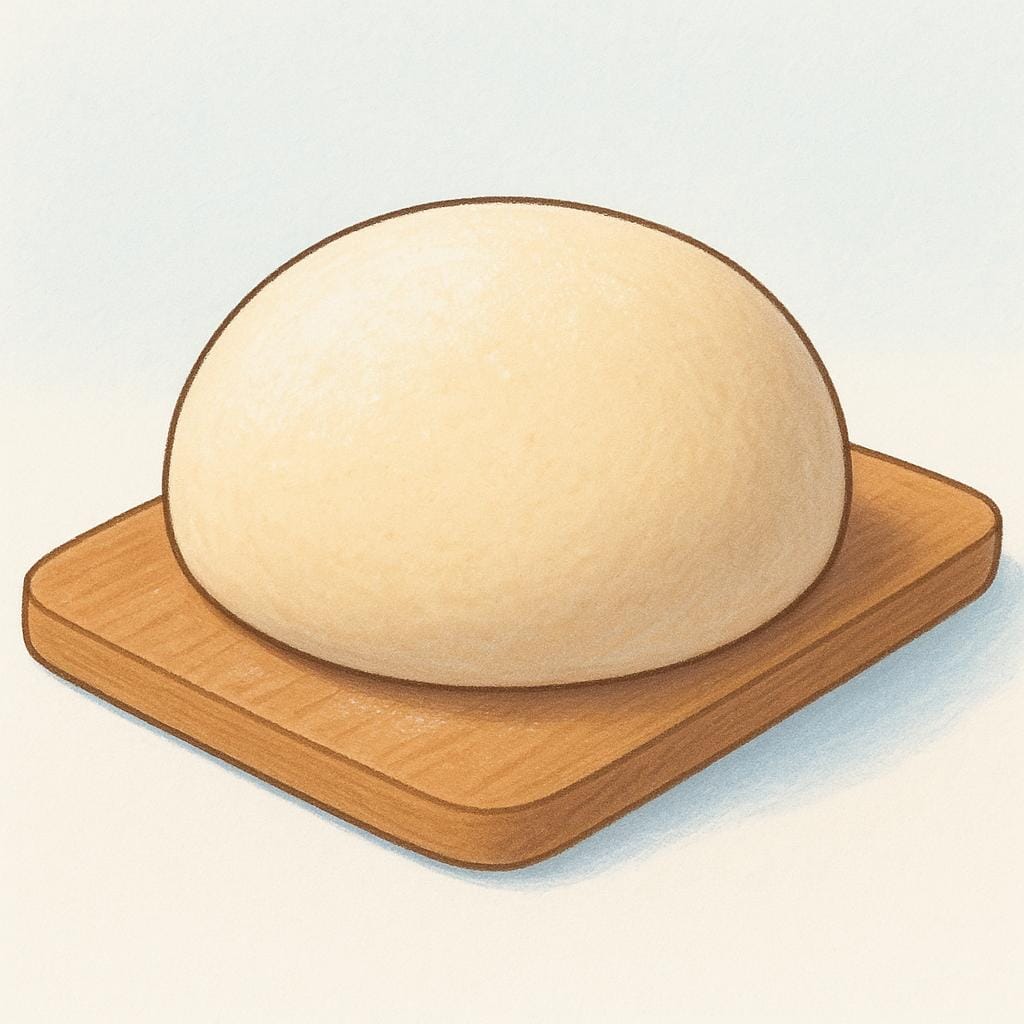
Necesito amasar la masa del pan por diez minutos.
I need to knead the bread dough for ten minutes.
Esta masa de galletas lleva mucha mantequilla.
This cookie dough has a lot of butter in it.
La masa para los panqueques debe ser líquida.
The batter for the pancakes should be liquid.
Always Feminine
Remember that 'masa' is always feminine, so you must use 'la masa' or 'una masa', even though it refers to a substance, not a specific female person or thing.
Adhesive vs. Dough
Learn Spanish with Inklingo
Interactive stories, personalized learning, and more.