masa
“masa” means “dough” in Spanish. It has 3 different meanings depending on context:
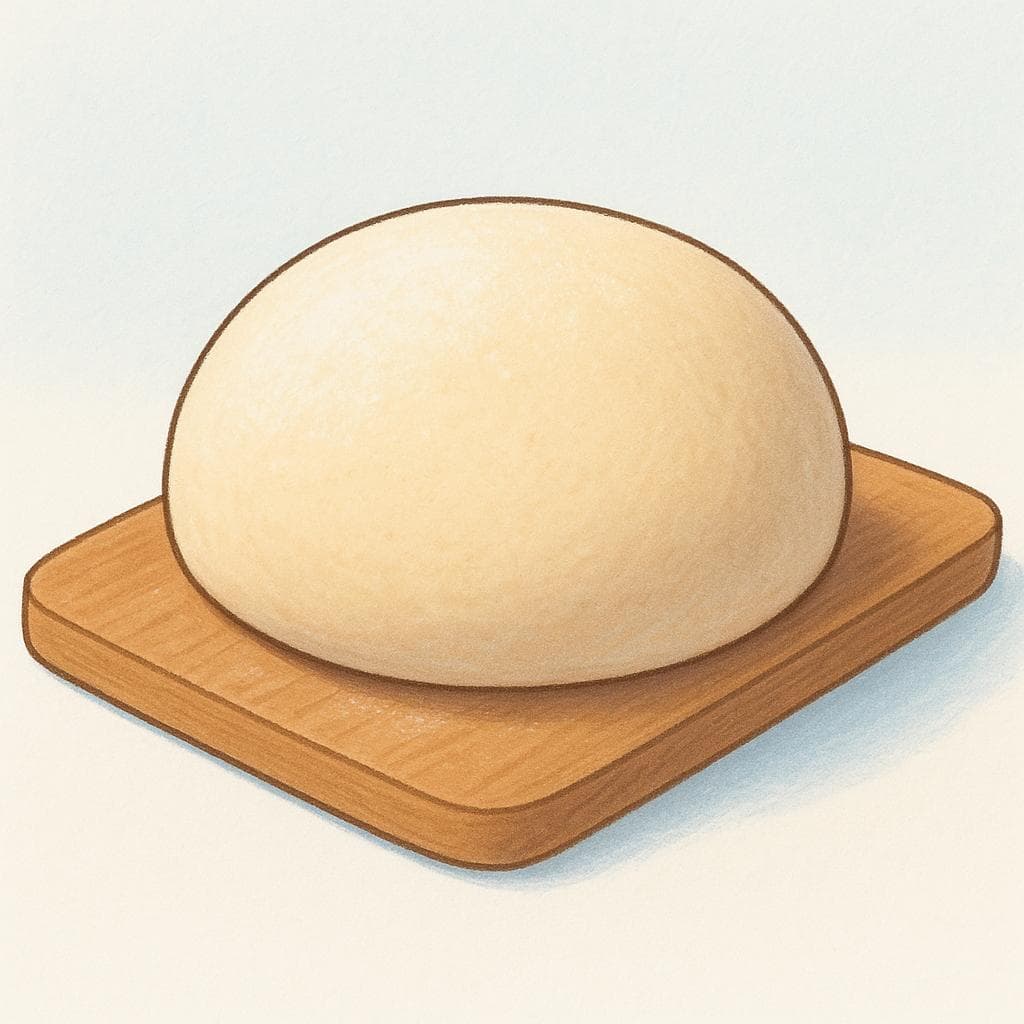


dough, batterAlso: paste, mixture
📝 In Action
Necesito amasar la masa del pan por diez minutos.
A1I need to knead the bread dough for ten minutes.
Esta masa de galletas lleva mucha mantequilla.
A2This cookie dough has a lot of butter in it.
La masa para los panqueques debe ser líquida.
A2The batter for the pancakes should be liquid.
Word Connections
massAlso: bulk, body

📝 In Action
La masa de un objeto no cambia, sin importar dónde se encuentre.
B1The mass of an object does not change, regardless of where it is located.
Hay una gran masa de hielo flotando en el océano.
B2There is a large mass of ice floating in the ocean.
Word Connections
the massesAlso: crowd, populace

📝 In Action
La televisión tiene una gran influencia sobre la masa.
B2Television has a great influence over the masses (the public).
Se formó una masa de manifestantes frente al edificio del gobierno.
C1A crowd of protestors formed in front of the government building.
Word Connections
Translate to Spanish
✏️ Quick Practice
Quick Quiz: masa
Question 1 of 1
Which sentence uses 'masa' in its physical/scientific sense?
📚 More Resources
👥 Word Family
📚 Etymology
The word 'masa' comes directly from the Latin word *massa*, which meant 'lump,' 'dough,' or 'heap.' This origin explains all the modern meanings, from the lump of bread dough to the massive lump of physical material, and finally, the metaphorical lump of people (the masses).
First recorded: 13th century
Cognates (Related words)
💡 Master Spanish
Take your Spanish to the next level. Read 200+ illustrated and narrated Spanish stories tailored to your level with the Inklingo app!
Frequently Asked Questions
Is 'masa' the same as 'peso' (weight)?
Not exactly. While they are related, 'masa' refers to the amount of material in an object, which never changes. 'Peso' refers to how heavy that object feels due to gravity, which can change depending on where you are (e.g., on the moon, your 'masa' is the same, but your 'peso' is much lower).
How do I say 'dough' in Spanish if it's not for bread?
If you are talking about the dough for baking (cookies, cakes, pizza), 'masa' is correct. If you mean something like 'play-doh' or a thick paste, you might use 'pasta' or 'plastilina' (for play-doh).