pega
“pega” means “glue” in Spanish. It has 4 different meanings depending on context:
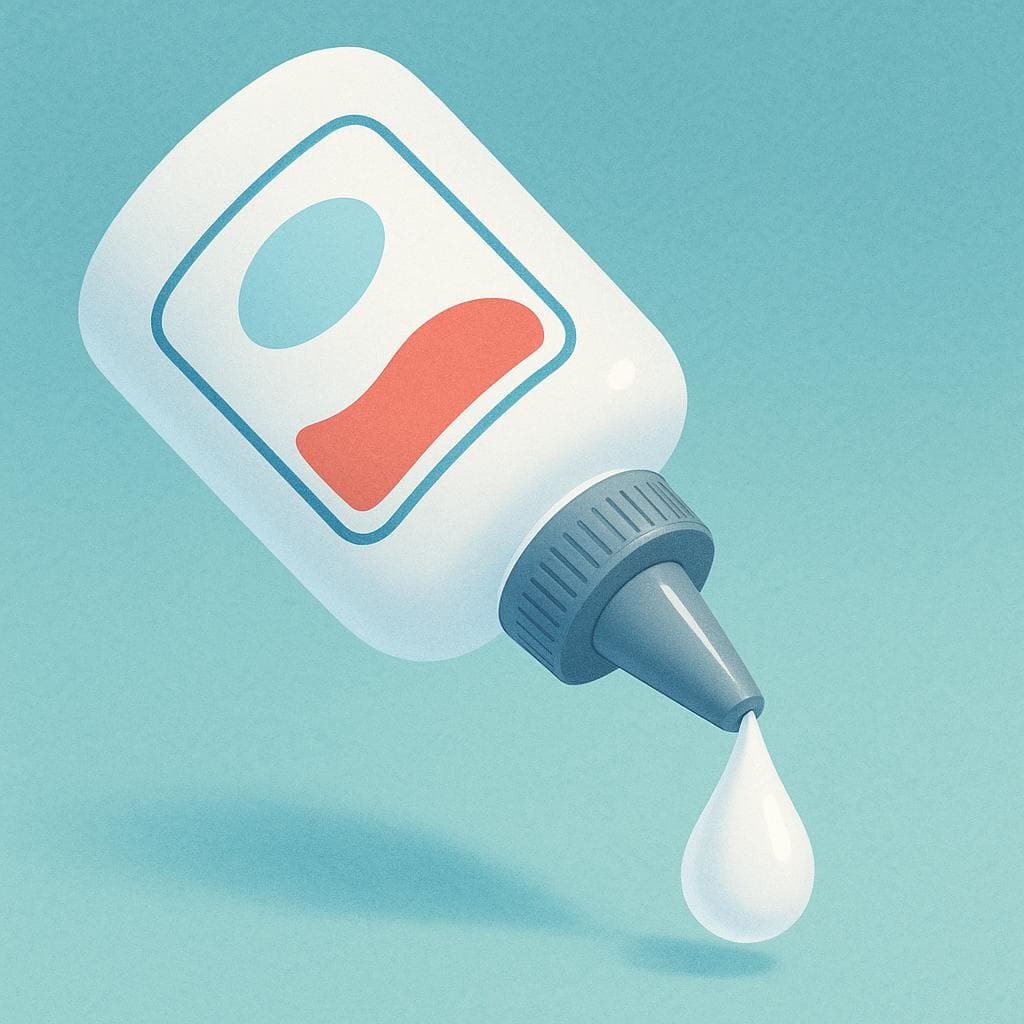


glueAlso: paste, adhesive

📝 In Action
Se me rompió la taza, ¿tienes un poco de pega?
A2My mug broke, do you have some glue?
Esta pega es muy fuerte y seca rápido.
B1This adhesive is very strong and dries quickly.
Word Connections
drawbackAlso: hitch, snag
📝 In Action
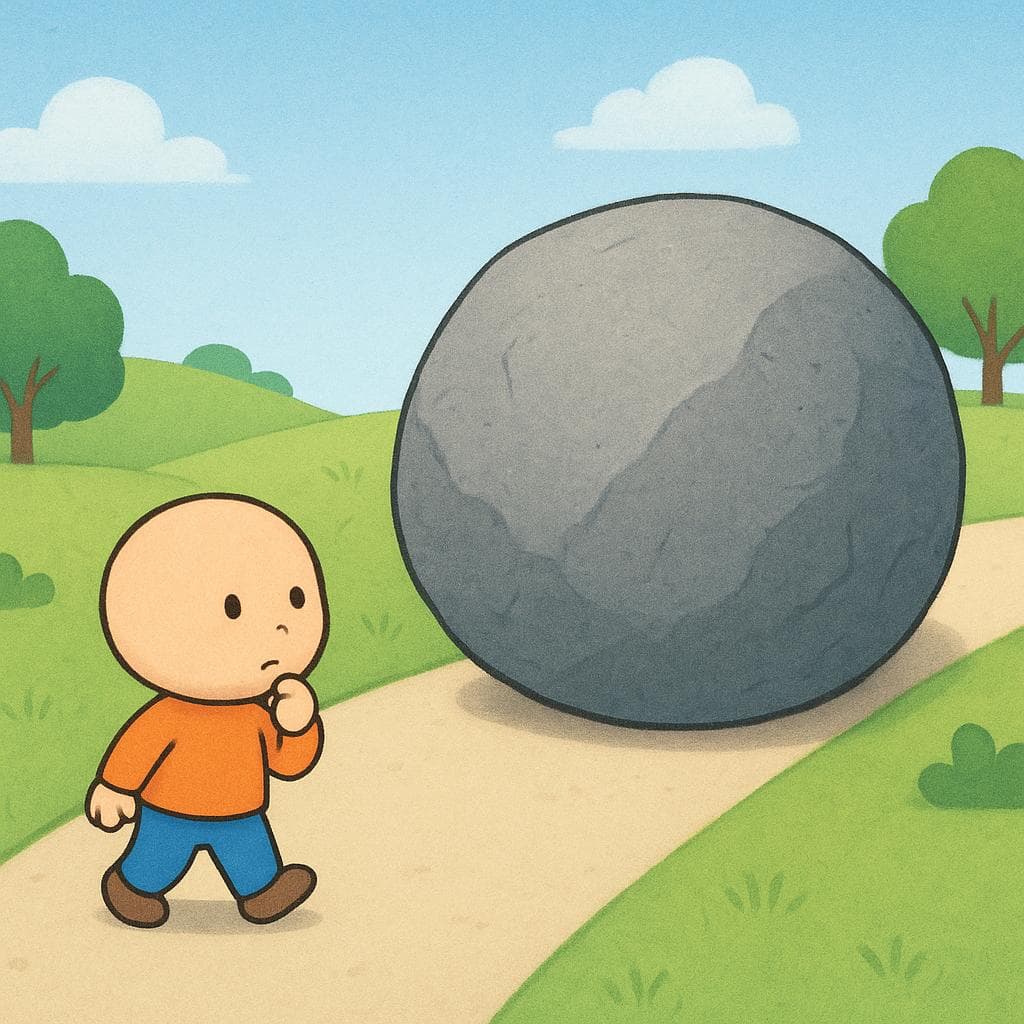
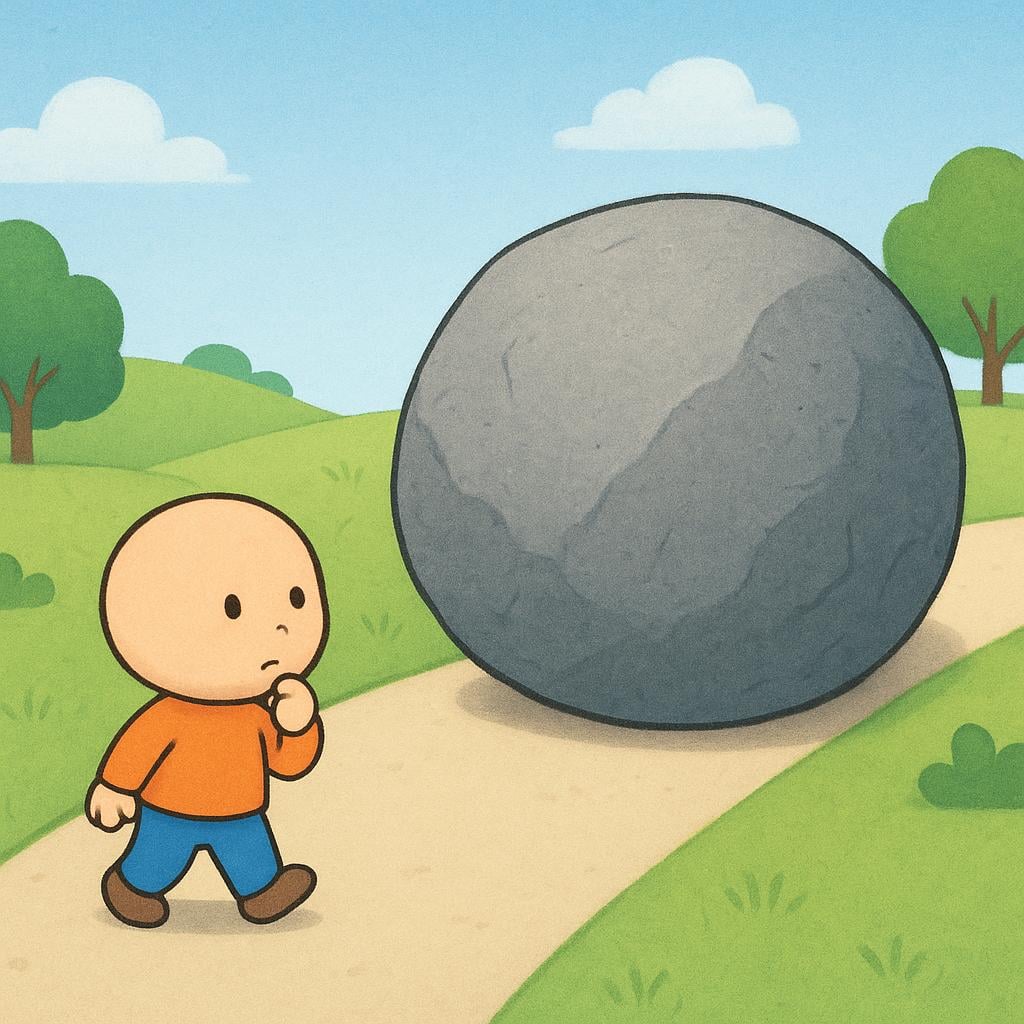
La única pega de este trabajo es el horario nocturno.
B1The only drawback of this job is the night schedule.
Si no fuera por esa pega, lo compraría ahora mismo.
B2If it weren't for that hitch, I would buy it right now.
Word Connections
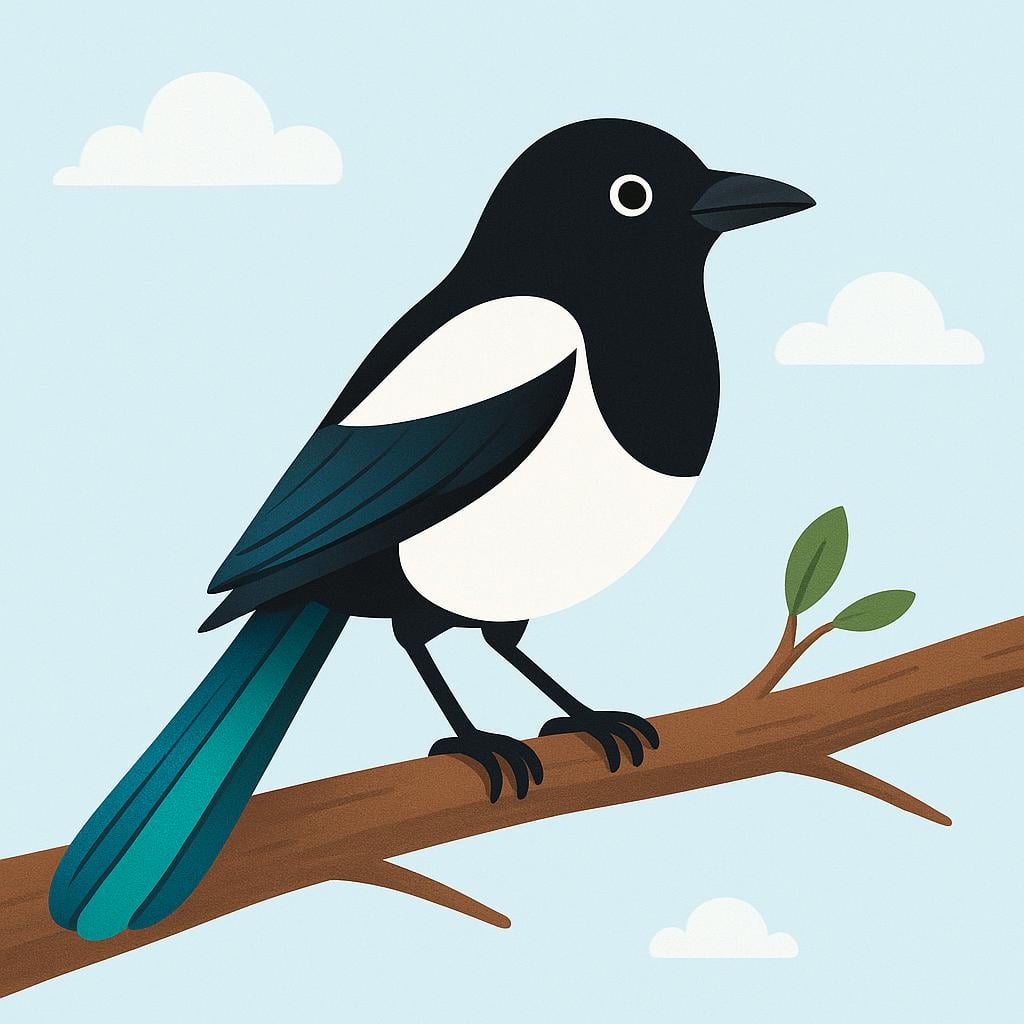
magpie
📝 In Action
La pega es conocida por ser muy inteligente y ruidosa.
B2The magpie is known for being very intelligent and noisy.
Cuidado, a las pegas les gusta robar objetos brillantes.
C1Be careful, magpies like to steal shiny objects.
Word Connections
he/she/it sticks, he/she/it hitsAlso: stick! (formal), hit! (formal)

📝 In Action
Mi hermano siempre pega chicles debajo de la mesa.
A1My brother always sticks gum under the table.
El sol pega muy fuerte al mediodía.
A2The sun hits very strongly at noon.
Siéntese y pega el sello a la carta, por favor (Usted).
A2Sit down and stick the stamp on the letter, please (Formal You).
Word Connections
Indicative
Present
Imperfect
Preterite
Subjunctive
Present Subjunctive
Imperfect Subjunctive
Translate to Spanish
✏️ Quick Practice
Quick Quiz: pega
Question 1 of 2
Which sentence uses 'pega' as a noun meaning 'drawback'?
📚 More Resources
👥 Word Family
📚 Etymology
The word 'pega' (glue/drawback) is a back-formation from the verb 'pegar,' which came from Vulgar Latin *picāre*, meaning 'to pierce' or 'to fix,' linking the idea of sticking things together. The meaning 'drawback' likely evolved from the idea of something 'sticking' or getting in the way.
First recorded: 15th century (as the verb form)
Cognates (Related words)
💡 Master Spanish
Take your Spanish to the next level. Read 200+ illustrated and narrated Spanish stories tailored to your level with the Inklingo app!
Frequently Asked Questions
Is 'pega' the same as 'pegamento'?
'Pega' and 'pegamento' both mean 'glue' or 'adhesive.' 'Pegamento' is the standard word used everywhere, while 'pega' is a very common, slightly more informal synonym, especially in Spain and parts of the Caribbean.
Why does 'pega' sometimes mean 'drawback'?
This informal meaning, common in Spain, comes from the idea of something 'sticking' or 'catching' and getting in the way of a smooth process. It describes a small problem or difficulty that adheres to a situation.