How to Say "cement" in Spanish
The most common Spanish word for “cement” is “cemento” — use 'cemento' when referring to the grey powder or mixture used in construction and concrete.
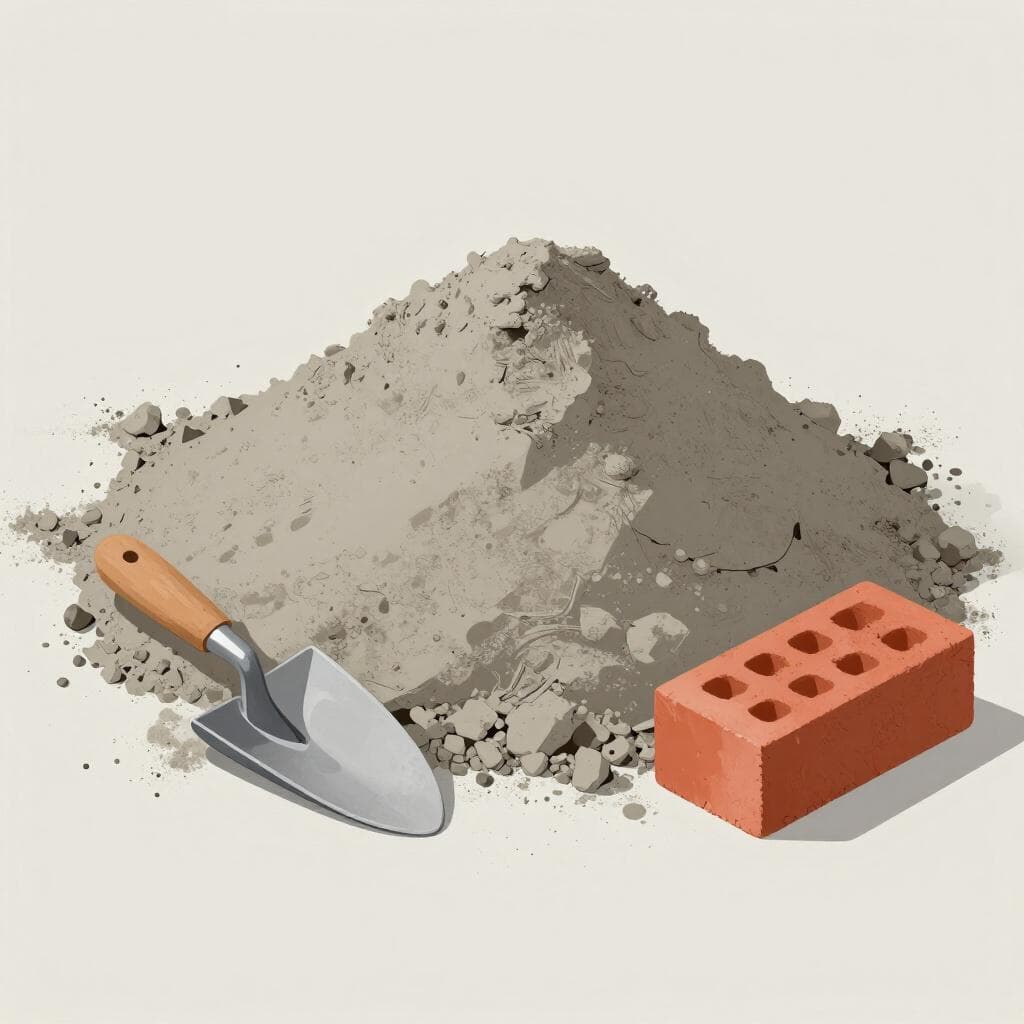

cemento
seh-MEHN-tohseˈmento
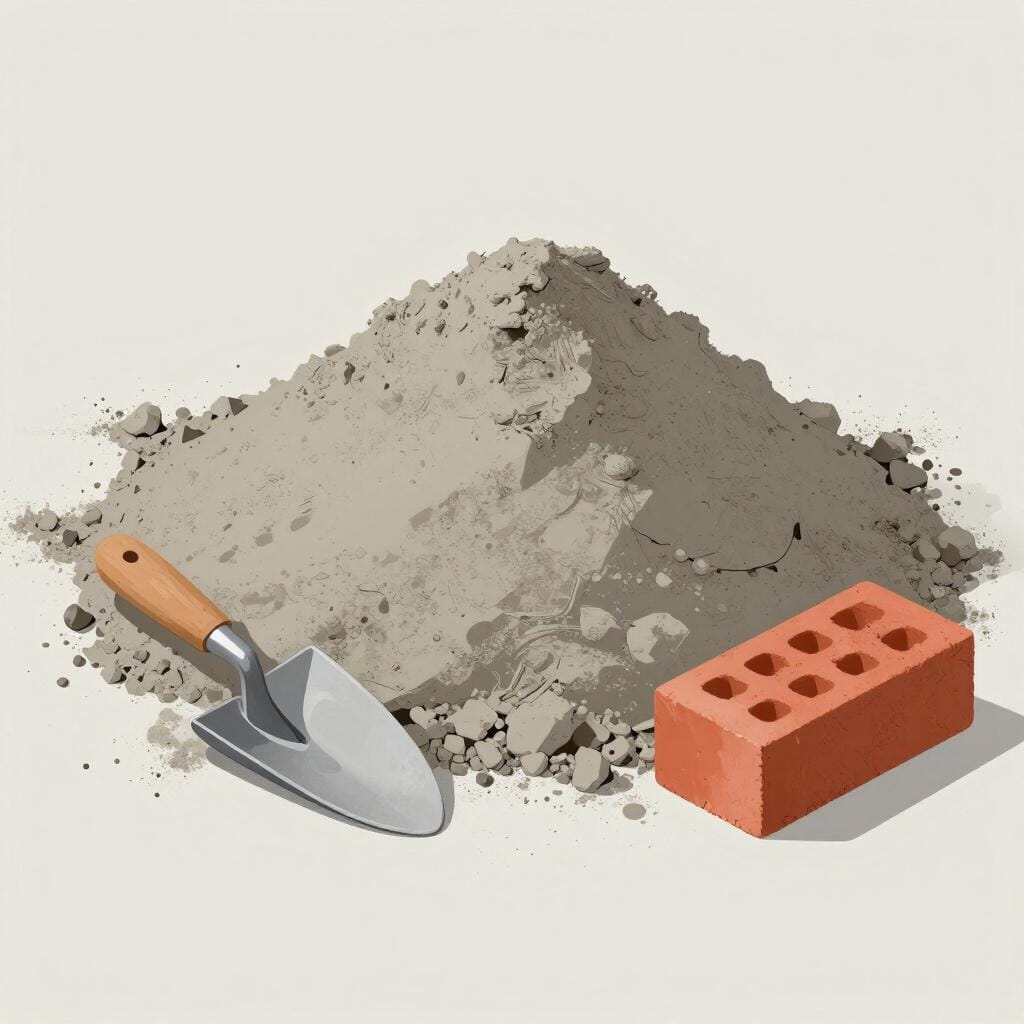
Examples
El suelo de la cochera es de cemento gris.
The garage floor is made of grey cement.
Mezcla el cemento con un poco de agua y arena.
Mix the cement with a bit of water and sand.
Los trabajadores están vertiendo el cemento para la nueva acera.
The workers are pouring the cement for the new sidewalk.
Using 'el' with Cemento
This word is masculine, so always use 'el' or 'un'. For example: 'El cemento está seco'.
Stuff you can't count
Like 'water' or 'sugar,' you don't usually say 'cements' in the plural. Use 'sacos' (bags) or 'kilos' if you need to talk about quantity.
Cemento vs. Concreto
Mistake: “Using 'concreto' in Spain to mean building material.”
Correction: In Spain, use 'hormigón' for the hard building material and 'cemento' for the powder. In many parts of Latin America, 'concreto' is common.
cola
KOH-lahˈko.la

Examples
Usa esta cola fuerte para fijar la madera rota.
Use this strong glue to fix the broken wood.
Compramos un bote grande de cola blanca para el proyecto escolar.
We bought a large jar of white glue for the school project.
Confusing Nouns
Mistake: “Using 'pegamento' when referring specifically to certain types of liquid glue common in crafts (where 'cola' is often preferred).”
Correction: While 'pegamento' is always correct for 'glue,' 'cola' is very common for standard white glue or woodworking adhesive.
Confusing building material with adhesive
Learn Spanish with Inklingo
Interactive stories, personalized learning, and more.