How to Say "concrete" in Spanish
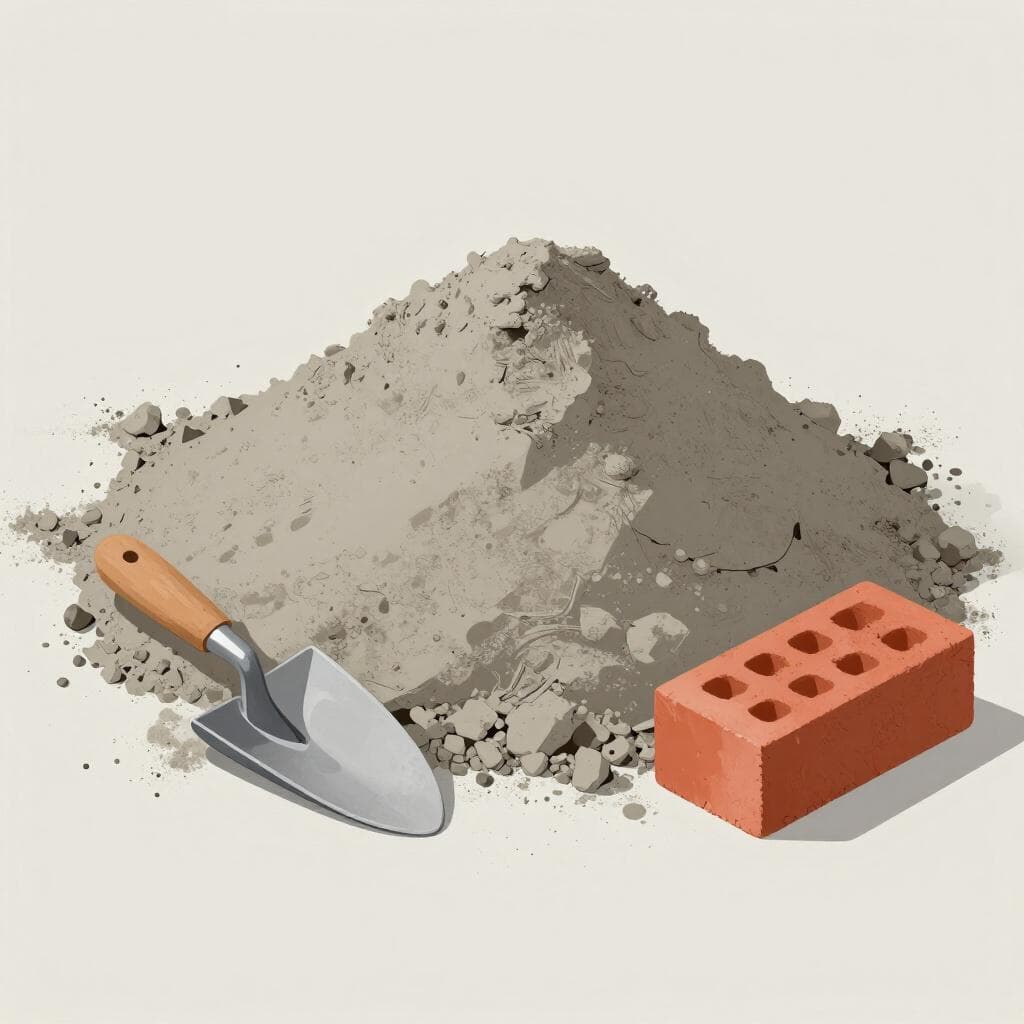
The most common Spanish word for “concrete” is “concreto” — use 'concreto' when referring to the actual heavy, gray building material made from cement, water, and aggregate.

concreto
kon-KREH-tohkoŋˈkɾeto

Examples
La casa tiene paredes de concreto.
The house has concrete walls.
Necesito una respuesta concreta para mañana.
I need a specific answer by tomorrow.
No tenemos planes concretos para las vacaciones todavía.
We don't have definite plans for the holidays yet.
En este caso concreto, las reglas son diferentes.
In this particular case, the rules are different.
Matching the Noun
Since this is an adjective, it must match the gender of what it describes. Use 'concreto' for masculine things (un plan concreto) and 'concreta' for feminine things (una idea concreta).
Placement Matters
Usually, you place 'concreto' after the noun you are describing to sound natural in Spanish.
Singular vs. Plural
When talking about the material in general, keep it singular. You only use the plural 'concretos' if you are referring to different types of concrete mixtures.
Using it for building material in Spain
Mistake: “Using 'concreto' for cement in Madrid.”
Correction: While understood, people in Spain almost always say 'hormigón' for the building material. 'Concreto' is mostly for 'specific' there.
Concrete vs. Cement
Mistake: “Using 'concreto' and 'cemento' as the exact same thing.”
Correction: Just like in English, 'cemento' is the powder, and 'concreto' is the finished hard material.
concreto
kon-KREH-tohkoŋˈkɾeto
Examples
Necesito una respuesta concreta para mañana.
I need a specific answer by tomorrow.
No tenemos planes concretos para las vacaciones todavía.
We don't have definite plans for the holidays yet.
En este caso concreto, las reglas son diferentes.
In this particular case, the rules are different.
La casa tiene paredes de concreto.
The house has concrete walls.
Matching the Noun
Since this is an adjective, it must match the gender of what it describes. Use 'concreto' for masculine things (un plan concreto) and 'concreta' for feminine things (una idea concreta).
Placement Matters
Usually, you place 'concreto' after the noun you are describing to sound natural in Spanish.
Singular vs. Plural
When talking about the material in general, keep it singular. You only use the plural 'concretos' if you are referring to different types of concrete mixtures.
Using it for building material in Spain
Mistake: “Using 'concreto' for cement in Madrid.”
Correction: While understood, people in Spain almost always say 'hormigón' for the building material. 'Concreto' is mostly for 'specific' there.
Concrete vs. Cement
Mistake: “Using 'concreto' and 'cemento' as the exact same thing.”
Correction: Just like in English, 'cemento' is the powder, and 'concreto' is the finished hard material.
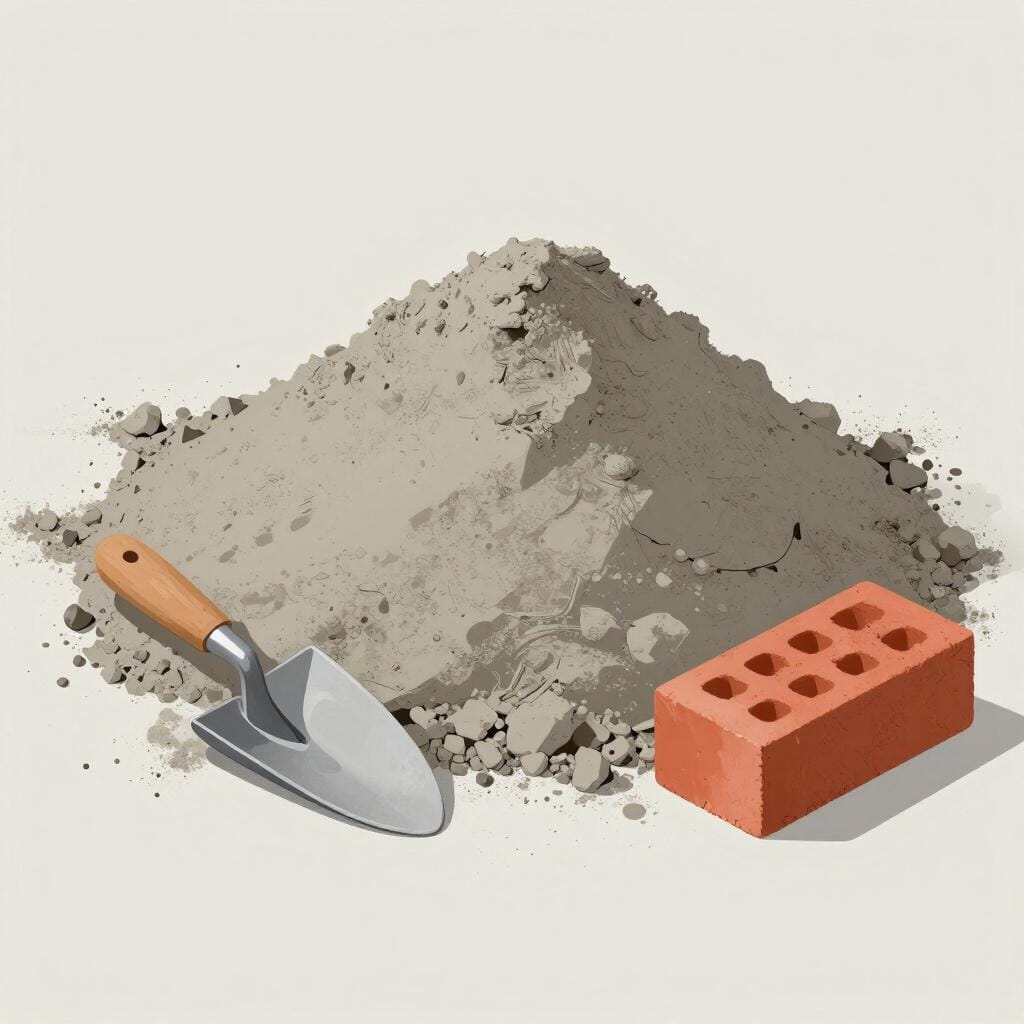
cemento
seh-MEHN-tohseˈmento
Examples
El suelo de la cochera es de cemento gris.
The garage floor is made of grey cement.
Mezcla el cemento con un poco de agua y arena.
Mix the cement with a bit of water and sand.
Los trabajadores están vertiendo el cemento para la nueva acera.
The workers are pouring the cement for the new sidewalk.
Using 'el' with Cemento
This word is masculine, so always use 'el' or 'un'. For example: 'El cemento está seco'.
Stuff you can't count
Like 'water' or 'sugar,' you don't usually say 'cements' in the plural. Use 'sacos' (bags) or 'kilos' if you need to talk about quantity.
Cemento vs. Concreto
Mistake: “Using 'concreto' in Spain to mean building material.”
Correction: In Spain, use 'hormigón' for the hard building material and 'cemento' for the powder. In many parts of Latin America, 'concreto' is common.
Material vs. Specificity
Learn Spanish with Inklingo
Interactive stories, personalized learning, and more.