concreto
“concreto” means “specific” in Spanish. It has 2 different meanings depending on context:

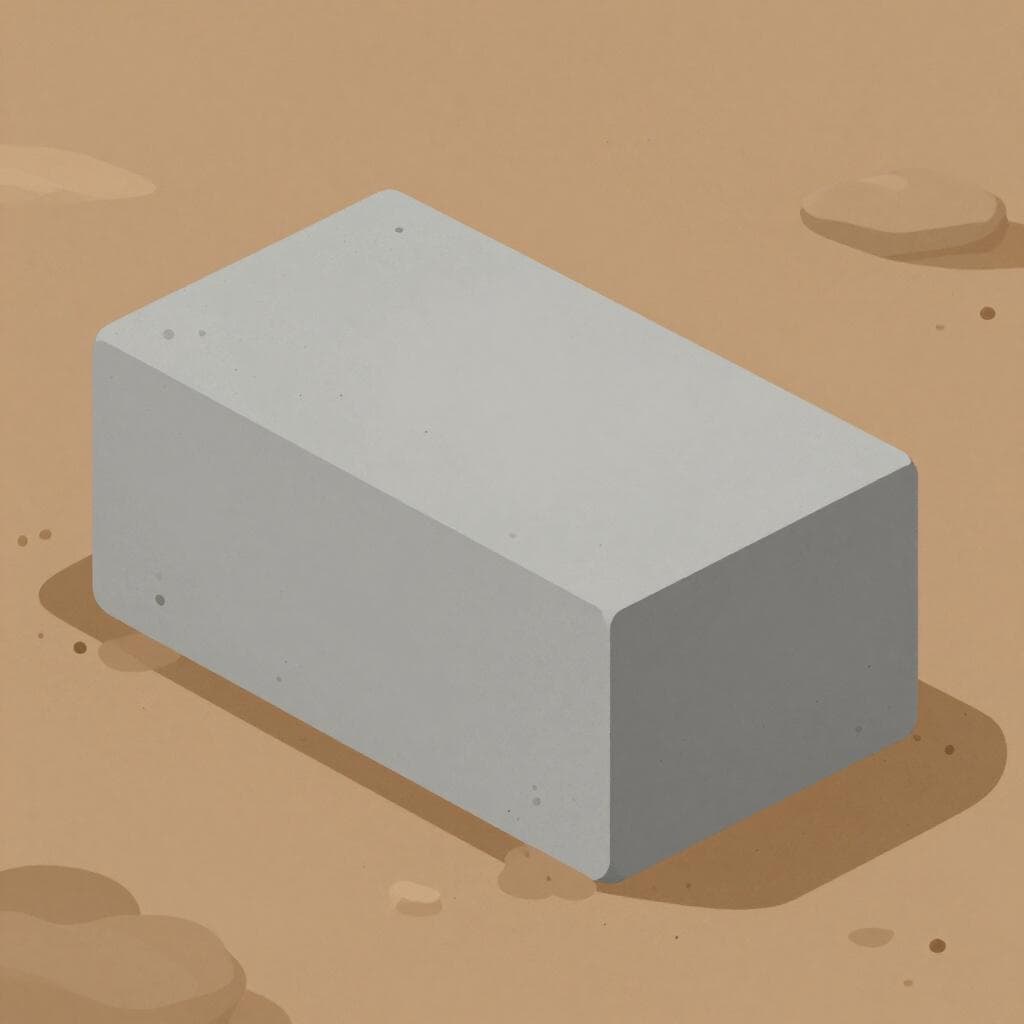
specific
Also: definite, concrete
📝 In Action
Necesito una respuesta concreta para mañana.
A2I need a specific answer by tomorrow.
No tenemos planes concretos para las vacaciones todavía.
B1We don't have definite plans for the holidays yet.
En este caso concreto, las reglas son diferentes.
B1In this particular case, the rules are different.
concrete
Also: pavement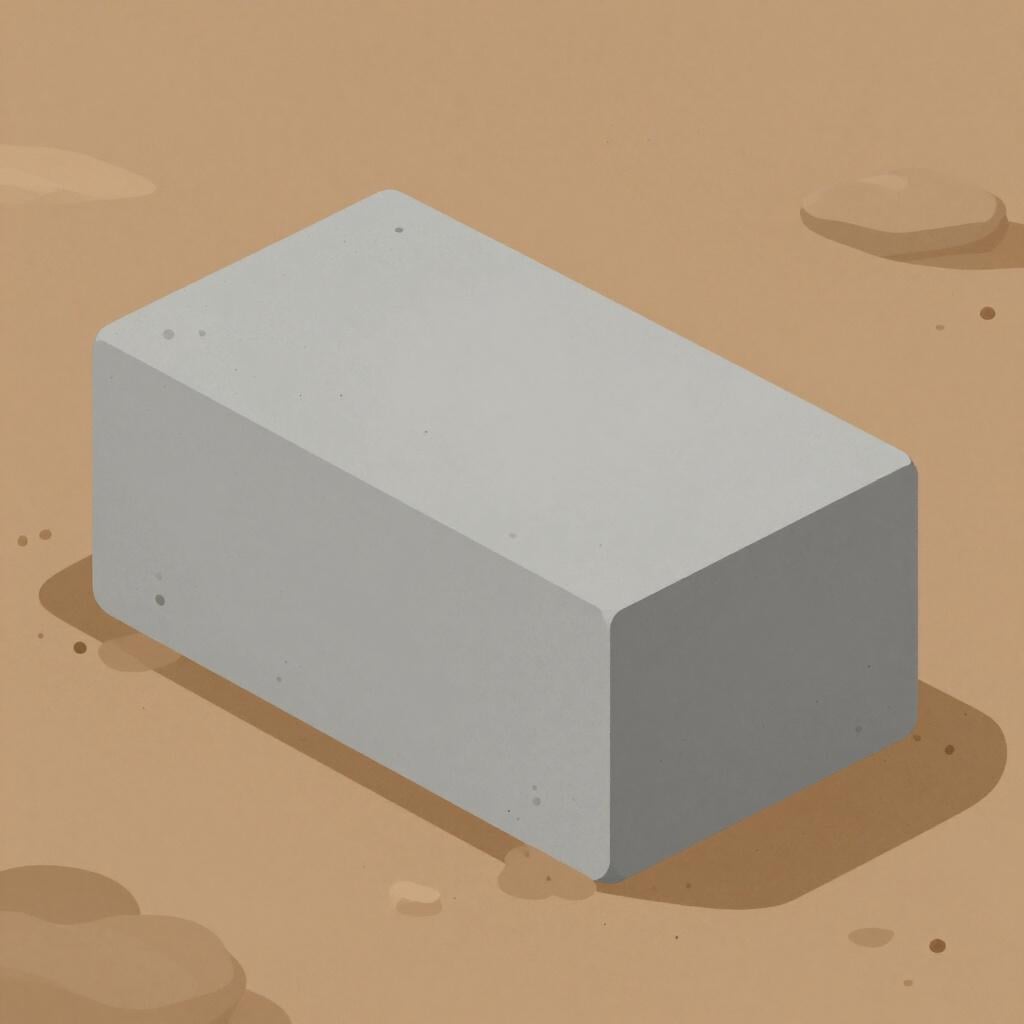
📝 In Action
La casa tiene paredes de concreto.
A2The house has concrete walls.
El concreto se seca muy rápido bajo el sol.
B1The concrete dries very quickly under the sun.
Vaciaron el concreto para la nueva banqueta.
B2They poured the concrete for the new sidewalk.
Translate to Spanish
✏️ Quick Practice
Quick Quiz: concreto
Question 1 of 3
How do you say 'I need a specific plan'?
📚 More Resources
👥 Word Family▼
📚 Etymology▼
From the Latin word 'concretus', which means 'grown together' or 'hardened.' This is why it describes both physical hardened material and ideas that have become solid and specific.
First recorded: 15th century
Cognates (Related words)
💡 Master Spanish
Take your Spanish to the next level. Read 200+ illustrated and narrated Spanish stories tailored to your level with the Inklingo app!
Frequently Asked Questions
Is 'concreto' masculine or feminine?
As a noun (the material), it is always masculine ('el concreto'). As an adjective (specific), it changes to match the noun ('el dato concreto' vs 'la fecha concreta').
Can I use 'concreto' to mean 'cement'?
Technically no. Cement (cemento) is the ingredient, and concrete (concreto) is the mixture. However, in casual conversation, some people use them interchangeably.
Is it 'concreto' or 'específico'?
They are often interchangeable. 'Concreto' is slightly more common when you want someone to stop being vague and give you a solid answer.