arruga
“arruga” means “wrinkle” in Spanish. It has 2 different meanings depending on context:

wrinkle
Also: line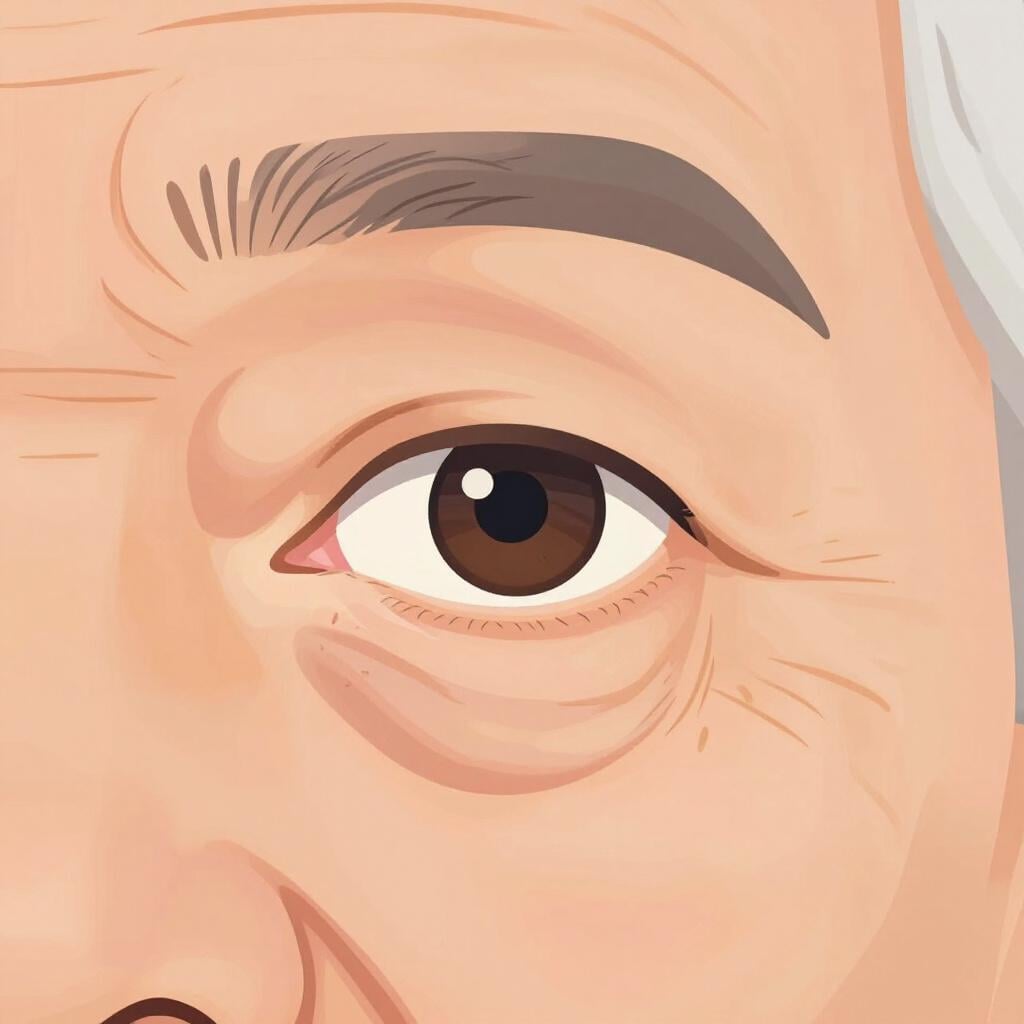
📝 In Action
Mi abuela tiene arrugas muy bonitas alrededor de los ojos.
A1My grandmother has very beautiful wrinkles around her eyes.
Esta crema ayuda a reducir las arrugas de expresión.
B1This cream helps to reduce expression lines.
Aparecen arrugas en la piel con el paso del tiempo.
A2Wrinkles appear on the skin with the passing of time.
crease
Also: wrinkle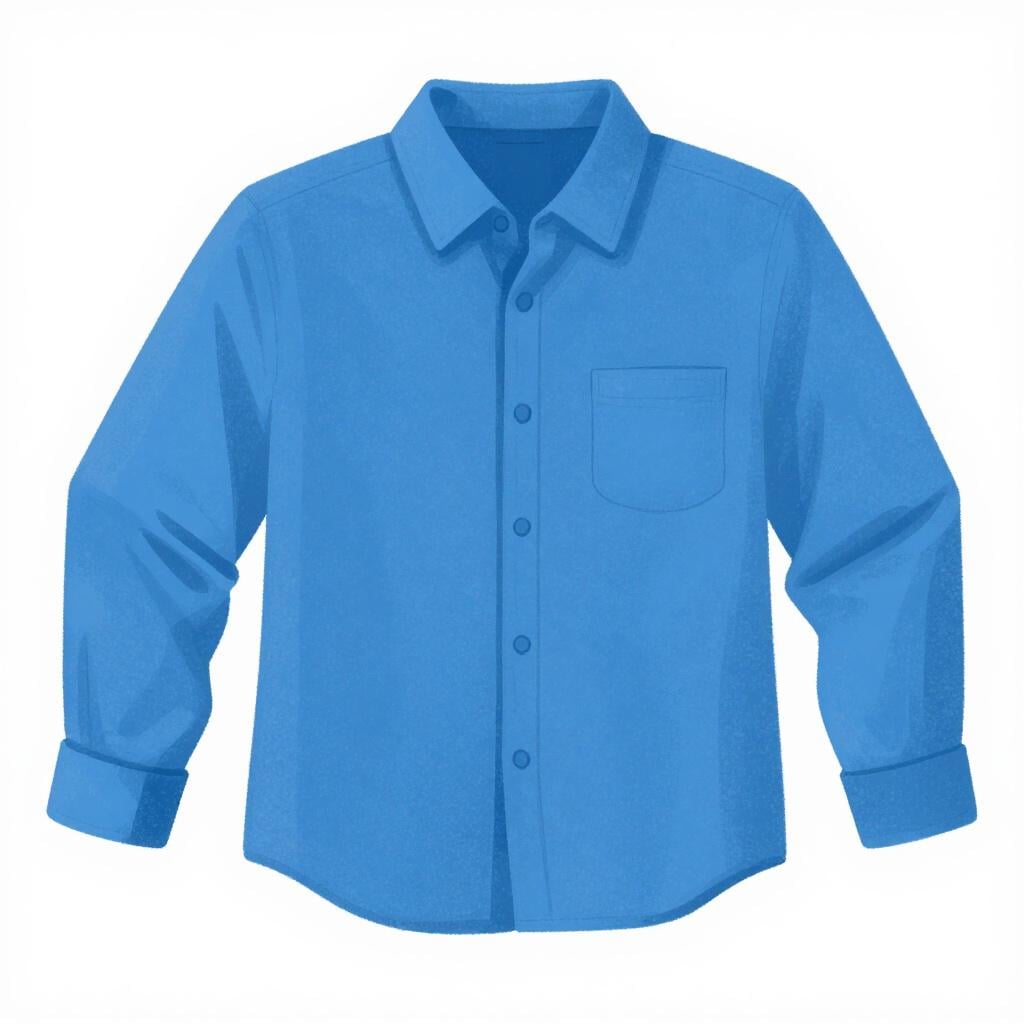
📝 In Action
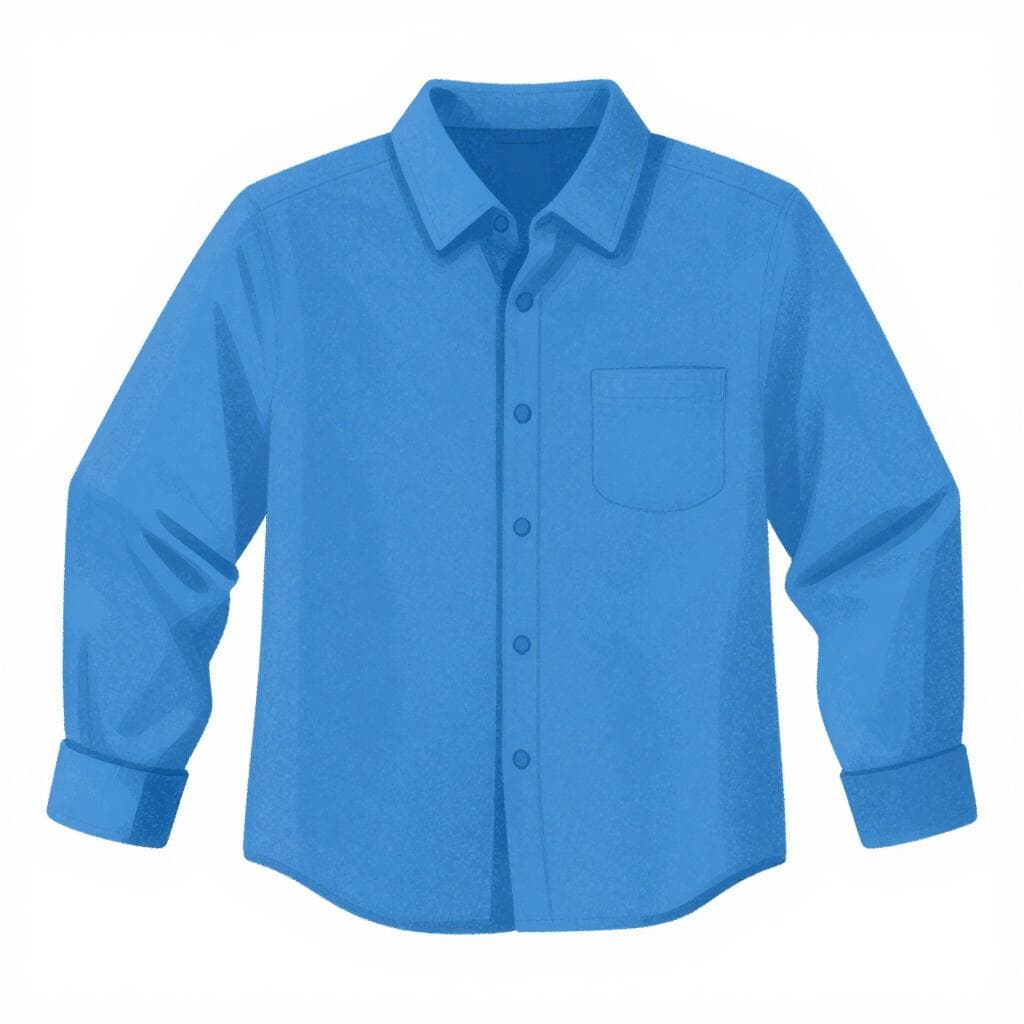
La camisa tiene muchas arrugas porque no la colgué.
A2The shirt has many wrinkles because I didn't hang it up.
No dobles el dibujo, vas a dejarle una arruga.
B1Don't fold the drawing; you're going to leave a crease in it.
Usa la plancha para quitar las arrugas del pantalón.
A2Use the iron to get the wrinkles out of the pants.
✏️ Quick Practice
Quick Quiz: arruga
Question 1 of 3
Which of these would most likely have an 'arruga'?
📚 More Resources
👥 Word Family▼
📚 Etymology▼
From the Latin word 'ruga', which simply means a fold or a crease. It is the same root that gave us the English word 'corrugate'.
First recorded: 13th century
Cognates (Related words)
💡 Master Spanish
Take your Spanish to the next level. Read 200+ illustrated and narrated Spanish stories tailored to your level with the Inklingo app!
Frequently Asked Questions
Is it rude to use the word 'arruga' to describe someone?
It's a neutral anatomical term, but like in English, some people are sensitive about aging. Using it to describe a person's face is common in medical or skincare contexts, but 'líneas de expresión' (expression lines) is a softer way to say it.
Does 'arruga' also mean the action of wrinkling?
Not as a noun. However, 'arruga' is also a form of the verb 'arrugar' (he/she/it wrinkles). For example: 'Él arruga el papel' (He wrinkles the paper).
What is the difference between 'arruga' and 'pliegue'?
'Arruga' is usually accidental or a sign of age (like a messy shirt or old skin). 'Pliegue' is often a deliberate fold, like the pleats in a skirt or a folded map.