How to Say "outline" in Spanish
The most common Spanish word for “outline” is “esquema” — use 'esquema' for a structured summary or plan, especially for studying or organizing information.




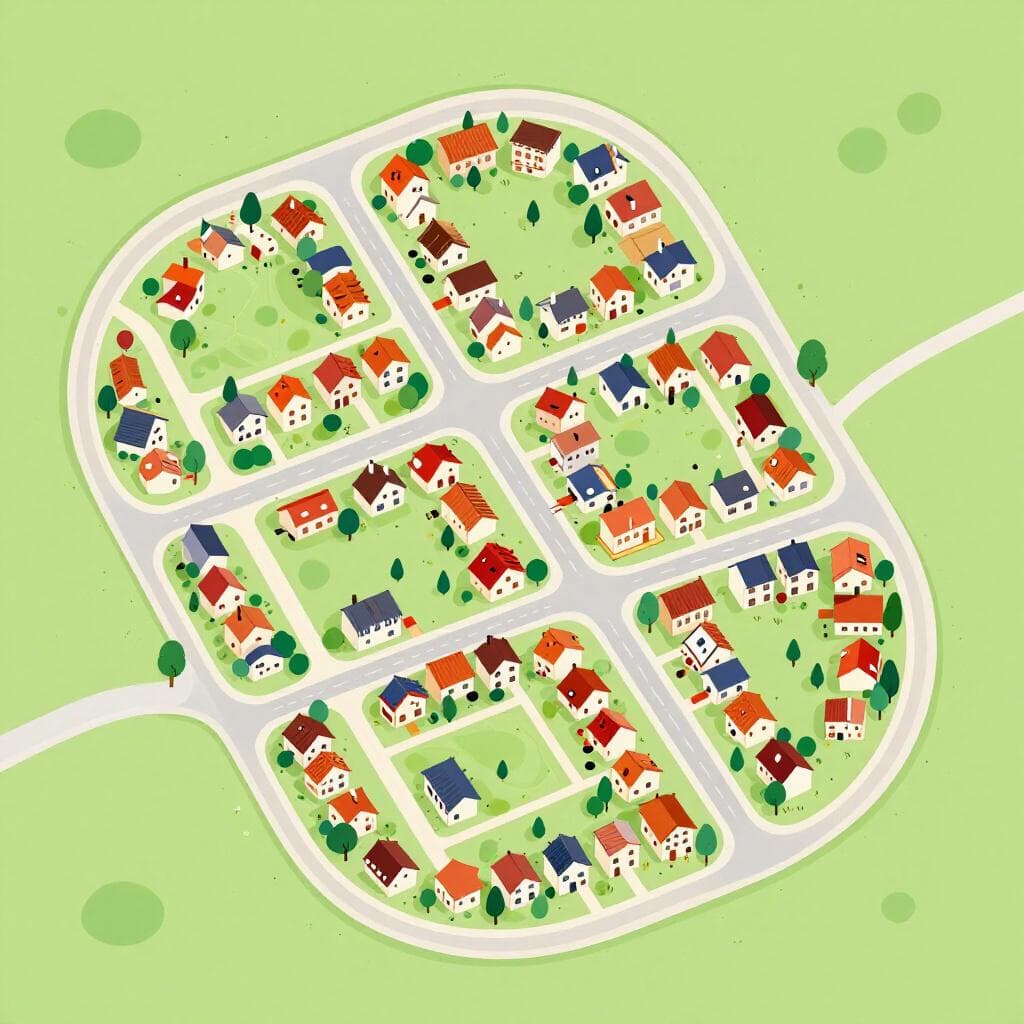
esquema
es-KE-maesˈkema

Examples
Hice un esquema para estudiar para el examen.
I made an outline to study for the exam.
El profesor dibujó un esquema en la pizarra.
The teacher drew a diagram on the board.
Necesitamos un esquema claro antes de empezar el proyecto.
We need a clear plan before starting the project.
The 'MA' Gender Rule
Even though it ends in 'a', this word is masculine because it comes from Greek. Always use 'el' or 'un' with it: 'el esquema'.
Plural Form
To make it plural, just add an 's' to the end: 'los esquemas'. The gender remains masculine.
Wrong Gender
Mistake: “La esquema es útil.”
Correction: El esquema es útil. Words of Greek origin ending in -ma (like drama, tema, systema) are almost always masculine.
contorno
kon-TOR-nokonˈtoɾno

Examples
Dibuja el contorno de tu mano en el papel.
Draw the outline of your hand on the paper.
Las luces de la ciudad definían el contorno de las montañas.
The city lights defined the contour of the mountains.
El artista resaltó el contorno con un lápiz más oscuro.
The artist highlighted the outline with a darker pencil.
Gender Identification
Since it ends in '-o', it follows the standard rule of being a masculine naming word (masculine noun).
Using 'línea' for everything
Mistake: “La línea de la montaña.”
Correction: El contorno de la montaña.
silueta
see-loo-EH-tahsiˈlweta

Examples
Vi una silueta oscura en la ventana.
I saw a dark silhouette in the window.
La silueta de las montañas se veía clara bajo la luna.
The outline of the mountains looked clear under the moon.
El fotógrafo capturó la silueta del árbol durante el atardecer.
The photographer captured the silhouette of the tree during the sunset.
Always Feminine
The word 'silueta' is always feminine, so you must always use 'la' or 'una' with it, even if you are talking about a man's silhouette.
Silueta vs. Sombra
Mistake: “Using 'silueta' when you mean 'sombra'.”
Correction: Use 'sombra' for the shadow cast on the ground, and 'silueta' for the dark shape you see against a light source.
apunte
ah-POON-tehaˈpunte
Examples
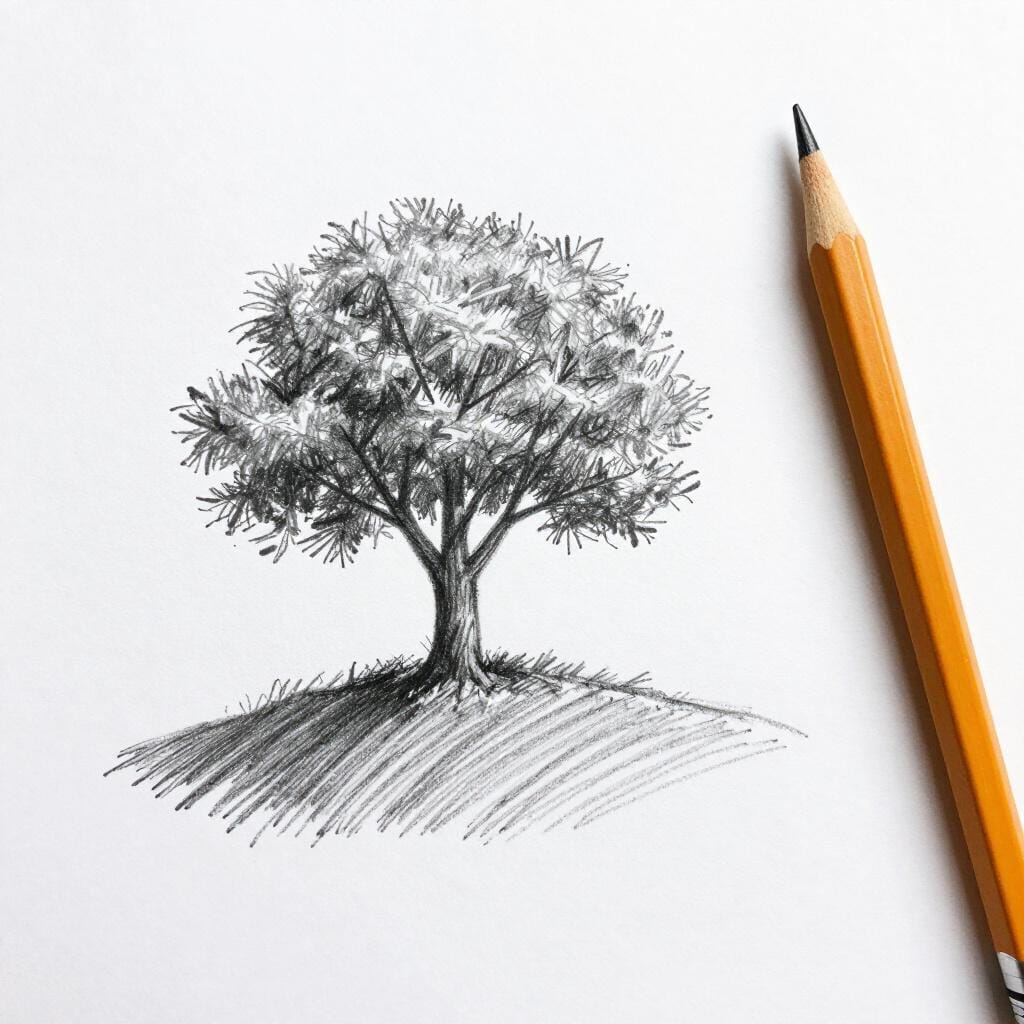
Hizo un apunte del paisaje en su cuaderno.
He made a sketch of the landscape in his notebook.
Este es solo un apunte inicial de mi novela.
This is just an initial draft/outline of my novel.
Artistic usage
When used in art, 'apunte' refers to a drawing done very quickly to capture the essence of a moment.
esqueleto
es-keh-LEH-toheskeˈleto

Examples
Ya terminé el esqueleto de mi novela.
I already finished the outline of my novel.
Solo queda el esqueleto metálico del edificio tras el incendio.
Only the metal framework of the building remains after the fire.
Necesitamos un esqueleto sólido para este proyecto de negocio.
We need a solid framework for this business project.
Metaphorical use
Just like in English, you can use 'skeleton' to describe the most basic parts of something that holds the rest together.
guión
Examples
El guión de la conferencia incluye tres oradores principales.
The conference outline includes three main speakers.
trazado
tra-SAH-dohtɾaˈsaðo
Examples
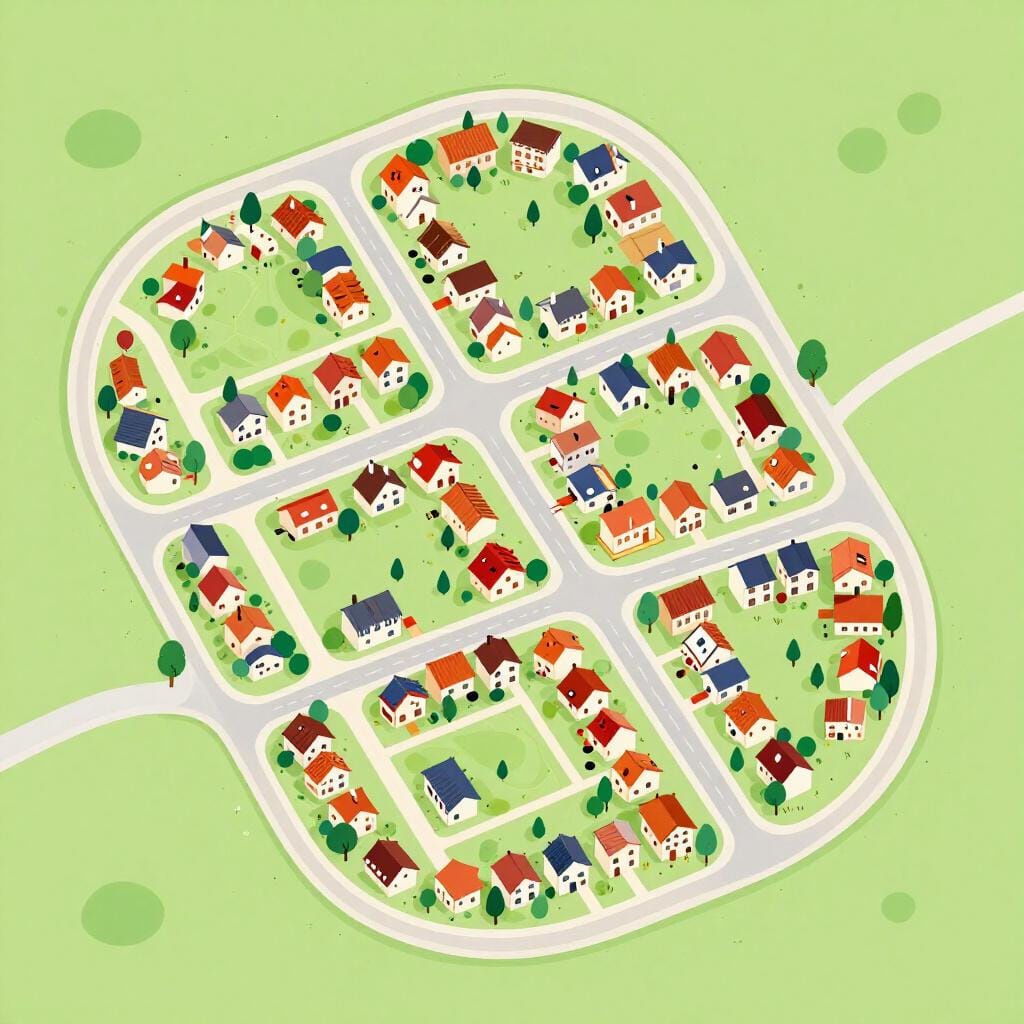
El trazado de la ciudad es medieval.
The layout of the city is medieval.
Están modificando el trazado de la nueva carretera.
They are modifying the route of the new highway.
El trazado original del mapa se ha borrado.
The original outline of the map has been erased.
Using 'el' with Trazado
Even though it comes from a verb, in this context it acts as a normal noun and always needs a masculine article like 'el' or 'un'.
Abstract vs. Concrete
It can refer to both a physical path (like a road) or an abstract plan (like the layout of a project).
Trazado vs. Trazo
Mistake: “Using 'trazado' to mean a single stroke of a pen.”
Correction: Use 'trazo' for a single mark or stroke, and 'trazado' for the overall plan or path.
traza
TRAH-sahˈtɾaθa
Examples
Este chocolate puede contener trazas de leche.
This chocolate may contain traces of milk.
No queda ni una traza del antiguo castillo.
Not a single trace of the old castle remains.
Siguieron la traza del camino romano.
They followed the outline of the Roman road.
Plural use for ingredients
When talking about food allergies or chemicals, we almost always use the plural form 'trazas'.
Traza vs. Rastro
Mistake: “La policía busca trazas del ladrón.”
Correction: La policía busca rastros del ladrón.
Outline vs. Shape
Related Translations
Learn Spanish with Inklingo
Interactive stories, personalized learning, and more.