esqueleto
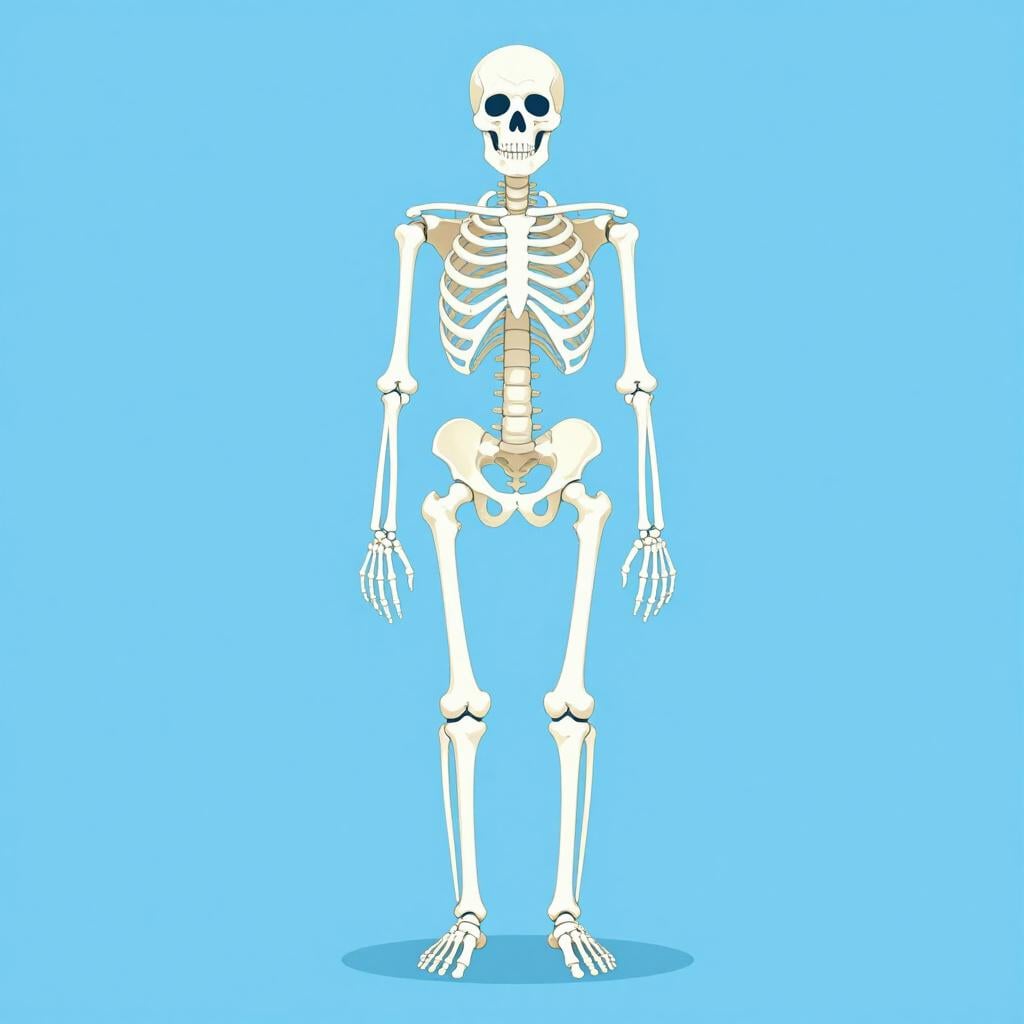
“esqueleto” means “skeleton” in Spanish. It has 2 different meanings depending on context:
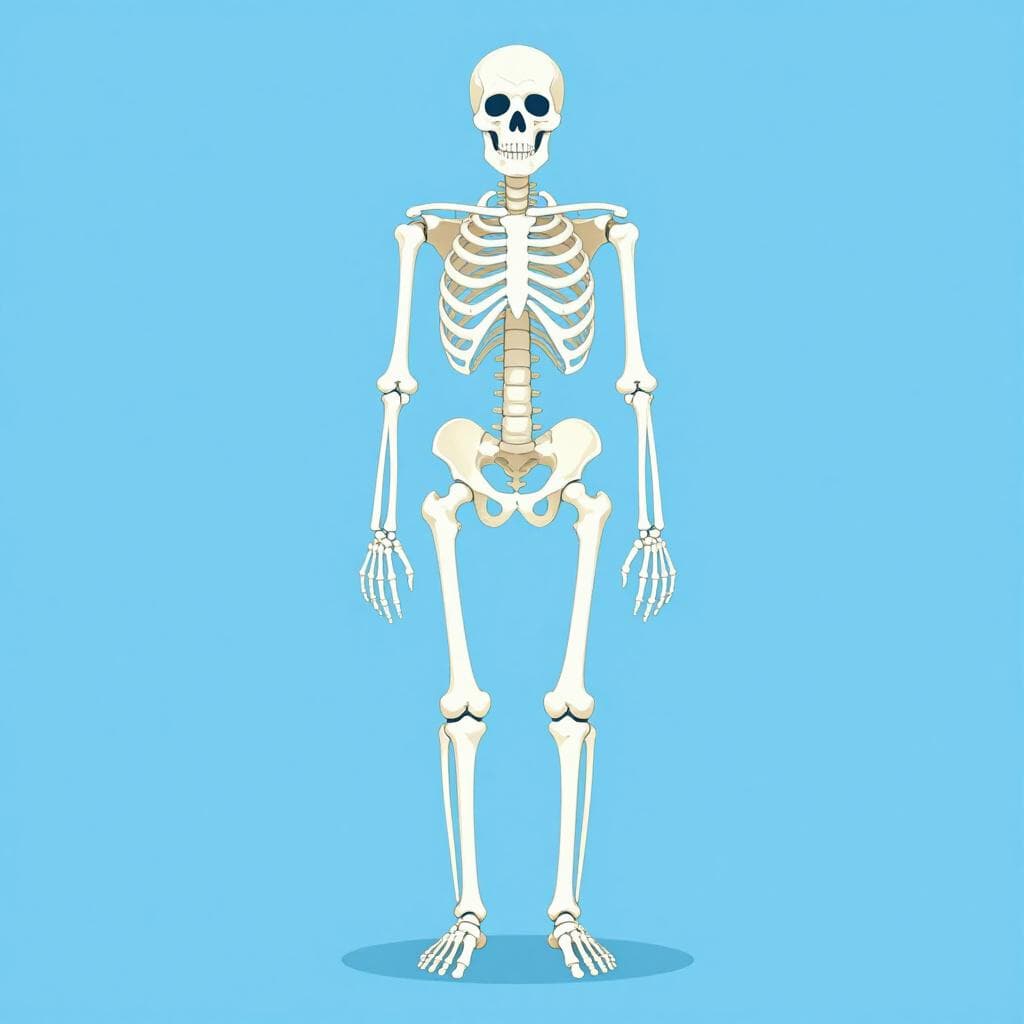

skeletonAlso: bones
📝 In Action
El esqueleto humano protege los órganos internos.
A2The human skeleton protects the internal organs.
Vimos un esqueleto de dinosaurio gigante en el museo.
B1We saw a giant dinosaur skeleton at the museum.
Para Halloween, mi hermano se vistió de esqueleto.
A2For Halloween, my brother dressed up as a skeleton.
Word Connections
frameworkAlso: outline, shell

📝 In Action
Ya terminé el esqueleto de mi novela.
B2I already finished the outline of my novel.
Solo queda el esqueleto metálico del edificio tras el incendio.
C1Only the metal framework of the building remains after the fire.
Necesitamos un esqueleto sólido para este proyecto de negocio.
B2We need a solid framework for this business project.
Word Connections
Translate to Spanish
✏️ Quick Practice
Quick Quiz: esqueleto
Question 1 of 3
If your Spanish friend says '¡Vamos a mover el esqueleto!', what do they want to do?
📚 More Resources
👥 Word Family
📚 Etymology
From the Greek word 'skeletos', which actually meant 'dried up' or 'withered', referring to a mummy or a dried body.
First recorded: 16th century
Cognates (Related words)
💡 Master Spanish
Take your Spanish to the next level. Read 200+ illustrated and narrated Spanish stories tailored to your level with the Inklingo app!
Frequently Asked Questions
Is 'esqueleto' used for animals too?
Yes! You can use it for any vertebrate animal, from a tiny bird to a massive whale.
Can I use 'esqueleto' to mean a very thin person?
Yes, but it's quite informal and can be a bit rude. It's usually heard in the phrase 'estar hecho un esqueleto'.
Is it different from 'osamenta'?
'Esqueleto' is the general word. 'Osamenta' is a bit more formal or scientific and often refers to a collection of loose bones or a carcass found in nature.