How to Say "skeleton" in Spanish
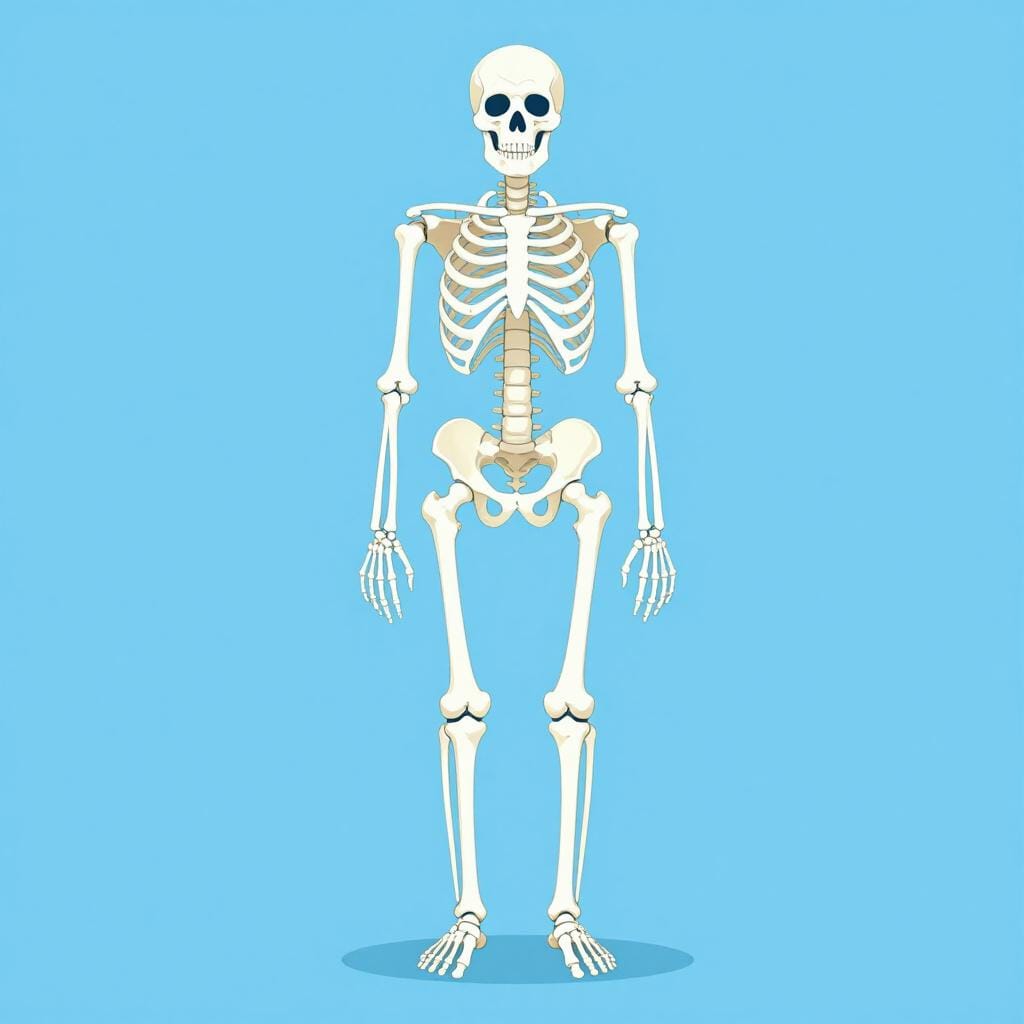
The most common Spanish word for “skeleton” is “esqueleto” — use 'esqueleto' when referring to the bony framework of a living being, such as a human or animal.
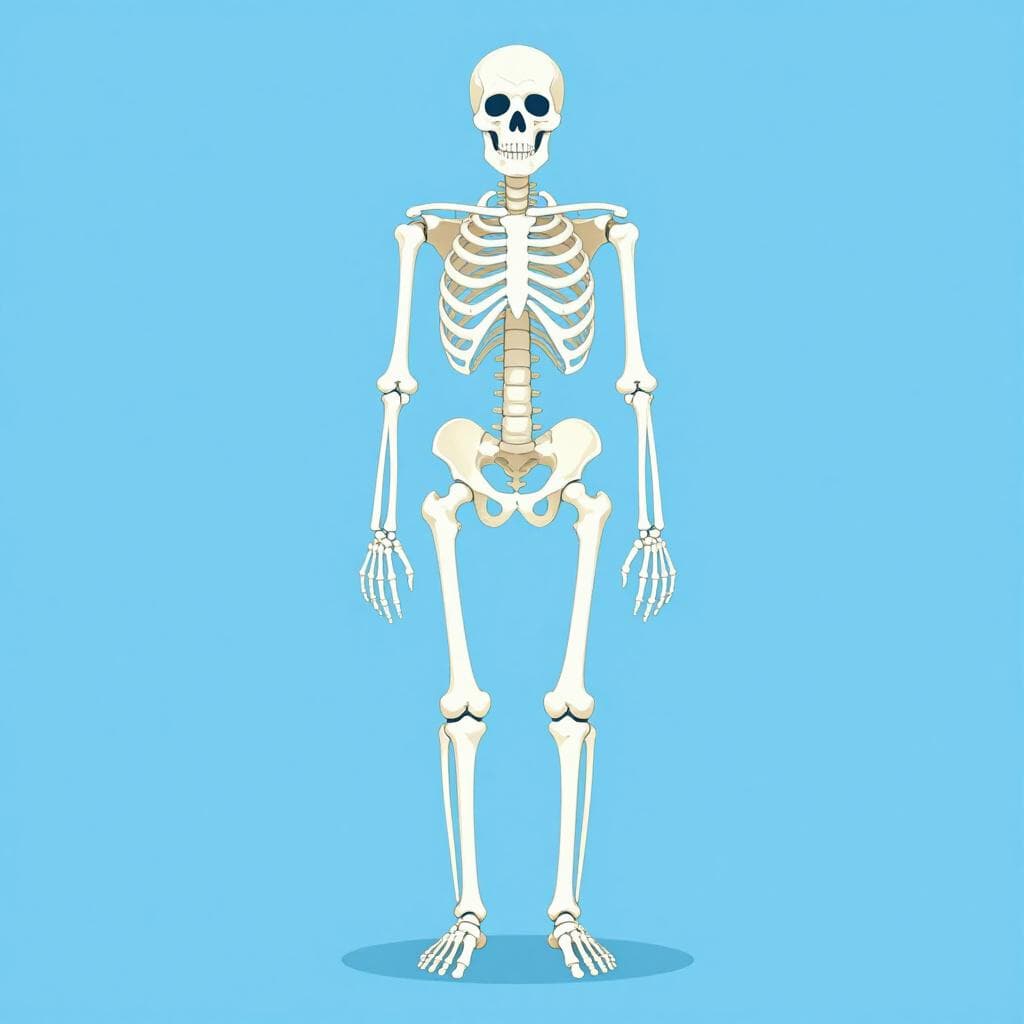
esqueleto
es-keh-LEH-toheskeˈleto
Examples
El esqueleto humano protege los órganos internos.
The human skeleton protects the internal organs.
Vimos un esqueleto de dinosaurio gigante en el museo.
We saw a giant dinosaur skeleton at the museum.
Para Halloween, mi hermano se vistió de esqueleto.
For Halloween, my brother dressed up as a skeleton.
Gender Check
Since it ends in -o, it is a masculine word. You should always use 'el' or 'un' with it.
Talking about people
When you call someone a 'skeleton' in Spanish, you use the phrase 'estar hecho un esqueleto' to emphasize they have lost a lot of weight.
Confusing individual bones with the whole set
Mistake: “Me duele el esqueleto.”
Correction: Me duelen los huesos.
armadura
ar-mah-DOO-rahaɾmaˈðuɾa
Examples
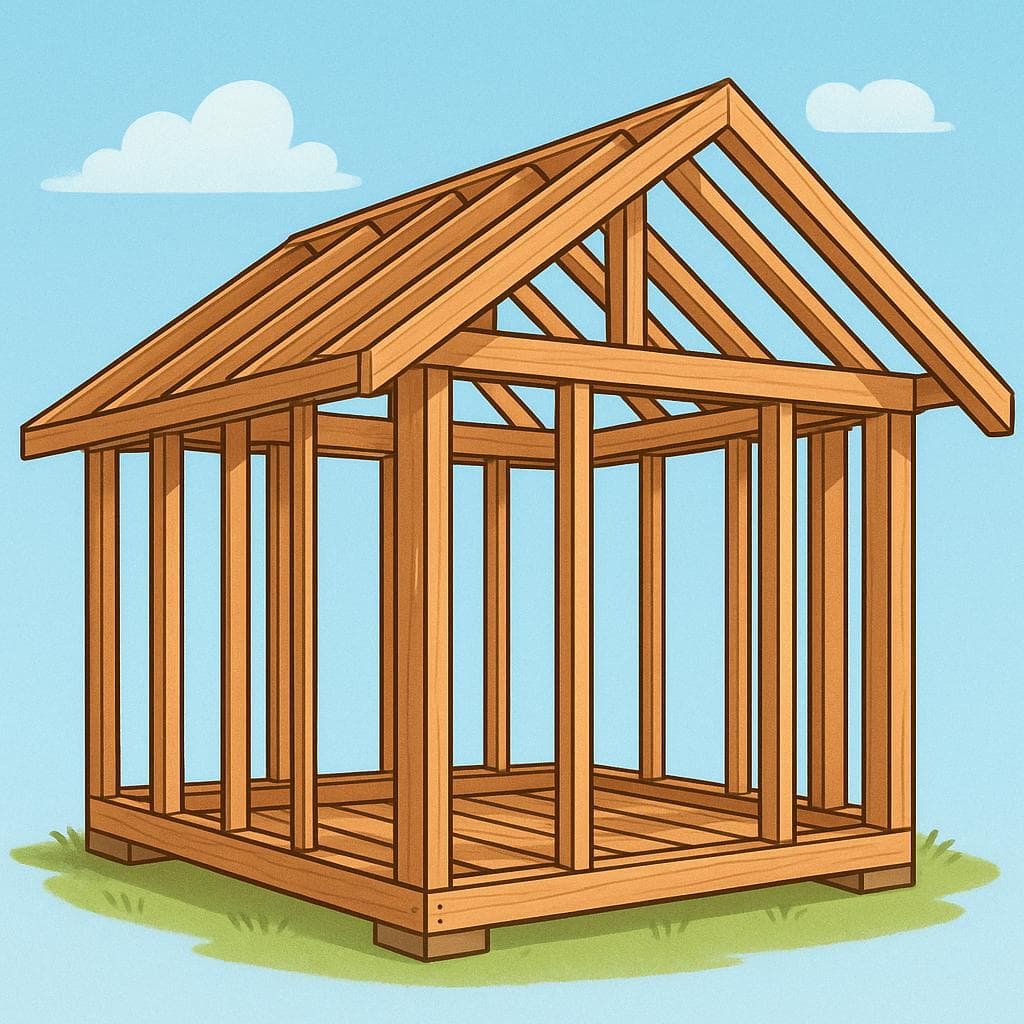
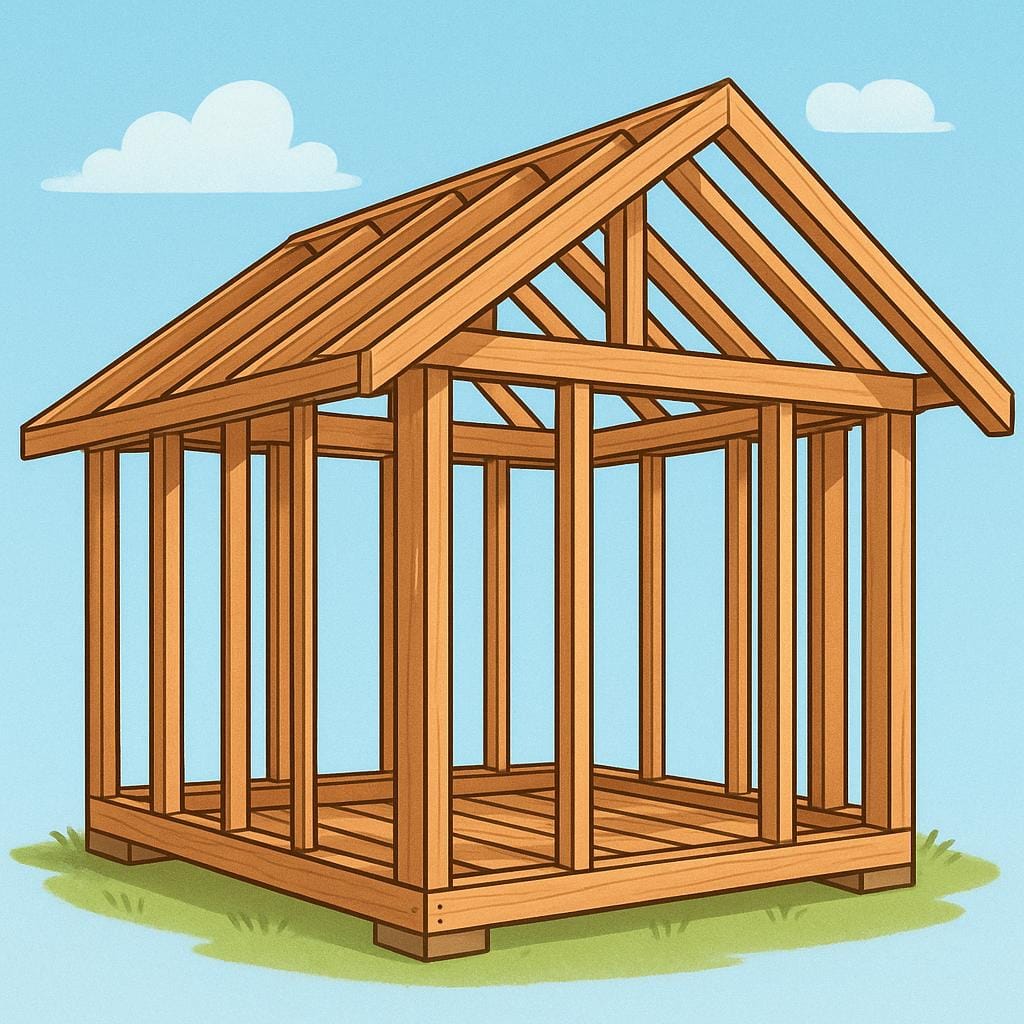
La armadura de acero soporta todo el peso del puente.
The steel framework supports the entire weight of the bridge.
Necesitamos revisar la armadura del tejado antes de poner las tejas.
We need to check the roof truss before laying the tiles.
Metaphorical Extension
Think of this meaning as the 'armor' or protective skeleton that holds a building or object together, making it strong.
Confusing 'esqueleto' and 'armadura'
Learn Spanish with Inklingo
Interactive stories, personalized learning, and more.