How to Say "bones" in Spanish
The most common Spanish word for “bones” is “huesos” — use 'huesos' when referring to the individual bones that make up the skeletal structure of a person or animal, emphasizing their strength or health.
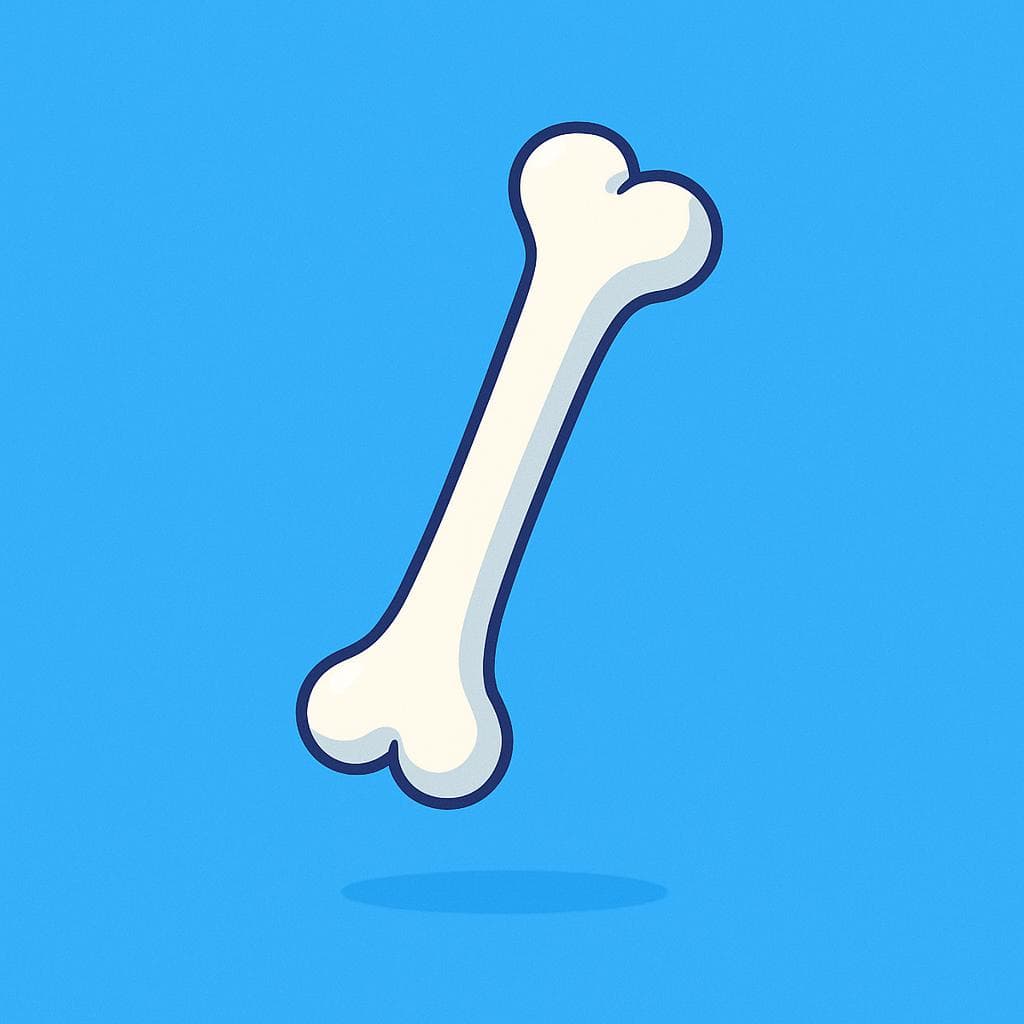
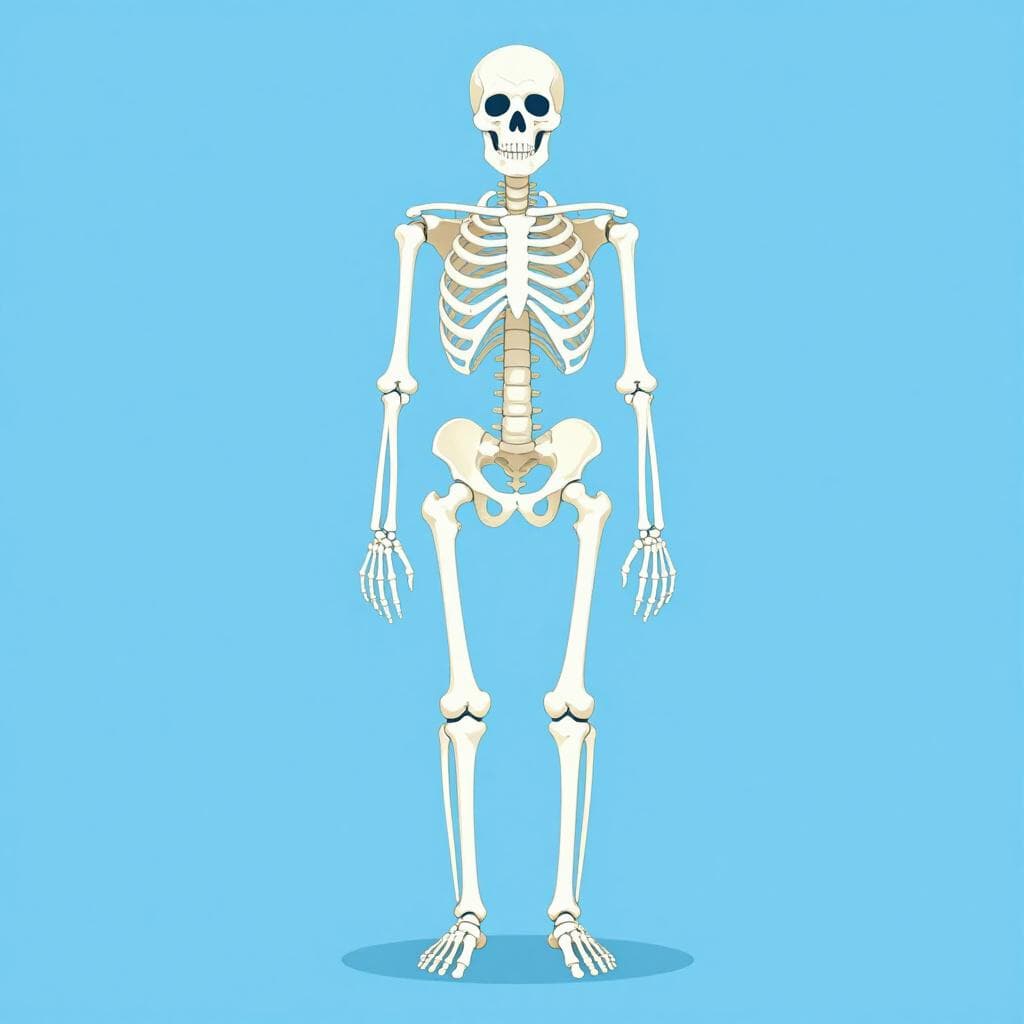
huesos
WÉH-sohsˈwesos

Examples
Los médicos dijeron que sus huesos estaban muy fuertes.
The doctors said her bones were very strong.
El perro siempre intenta enterrar los huesos de pollo en el jardín.
The dog always tries to bury the chicken bones in the garden.
Encontraron huesos antiguos en la excavación arqueológica.
They found ancient bones in the archaeological excavation.
Plural Form
Remember that 'huesos' is the plural form. The singular form, meaning a single bone, is 'hueso'.
Gender Confusion
Mistake: “La huesos”
Correction: Los huesos. Even though it starts with 'h', 'huesos' is a masculine plural noun, so it takes 'los'.
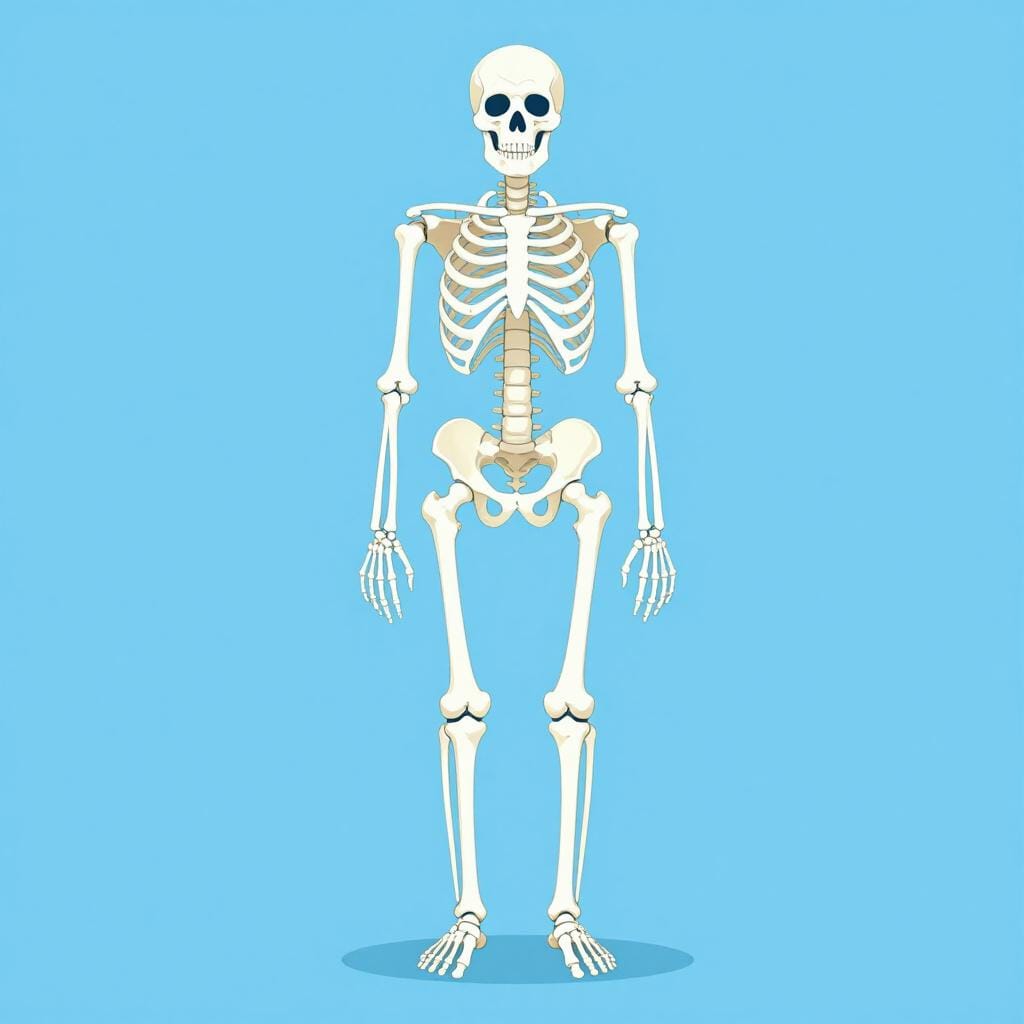
esqueleto
es-keh-LEH-toheskeˈleto
Examples
El esqueleto humano protege los órganos internos.
The human skeleton protects the internal organs.
Vimos un esqueleto de dinosaurio gigante en el museo.
We saw a giant dinosaur skeleton at the museum.
Para Halloween, mi hermano se vistió de esqueleto.
For Halloween, my brother dressed up as a skeleton.
Gender Check
Since it ends in -o, it is a masculine word. You should always use 'el' or 'un' with it.
Talking about people
When you call someone a 'skeleton' in Spanish, you use the phrase 'estar hecho un esqueleto' to emphasize they have lost a lot of weight.
Confusing individual bones with the whole set
Mistake: “Me duele el esqueleto.”
Correction: Me duelen los huesos.
Huesos vs. Esqueleto
Related Translations
Learn Spanish with Inklingo
Interactive stories, personalized learning, and more.