armadura
“armadura” means “armor” in Spanish. It has 2 different meanings depending on context:
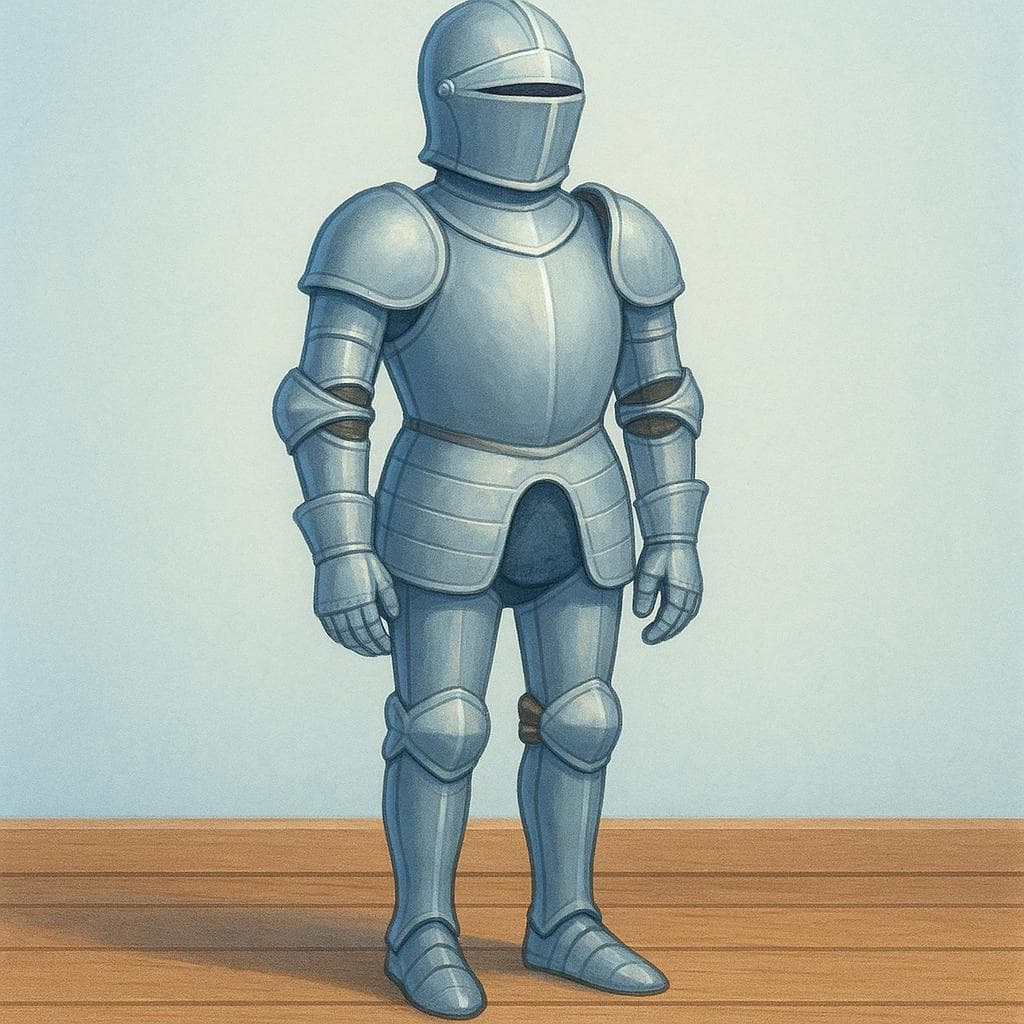
armor
Also: suit of armor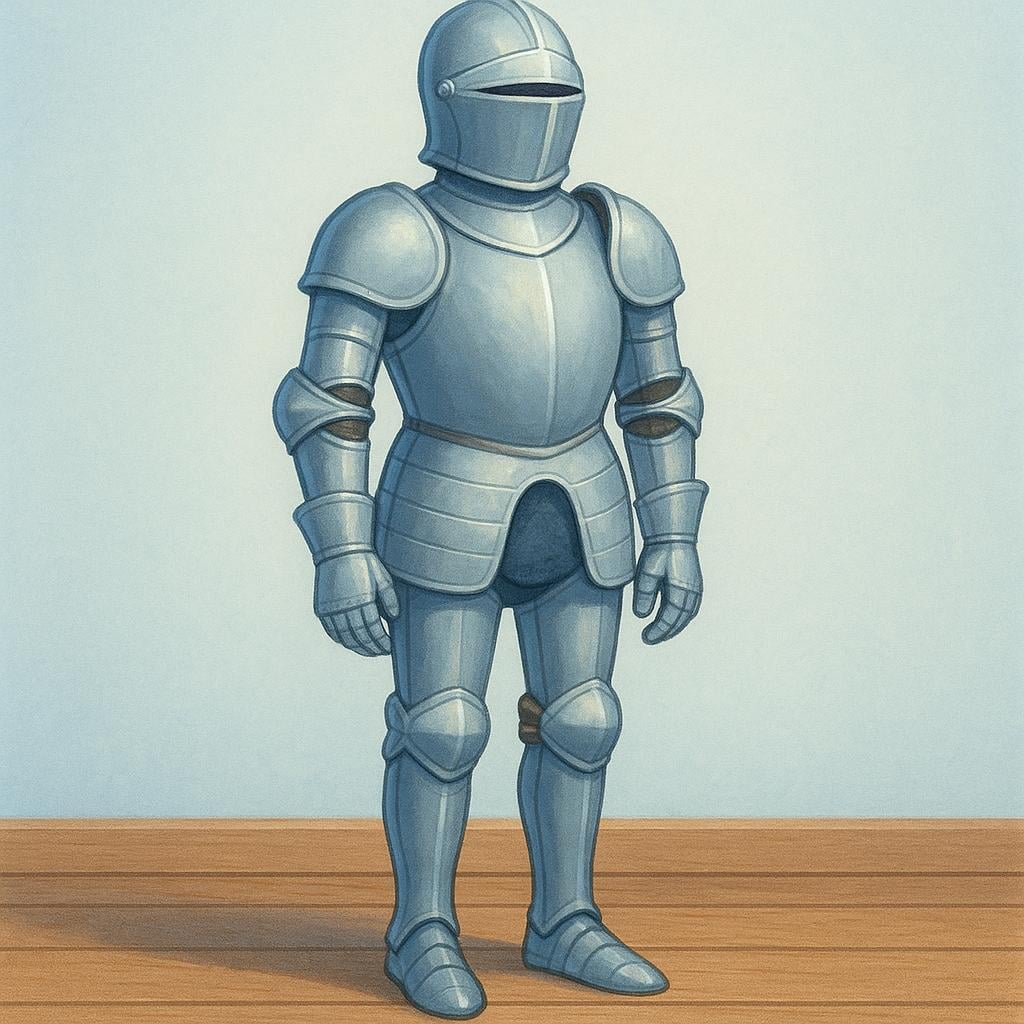
📝 In Action
La armadura del caballero pesaba muchísimo.
A2The knight's armor weighed a lot.
En el museo vimos una antigua armadura medieval.
B1We saw an ancient medieval suit of armor in the museum.
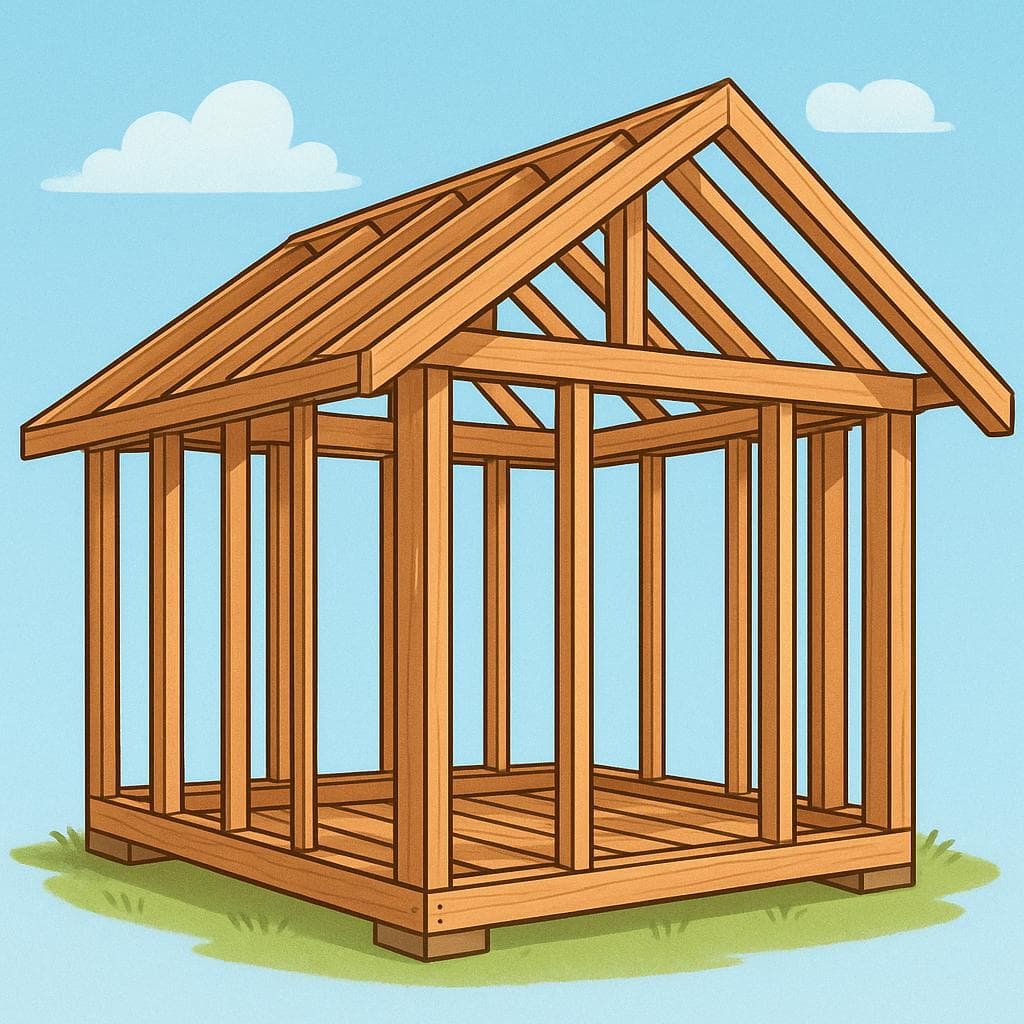
framework, truss
Also: skeleton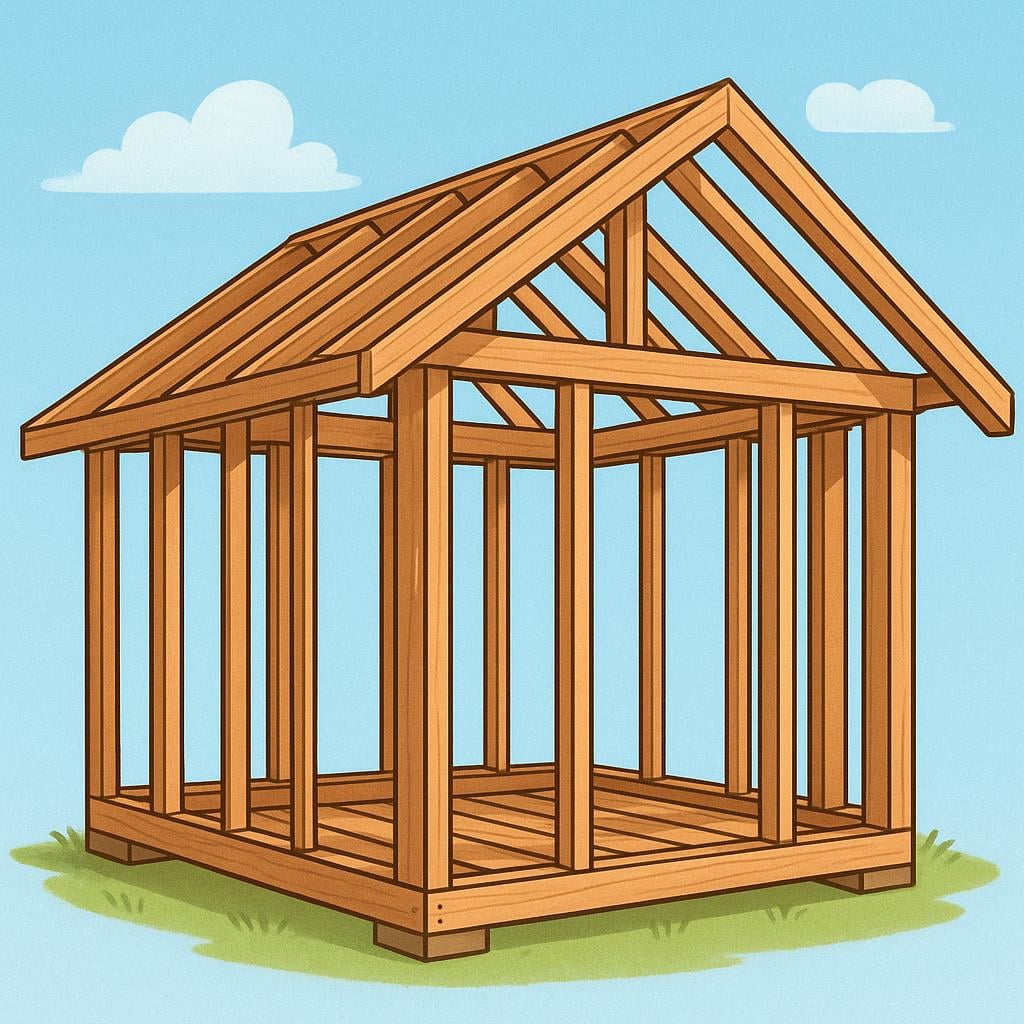
📝 In Action
La armadura de acero soporta todo el peso del puente.
B1The steel framework supports the entire weight of the bridge.
Necesitamos revisar la armadura del tejado antes de poner las tejas.
B2We need to check the roof truss before laying the tiles.
Translate to Spanish
✏️ Quick Practice
Quick Quiz: armadura
Question 1 of 1
Which sentence uses 'armadura' to mean a supportive framework, not protective gear?
📚 More Resources
👥 Word Family▼
📚 Etymology▼
Comes directly from the Latin word *armatura*, which meant 'equipment' or 'defensive armor.' This word is closely related to *arma*, meaning 'arms' or 'weapons.'
First recorded: 13th century
Cognates (Related words)
💡 Master Spanish
Take your Spanish to the next level. Read 200+ illustrated and narrated Spanish stories tailored to your level with the Inklingo app!
Frequently Asked Questions
¿Es 'armadura' solo para la guerra?
No, while its most famous meaning is the protective gear of a knight, 'armadura' is also used in construction to mean the supporting skeleton or frame of a structure, like a roof or a bridge.