How to Say "silhouette" in Spanish
The most common Spanish word for “silhouette” is “silueta” — use 'silueta' when referring to the dark shape or outline of something, especially when it's seen against a lighter background.

Use 'silueta' when referring to the dark shape or outline of something, especially when it's seen against a lighter background.
Learn more →
Use 'contorno' when you mean the outline or shape of something, often in a drawing or as a general boundary.
Learn more →
Choose 'figura' specifically when the outline refers to the shape or form of a person.
Learn more →
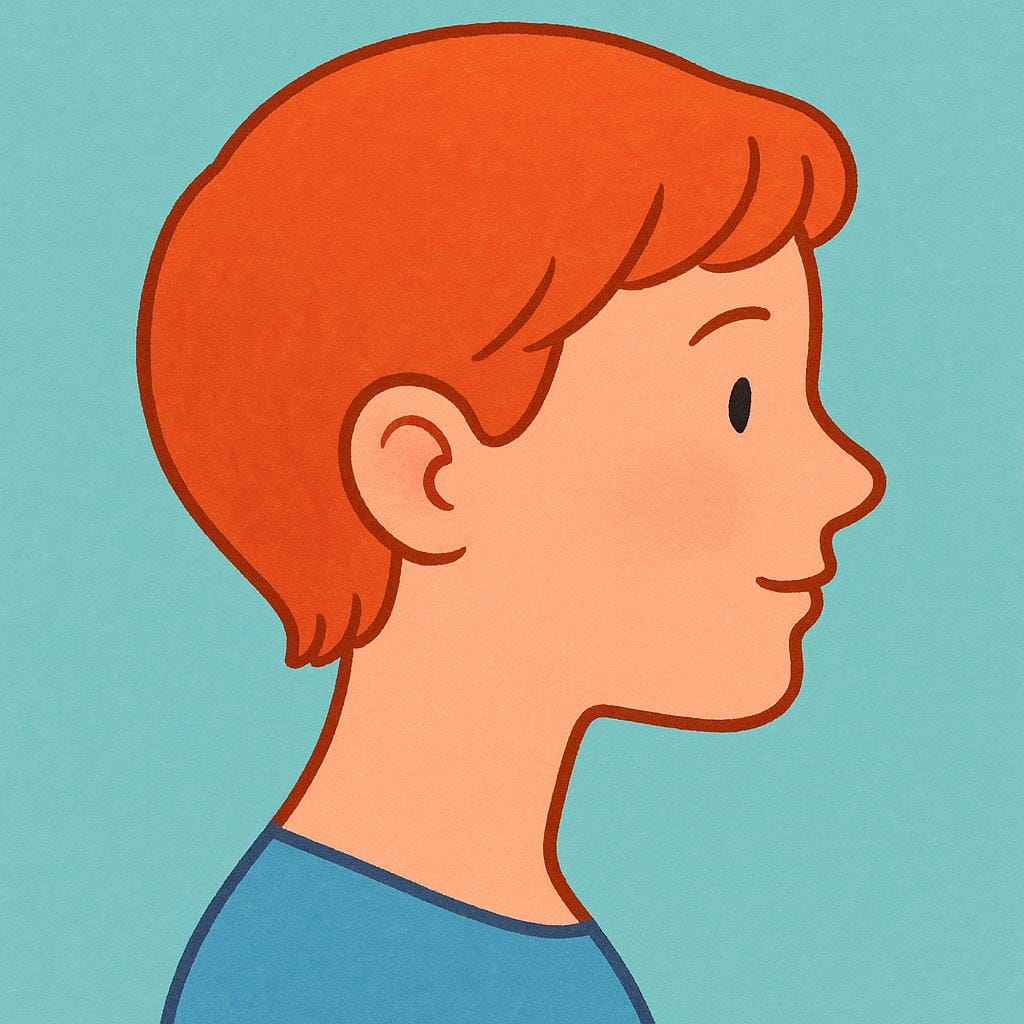
Use 'perfil' when referring to the outline of an object or person seen from the side, like a profile view.
Learn more →
Use 'bulto' to describe a vague, dark shape or mass, often indistinct and moving in low light.
Learn more →see-loo-EH-tahsiˈlweta
Examples
Vi una silueta oscura en la ventana.
I saw a dark silhouette in the window.
La silueta de las montañas se veía clara bajo la luna.
The outline of the mountains looked clear under the moon.
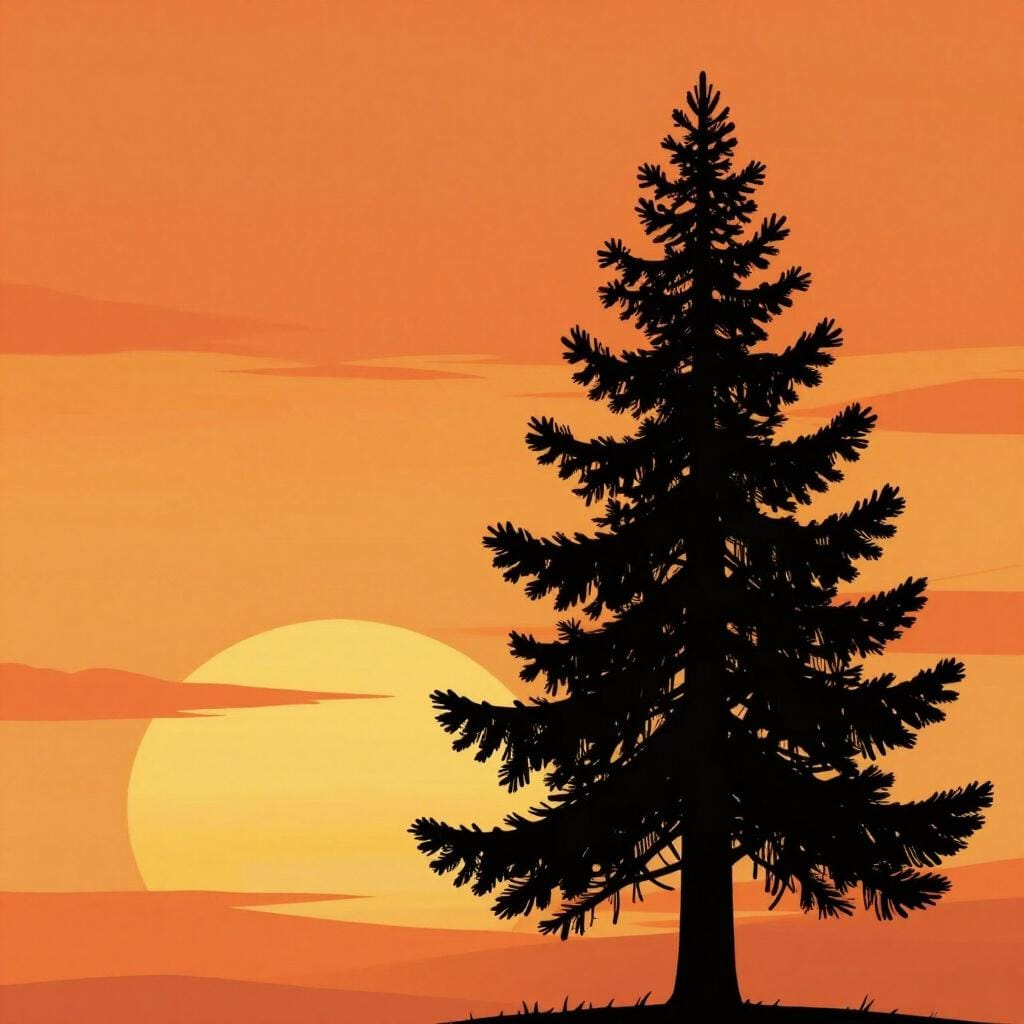
El fotógrafo capturó la silueta del árbol durante el atardecer.
The photographer captured the silhouette of the tree during the sunset.
Always Feminine
The word 'silueta' is always feminine, so you must always use 'la' or 'una' with it, even if you are talking about a man's silhouette.
Silueta vs. Sombra
Mistake: “Using 'silueta' when you mean 'sombra'.”
Correction: Use 'sombra' for the shadow cast on the ground, and 'silueta' for the dark shape you see against a light source.
kon-TOR-nokonˈtoɾno

Examples
Dibuja el contorno de tu mano en el papel.
Draw the outline of your hand on the paper.
Las luces de la ciudad definían el contorno de las montañas.
The city lights defined the contour of the mountains.
El artista resaltó el contorno con un lápiz más oscuro.
The artist highlighted the outline with a darker pencil.
Gender Identification
Since it ends in '-o', it follows the standard rule of being a masculine naming word (masculine noun).
Using 'línea' for everything
Mistake: “La línea de la montaña.”
Correction: El contorno de la montaña.
fee-GOO-rahfiˈɣuɾa
Examples
Ella tiene una figura atlética gracias al deporte.
She has an athletic figure thanks to sports.
Hay que cuidar la figura antes del verano.
You have to watch your figure before summer.
pehr-FEELpeɾˈfil
Examples
El artista dibujó un hermoso perfil de la modelo.
The artist drew a beautiful profile (side view) of the model.
Solo se veía el perfil de la montaña contra el cielo.
Only the silhouette of the mountain could be seen against the sky.
La foto fue tomada de perfil, no de frente.
The photo was taken in profile (from the side), not from the front.
Using 'De Perfil'
To say someone is standing or being viewed from the side, use the phrase 'de perfil'.
BOOL-tohˈbulto

Examples
Vi un bulto moviéndose en la oscuridad del jardín.
I saw a shape moving in the darkness of the garden.
A lo lejos, solo se distinguía un bulto negro.
In the distance, only a black silhouette could be seen.
Entre la niebla apareció el bulto de un edificio.
The shape of a building appeared through the fog.
Abstract Usage
This word describes things you can see but can't quite identify yet because of distance or light.
Silueta vs. Contorno vs. Bulto
Learners often confuse 'silueta', 'contorno', and 'bulto'. Remember that 'silueta' specifically implies a dark shape against a light background. 'Contorno' is a more general outline, like in a drawing, and 'bulto' refers to a more indistinct, often dark, mass or shape.
Related Translations
Learn Spanish with Inklingo
Interactive stories, personalized learning, and more.