How to Say "shape" in Spanish
The most common Spanish word for “shape” is “forma” — use 'forma' for the general physical outline or contour of an object, or for physical condition/fitness.
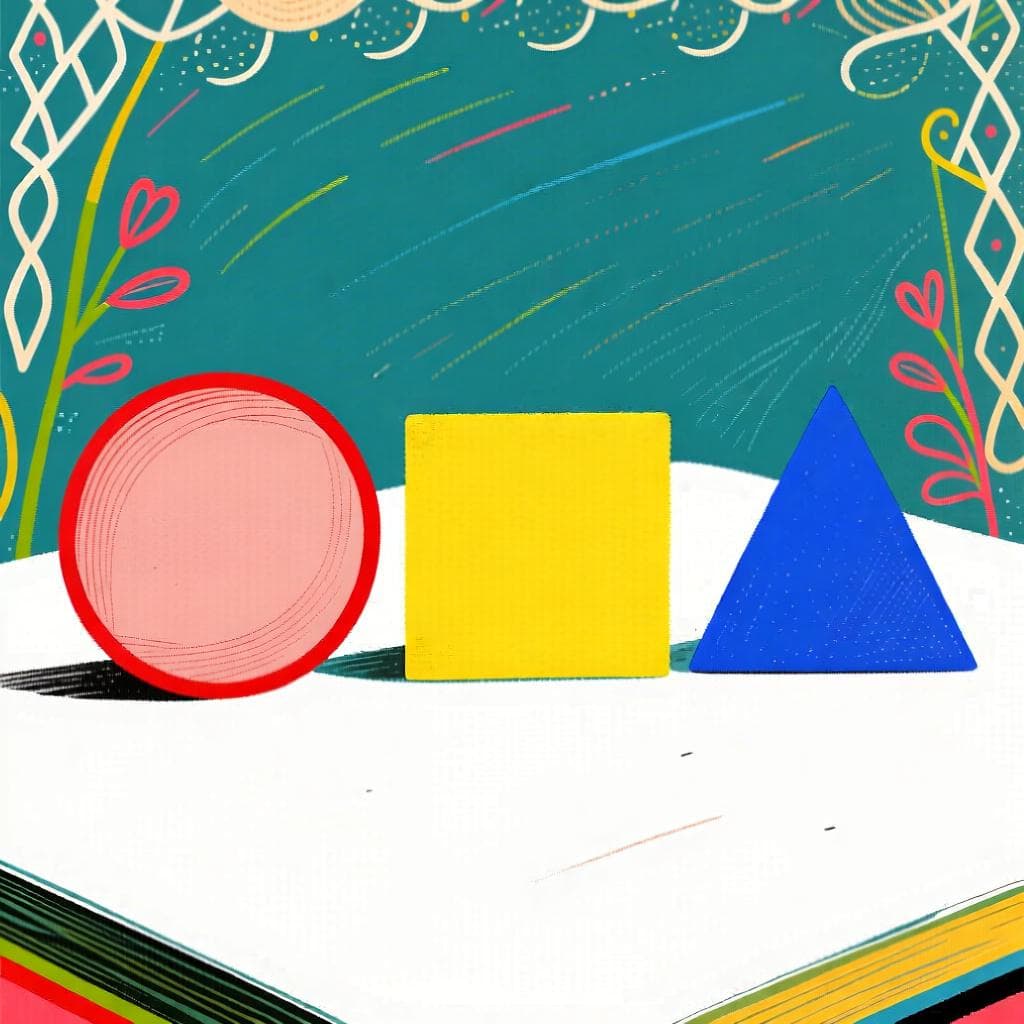
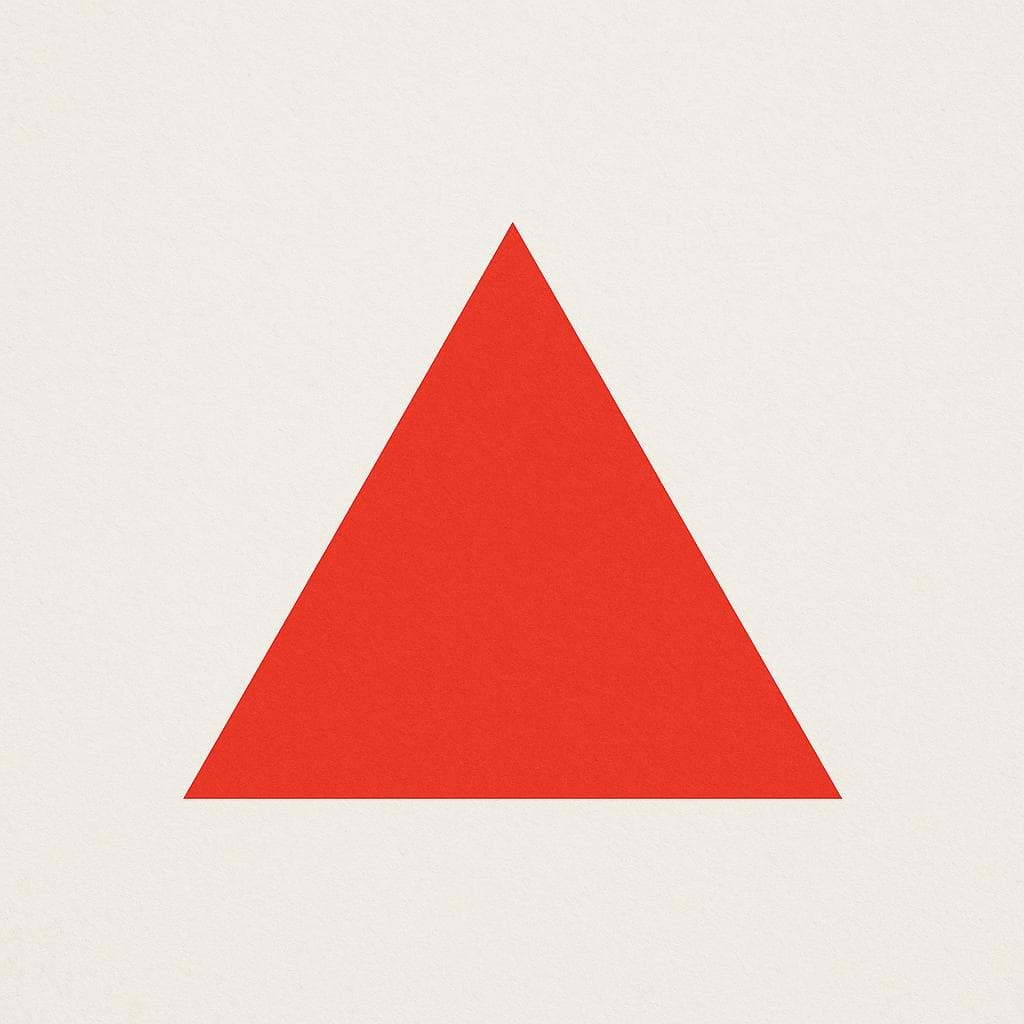


forma
for-mahˈfoɾma
Examples
La mesa tiene forma redonda.
The table has a round shape.
Me gusta la forma de esa botella.
I like the shape of that bottle.
El escultor dio forma a la arcilla.
The sculptor gave form to the clay.
Voy al gimnasio para estar en forma.
I go to the gym to be in shape.
Feminine Noun
Even though it doesn't end in '-a' in English, 'forma' is a feminine word in Spanish. Always use 'la forma' or 'una forma'.
figura
fee-GOO-rahfiˈɣuɾa
Examples
El cuadrado es una figura geométrica simple.
The square is a simple geometric figure (shape).
Dibujó la figura de un corazón en la arena.
He drew the shape of a heart in the sand.
Mira qué figuras tan bonitas hacen las nubes.
Look what beautiful shapes the clouds are making.
Gender Reminder
Even though 'figura' ends in '-a', it is a feminine noun, which is common in Spanish. Remember to use 'la figura' or 'una figura'.
estado
es-TAH-dohesˈta.ðo
Examples
El coche está en muy buen estado.
The car is in very good condition.
Mi estado de ánimo cambia con el clima.
My state of mind (mood) changes with the weather.
¿Cuál es tu estado civil, soltero o casado?
What is your marital status, single or married?
Always Masculine
Even when you're talking about something that is a feminine word (like 'la casa'), its condition is 'el estado'. For example: 'el estado de la casa' (the state of the house).
silueta
see-loo-EH-tahsiˈlweta

Examples
Ella hace mucho deporte para mantener su silueta.
She does a lot of sports to maintain her figure.
Este vestido favorece mucho tu silueta.
This dress is very flattering for your figure.
El ejercicio regular ayuda a tonificar la silueta.
Regular exercise helps to tone the physique.
Body Descriptions
In Spanish, we use 'su silueta' to talk about 'his' or 'her' figure. The word itself doesn't change based on who you are talking about.
Confusion with 'Silueta'
Mistake: “Thinking 'silueta' only means a shadow.”
Correction: Remember that in a fashion or health context, it almost always refers to a person's physical body shape.
formación
Examples
Vimos una formación rocosa muy extraña en el desierto.
We saw a very strange rock formation in the desert.
condición
Examples
El coche está en muy mala condición después del accidente.
The car is in very bad condition after the accident.
geometría
Examples
La geometría de la bicicleta permite una mejor aerodinámica.
The geometry of the bicycle allows for better aerodynamics.
bulto
BOOL-tohˈbulto

Examples
Vi un bulto moviéndose en la oscuridad del jardín.
I saw a shape moving in the darkness of the garden.
A lo lejos, solo se distinguía un bulto negro.
In the distance, only a black silhouette could be seen.
Entre la niebla apareció el bulto de un edificio.
The shape of a building appeared through the fog.
Abstract Usage
This word describes things you can see but can't quite identify yet because of distance or light.
Forma vs. Estado vs. Condición
Related Translations
Learn Spanish with Inklingo
Interactive stories, personalized learning, and more.