How to Say "figure" in Spanish
The most common Spanish word for “figure” is “figura” — use 'figura' when referring to a geometric shape, a person's body physique, a prominent person in a field, or a piece in a game like chess.
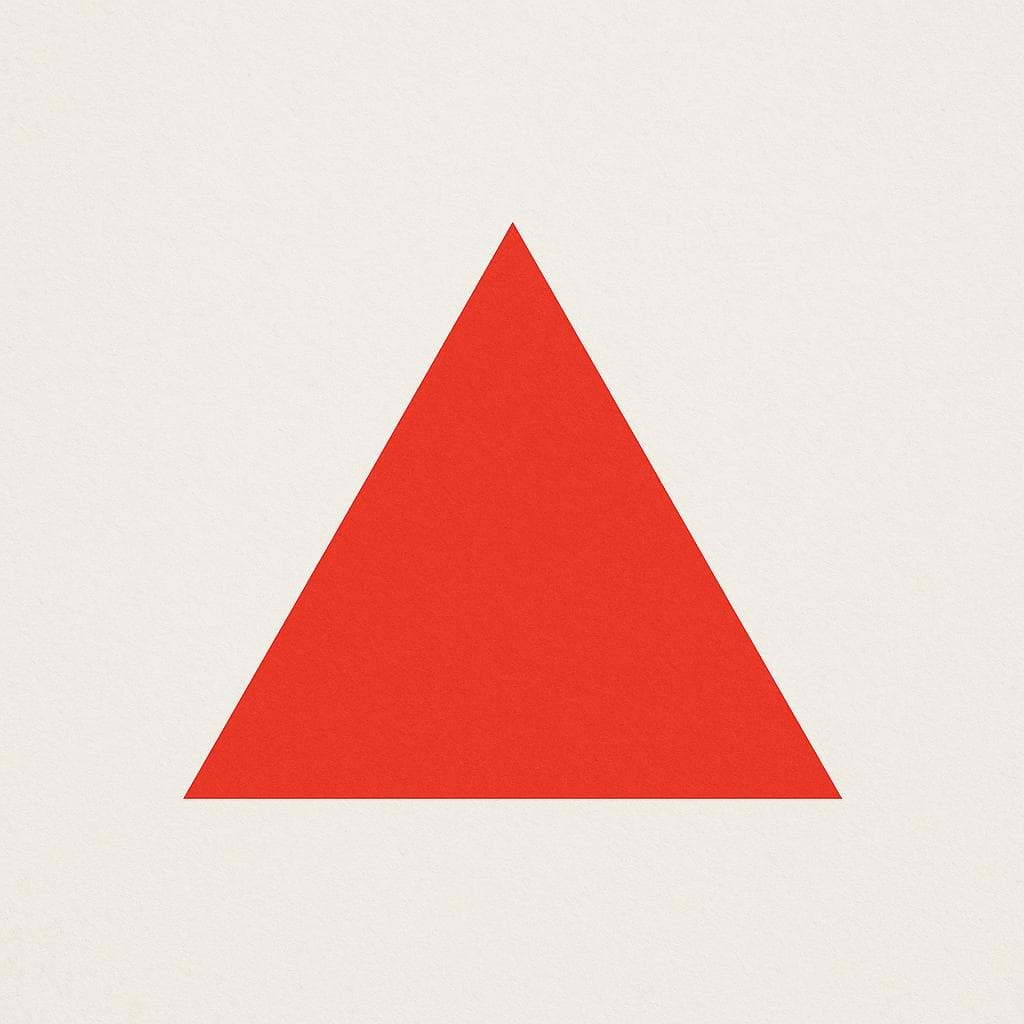
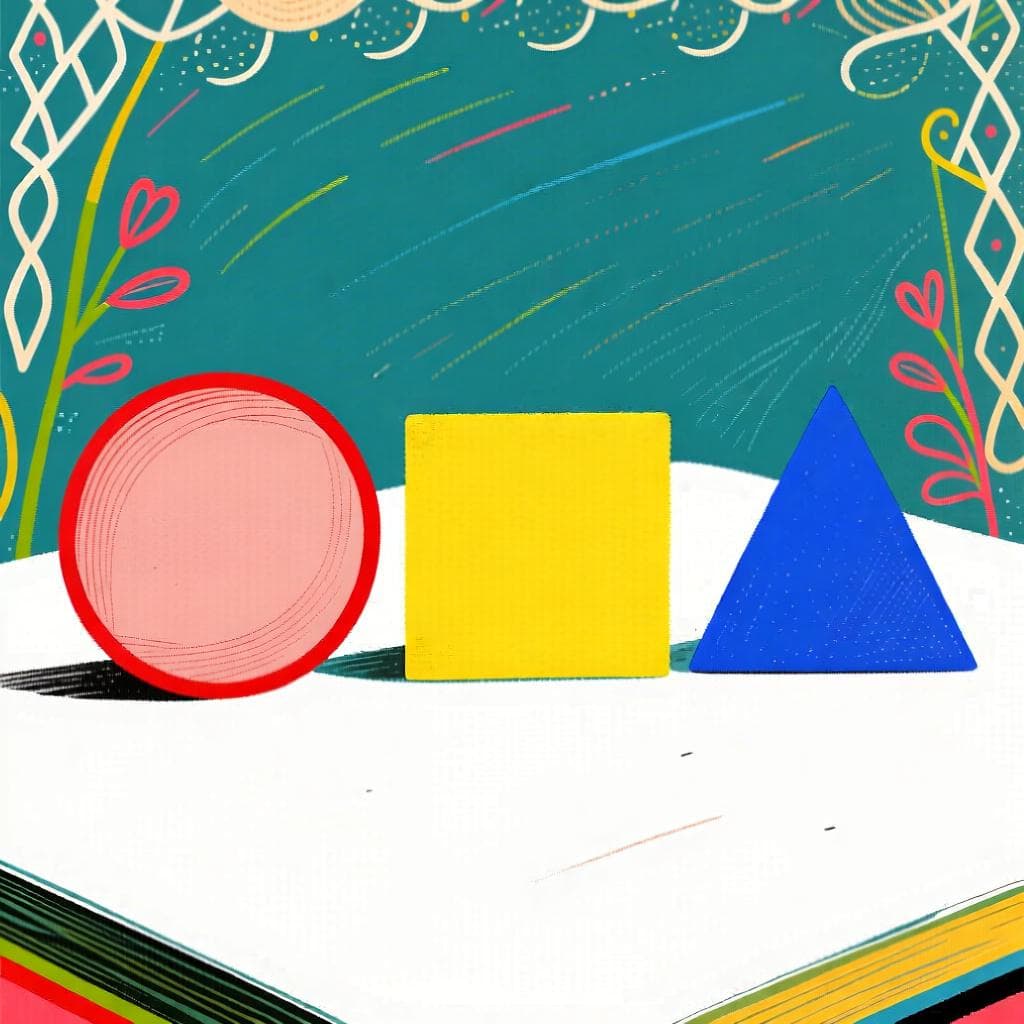




figura
fee-GOO-rahfiˈɣuɾa
Examples
El cuadrado es una figura geométrica simple.
The square is a simple geometric figure (shape).
Dibujó la figura de un corazón en la arena.
He drew the shape of a heart in the sand.
Mira qué figuras tan bonitas hacen las nubes.
Look what beautiful shapes the clouds are making.
Ella tiene una figura atlética gracias al deporte.
She has an athletic figure thanks to sports.
Gender Reminder
Even though 'figura' ends in '-a', it is a feminine noun, which is common in Spanish. Remember to use 'la figura' or 'una figura'.
número
NOO-meh-rohˈnu.me.ɾo
Examples
Mi número de teléfono es fácil de recordar.
My phone number is easy to remember.
Escribe el número tres en la pizarra.
Write the number three on the board.
Necesito un número par para mi billete de lotería.
I need an even number for my lottery ticket.
Masculine Noun
In Spanish, all words for numbers are masculine, so you always use 'el número' or 'un número'.
The Crucial Accent Mark
Mistake: “Using 'numero' when you mean 'number'.”
Correction: The correct noun is *número* (with an accent over the 'u'). Without the accent, 'numero' means 'I number' (a verb form).
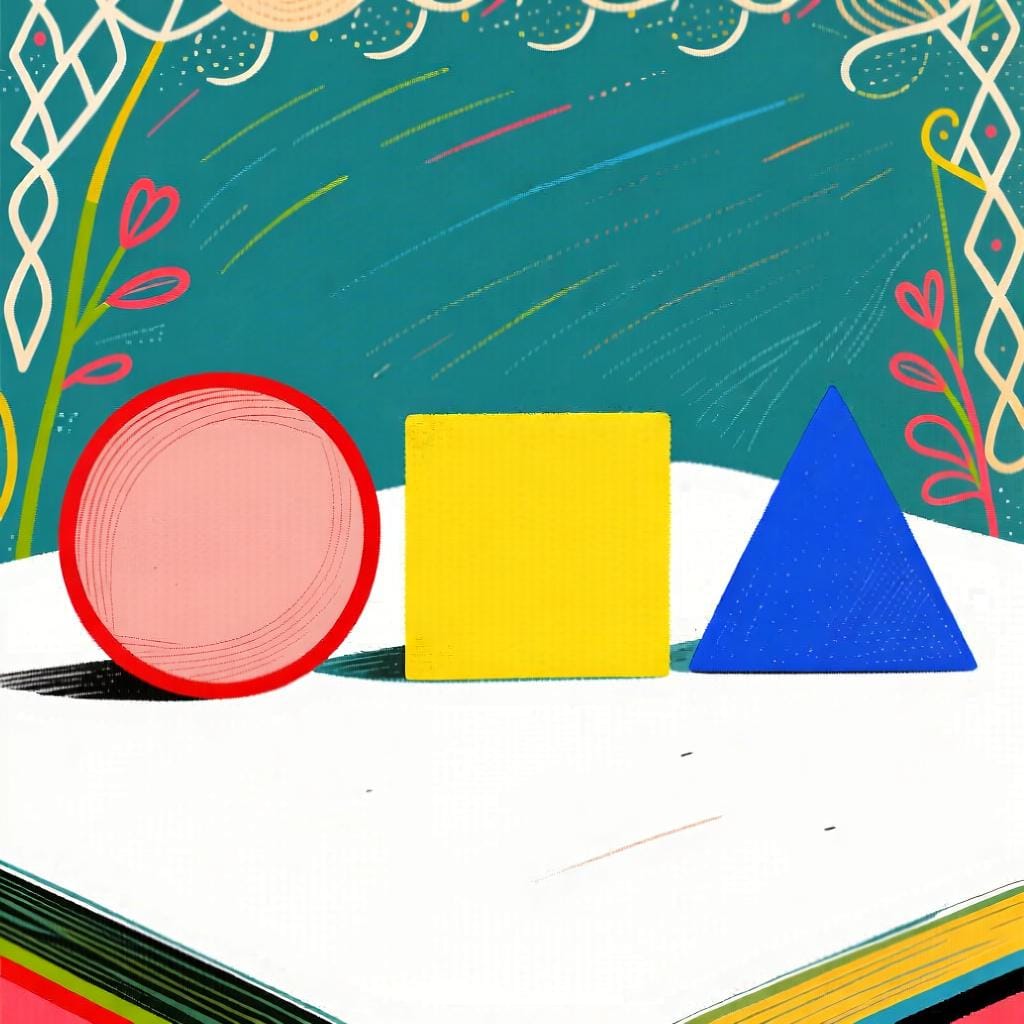
forma
for-mahˈfoɾma
Examples
La mesa tiene forma redonda.
The table has a round shape.
Me gusta la forma de esa botella.
I like the shape of that bottle.
El escultor dio forma a la arcilla.
The sculptor gave form to the clay.
Feminine Noun
Even though it doesn't end in '-a' in English, 'forma' is a feminine word in Spanish. Always use 'la forma' or 'una forma'.
imagen
ee-MAH-heniˈma.xen

Examples
Me encanta la imagen que tomaste de la puesta de sol.
I love the picture you took of the sunset.
La televisión tiene una imagen muy clara y nítida.
The television has a very clear and sharp picture.
En la iglesia había una imagen antigua de la virgen.
In the church there was an old statue of the virgin.
Feminine Noun Trick
Even though 'imagen' ends in '-en' and doesn't end in '-a', it is a feminine noun. Remember to use 'la' or 'una': la imagen.
Confusing Gender
Mistake: “El imagen es bonita.”
Correction: La imagen es bonita. (It's a tricky one, but nouns ending in -gen like *imagen* are usually feminine.)
cifra
SEE-frahˈθifɾa

Examples
Las cifras de ventas son mejores este año.
The sales figures are better this year.
La cifra total de asistentes fue de mil personas.
The total number of attendees was one thousand people.
El gobierno publicó las cifras del desempleo.
The government published the unemployment figures.
Abstract Totals
In business Spanish, 'cifra' often replaces 'cantidad' to sound more professional when discussing statistics.
personaje
per-soh-NA-hehpeɾsoˈnaxe

Examples
Es un personaje influyente en la política local.
He is an influential figure in local politics.
Ese señor es un personaje, siempre cuenta historias increíbles.
That man is quite a character; he always tells incredible stories.
Figurative Use
When used in this sense, 'personaje' often implies the person has a strong, distinctive, or sometimes eccentric personality, making them memorable like a character in a story.
silueta
see-loo-EH-tahsiˈlweta

Examples
Ella hace mucho deporte para mantener su silueta.
She does a lot of sports to maintain her figure.
Este vestido favorece mucho tu silueta.
This dress is very flattering for your figure.
El ejercicio regular ayuda a tonificar la silueta.
Regular exercise helps to tone the physique.
Body Descriptions
In Spanish, we use 'su silueta' to talk about 'his' or 'her' figure. The word itself doesn't change based on who you are talking about.
Confusion with 'Silueta'
Mistake: “Thinking 'silueta' only means a shadow.”
Correction: Remember that in a fashion or health context, it almost always refers to a person's physical body shape.
Figure vs. Number vs. Person
Related Translations
Learn Spanish with Inklingo
Interactive stories, personalized learning, and more.