How to Say "bulge" in Spanish
The most common Spanish word for “bulge” is “panza” — use 'panza' to describe the rounded, bulging part of a container like a jar or bottle, or informally for a person's belly.

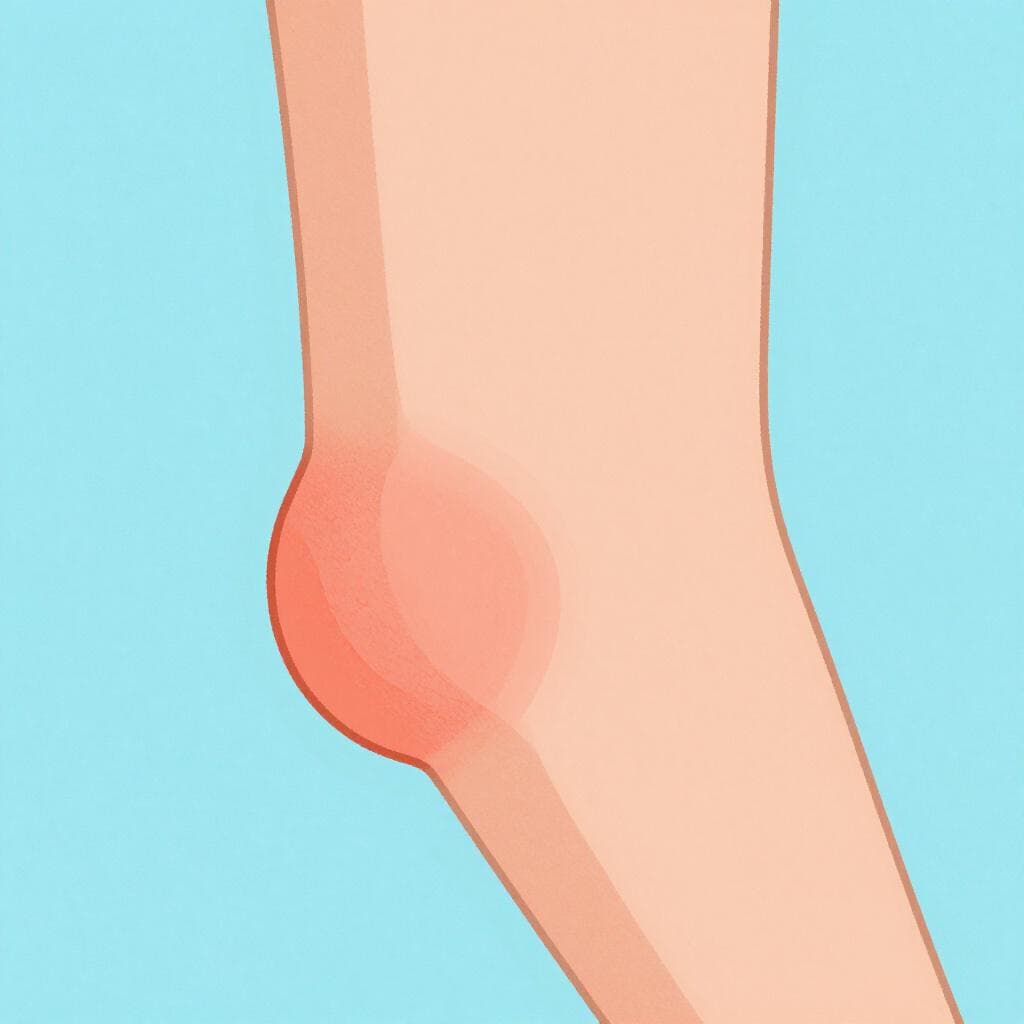
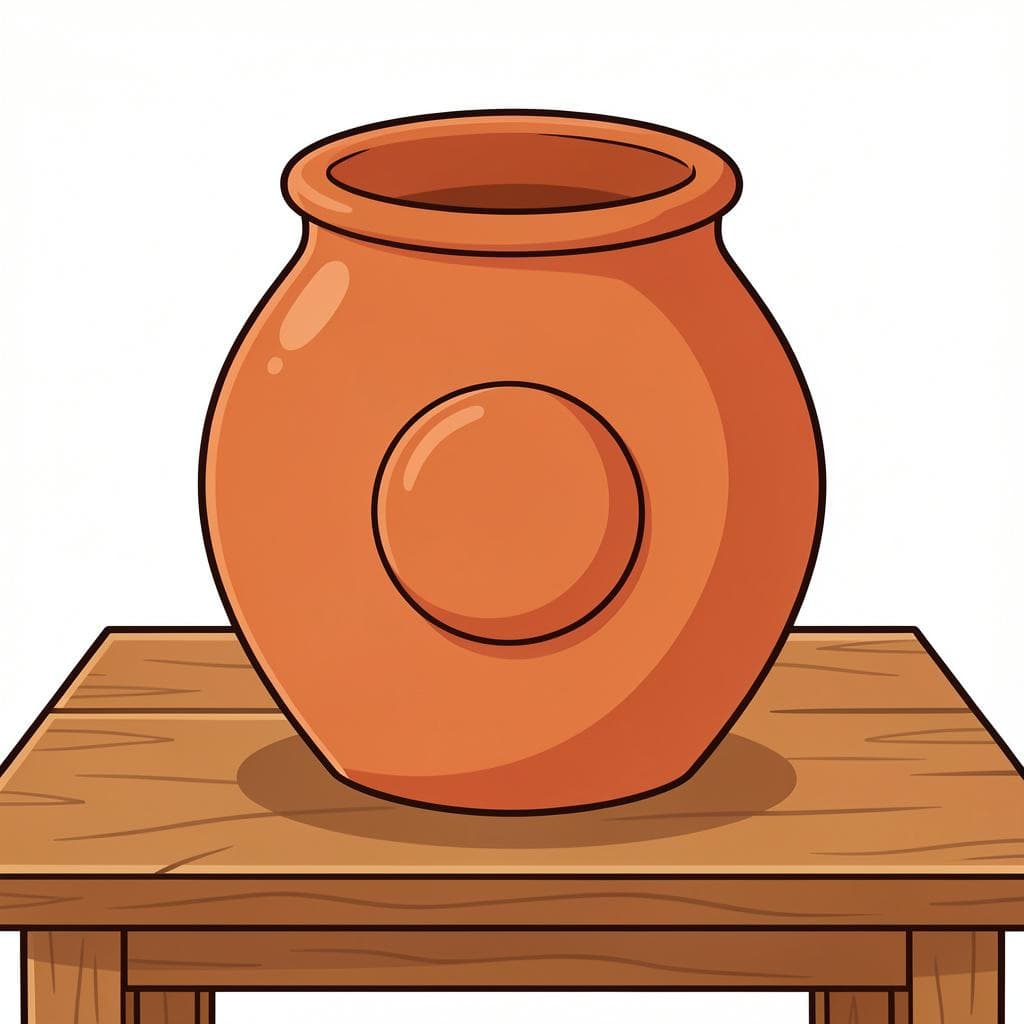
panza
PAHN-sahˈpansa
Examples
La panza de la botella está llena de agua.
The bulge of the bottle is full of water.
Me duele un poco la panza por comer tantos dulces.
My tummy hurts a bit from eating so many sweets.
El gato siempre duerme panza arriba en el sofá.
The cat always sleeps belly up on the sofa.
Esa jarra de barro tiene una panza muy ancha.
That clay jar has a very wide bulge.
Using 'the' instead of 'my'
When talking about your own body in Spanish, use 'la' (the) instead of 'mi' (my). For example, say 'Me duele la panza' instead of 'Me duele mi panza'.
Always Feminine
Even if a man has a large stomach, the word remains feminine: 'la panza'. Any adjectives describing it must also be feminine, like 'panza hinchada' (swollen belly).
Thinking it's a 'bad' word
Mistake: “Avoiding 'panza' because you think it is a swear word.”
Correction: It is not a swear word! It's just informal. You can use it with friends, family, and even children without being offensive.
bulto
BOOL-tohˈbulto

Examples
Se notaba un bulto sospechoso bajo su chaqueta.
A suspicious bulge was noticeable under his jacket.
Me salió un bulto en la rodilla después de la caída.
A lump appeared on my knee after the fall.
Se nota un bulto bajo la alfombra.
You can see a bulge under the rug.
El médico dice que el bulto no es peligroso.
The doctor says the lump is not dangerous.
Describing Locations
When talking about a lump on the body, use the preposition 'en' to say where it is located (e.g., 'en el cuello').
Bulto vs. Chichón
Mistake: “Calling a bump on the head from an accident a 'bulto'.”
Correction: Use 'chichón' specifically for that goose-egg bump you get from hitting your head.
barriga
bah-REE-gahbaˈriɣa
Examples
La barriga de la olla antigua era muy pronunciada.
The bulge of the old pot was very pronounced.
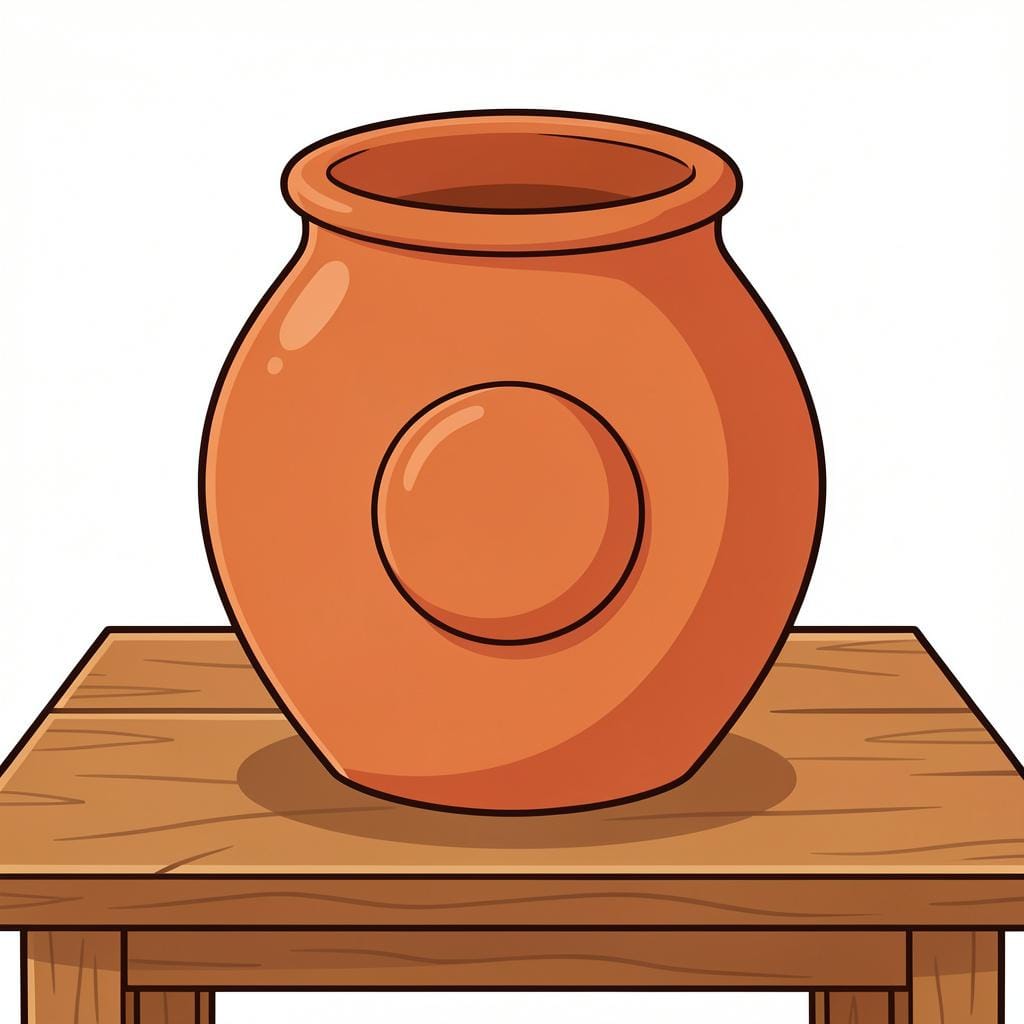
La barriga de esta jarra de barro es muy ancha.
The bulge of this clay jar is very wide.
La pared tiene una barriga y parece que se va a caer.
The wall has a bulge and looks like it's going to fall.
Descriptive Nouns
Many Spanish words for body parts are also used to describe parts of objects that look similar (like the 'eye' of a needle or 'belly' of a jar).
Panza vs. Barriga for Objects
Learn Spanish with Inklingo
Interactive stories, personalized learning, and more.