How to Say "bump" in Spanish
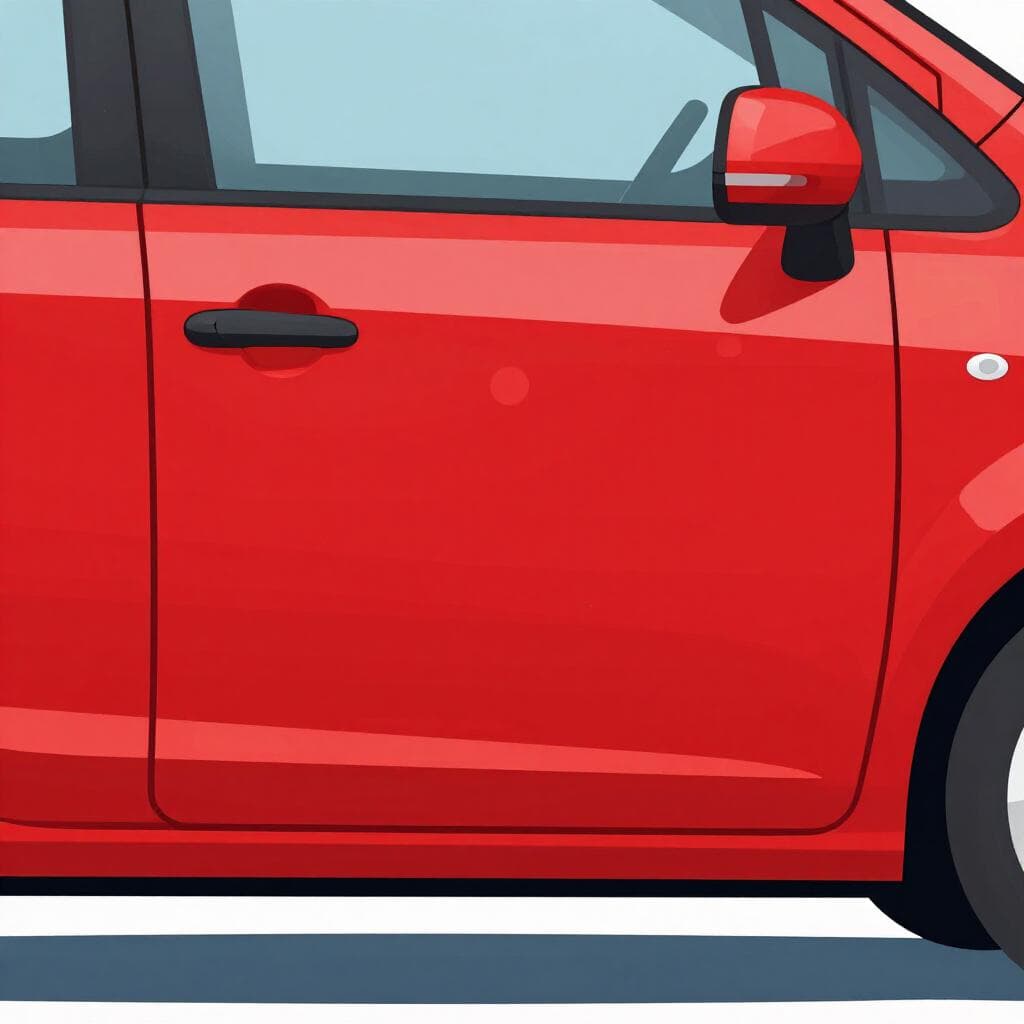
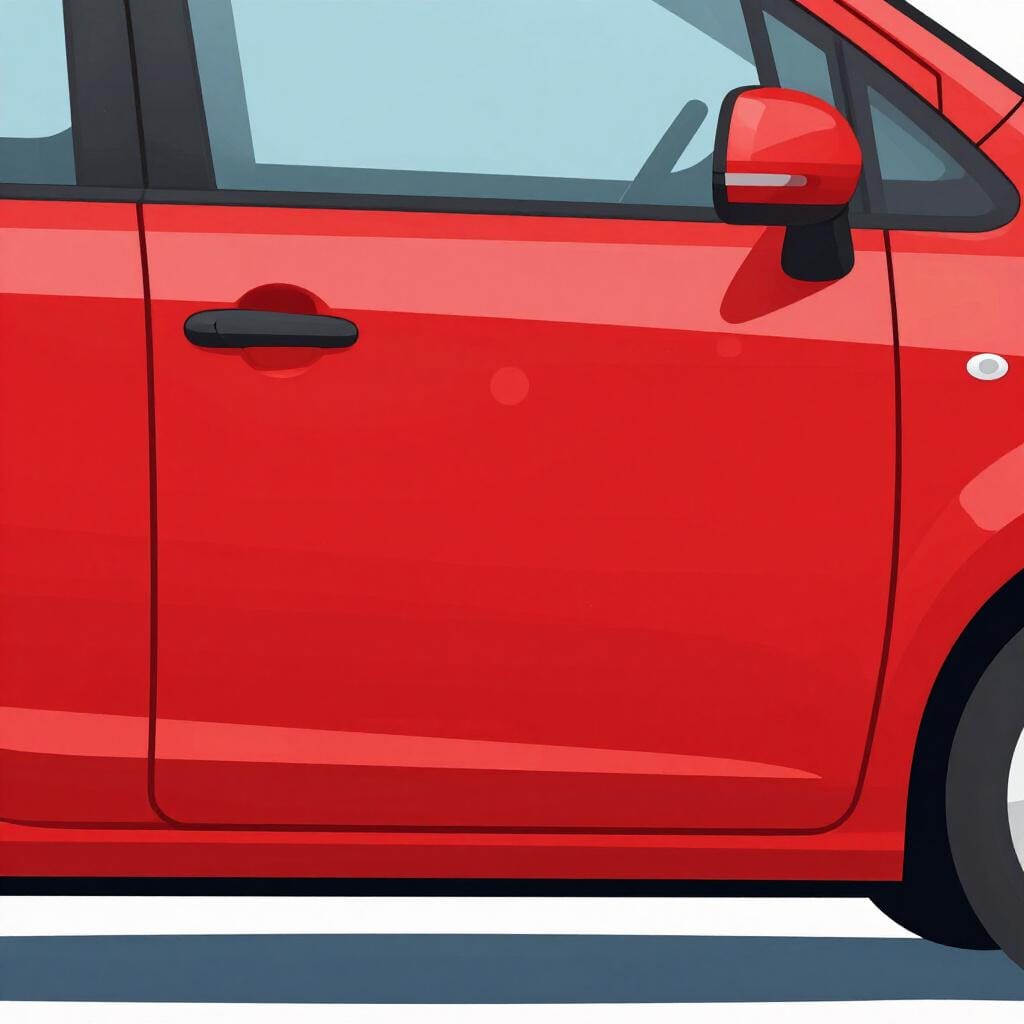
The most common Spanish word for “bump” is “bollo” — use 'bollo' when referring to a dent or a deformation on a surface, like a car or a piece of furniture.
BO-yoˈboʝo
Examples
Le hice un bollo al coche al aparcar.
I dented the car while parking.
Esta lata de conservas tiene un bollo.
This tin can has a dent.
Describing Damage
You use the verb 'hacer' (to make) or 'tener' (to have) with this word to describe damage to a car.
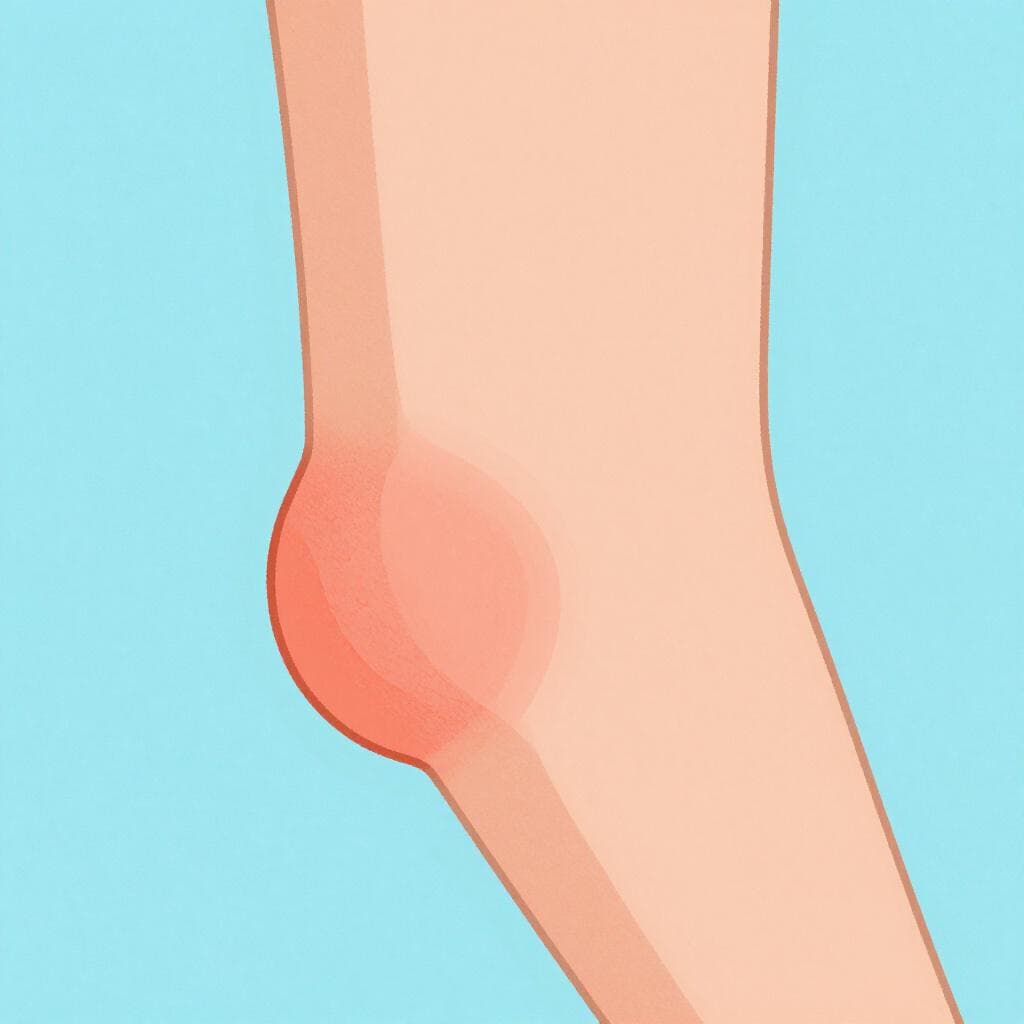
BOOL-tohˈbulto

Examples
Me salió un bulto en la rodilla después de la caída.
A lump appeared on my knee after the fall.
Se nota un bulto bajo la alfombra.
You can see a bulge under the rug.
El médico dice que el bulto no es peligroso.
The doctor says the lump is not dangerous.
Describing Locations
When talking about a lump on the body, use the preposition 'en' to say where it is located (e.g., 'en el cuello').
Bulto vs. Chichón
Mistake: “Calling a bump on the head from an accident a 'bulto'.”
Correction: Use 'chichón' specifically for that goose-egg bump you get from hitting your head.
Bollo vs. Bulto
Learners often confuse 'bollo' and 'bulto' because both can describe an undesirable mark. Remember that 'bollo' is for inanimate objects (like a dented car), while 'bulto' is for a raised area on a living being (like a bump on your head).
Related Translations
Learn Spanish with Inklingo
Interactive stories, personalized learning, and more.