How to Say "fuss" in Spanish
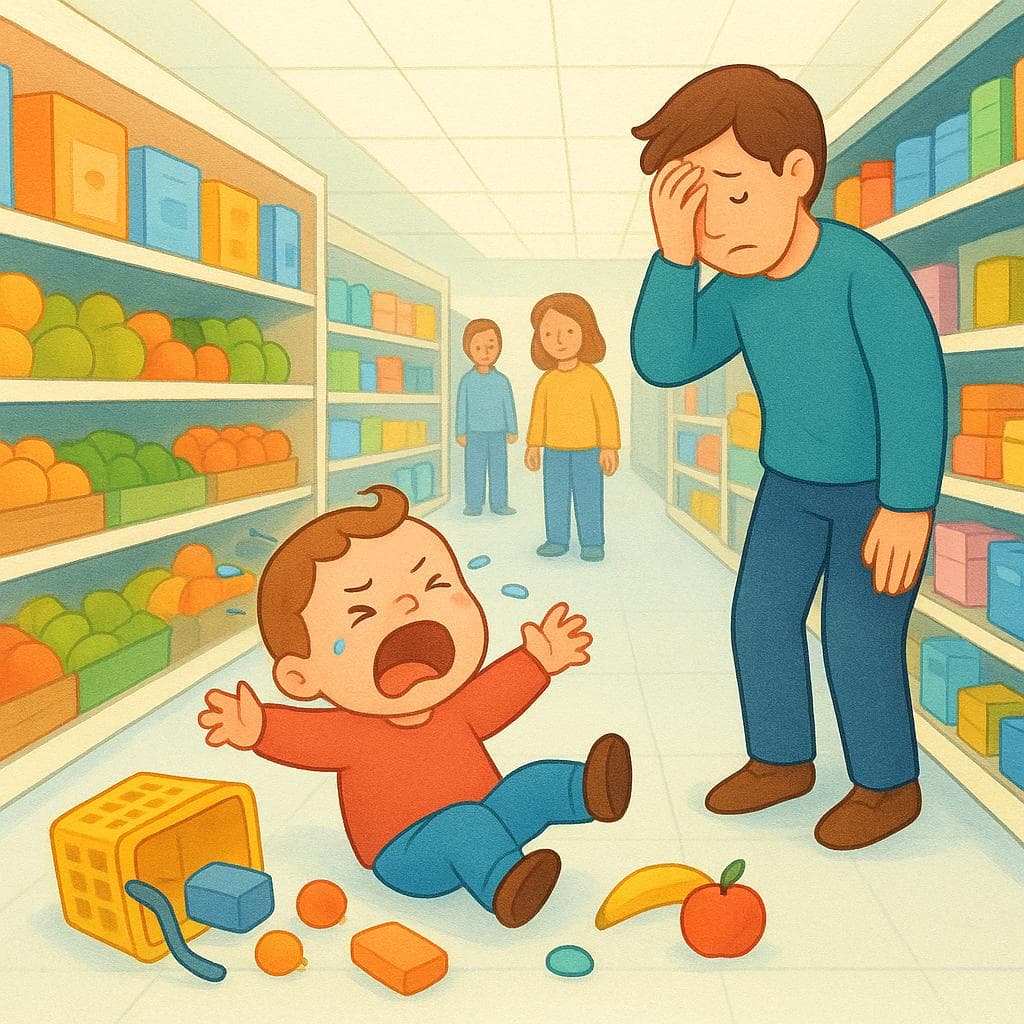
The most common Spanish word for “fuss” is “drama” — use 'drama' when someone is making an unnecessary and exaggerated emotional reaction to something minor.






drama
DRAH-mahˈdɾa.ma

Examples
Por favor, no hagas un drama por llegar cinco minutos tarde.
Please, don't make a fuss (or 'drama') about being five minutes late.
Ella siempre tiene algún drama con sus amigos.
She always has some kind of trouble/drama with her friends.
Mi hermana es una reina del drama; todo es exagerado.
My sister is a drama queen; everything is exaggerated.
Using 'Hacer'
The most common way to talk about creating a scene is 'hacer un drama' (to make a drama), similar to 'hacer un escándalo'.
Confusing Gender
Mistake: “La drama es muy aburrida.”
Correction: El drama es muy aburrido. Remember to use the masculine article 'el' and masculine adjectives.
escena
es-SEH-nahesˈsena
Examples
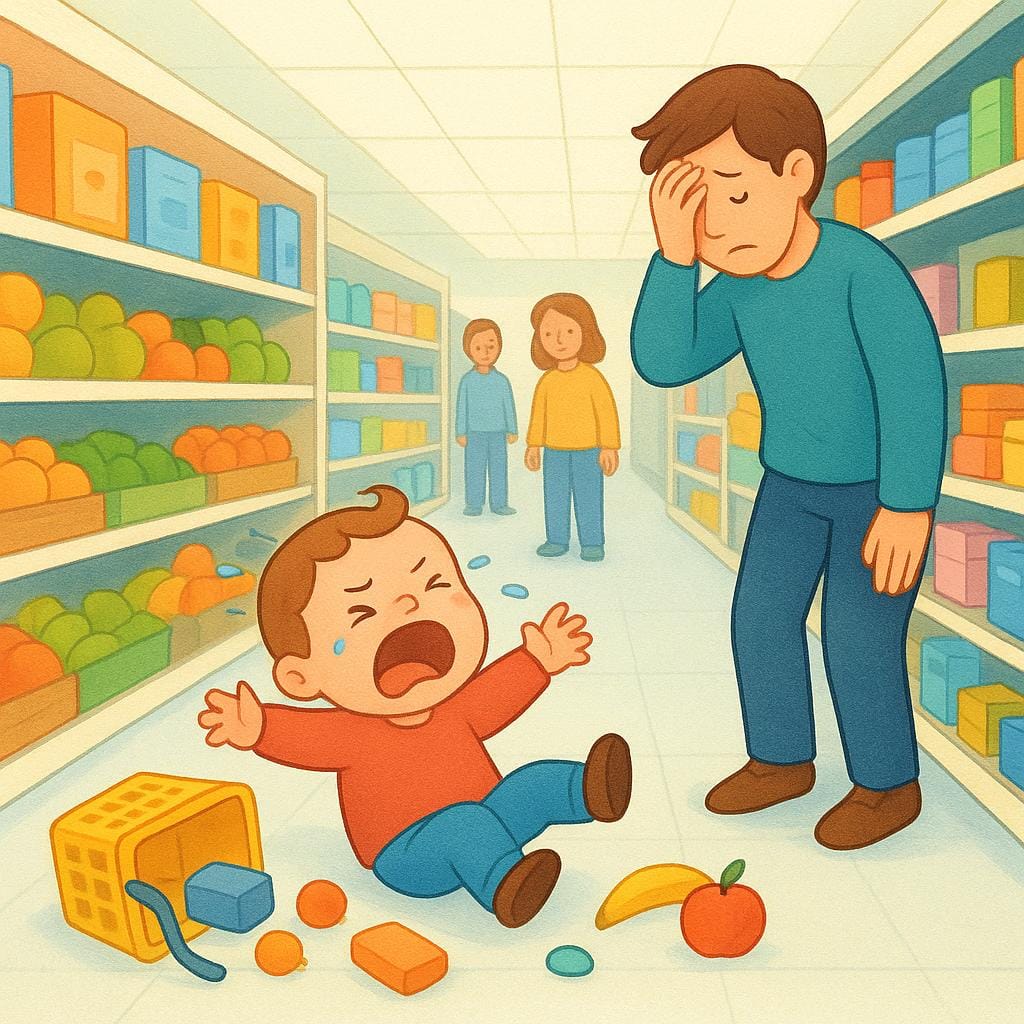
Por favor, no hagas una escena aquí en el restaurante.
Please, don't make a scene here in the restaurant.
Mi hermano pequeño montó una escena en el supermercado porque quería un dulce.
My little brother made a scene in the supermarket because he wanted a candy.
alboroto
al-bo-RO-toalβoˈɾoto
Examples
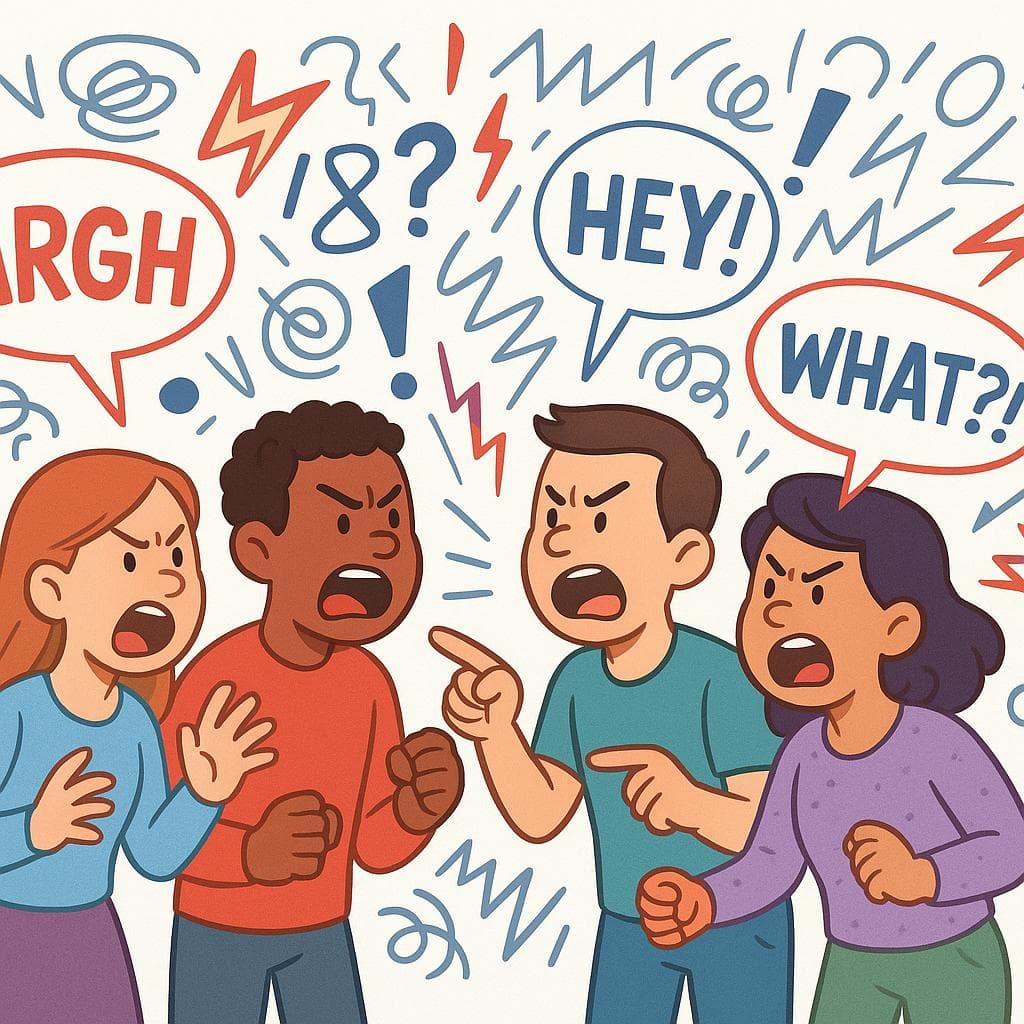
Los niños armaron un alboroto en el patio de recreo.
The children caused a commotion in the playground.
Hubo tanto alboroto en la calle que no pude dormir.
There was so much noise (racket) in the street that I couldn't sleep.
El director tuvo que intervenir para detener el alboroto que se había formado.
The principal had to intervene to stop the uproar that had developed.
Gender Check
'Alboroto' is a masculine noun, so always use 'el' or 'un' before it: 'El alboroto fue terrible' (The racket was terrible).
Confusing Noun and Verb
Mistake: “Using 'alboroto' when you mean the action of making noise, which is 'alborotar.'”
Correction: Use 'alboroto' for the noise itself (the thing), and 'alborotar' (to cause a disturbance) for the action: 'Él alborota' (He causes a disturbance).
ruido
RWE-doˈrwiðo
Examples
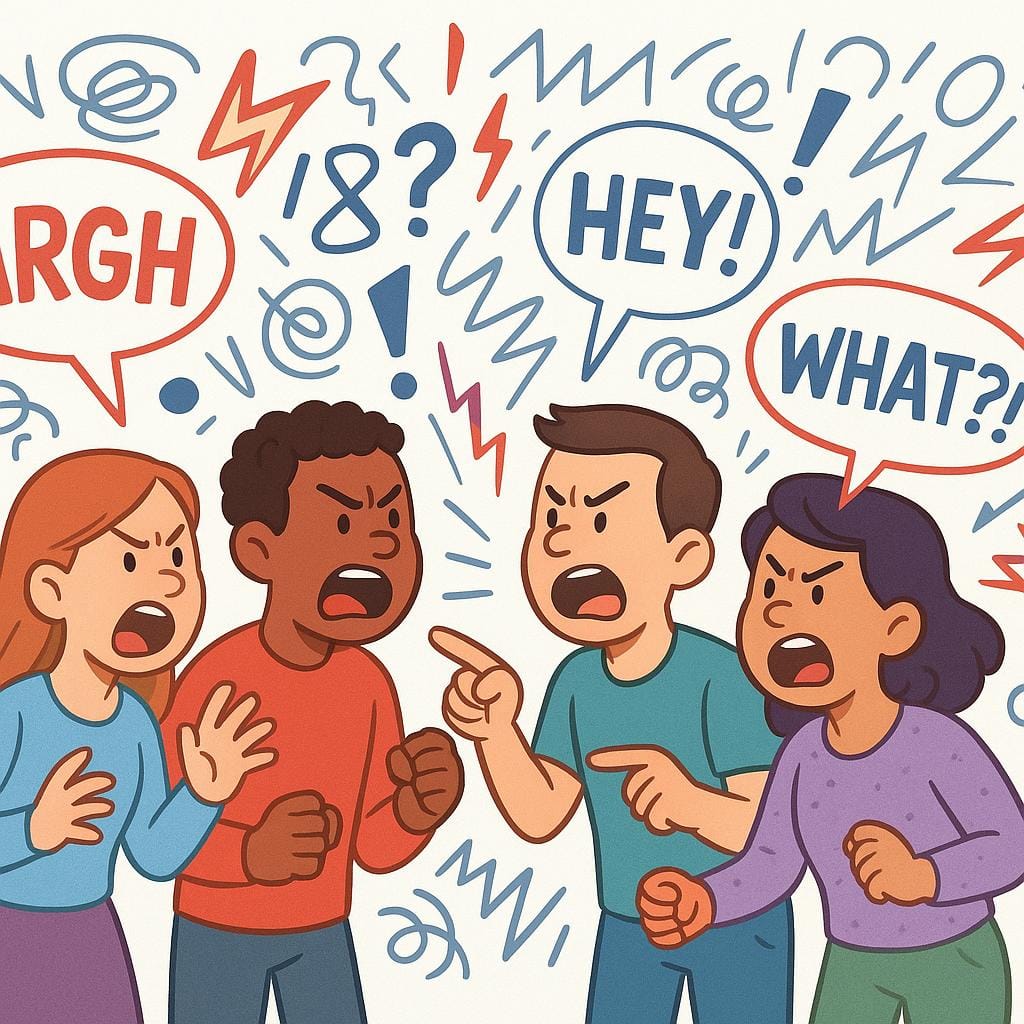
El nuevo proyecto del gobierno causó mucho ruido en la prensa.
The government's new project caused a lot of fuss in the press.
No hagas ruido por algo tan pequeño.
Don't make a fuss over something so small.
Su renuncia fue un ruido mediático que duró una semana.
His resignation was a media uproar that lasted one week.
Figurative Use
In this context, 'ruido' is often used with words like 'político' or 'mediático' to mean general disturbance or drama, not necessarily actual loud sounds.
show
shouʃoʊ

Examples
No hagas un show en la calle.
Don't make a scene in the street.
Fue todo un show convencerlo de venir.
It was a real ordeal/drama to convince him to come.
¡Menudo show montó ella en la fiesta!
What a scene she made at the party!
Using 'Montar'
To say someone 'made' a scene, Spanish often uses the verb 'montar' (to mount/put together) instead of just 'hacer' (to make).
Literal Translation
Mistake: “Hacer una escena”
Correction: Hacer un show / Montar un show. While 'hacer una escena' is understood, 'show' is much more common in colloquial spoken Spanish to describe dramatic behavior.
ceremonia
seh-reh-MOH-nee-ahse.ɾeˈmo.nja
Examples
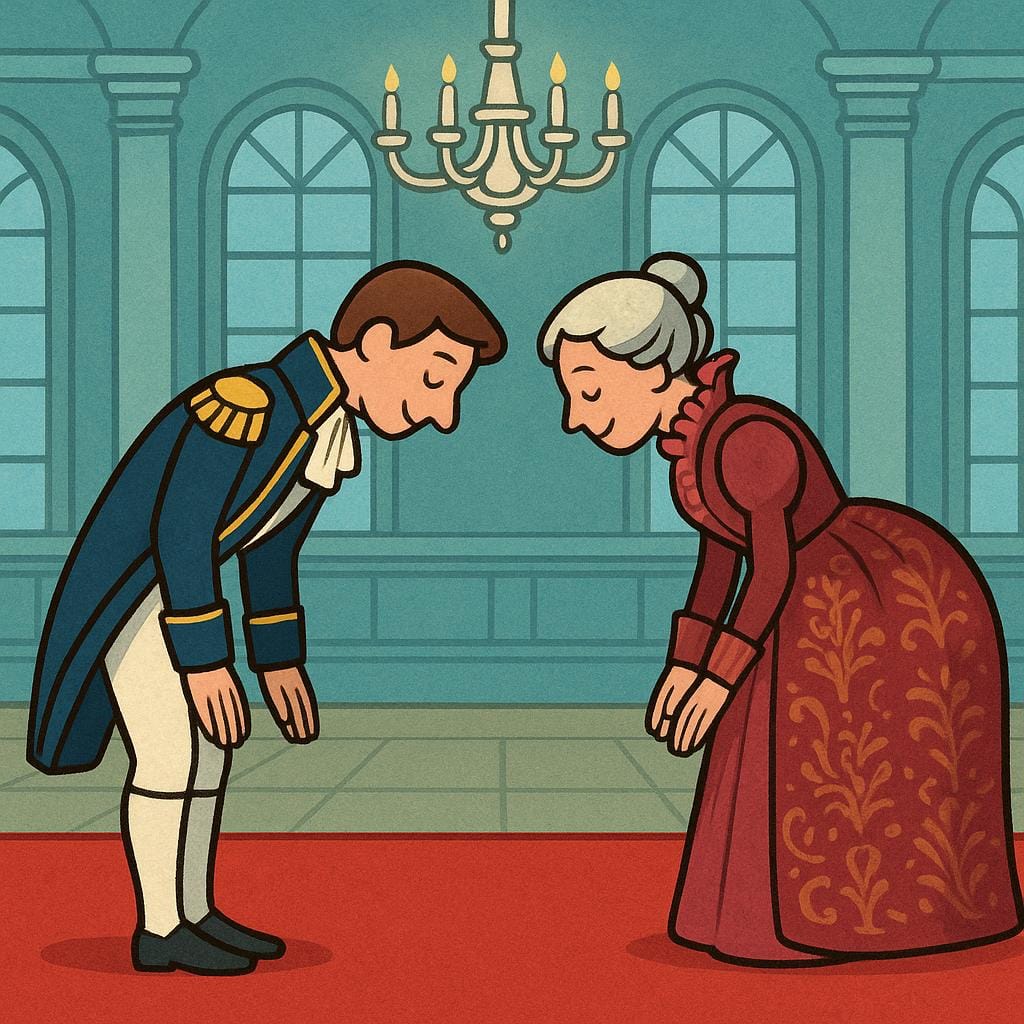
Deja tanta ceremonia, somos amigos.
Stop with all the fuss/formality, we are friends.
Entró en la casa sin ninguna ceremonia.
She entered the house without any formality (casually).
Using 'Tanta'
When talking about excessive formality, 'ceremonia' is often paired with 'tanta' (so much) to emphasize that the behavior is annoying or unnecessary: '¡No hagas tanta ceremonia!' (Don't make such a big deal out of it!).
bollo
BO-yoˈboʝo

Examples
¡Vaya bollo se armó en la calle!
What a mess/commotion broke out in the street!
No quiero meterme en ese bollo.
I don't want to get involved in that mess.
Using 'Vaya' for Emphasis
We often use 'vaya' before 'bollo' to express surprise or annoyance at a messy situation.
historia
is-TO-ryaisˈto.ɾja

Examples
No me vengas con historias, sé que no hiciste la tarea.
Don't give me that story, I know you didn't do the homework.
Siempre que llega tarde, tiene una historia nueva.
Whenever he's late, he has a new story (excuse).
¡Déjate de historias y ayúdame!
Stop messing around and help me!
teatro
teh-AH-trohteˈatɾo

Examples
Deja el teatro y dime qué pasó de verdad.
Stop the drama/show and tell me what really happened.
Su reacción fue puro teatro, no estaba realmente enfadada.
Her reaction was pure theater/acting; she wasn't actually angry.
aparato
ah-pah-RAH-toha.paˈɾa.to

Examples
Montaron un gran aparato para la visita del presidente.
They put on a big show (or display of resources) for the president's visit.
No me gusta el aparato que hace cuando tiene que hablar en público.
I don't like the fuss/show he makes when he has to speak in public.
Figurative Use
This meaning usually implies that the effort or complexity involved is unnecessary or overly theatrical. It's often used with verbs like 'montar' (to set up/mount).
escándalo
Examples
¡Bajen la voz! Están haciendo mucho escándalo.
Lower your voices! You are making a lot of noise/racket.
Drama vs. Escena
Related Translations
Learn Spanish with Inklingo
Interactive stories, personalized learning, and more.