How to Say "uproar" in Spanish
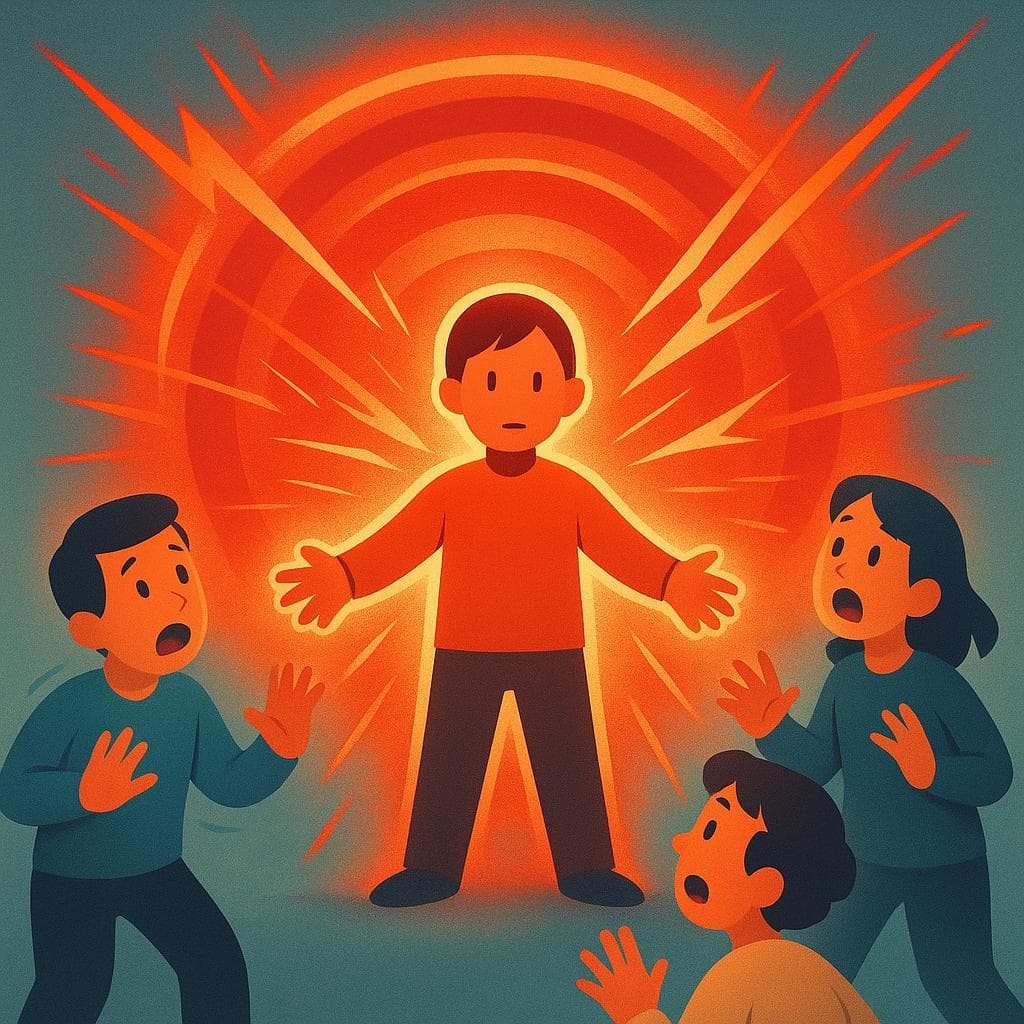
The most common Spanish word for “uproar” is “alboroto” — use 'alboroto' for a noisy commotion or disturbance, often caused by people, especially children, behaving disruptively.

alboroto
al-bo-RO-toalβoˈɾoto

Examples
Los niños armaron un alboroto en el patio de recreo.
The children caused a commotion in the playground.
Hubo tanto alboroto en la calle que no pude dormir.
There was so much noise (racket) in the street that I couldn't sleep.
El director tuvo que intervenir para detener el alboroto que se había formado.
The principal had to intervene to stop the uproar that had developed.
Gender Check
'Alboroto' is a masculine noun, so always use 'el' or 'un' before it: 'El alboroto fue terrible' (The racket was terrible).
Confusing Noun and Verb
Mistake: “Using 'alboroto' when you mean the action of making noise, which is 'alborotar.'”
Correction: Use 'alboroto' for the noise itself (the thing), and 'alborotar' (to cause a disturbance) for the action: 'Él alborota' (He causes a disturbance).
escándalo
Examples
¡Bajen la voz! Están haciendo mucho escándalo.
Lower your voices! You are making a lot of noise/racket.
incendio
een-SEN-dee-ohinˈθen.djo
Examples
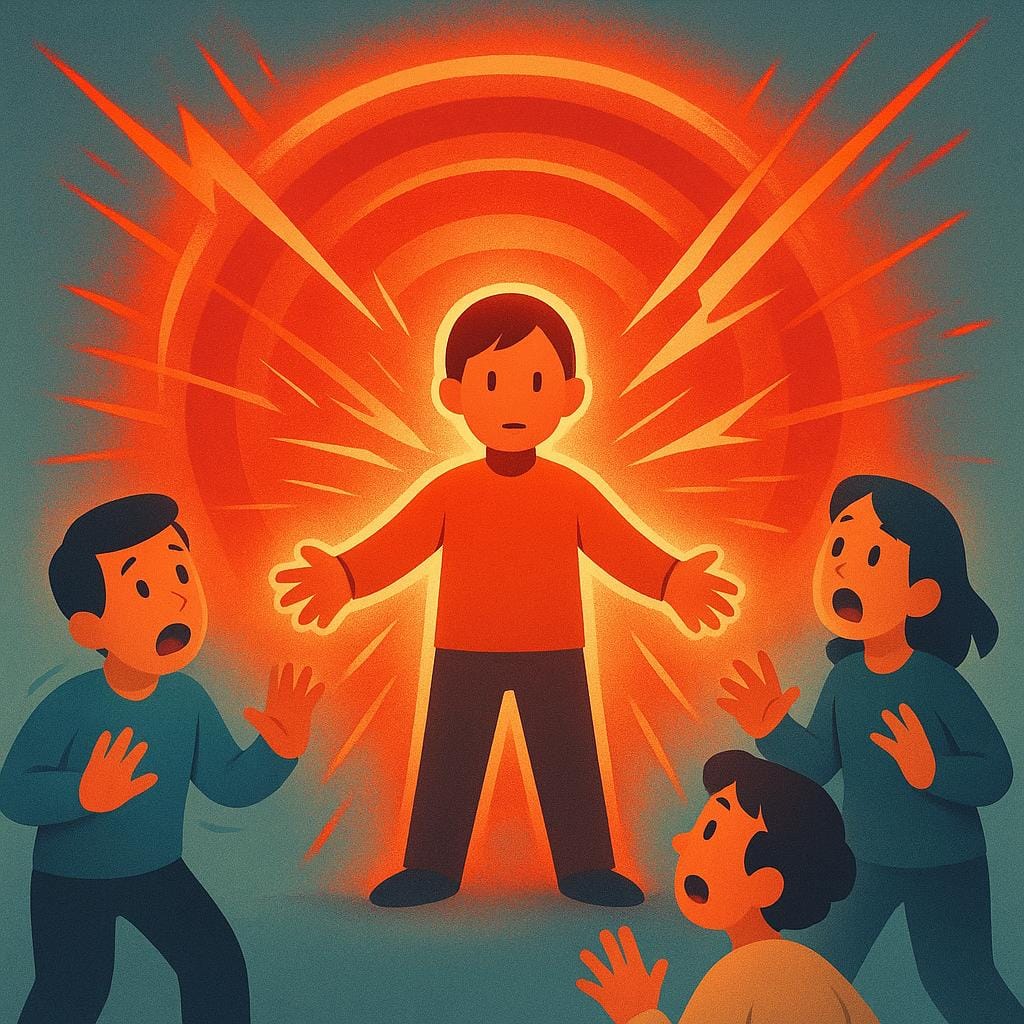
Las declaraciones del ministro causaron un incendio político.
The minister's statements caused a political firestorm.
Sentía un incendio de celos cada vez que ella hablaba con otro.
He felt a storm of jealousy every time she spoke to someone else.
Distinguishing 'Alboroto' from 'Escándalo'
Related Translations
Learn Spanish with Inklingo
Interactive stories, personalized learning, and more.