How to Say "racket" in Spanish
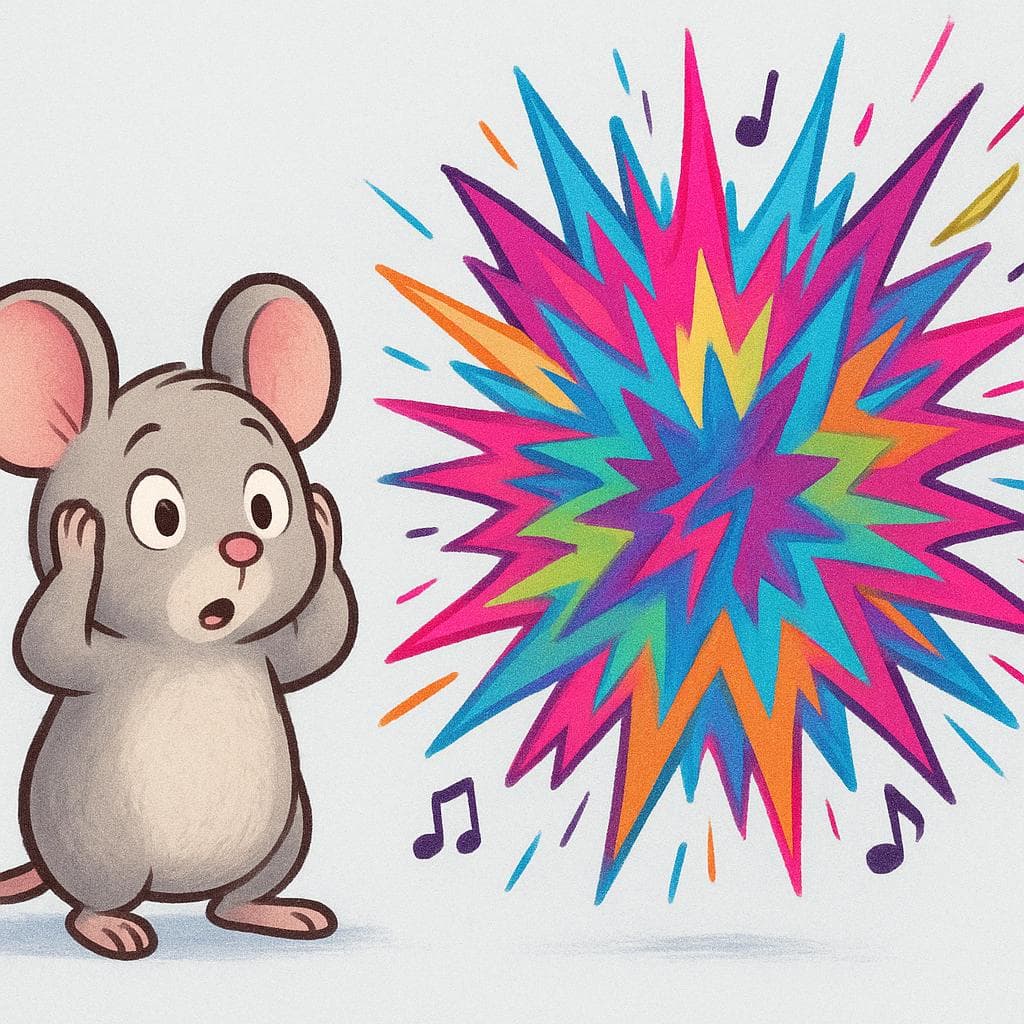
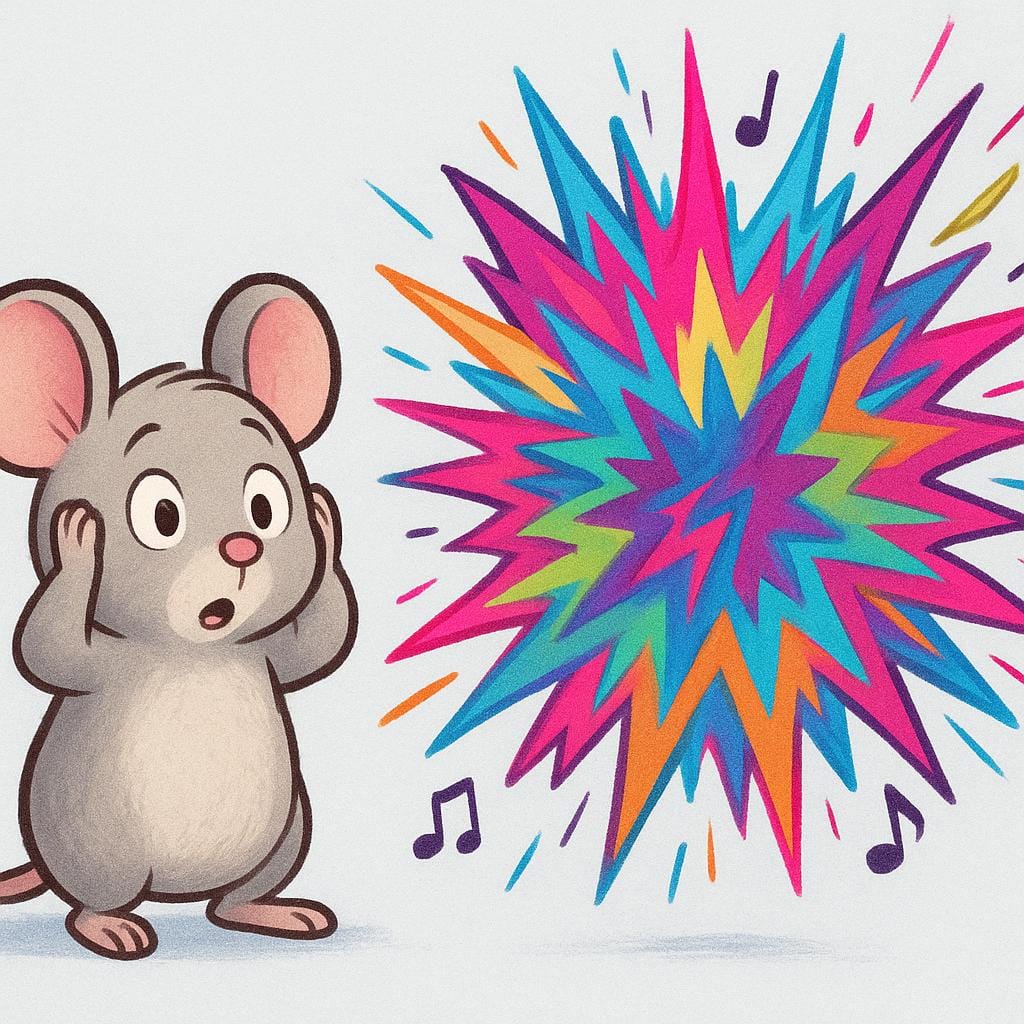
The most common Spanish word for “racket” is “ruido” — use 'ruido' for any loud or annoying noise, especially when it interferes with peace or quiet.

ruido
RWE-doˈrwiðo
Examples
No puedo dormir porque los vecinos hacen mucho ruido.
I can't sleep because the neighbors make a lot of noise.
Escuché un ruido extraño en la cocina anoche.
I heard a strange sound in the kitchen last night.
Baja la música, por favor. Hay demasiado ruido aquí.
Turn down the music, please. There is too much noise here.
Masculine Noun
Remember that 'ruido' is always masculine, so it always uses 'el' (el ruido) and requires masculine adjectives (un ruido fuerte).
Using 'tener' instead of 'haber'
Mistake: “La calle tiene mucho ruido.”
Correction: Hay mucho ruido en la calle. (You use 'hay' to say that noise exists in a place, not 'tener' which means 'to have'.)
alboroto
al-bo-RO-toalβoˈɾoto
Examples
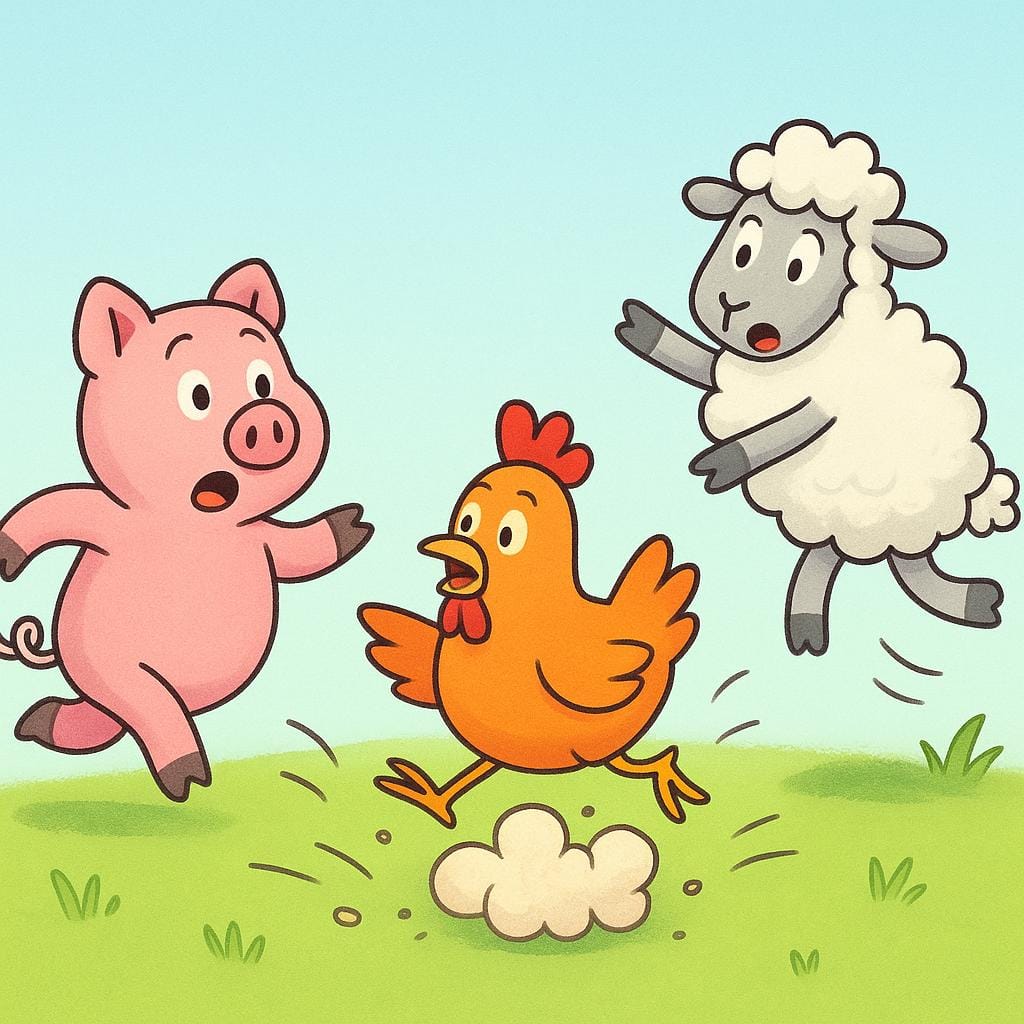
Los niños armaron un alboroto en el patio de recreo.
The children caused a commotion in the playground.
Hubo tanto alboroto en la calle que no pude dormir.
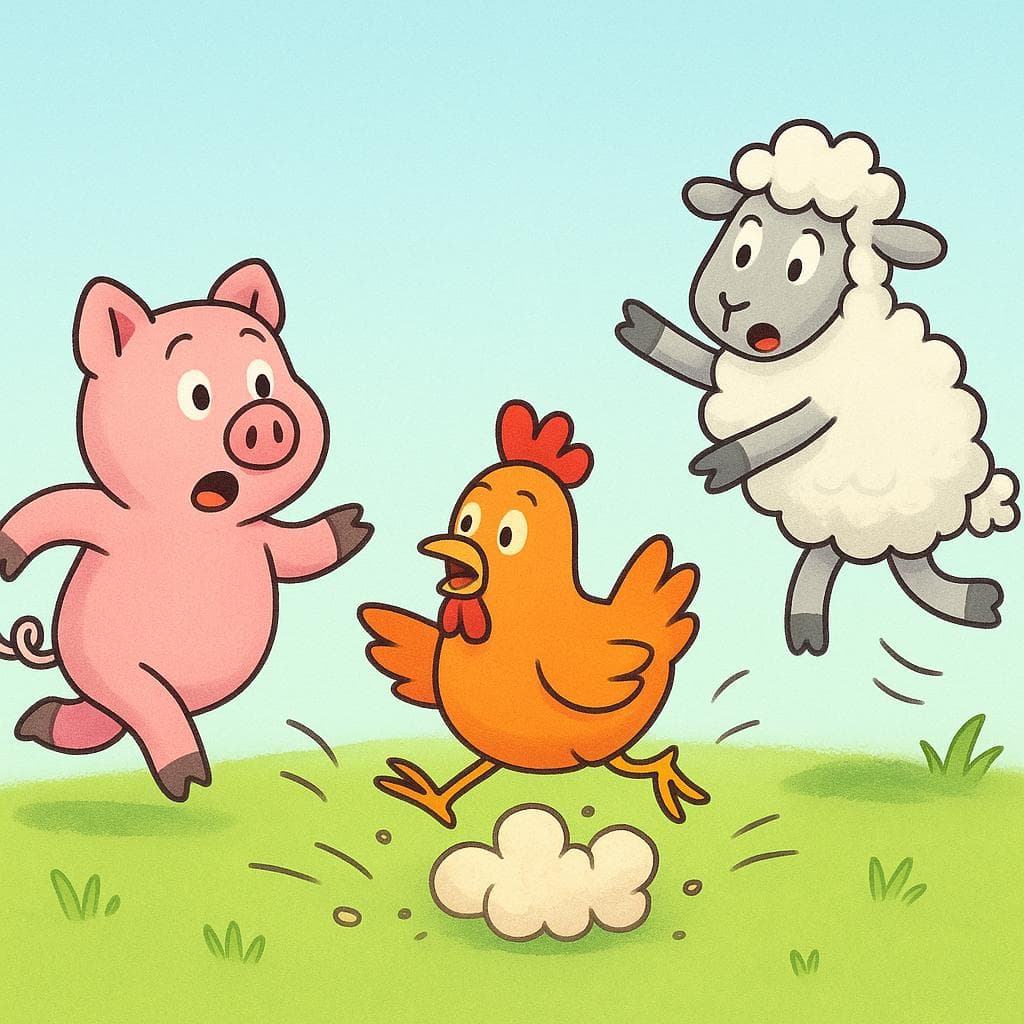
There was so much noise (racket) in the street that I couldn't sleep.
El director tuvo que intervenir para detener el alboroto que se había formado.
The principal had to intervene to stop the uproar that had developed.
Gender Check
'Alboroto' is a masculine noun, so always use 'el' or 'un' before it: 'El alboroto fue terrible' (The racket was terrible).
Confusing Noun and Verb
Mistake: “Using 'alboroto' when you mean the action of making noise, which is 'alborotar.'”
Correction: Use 'alboroto' for the noise itself (the thing), and 'alborotar' (to cause a disturbance) for the action: 'Él alborota' (He causes a disturbance).
escándalo
Examples
¡Bajen la voz! Están haciendo mucho escándalo.
Lower your voices! You are making a lot of noise/racket.
pala
PAH-lahˈpala
Examples
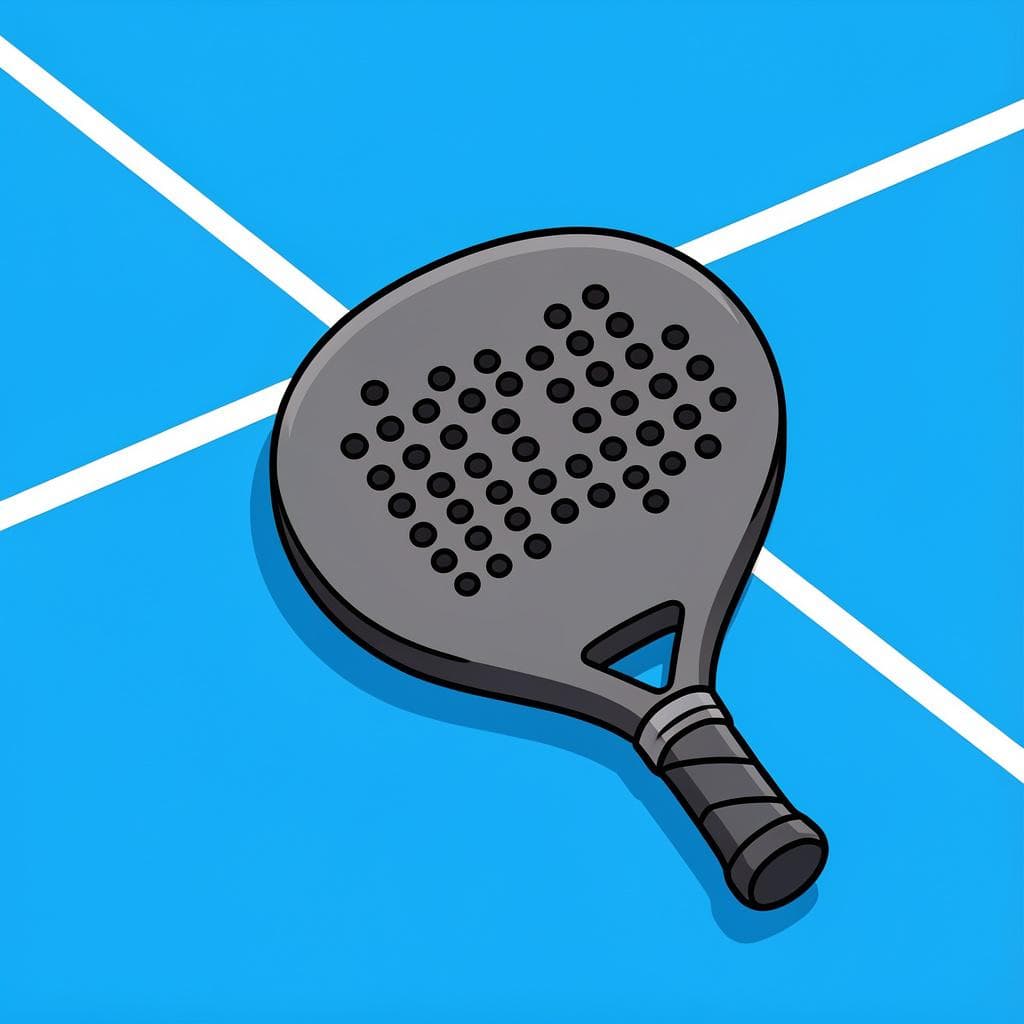
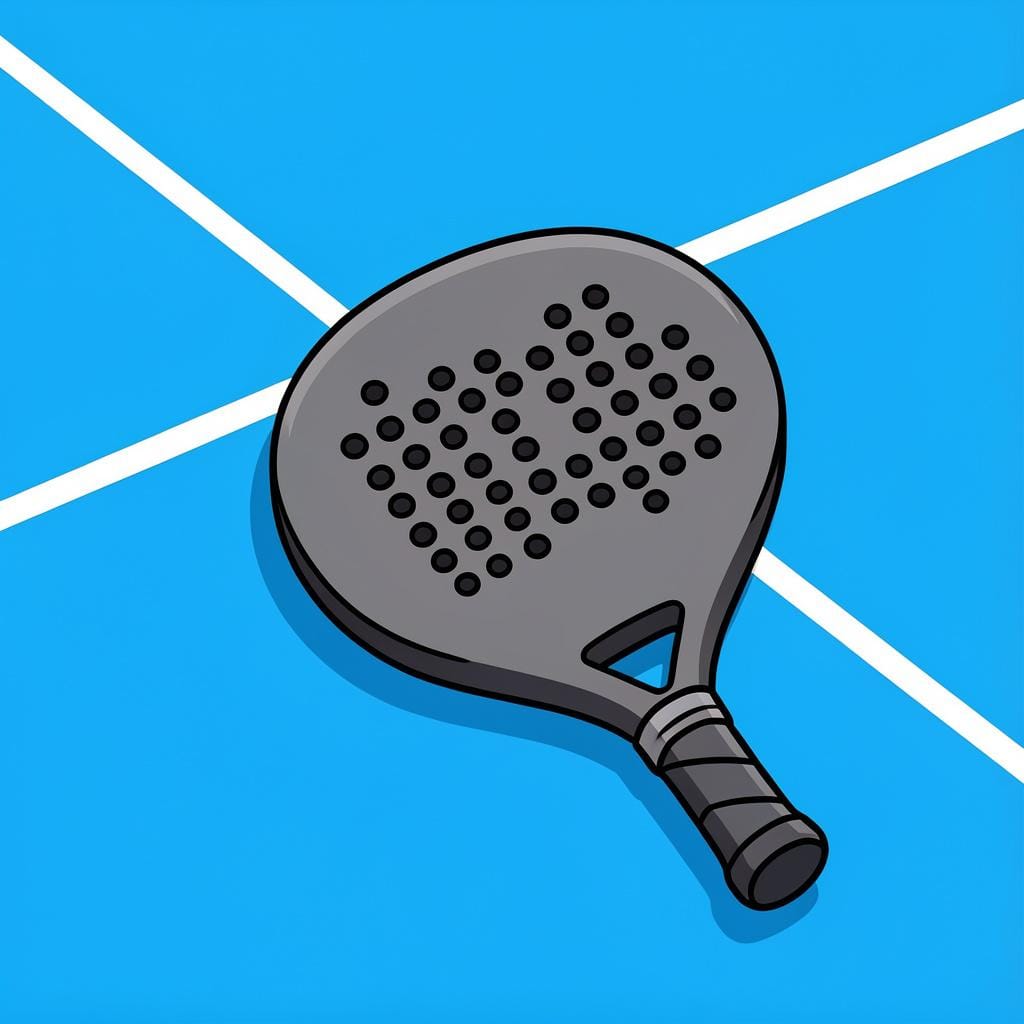
Mi pala de pádel es muy ligera.
My padel paddle is very light.
¿Me prestas tu pala para jugar?
Can I borrow your paddle to play?
paleta
pah-LEH-tahpaˈleta
Examples
Se me olvidó mi paleta de ping-pong en casa.
I forgot my ping-pong paddle at home.
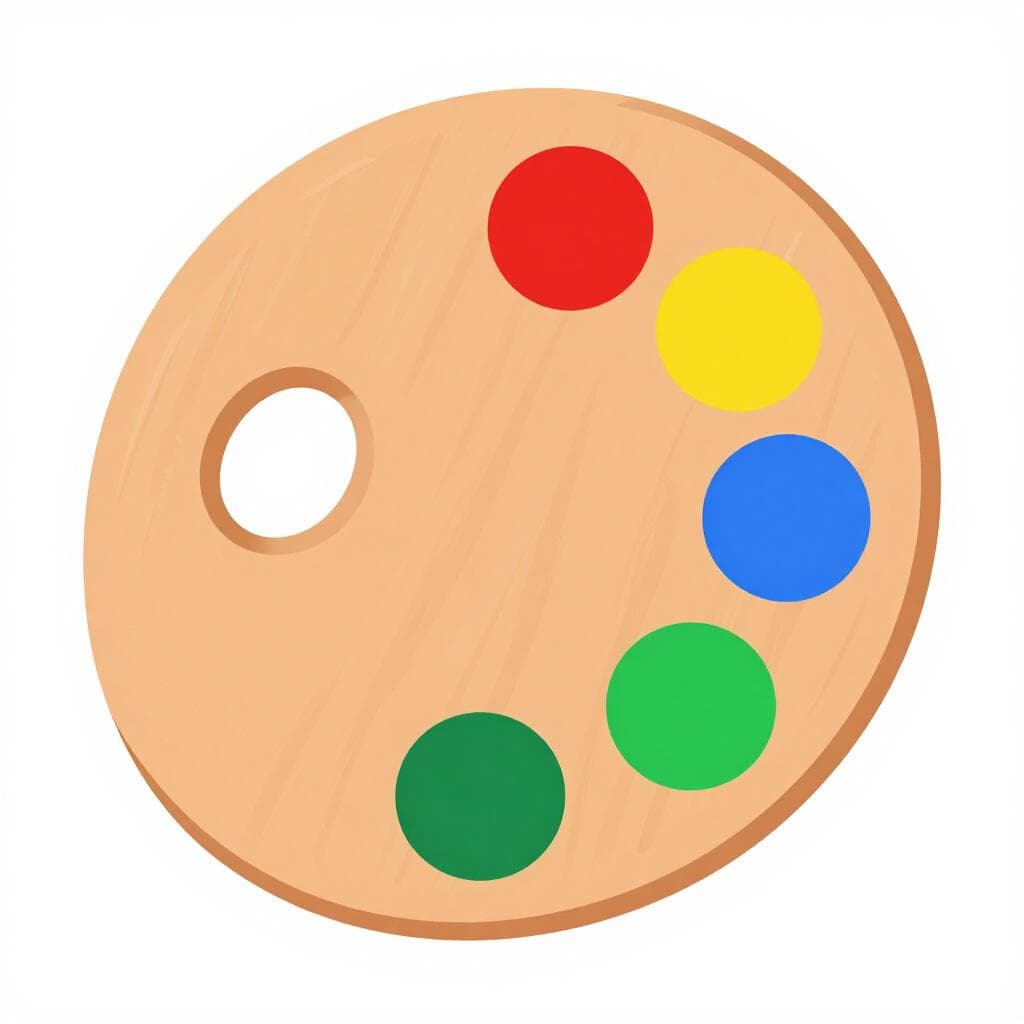
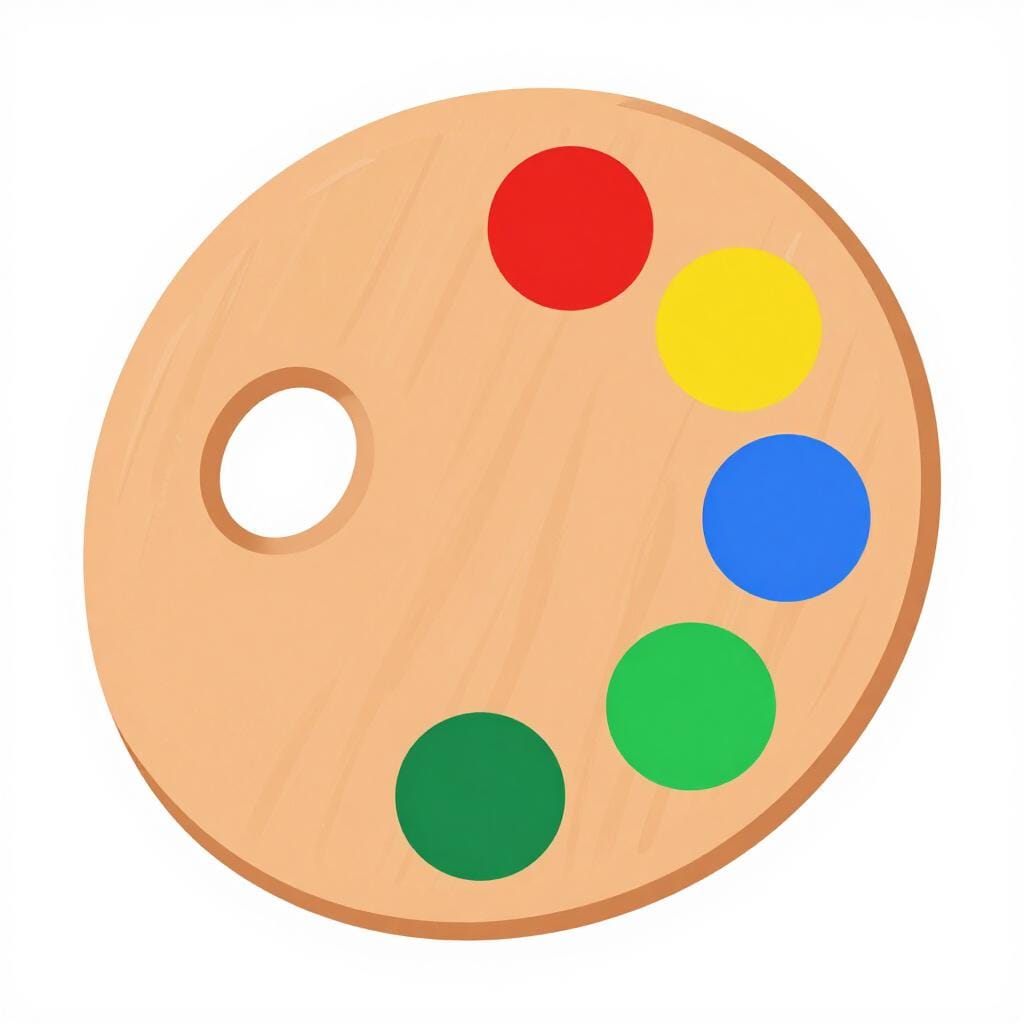
El pintor mezcló el azul y el blanco en su paleta.
The painter mixed blue and white on his palette.
El albañil usa la paleta para poner el cemento.
The bricklayer uses the trowel to put the cement.
Necesito una paleta nueva para jugar al ping-pong.
I need a new paddle to play ping-pong.
One word, many tools
Think of 'paleta' as any tool that is flat and has a handle.
trama
TRAH-mahˈtɾama

Examples
La policía descubrió una trama de corrupción en el ayuntamiento.
The police discovered a corruption scheme in the city hall.
Estaban involucrados en una trama para evadir impuestos.
They were involved in a conspiracy to evade taxes.
Nadie sospechaba de la trama criminal.
Nobody suspected the criminal racket.
Talking about Crimes
In this context, 'trama' is almost always followed by the word 'de' and the specific type of bad activity (e.g., trama de engaños).
Noise vs. Equipment vs. Scheme
Related Translations
Learn Spanish with Inklingo
Interactive stories, personalized learning, and more.