How to Say "blade" in Spanish
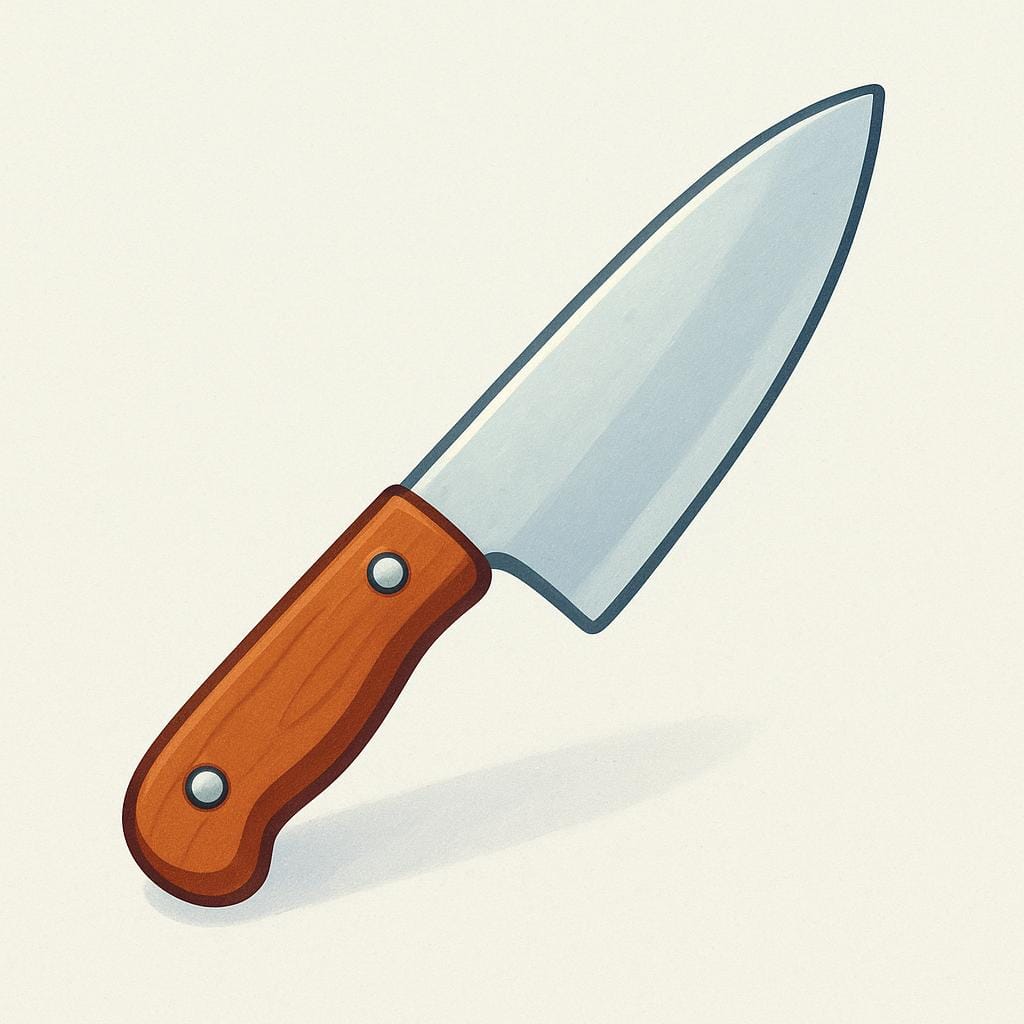
The most common Spanish word for “blade” is “cuchillo” — use 'cuchillo' when referring to the entire knife as a tool or weapon, not just its sharp cutting part.
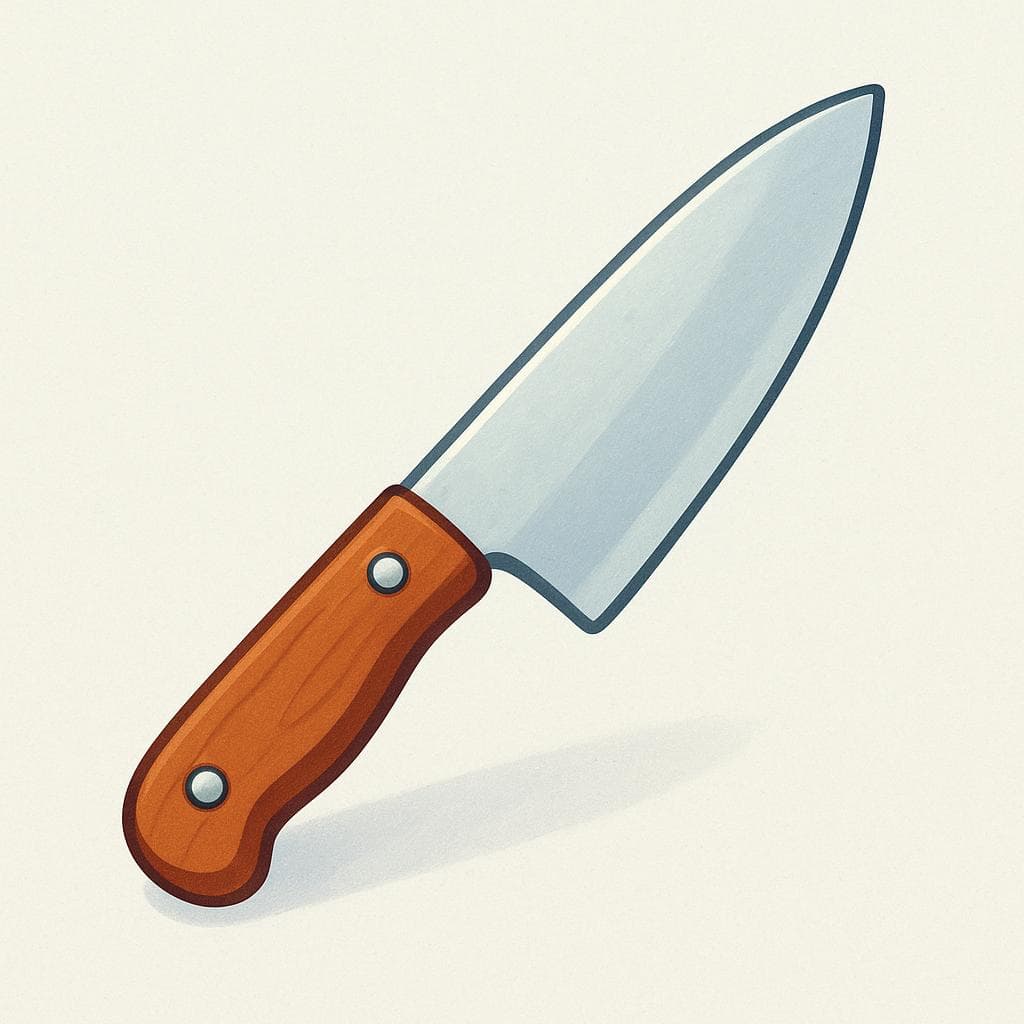

cuchillo
koo-CHEE-yokuˈtʃiʎo
Examples
El cuchillo de cocina está muy afilado.
The kitchen knife is very sharp.
¿Puedes pasarme el cuchillo para cortar el pan?
Can you pass me the knife to cut the bread?
El chef afila su cuchillo antes de empezar a cocinar.
The chef sharpens his knife before starting to cook.
Ten cuidado, ese cuchillo es muy viejo y no tiene mango.
Be careful, that knife is very old and doesn't have a handle.
Identifying Gender
'Cuchillo' ends in '-o', which is the most common pattern for masculine words. Always pair it with 'el' (the) or 'un' (a).
Using the Wrong Article
Mistake: “Saying 'La cuchillo' when asking for the knife.”
Correction: Since it's masculine, you must say 'El cuchillo' or 'Un cuchillo'. Remember: 'el' for knife, 'la' for spoon ('cuchara').
hoja
OH-hahˈo.xa

Examples
Ten cuidado al limpiar la hoja de la espada.
Be careful when cleaning the blade of the sword.
La hoja del cuchillo estaba muy afilada.
The blade of the knife was very sharp.
El carpintero cortó una hoja de madera fina.
The carpenter cut a thin sheet of wood.
El molino tiene tres grandes hojas que giran con el viento.
The windmill has three large blades that turn with the wind.
Meaning Extension
This meaning shows how 'hoja' evolved from 'leaf' (a thin, flat piece of nature) to any thin, flat, and often sharp or functional piece of material.
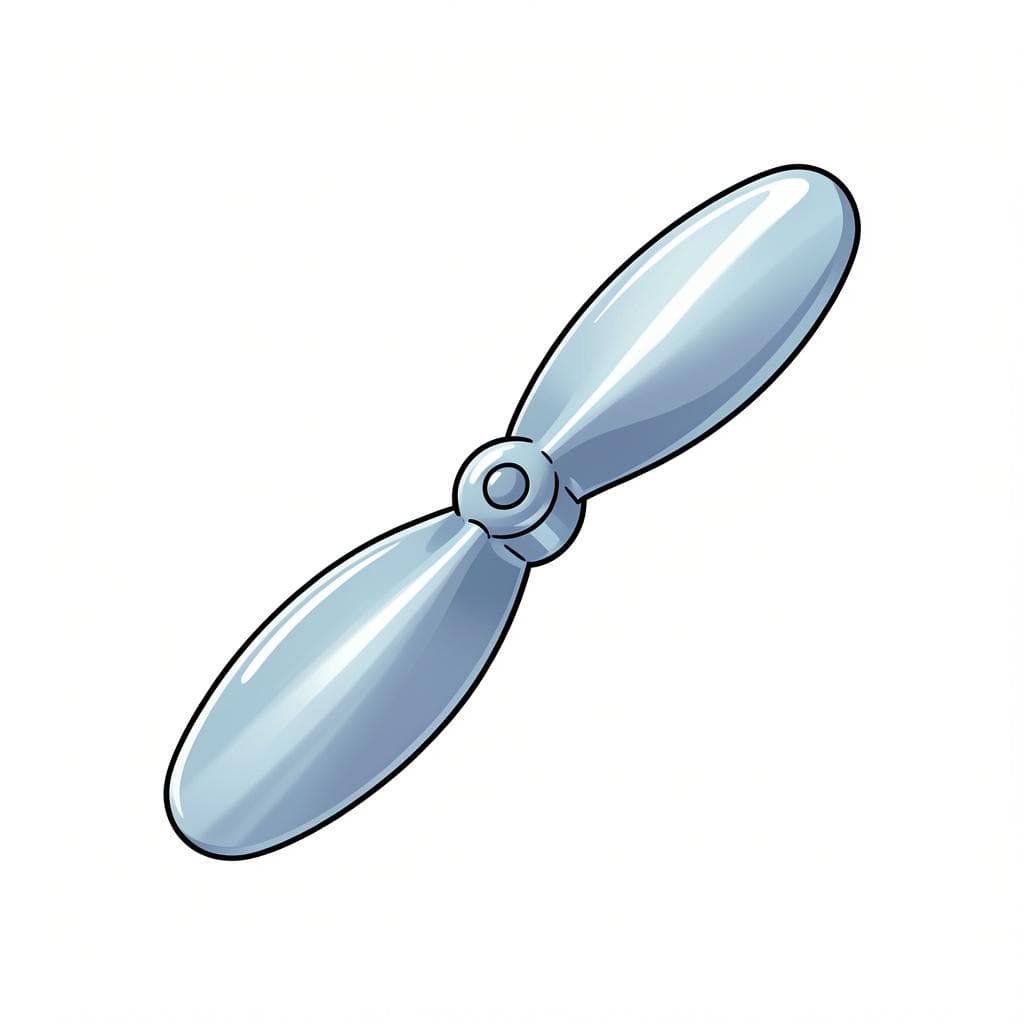
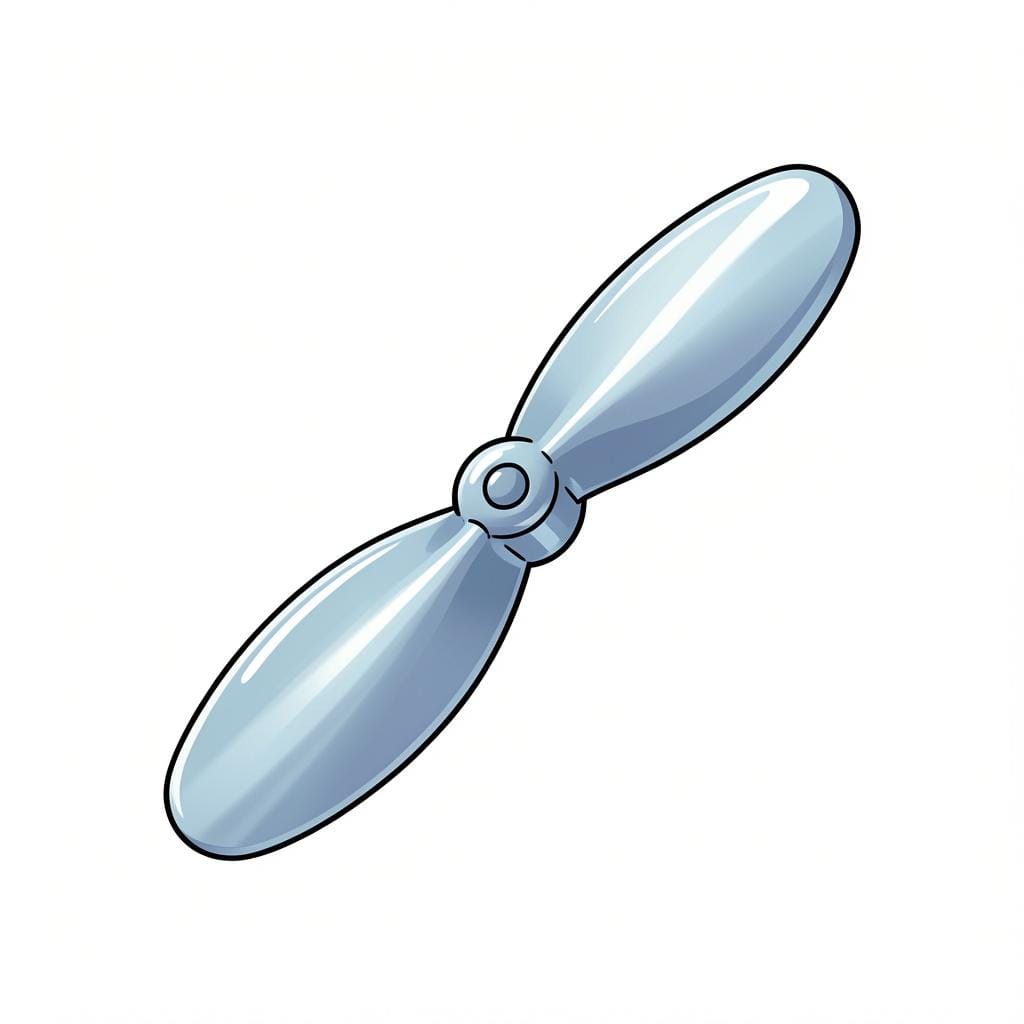
pala
PAH-lahˈpala
Examples
Una de las palas del helicóptero se rompió.
One of the helicopter blades broke.
El ventilador tiene tres palas.
The fan has three blades.
Knife vs. Blade
Learn Spanish with Inklingo
Interactive stories, personalized learning, and more.