How to Say "blaze" in Spanish
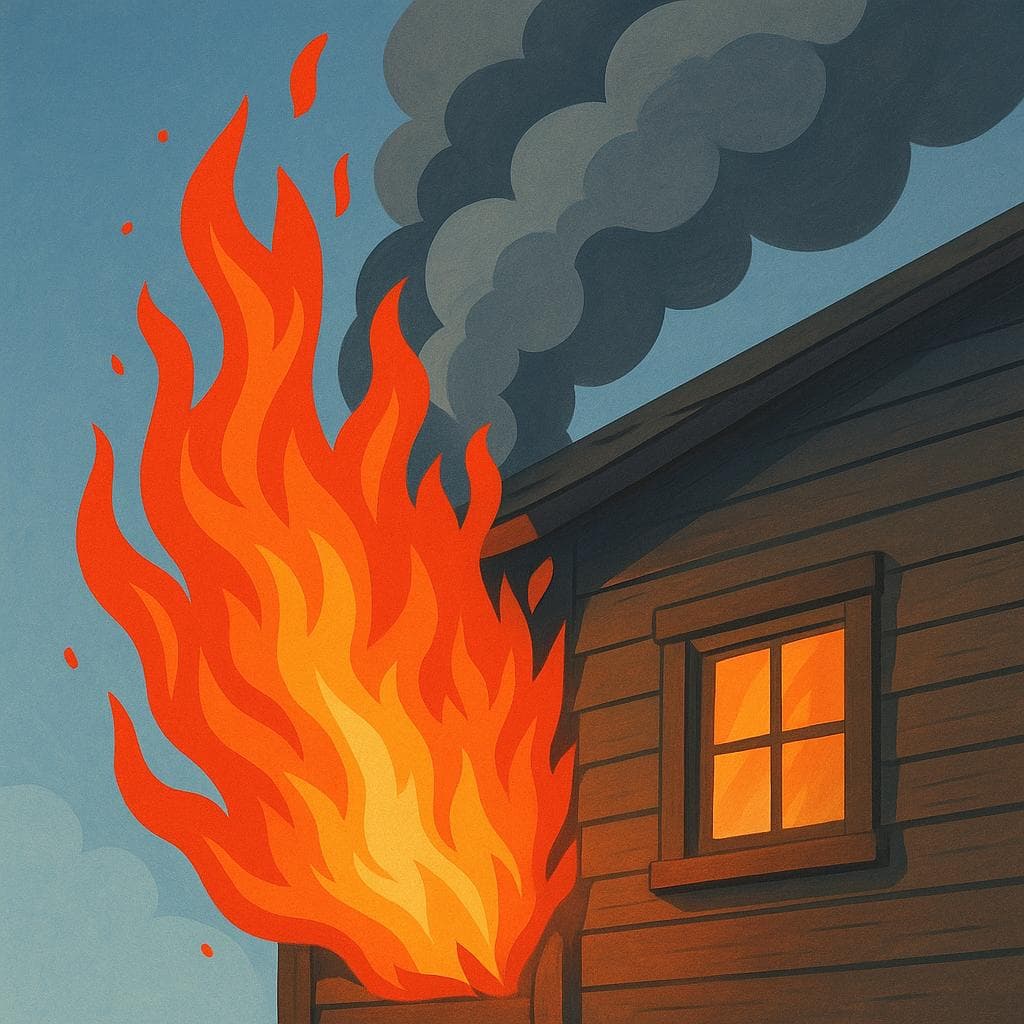
The most common Spanish word for “blaze” is “incendio” — use 'incendio' for a large, often destructive, uncontrolled fire, such as a wildfire or a building fire.
incendio
een-SEN-dee-ohinˈθen.djo

Examples
El incendio forestal arrasó miles de hectáreas.
The forest fire devastated thousands of hectares.
El incendio forestal tardó tres días en controlarse.
The forest fire took three days to control.
Llamaron a los bomberos inmediatamente después de ver el incendio.
They called the firefighters immediately after seeing the blaze.
Afortunadamente, el edificio solo sufrió daños menores por el incendio.
Fortunately, the building only suffered minor damage from the fire.
Gender Check
Remember that 'incendio' is a masculine noun, so you must use 'el' (the) or 'un' (a) before it, and any describing words (adjectives) must also end in -o (e.g., 'un incendio terrible').
Incendio vs. Fuego
Mistake: “Using 'fuego' when describing a disaster: 'Hubo un gran fuego en el bosque.'”
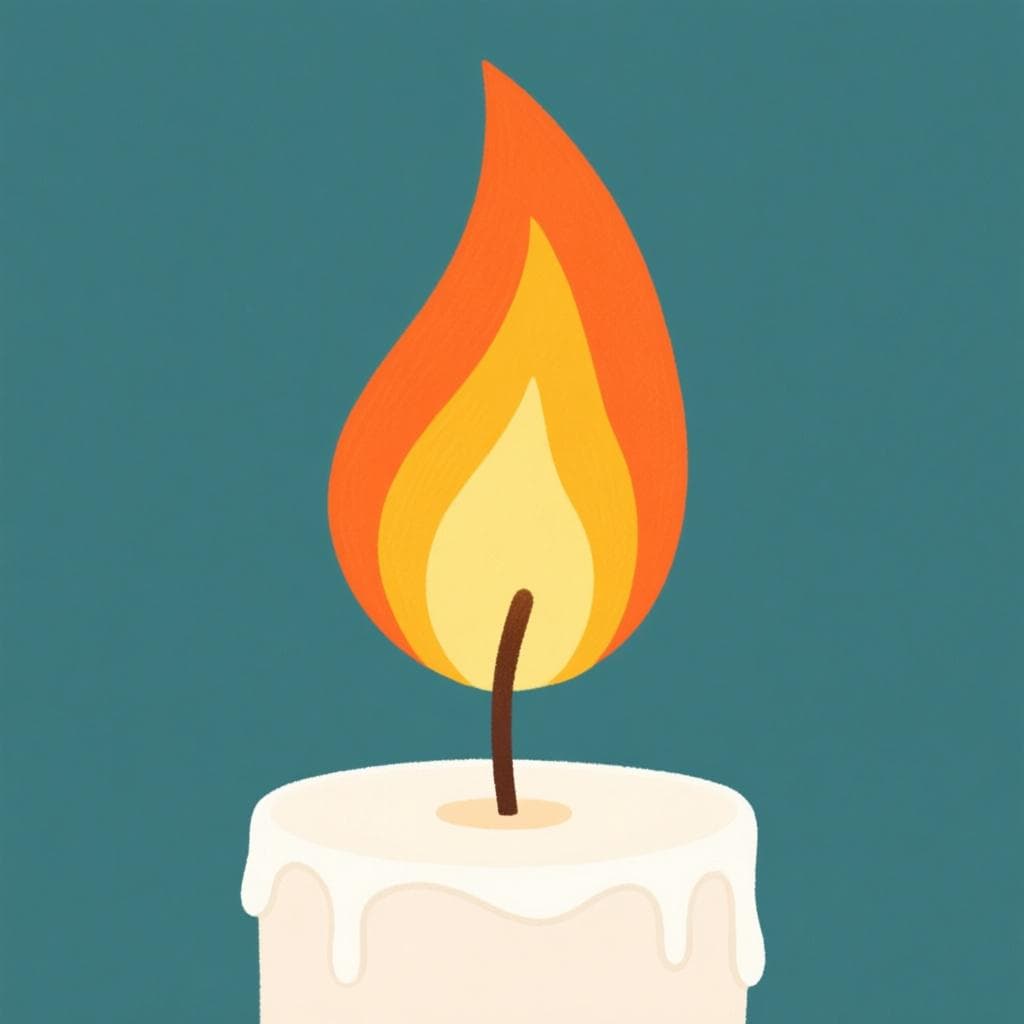
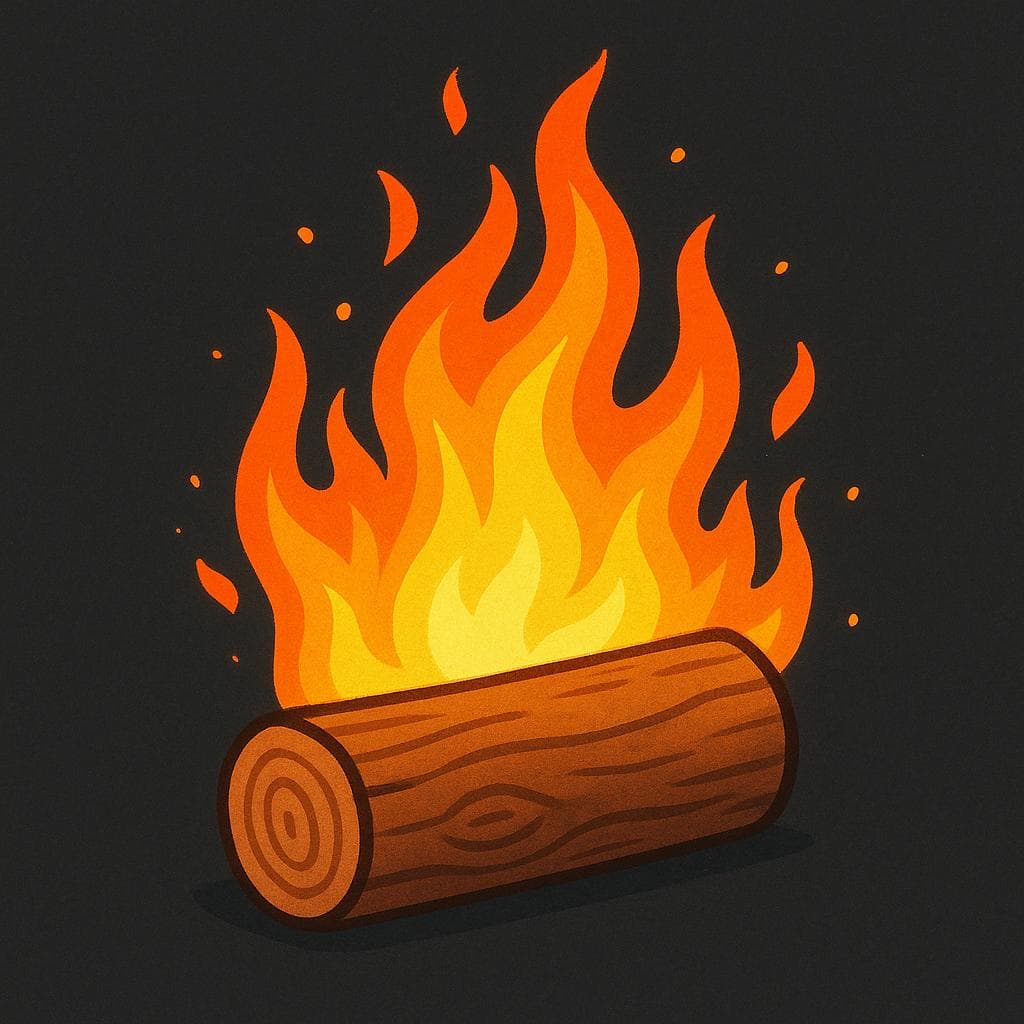
Correction: Use 'incendio' for large, destructive, or out-of-control fires: 'Hubo un gran incendio en el bosque.' 'Fuego' is usually for small, controlled fires (like a candle or campfire).
llama
YA-maˈʝa.ma
Examples
Cuidado, la llama de la hoguera está muy alta.
Be careful, the flame of the bonfire is very high.
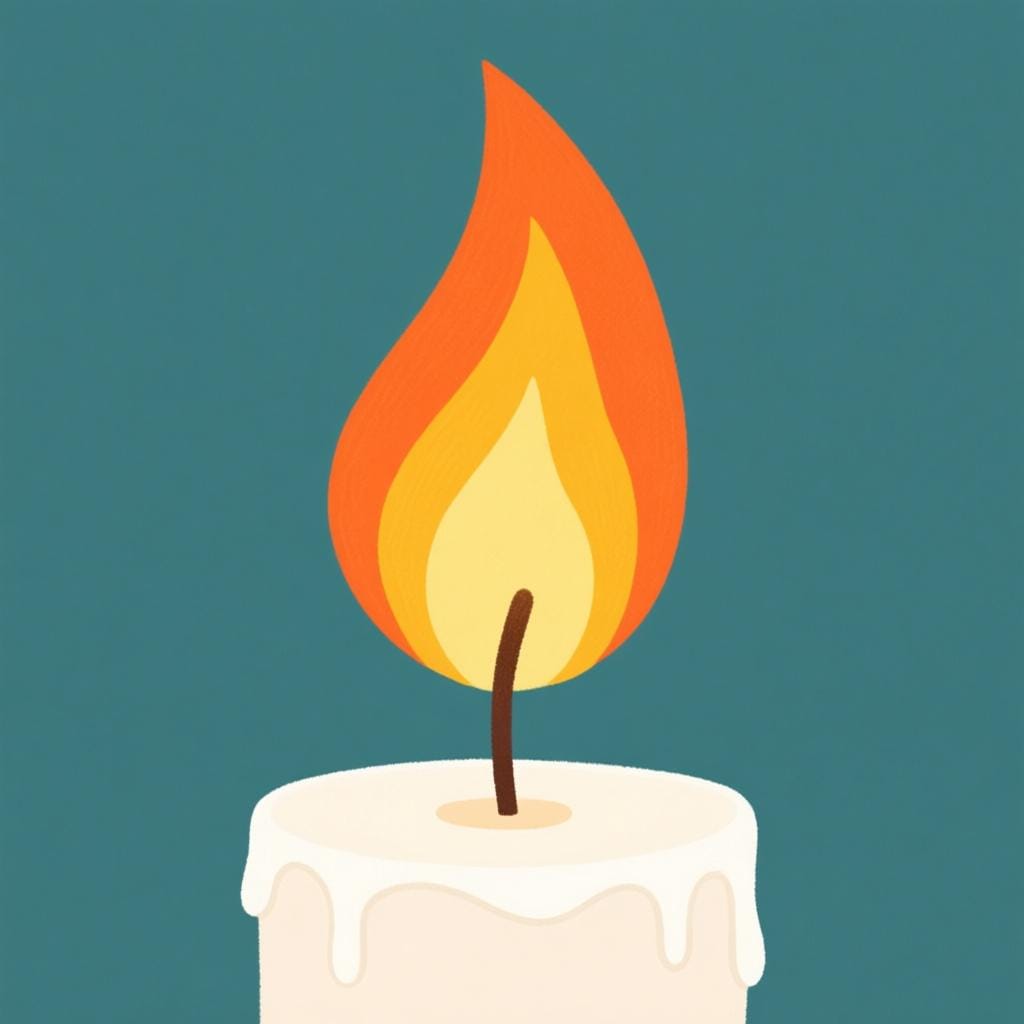
La llama de la vela ilumina la habitación.
The flame of the candle lights up the room.
Los bomberos lucharon contra las altas llamas.
The firefighters fought against the high flames.
Also a Girl!
Just like the animal, 'llama' meaning flame is a feminine word. You'll always use 'la llama' or 'una llama'.
quema
KAY-mahˈke.ma
Examples
La quema controlada ayuda a prevenir incendios mayores.
Controlled burning helps prevent larger fires.
La quema de pastizales está prohibida en verano.
The burning of grasslands is prohibited in the summer.
Hubo una quema de basura que causó mucha contaminación.
There was a burning of trash that caused a lot of pollution.
El agricultor prepara la quema para limpiar el campo.
The farmer prepares the controlled burn to clear the field.
Gender Reminder
Remember that 'quema' is feminine ('la quema'), even though it ends in '-a' and relates to fire (like 'el fuego').
Incendio vs. Quema
Related Translations
Learn Spanish with Inklingo
Interactive stories, personalized learning, and more.