quema
“quema” means “burning” in Spanish. It has 2 different meanings depending on context:
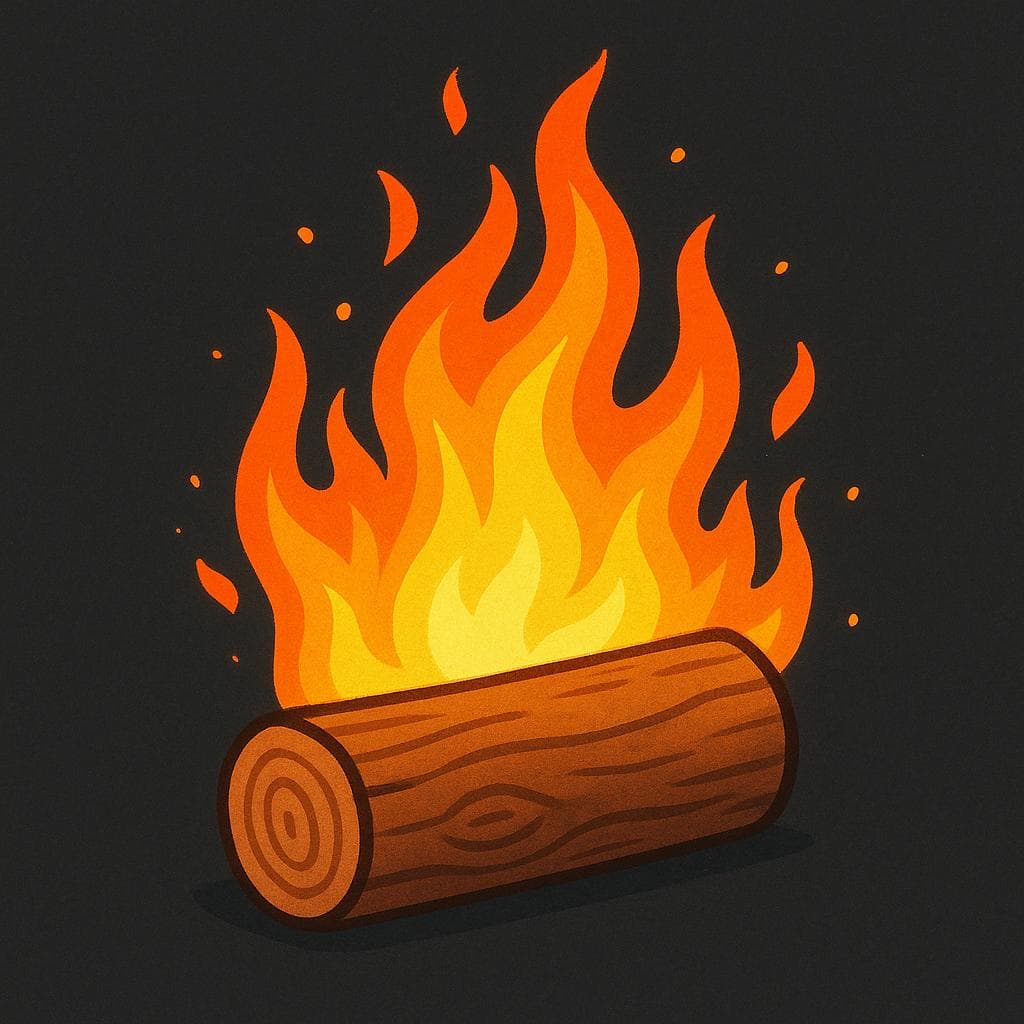
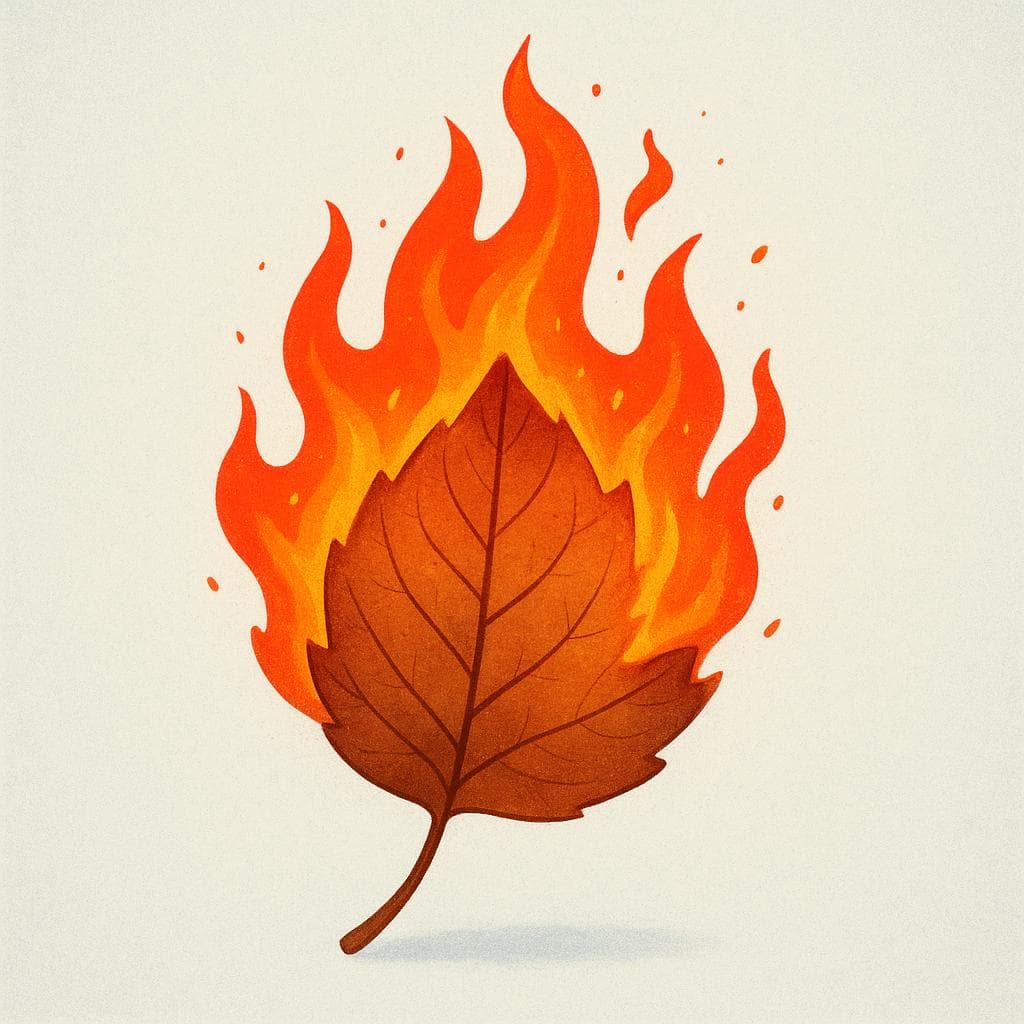
burning, blaze
Also: controlled burn, bonfire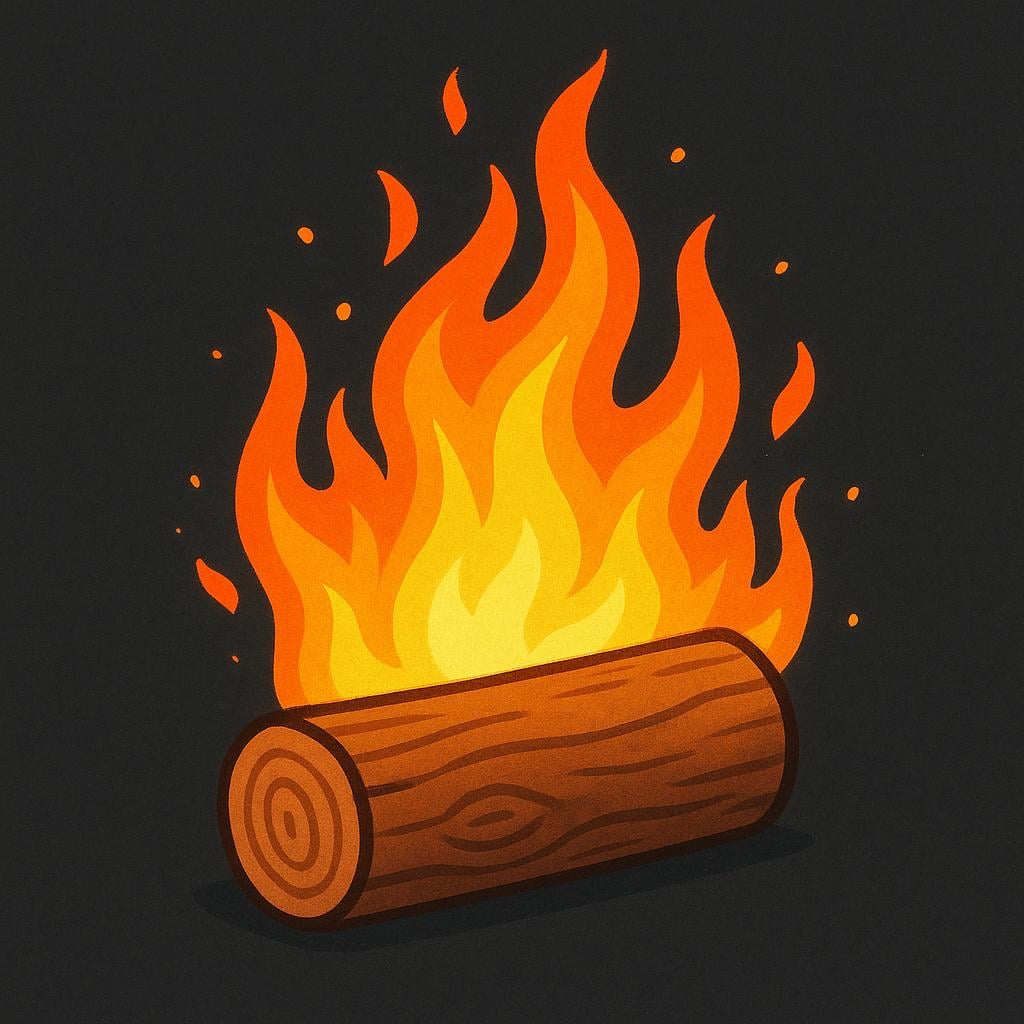
📝 In Action
La quema de pastizales está prohibida en verano.
B1The burning of grasslands is prohibited in the summer.
Hubo una quema de basura que causó mucha contaminación.
A2There was a burning of trash that caused a lot of pollution.
El agricultor prepara la quema para limpiar el campo.
B2The farmer prepares the controlled burn to clear the field.
he/she/it burns, you burn
Also: you (formal) burn, it is hot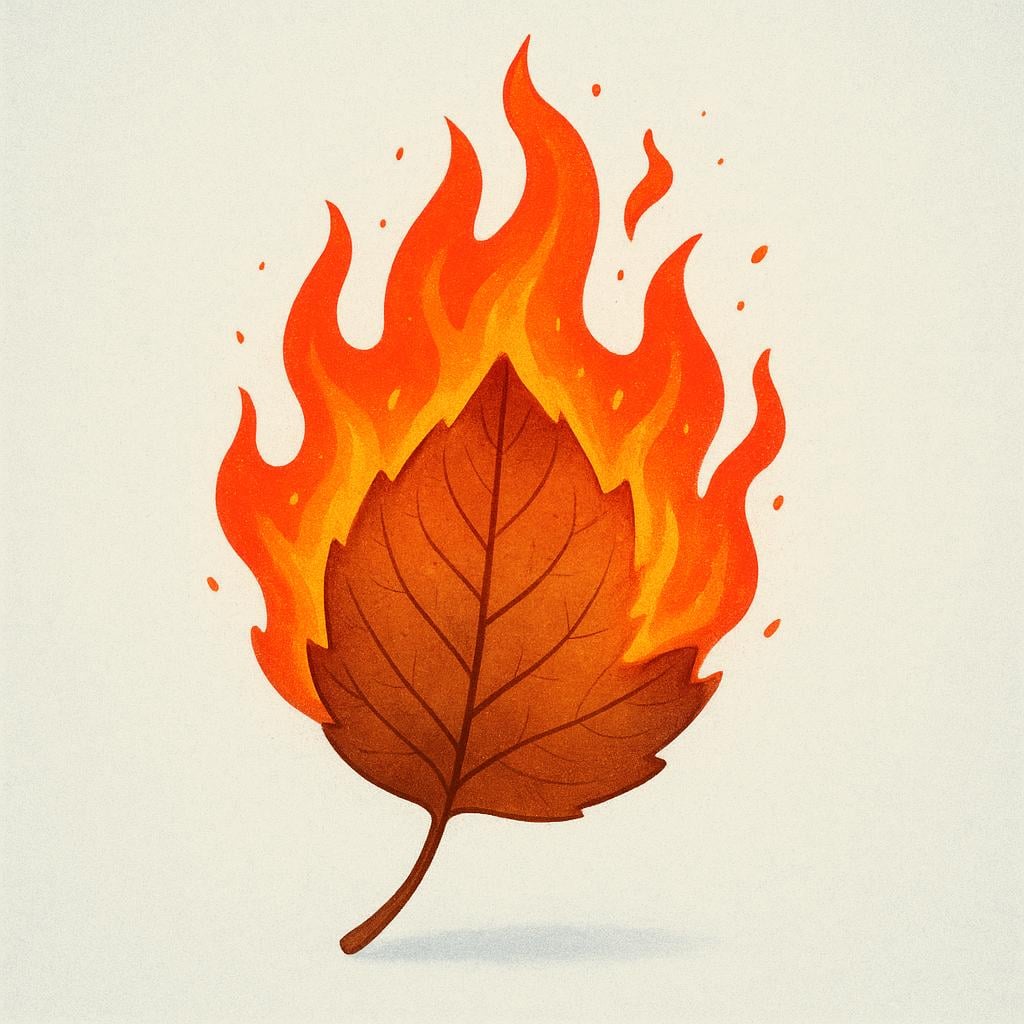
📝 In Action
El sol quema mucho después del mediodía.
A1The sun burns (is very hot) a lot after noon.
Ella siempre quema el arroz cuando cocina.
A2She always burns the rice when she cooks.
Usted quema todas las calorías si corre una hora.
B1You (formal) burn all the calories if you run for an hour.
Indicative
Present
Imperfect
Preterite
Subjunctive
Present Subjunctive
Imperfect Subjunctive
Translate to Spanish
✏️ Quick Practice
Quick Quiz: quema
Question 1 of 2
Which sentence uses 'quema' as a noun (the thing or action itself)?
📚 More Resources
👥 Word Family▼
📚 Etymology▼
The verb 'quemar' (from which 'quema' is derived) comes from the Late Latin verb *cremare*, meaning 'to burn' or 'to consume by fire.' It is an ancient word that has remained largely consistent in its core meaning.
First recorded: Historically attested in Old Spanish texts dating back to the 13th century.
Cognates (Related words)
💡 Master Spanish
Take your Spanish to the next level. Read 200+ illustrated and narrated Spanish stories tailored to your level with the Inklingo app!
Frequently Asked Questions
How do I know if 'quema' is the noun or the verb?
Look at the word right before it. If you see 'la' or 'una' (feminine articles), it is the noun meaning 'the burning' or 'a blaze.' If you see 'él,' 'ella,' 'usted,' or a subject like 'el sol' (the sun), it is the verb meaning 'burns.'
Does 'quema' only mean literal burning?
No. It is often used figuratively, especially to mean 'to spend' or 'to consume,' such as 'quema energía' (it burns/uses energy) or 'quema el tiempo' (it wastes time).