How to Say "bonfire" in Spanish
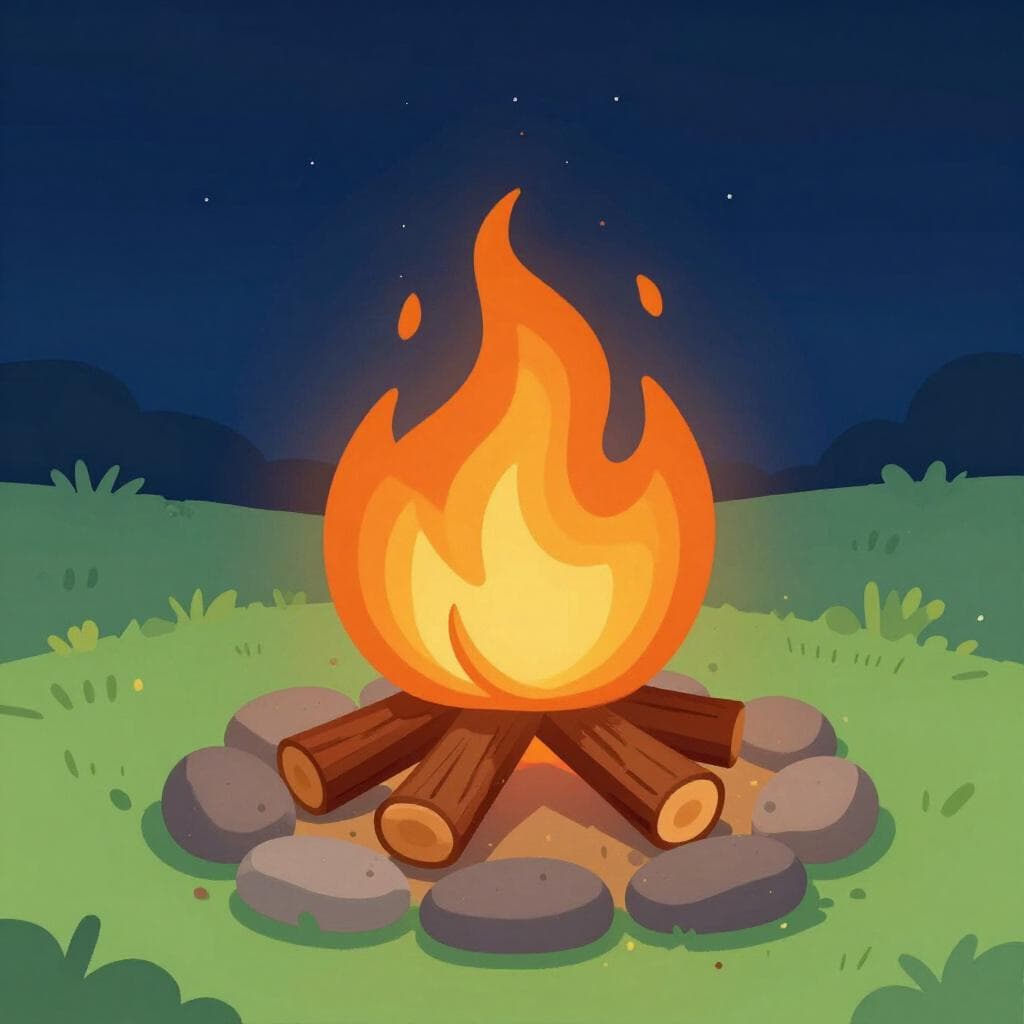
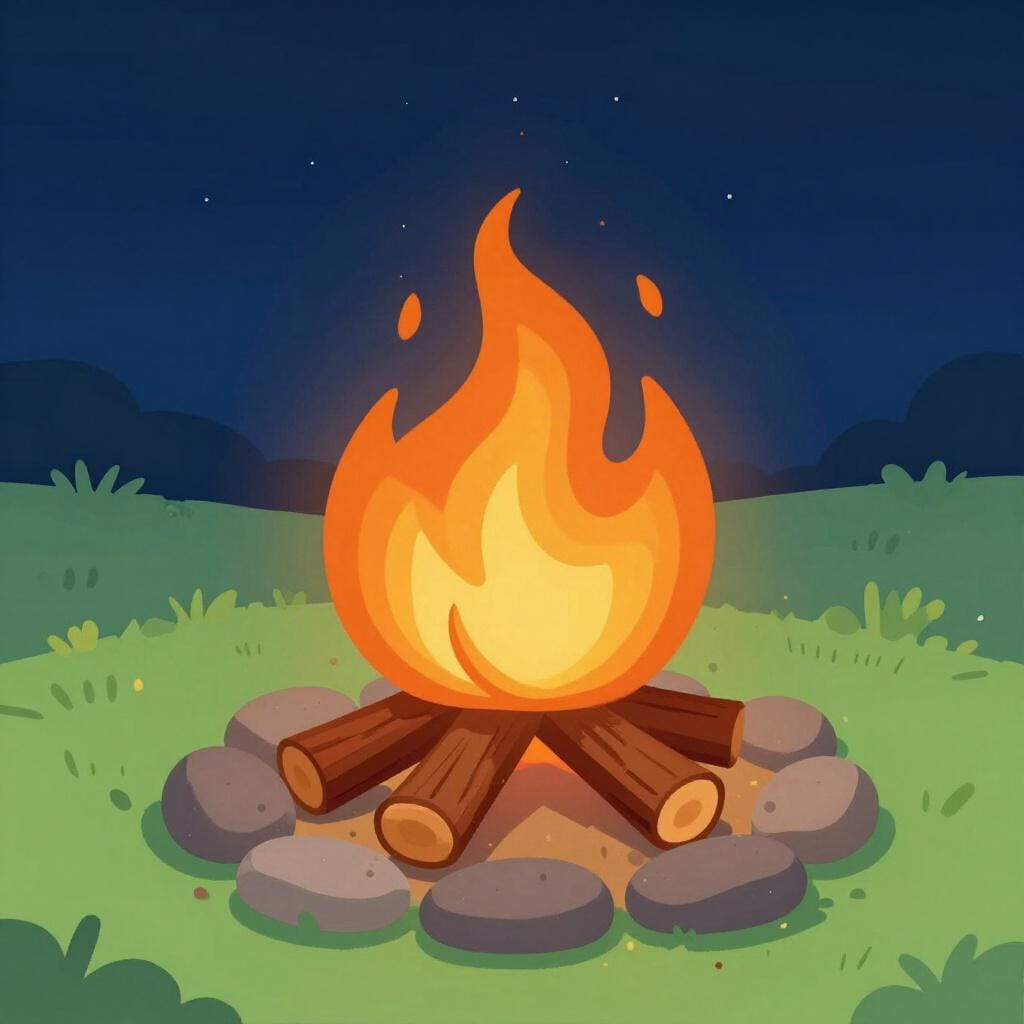
The most common Spanish word for “bonfire” is “fogata” — use 'fogata' for a campfire, especially one used for warmth, cooking, or singing songs around, often in a more informal or recreational setting.

fogata
fo-GA-tafoˈɡata
Examples
Anoche cantamos canciones alrededor de la fogata.
Last night we sang songs around the campfire.
Necesitamos más madera para que la fogata no se apague.
We need more wood so the campfire doesn't go out.
En la playa hicieron una gran fogata para celebrar el año nuevo.
On the beach, they made a big bonfire to celebrate the New Year.
Gender and Articles
Since this word ends in '-a', it is feminine. Always use 'la' or 'una' with it (e.g., 'la fogata').
Describing the fire
In Spanish, adjectives that describe the fire usually come after the word, like 'una fogata brillante' (a bright campfire).
Fogata vs. Fuego
Mistake: “Using 'fuego' to describe the event of a campfire.”
Correction: Use 'fuego' for the element itself (fire), but use 'fogata' for the specific structure or social gathering around a fire outdoors.
hoguera
oh-GWEH-rahoˈɡeɾa

Examples
Hicimos una hoguera en la playa para celebrar la noche de San Juan.
We made a bonfire on the beach to celebrate St. John's night.
Echa más leña a la hoguera para que no se apague.
Throw more wood on the bonfire so it doesn't go out.
En la Edad Media, algunas personas eran condenadas a morir en la hoguera.
In the Middle Ages, some people were condemned to die at the stake.
Gender and Articles
Since this word ends in 'a' and is feminine, you must always use 'la' or 'una'. For example: 'la hoguera'.
Using 'en' for location
When talking about something being burned or someone dying, use the preposition 'en' (in/at). Example: 'morir en la hoguera'.
Hoguera vs. Incendio
Mistake: “Using 'hoguera' for a house fire or forest fire.”
Correction: Use 'incendio' for accidental or destructive fires. 'Hoguera' is a controlled fire made on purpose.
quema
KAY-mahˈke.ma
Examples
La quema de pastizales está prohibida en verano.
The burning of grasslands is prohibited in the summer.
Hubo una quema de basura que causó mucha contaminación.
There was a burning of trash that caused a lot of pollution.
El agricultor prepara la quema para limpiar el campo.
The farmer prepares the controlled burn to clear the field.
Gender Reminder
Remember that 'quema' is feminine ('la quema'), even though it ends in '-a' and relates to fire (like 'el fuego').
Fogata vs. Hoguera
Learn Spanish with Inklingo
Interactive stories, personalized learning, and more.