How to Say "fire" in Spanish
The most common Spanish word for “fire” is “fuego” — use 'fuego' when referring to the element of fire itself, a controlled flame, or a general blaze.
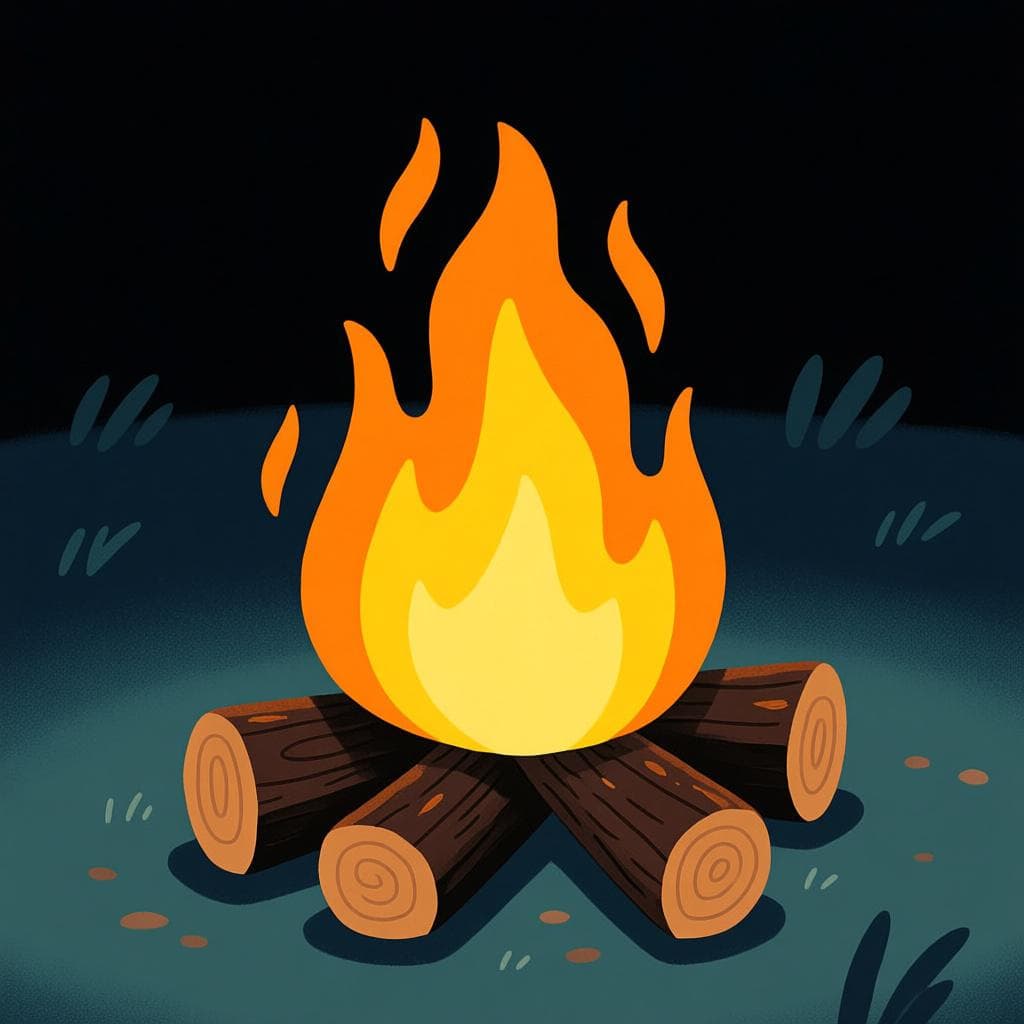

fuego
fwe-goˈfwe.ɣo
Examples
Cuidado, el fuego está muy caliente.
Be careful, the fire is very hot.
Los bomberos apagaron el fuego del edificio.
The firefighters put out the building fire.
Para cocinar, necesitamos hacer un fuego.
To cook, we need to make a fire.
Always Masculine
Even though it doesn't end in -o, 'fuego' is a masculine word. So, you always say 'el fuego' (the fire) and 'un fuego' (a fire).
'Fuego' vs. 'Calor'
Mistake: “El sol da mucho fuego.”
Correction: El sol da mucho calor. Use 'fuego' for the actual flame or blaze. Use 'calor' for the heat you feel from the fire, the sun, or the temperature.
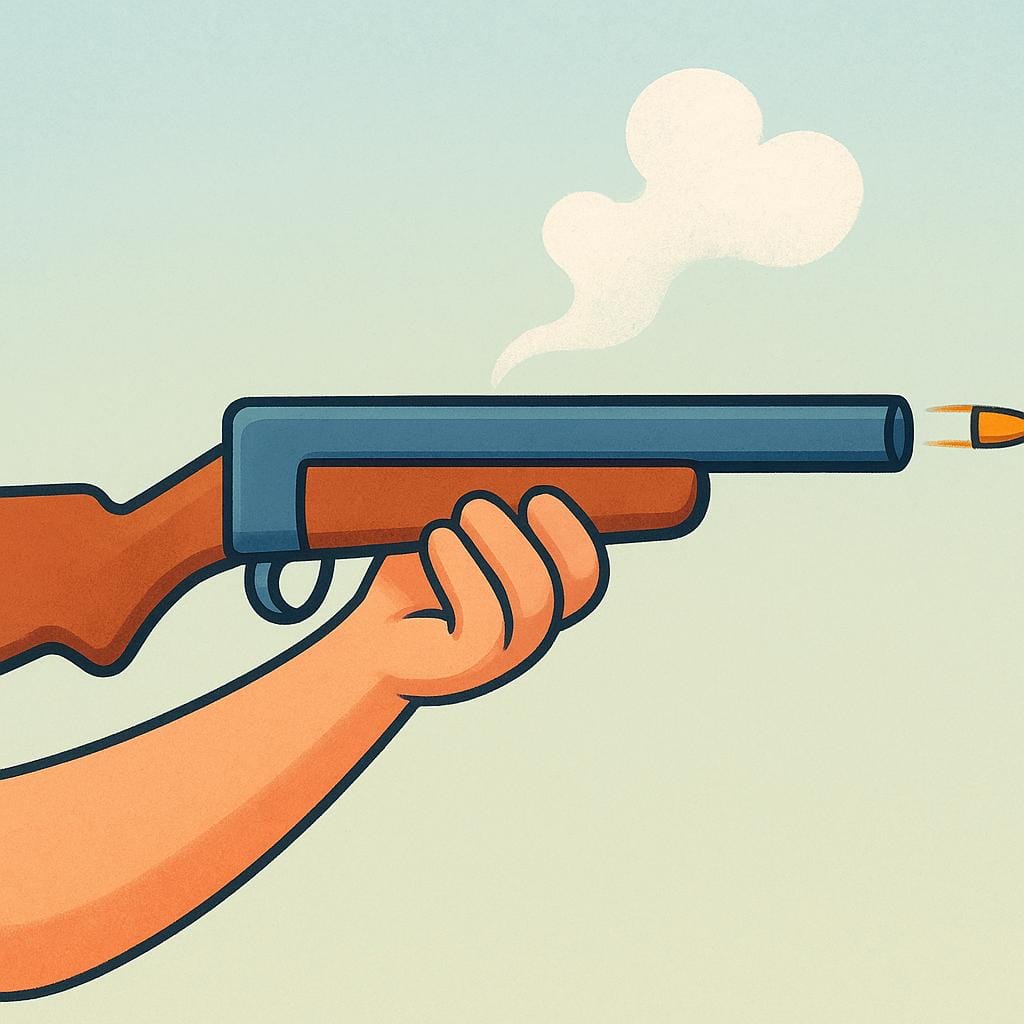
dispare
dees-PAH-rehdisˈpa.ɾe
Examples
El capitán quiere que yo dispare primero.
The captain wants me to shoot first.
¡No dispare! Es solo una advertencia.
Don't shoot! It's just a warning.
El entrenador dijo: '¡Dispare, señor!'
The coach said, 'Shoot, sir!' (Formal command)
Subjunctive Use (Wishes/Influence)
You use 'dispare' (yo/él/usted) when talking about wishes, requests, or doubts: 'Espero que él dispare bien' (I hope he shoots well).
Formal Command
'Dispare' is the formal 'You' command (Usted): '¡Dispare, por favor!' (Shoot, please!). It is the same form as the subjunctive.
Mixing Commands
Mistake: “Using 'dispara' for a formal command to an elder.”
Correction: Use 'dispare' for formal commands (Usted) and 'dispara' for informal commands (Tú).
incendio
een-SEN-dee-ohinˈθen.djo

Examples
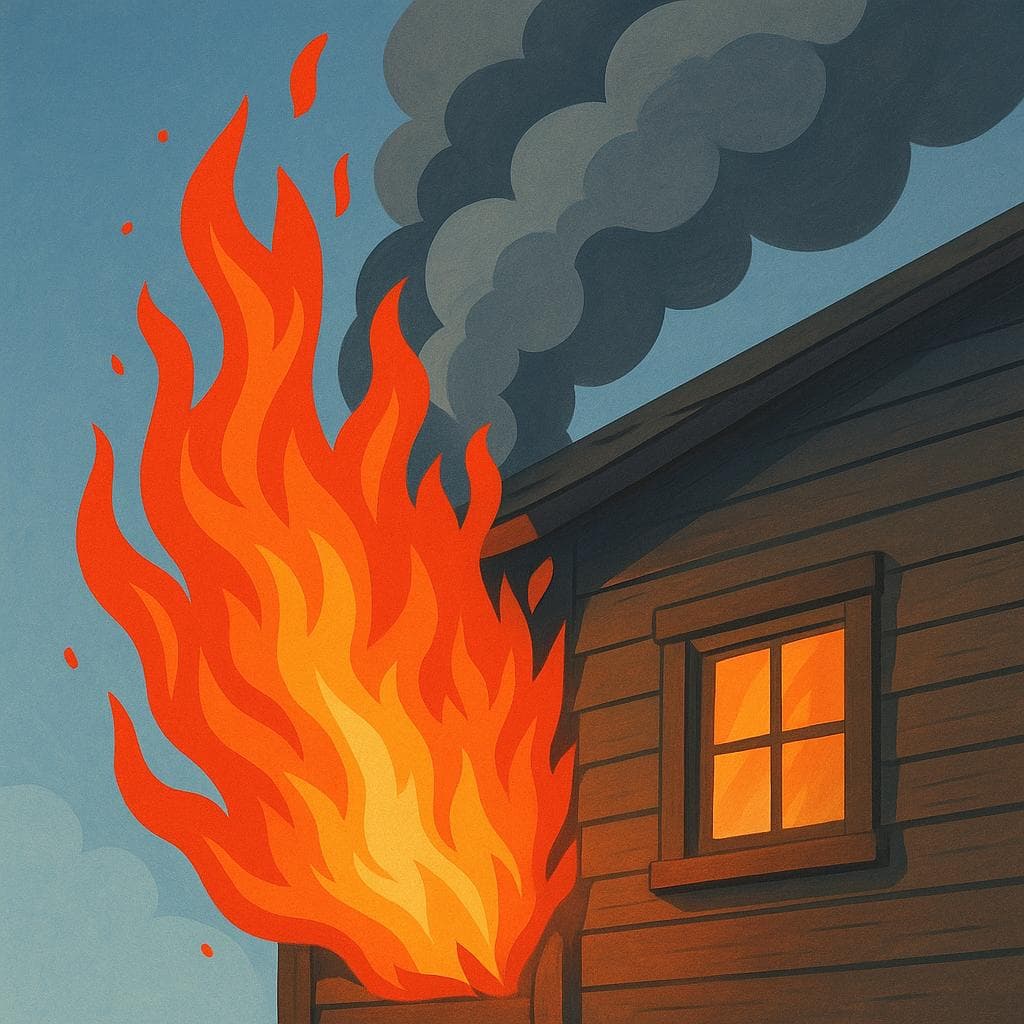
El incendio forestal tardó tres días en controlarse.
The forest fire took three days to control.
Llamaron a los bomberos inmediatamente después de ver el incendio.
They called the firefighters immediately after seeing the blaze.
Afortunadamente, el edificio solo sufrió daños menores por el incendio.
Fortunately, the building only suffered minor damage from the fire.
Gender Check
Remember that 'incendio' is a masculine noun, so you must use 'el' (the) or 'un' (a) before it, and any describing words (adjectives) must also end in -o (e.g., 'un incendio terrible').
Incendio vs. Fuego
Mistake: “Using 'fuego' when describing a disaster: 'Hubo un gran fuego en el bosque.'”
Correction: Use 'incendio' for large, destructive, or out-of-control fires: 'Hubo un gran incendio en el bosque.' 'Fuego' is usually for small, controlled fires (like a candle or campfire).
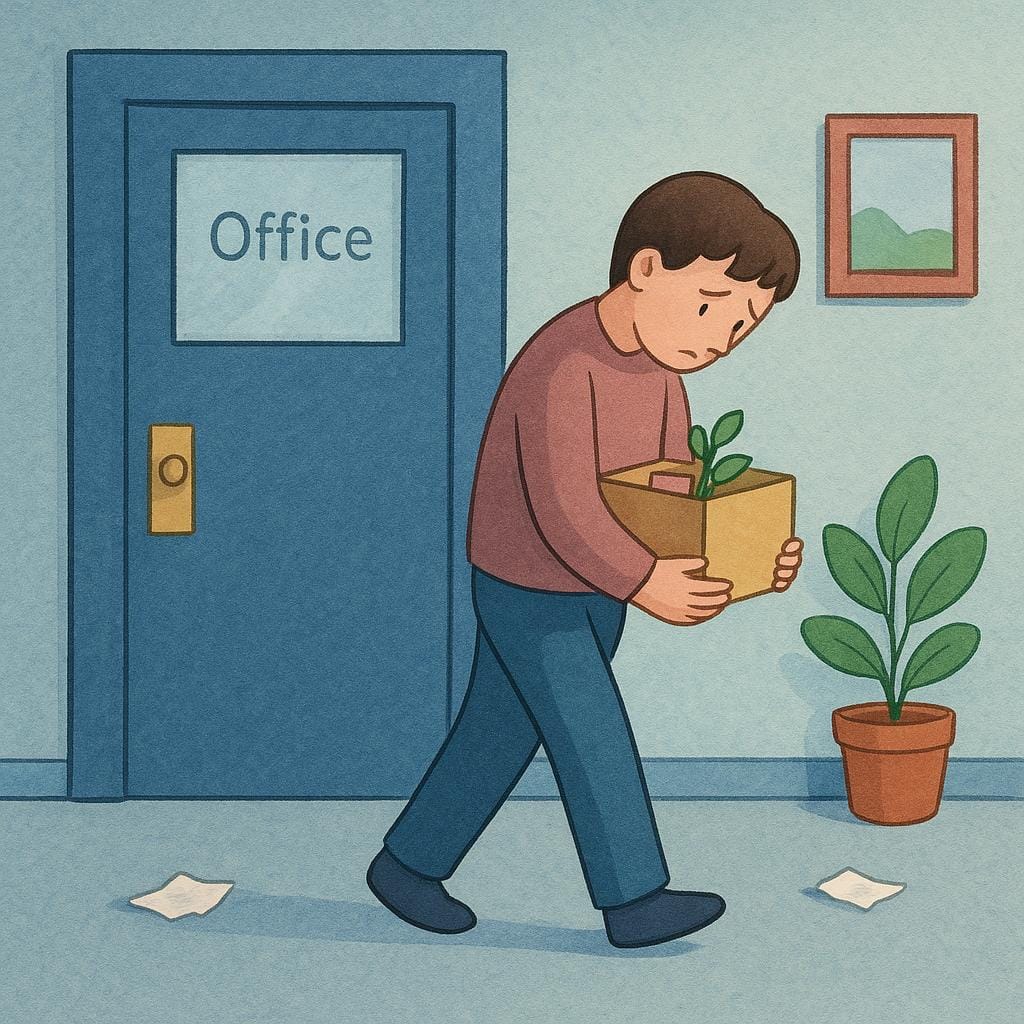
eche
AY-chayˈe.t͡ʃe
Examples
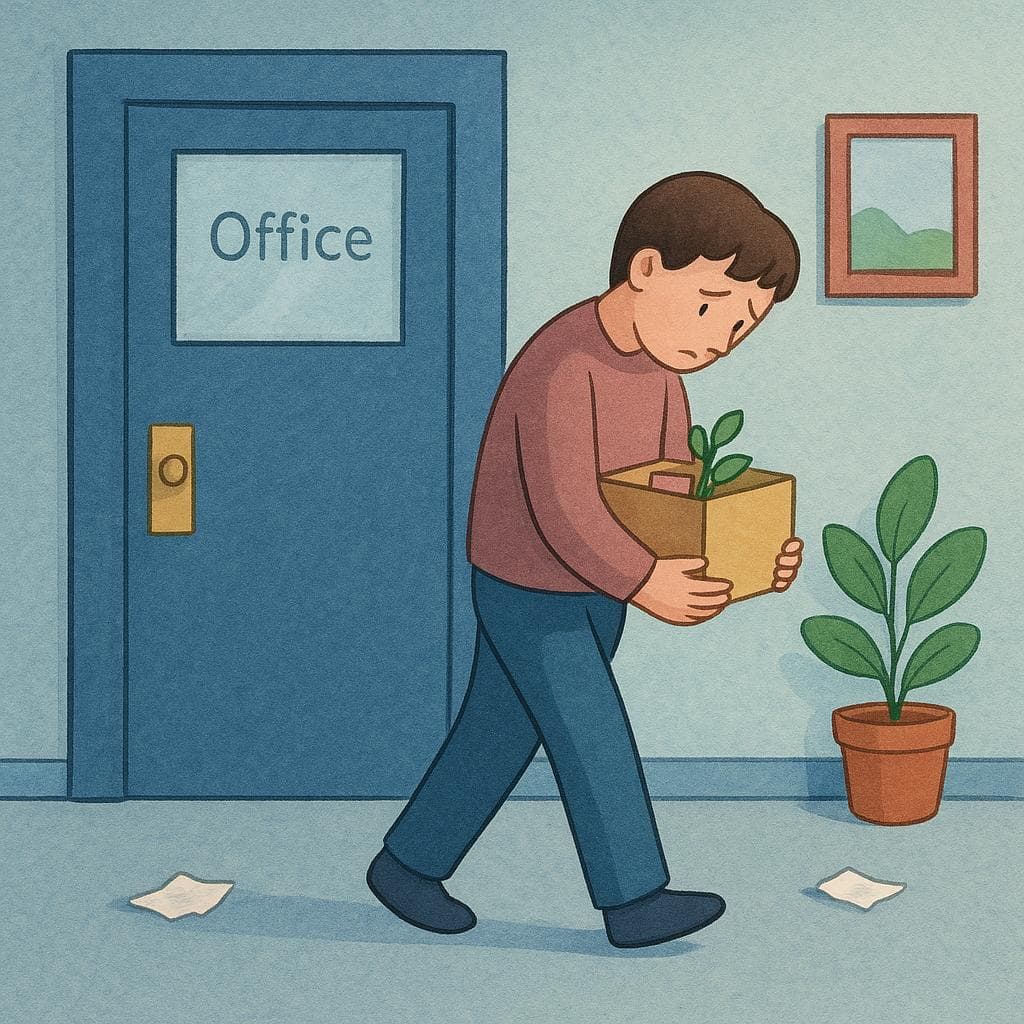
Temo que mi jefe me eche si llego tarde otra vez.
I fear that my boss might fire me if I arrive late again.
Que el portero eche a los clientes ruidosos.
Have the bouncer kick out the noisy customers.
Figurative Use
This meaning uses 'echar' figuratively, meaning 'to throw someone out.' It requires the verb to be conjugated as 'eche' when used after verbs of influence or emotion (like 'temer' or 'querer').
Confusing 'fuego' and 'incendio'
Related Translations
Learn Spanish with Inklingo
Interactive stories, personalized learning, and more.