How to Say "i threw" in Spanish
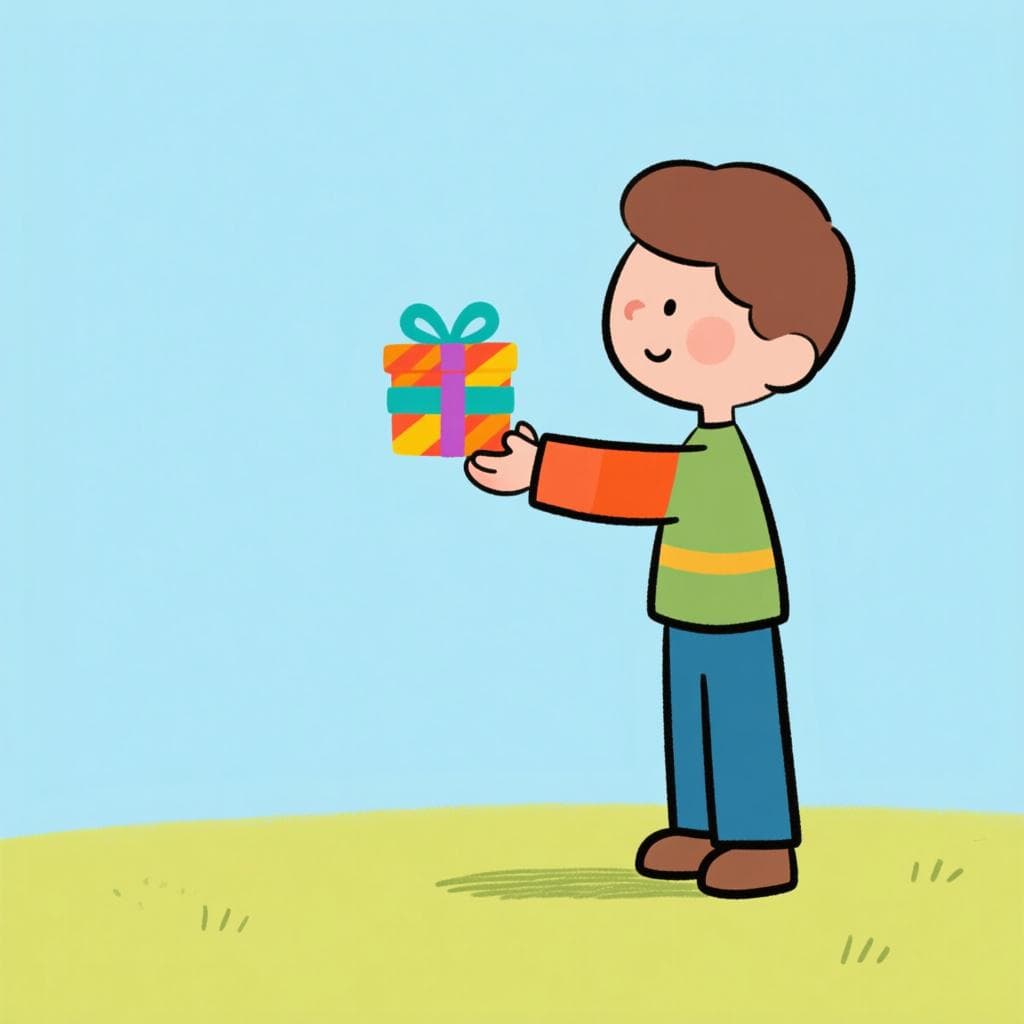
The most common Spanish word for “i threw” is “tiré” — use 'tiré' when you are launching or tossing an object, especially when discarding something or directing it away from you.
Examples
Tiré la basura antes de salir de casa.
I threw out the trash before leaving the house.
di
deedi
Examples
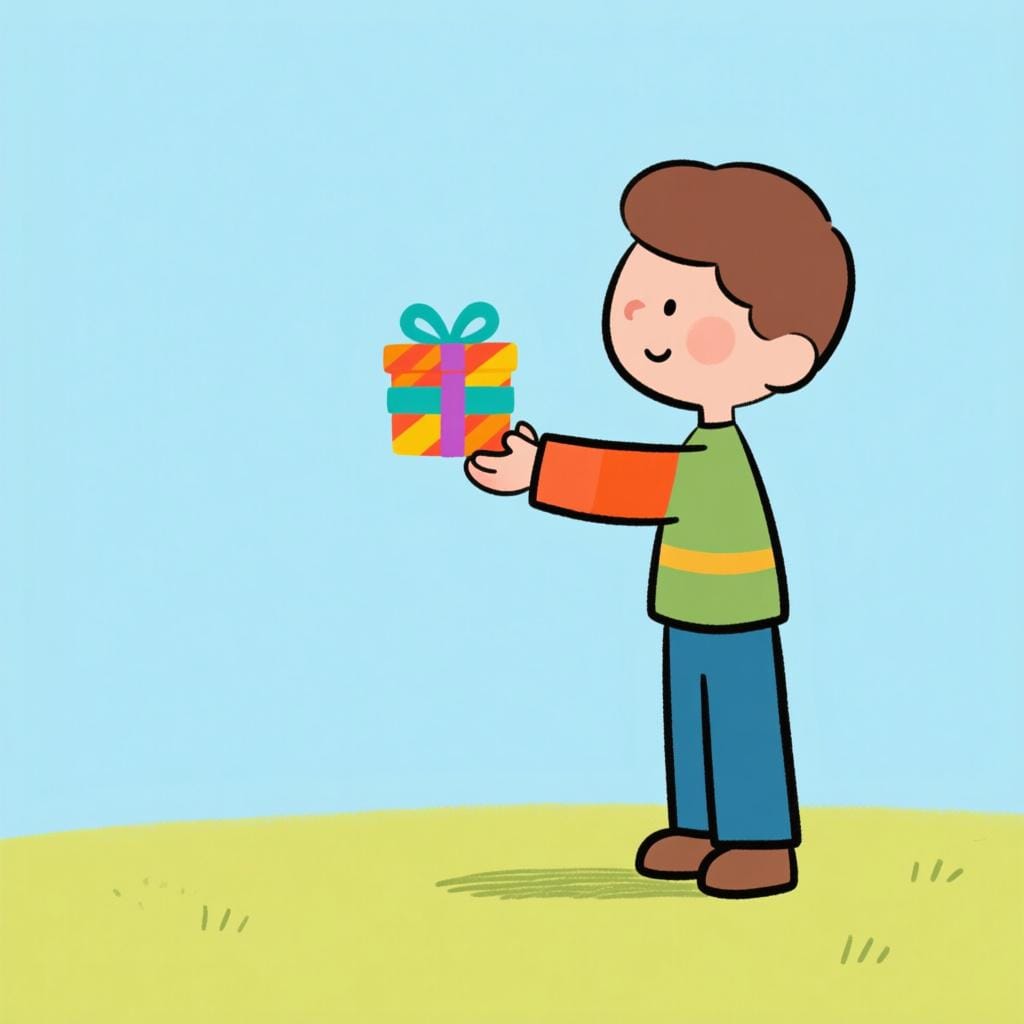
Ayer le di el libro a María.
Yesterday I gave the book to María.
Di un paseo por el parque esta mañana.
I took a walk through the park this morning.
Di mi opinión en la reunión, pero no escucharon.
I gave my opinion in the meeting, but they didn't listen.
Talking About Finished Past Actions
'Di' is how you say 'I gave' for something that happened once and is finished. This past tense is called the 'preterite'. Use it for specific moments, like 'Ayer di un regalo' (Yesterday I gave a gift).
Confusing 'Di' (I gave) and 'Doy' (I give)
Mistake: “Ayer doy el dinero.”
Correction: Use 'Ayer di el dinero.' 'Doy' is for the present ('I give'), while 'di' is for the past ('I gave'). A good trick is to think 'di' = 'I *did* give'.
Examples
Me molestó el ruido y eché la botella a la basura.
The noise bothered me and I threw the bottle in the trash.
Tirar vs. Echar
Learn Spanish with Inklingo
Interactive stories, personalized learning, and more.