eche
“eche” means “throw” in Spanish. It has 2 different meanings depending on context:
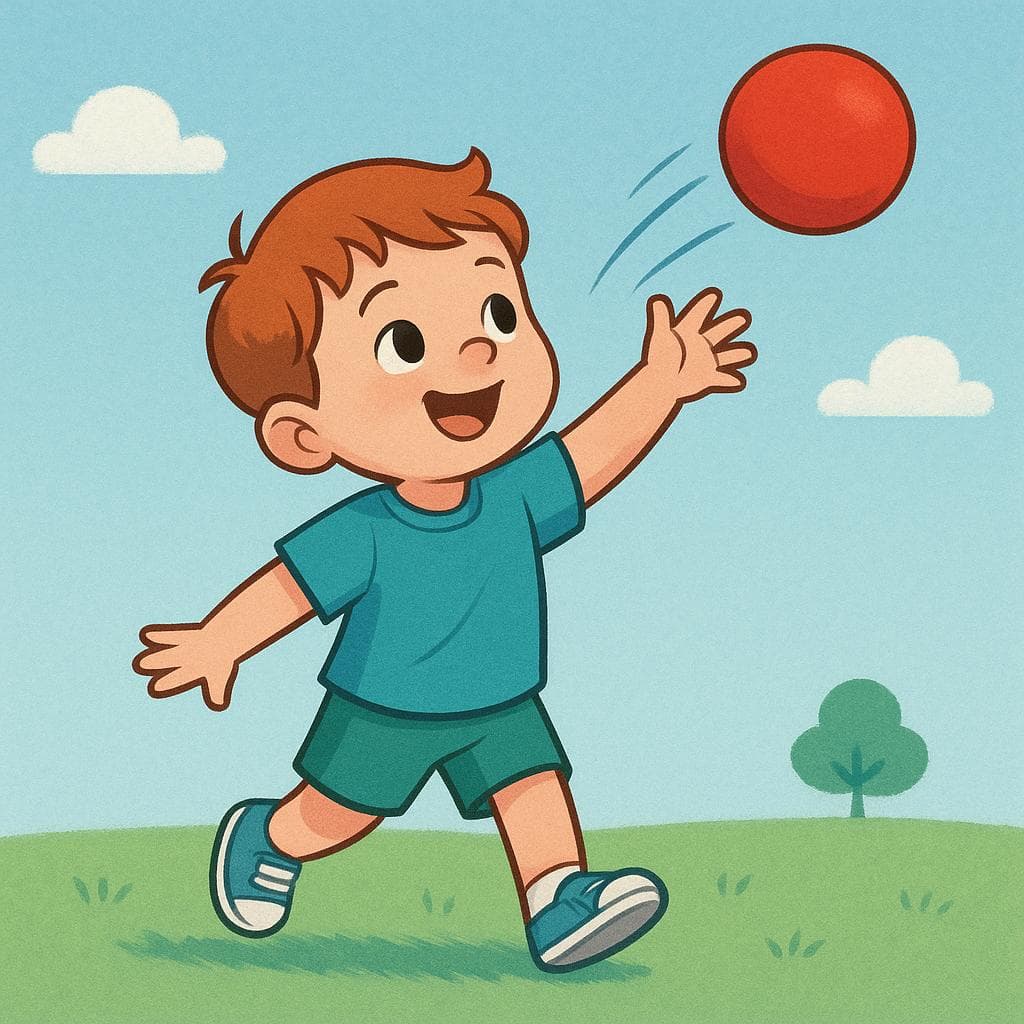
throw, put inAlso: pour, sprout

📝 In Action
¡Eche más leña al fuego, por favor!
A2Please, throw more wood onto the fire!
Mi madre quiere que yo eche menos sal a la sopa.
B1My mother wants me to put less salt in the soup.
No creo que eche gasolina hoy, el tanque está lleno.
B1I don't think I'll put gas in today, the tank is full.
Word Connections
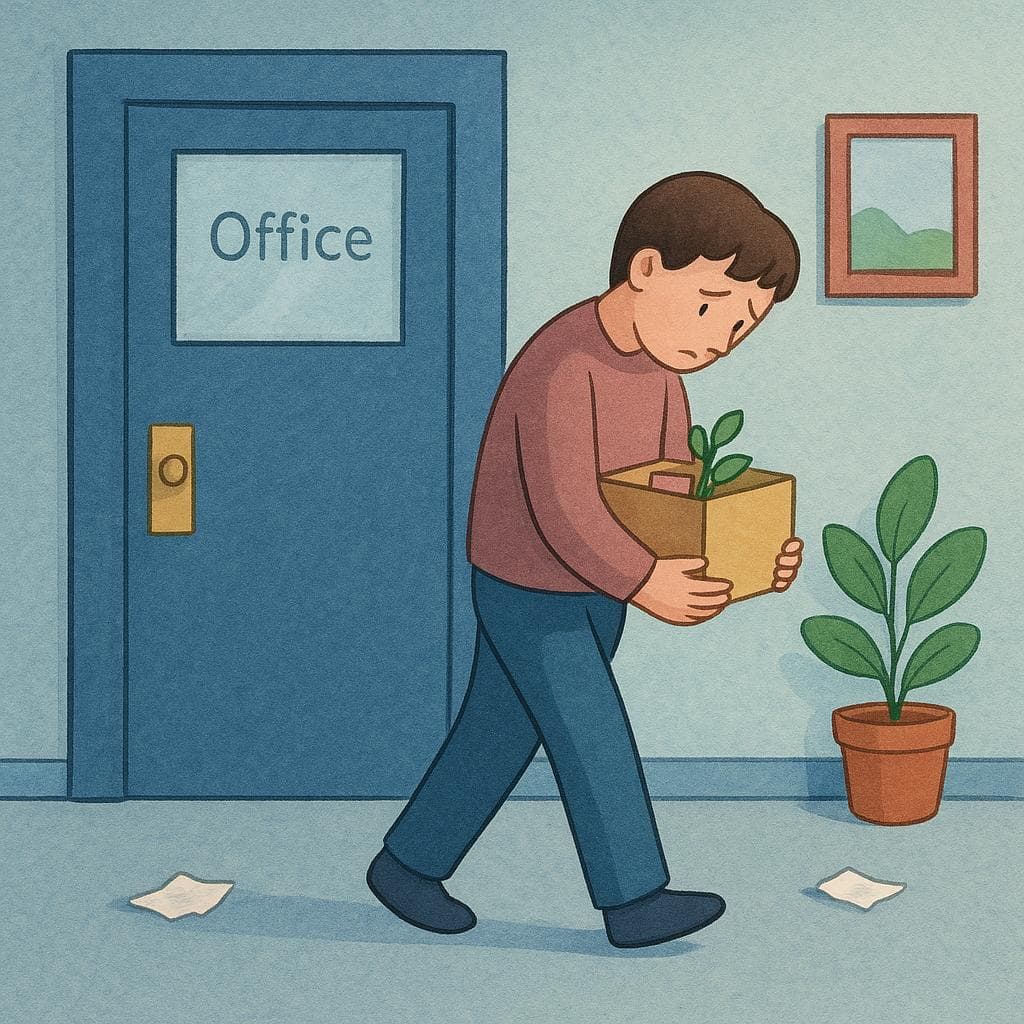
fire, kick outAlso: throw out

📝 In Action
Temo que mi jefe me eche si llego tarde otra vez.
B2I fear that my boss might fire me if I arrive late again.
Que el portero eche a los clientes ruidosos.
B2Have the bouncer kick out the noisy customers.
Word Connections
Indicative
Present
Imperfect
Preterite
Subjunctive
Present Subjunctive
Imperfect Subjunctive
Translate to Spanish
✏️ Quick Practice
Quick Quiz: eche
Question 1 of 2
Which sentence correctly uses 'eche' as a polite command?
📚 More Resources
👥 Word Family
📚 Etymology
The verb 'echar' comes from the Latin verb *iactare*, which meant 'to throw violently' or 'to toss.' This explains why the Spanish word covers physical throwing, adding something (tossing it in), and even throwing someone out (firing them).
First recorded: 10th century
Cognates (Related words)
💡 Master Spanish
Take your Spanish to the next level. Read 200+ illustrated and narrated Spanish stories tailored to your level with the Inklingo app!
Frequently Asked Questions
Is 'eche' always a command?
No. While 'Eche' is the formal command (Usted), it is also the 'yo' (I), 'él/ella' (he/she), and 'usted' form in the present subjunctive. The subjunctive is used for expressing wishes, doubts, or necessity: 'Dudo que él eche la culpa a nadie' (I doubt he blames anyone).
How is 'eche' different from 'echa'?
'Echa' is the standard present tense form for 'he/she/it' and the informal command for 'tú' (you). 'Eche' is the special form used for formal commands ('usted') and expressing uncertainty or desire (subjunctive mood).