How to Say "drag" in Spanish
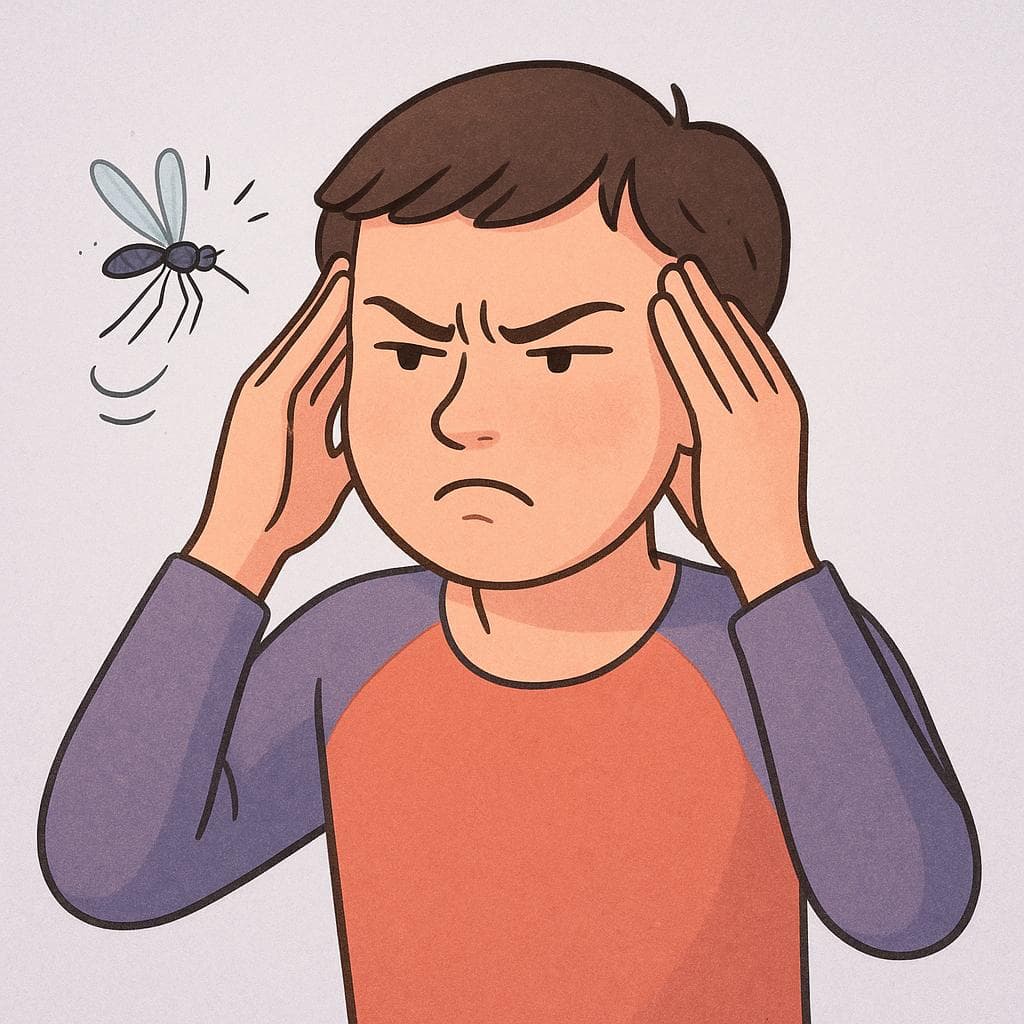
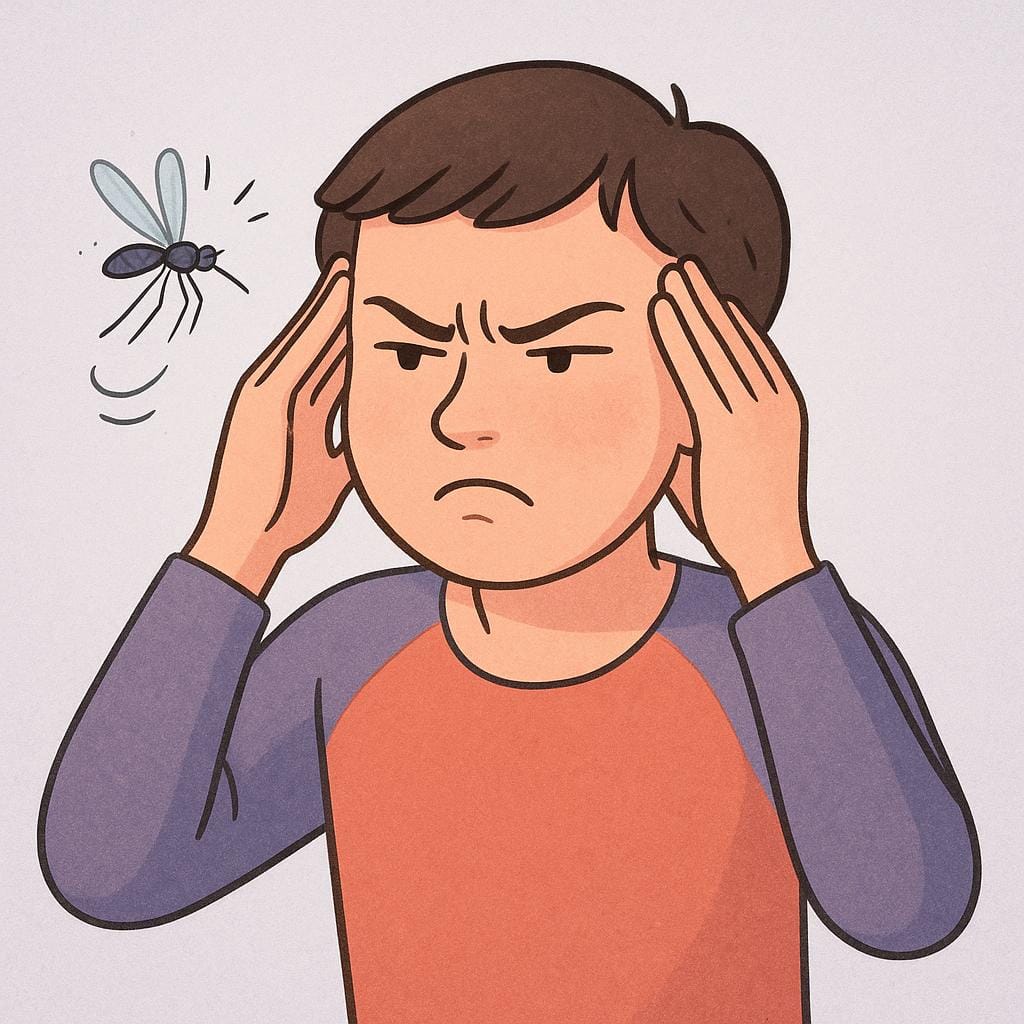
The most common Spanish word for “drag” is “lata” — use 'lata' to describe something that is a bother, tedious, or generally annoying, often referring to a situation or task you dislike.

lata
LAH-tahˈlata
Examples
¡Qué lata tener que esperar tanto!
What a pain having to wait so long!
Mi hermano me está dando la lata con su música.
My brother is bothering me with his music.
Es una lata tener que llenar todos estos formularios.
It's a hassle having to fill out all these forms.
Verbs for Annoyance
The most common way to use this meaning is with the verb 'dar' (to give): 'dar la lata' means 'to give someone hassle' or 'to annoy them.' This is always used informally.
Literal Translation
Mistake: “Using 'lata' (can) to mean 'I can' (ability).”
Correction: Remember that 'lata' is only a noun. To express ability, use 'poder' (e.g., 'Yo puedo').
rollo
ROH-yohˈro.ʎo
Examples
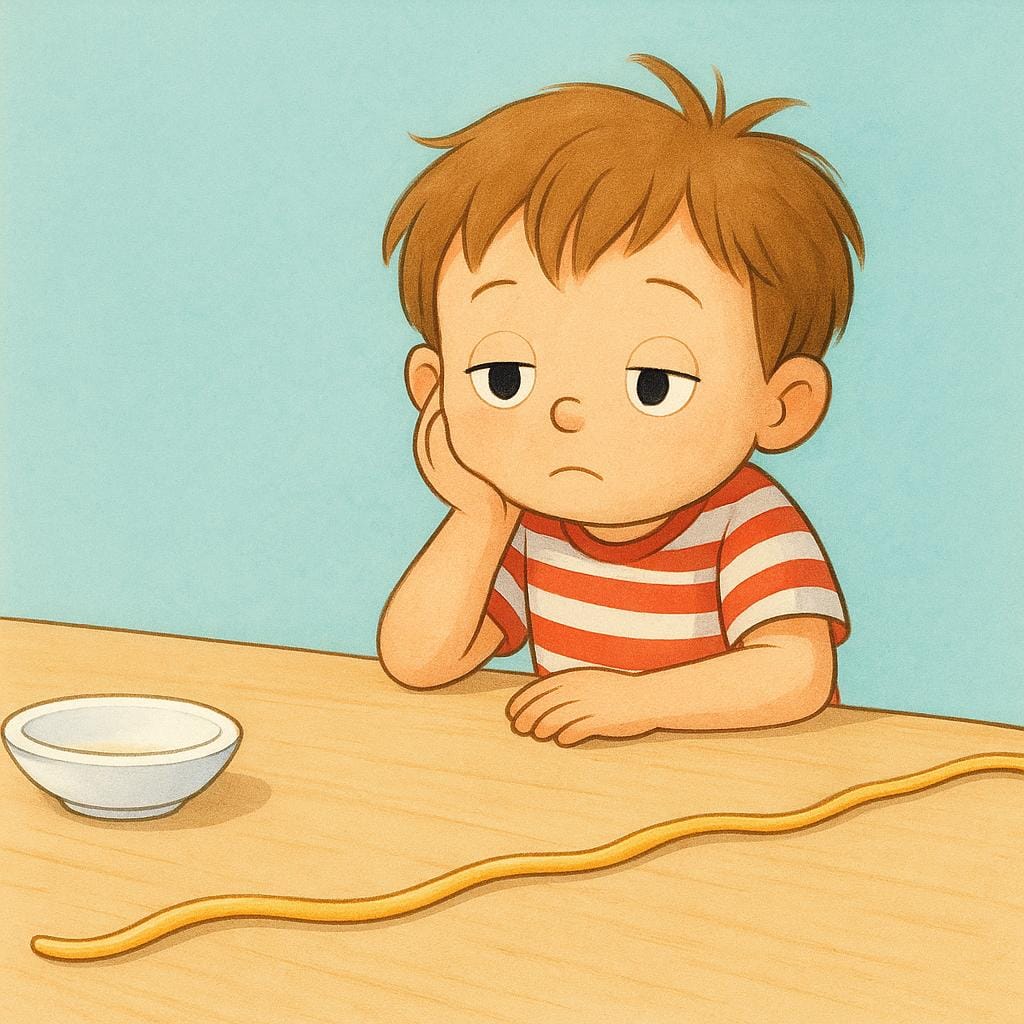
¡Qué rollo de película! No pasa nada interesante.
What a boring movie! Nothing interesting happens.
Tener que esperar una hora en la cola fue un rollo.
Having to wait an hour in line was a drag/hassle.
Mi jefe se pone muy rollo cuando habla de sus vacaciones.
My boss gets really boring/tedious when he talks about his vacation.
Expressing Boredom
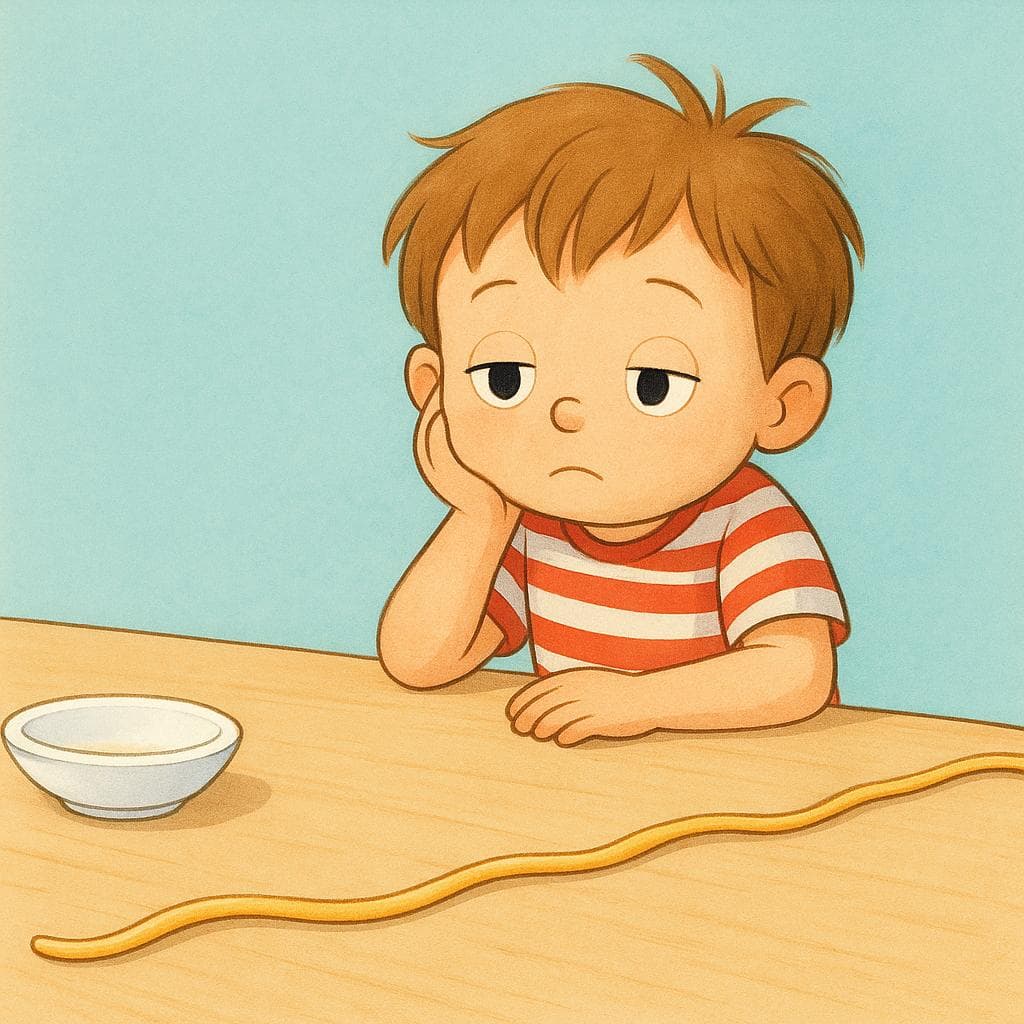
When 'rollo' means 'bore,' it is usually used with 'ser' (to be) or in the exclamation '¡Qué rollo!' to show strong frustration or boredom.
Confusing 'Rollo' and 'Aburrido'
Mistake: “Using 'Estoy rollo' to mean 'I am bored.'”
Correction: Use 'Estoy aburrido/a' for 'I am bored.' 'Soy un rollo' means 'I am a boring person.'
plomo
PLOH-mohˈplomo
Examples
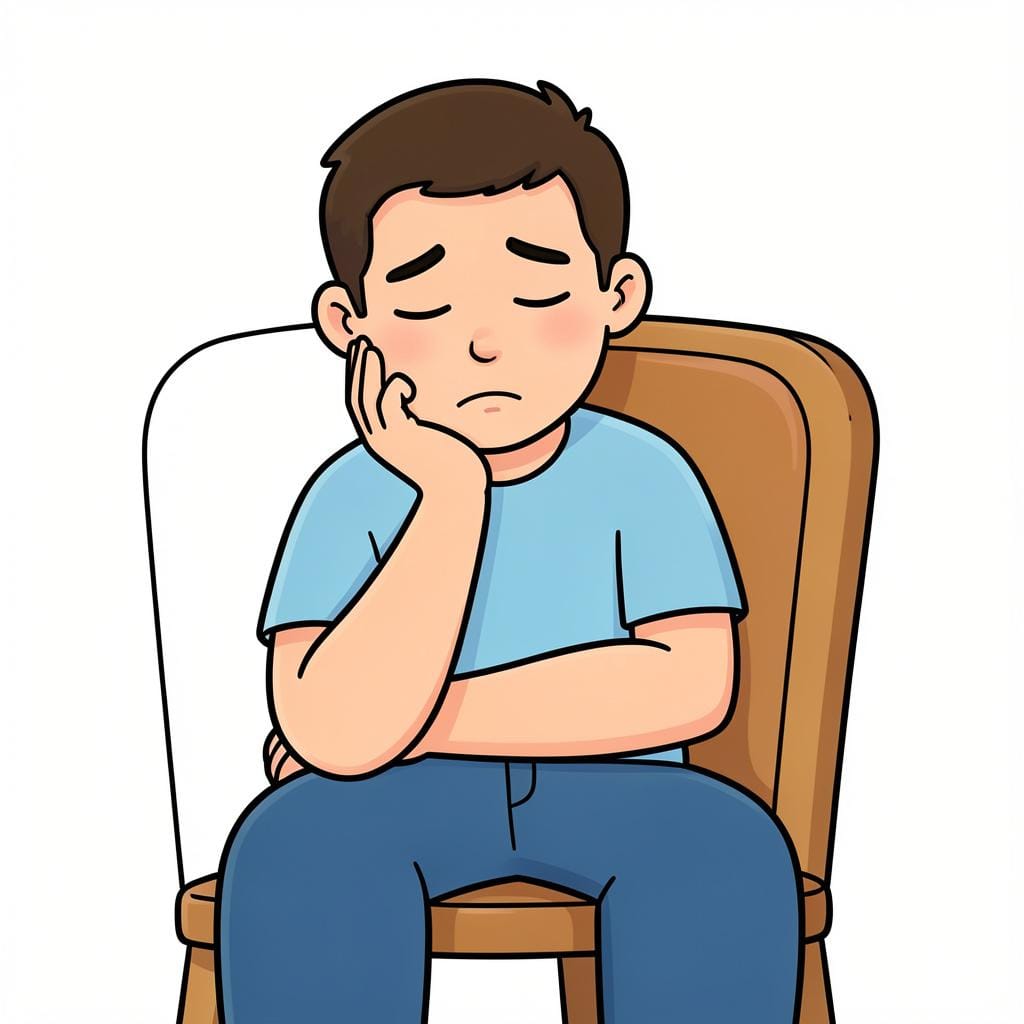
Tu primo es un plomo; no para de hablar de sus sellos.
Your cousin is such a bore; he doesn't stop talking about his stamps.
¡Qué plomo de película! Me quedé dormido.
What a drag of a movie! I fell asleep.
ladrillo
lah-DREE-yohlaˈðɾiʝo

Examples
Ese libro de historia es un ladrillo.
That history book is a real bore (heavy going).
La conferencia fue un ladrillo y me quedé dormido.
The lecture was a total drag and I fell asleep.
No veas esa película, es un ladrillo de tres horas.
Don't watch that movie; it's a three-hour bore.
Using with 'Ser'
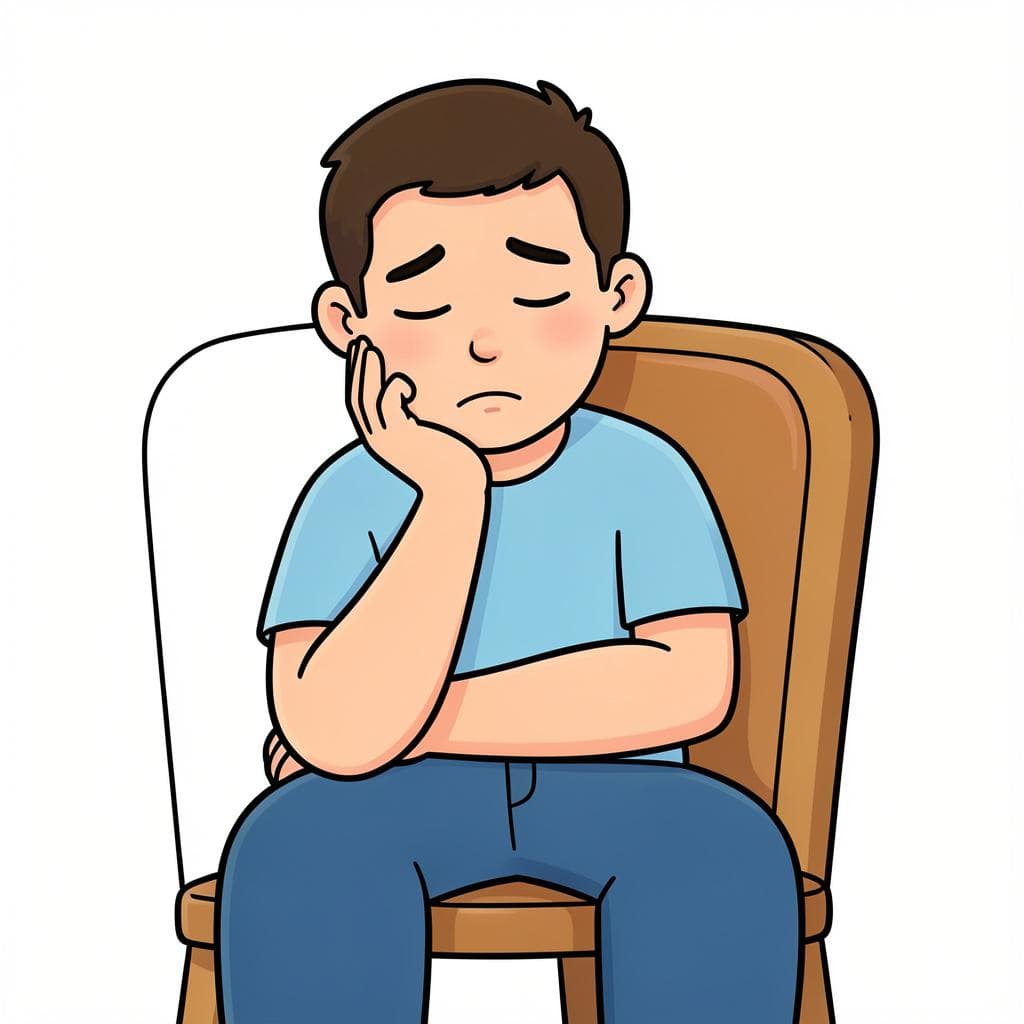
To describe something as boring using this word, always use the verb 'ser' (to be) because it's considered a characteristic of the thing.
The Indefinite Article
Even when you use it as an adjective in English (it's boring), in Spanish you keep the 'un' (it's 'a' brick).
Using 'Estar'
Mistake: “Saying 'La clase está un ladrillo.'”
Correction: Say 'La clase es un ladrillo.' We use 'es' for things that are boring by nature.
tirar
TEE-rehˈti.ɾe
Examples
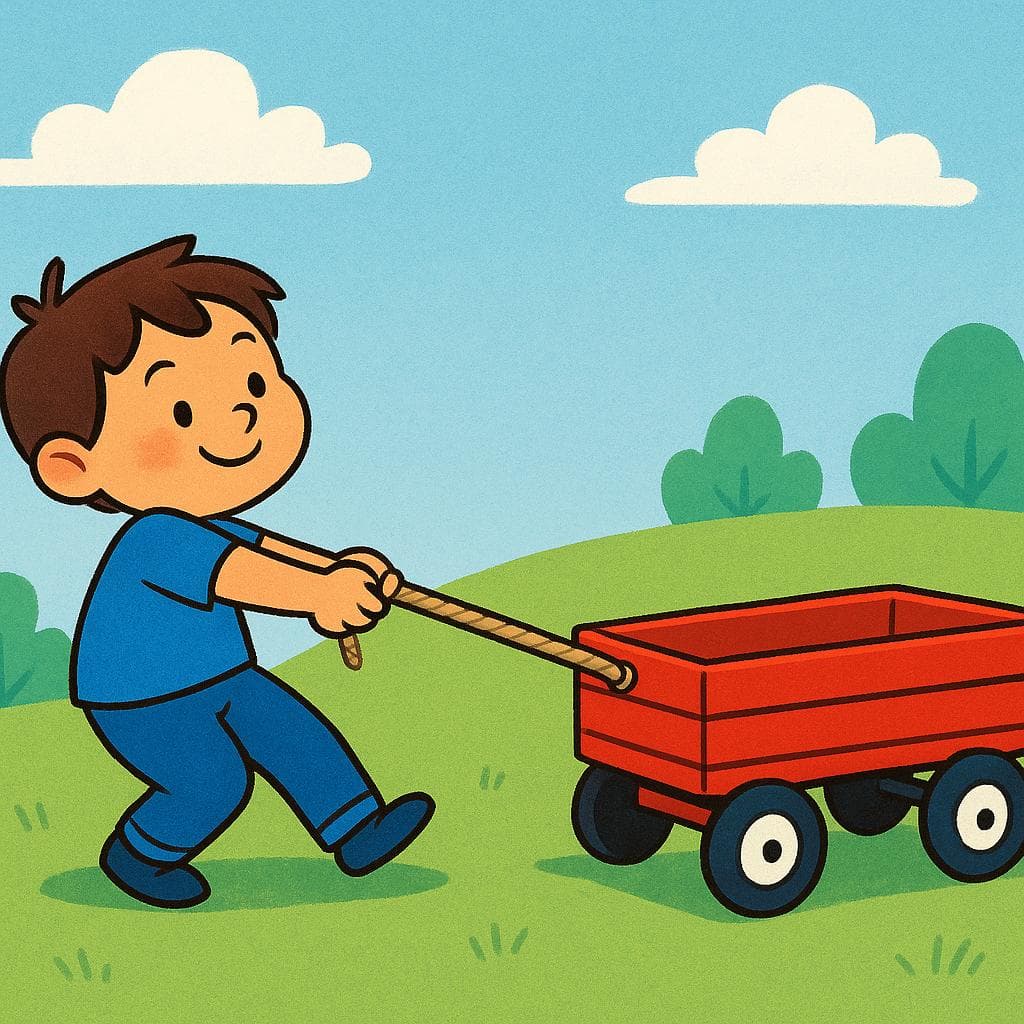
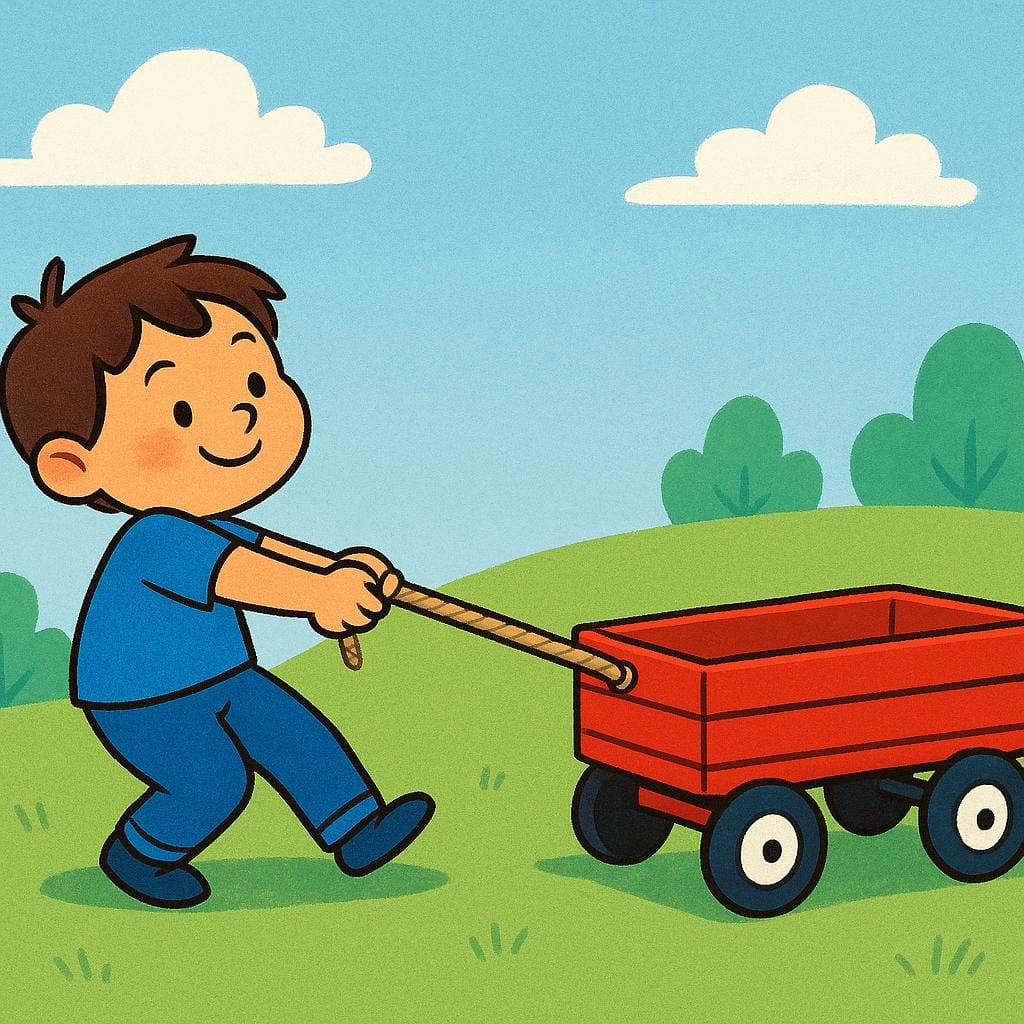
Le pido que tire la cuerda con fuerza.
I ask that you (formal) pull the rope hard.
Si usted no tire de la manija, la puerta no abre.
If you don't pull the handle, the door won't open.
Confusing Tedium with Physical Pulling
Learn Spanish with Inklingo
Interactive stories, personalized learning, and more.