How to Say "bore" in Spanish
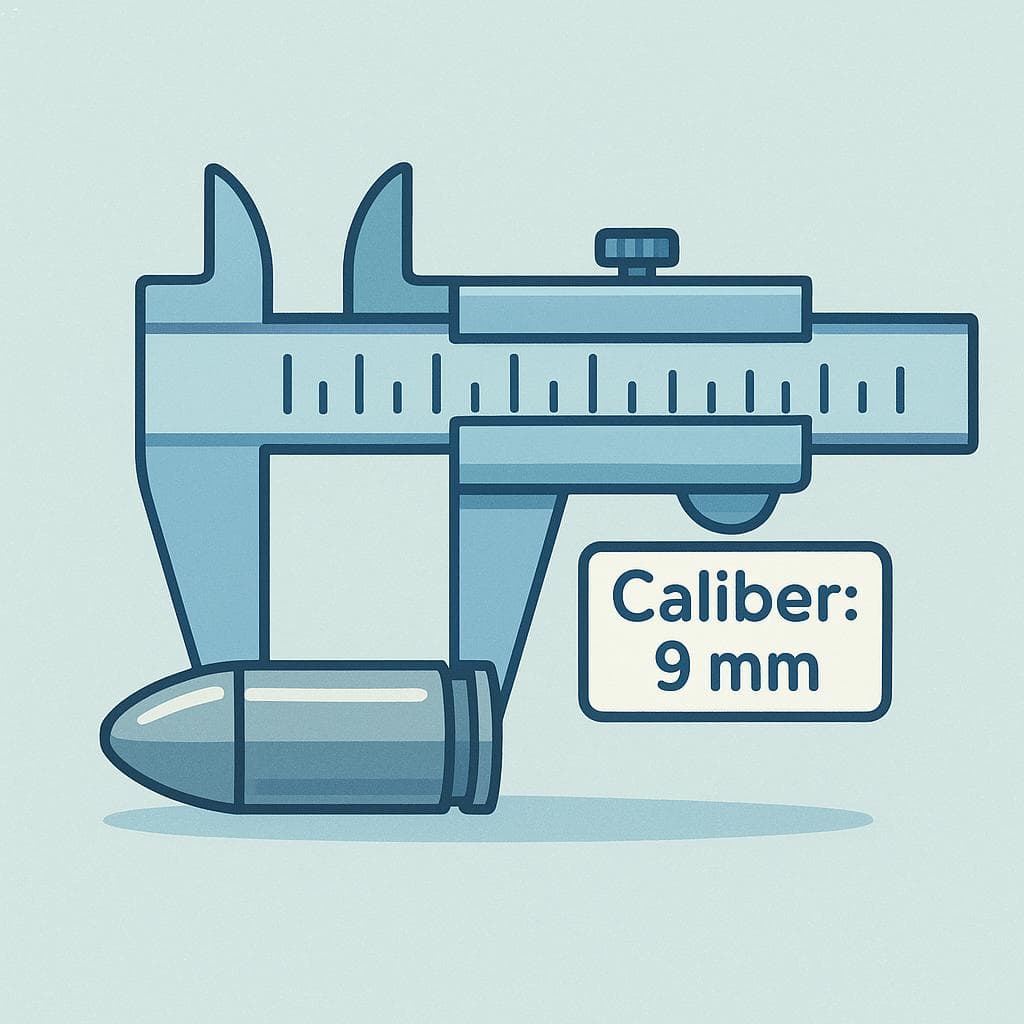
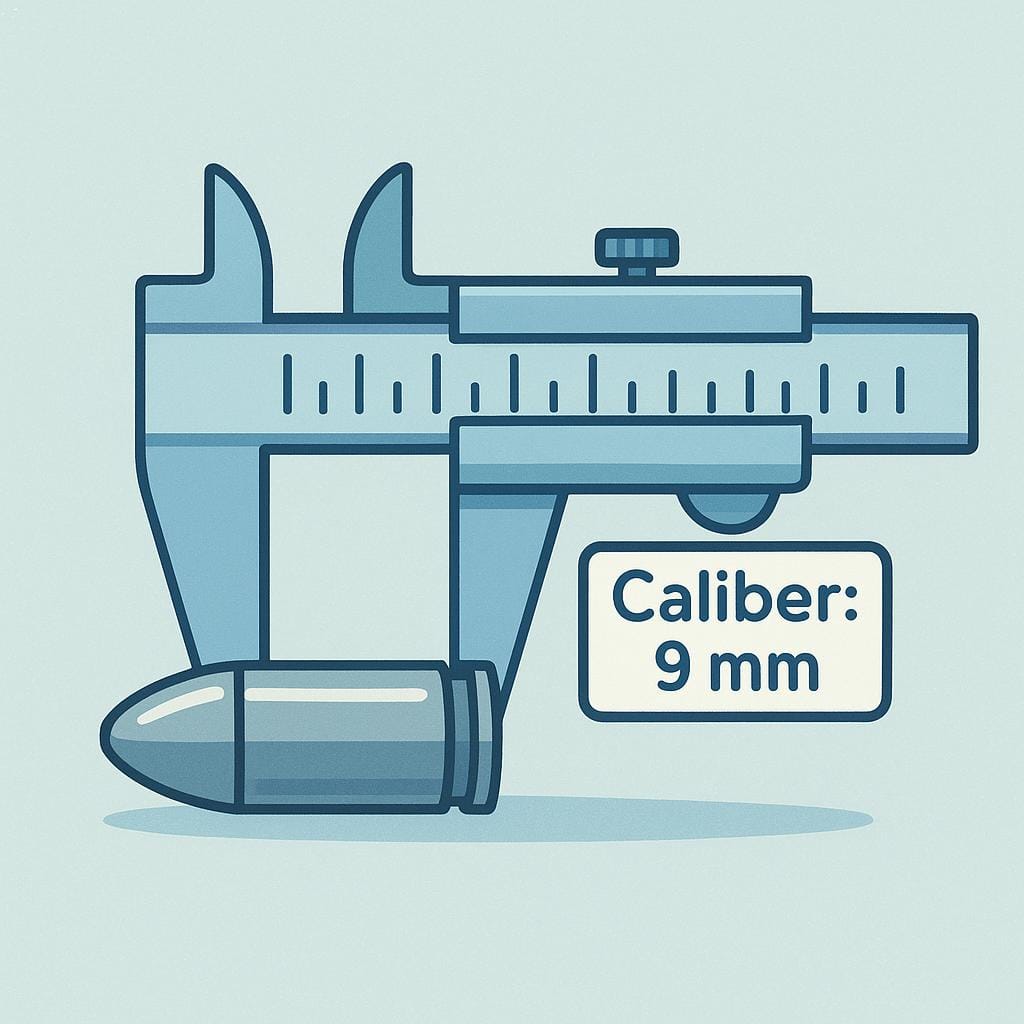
The most common Spanish word for “bore” is “calibre” — use this word to refer to the internal diameter of a tube, such as a gun barrel or a pipe.


calibre
kah-LEE-braykaˈli.βɾe
Examples
La policía encontró balas de calibre nueve milímetros.
The police found nine-millimeter caliber bullets.
Necesitamos un cable de calibre más grueso para esta instalación eléctrica.
We need a thicker gauge wire for this electrical installation.
Always Masculine
Even though it ends in '-e', 'calibre' is always a masculine noun, so use 'el' or 'un' before it.
rollo
ROH-yohˈro.ʎo
Examples
¡Qué rollo de película! No pasa nada interesante.
What a boring movie! Nothing interesting happens.
Tener que esperar una hora en la cola fue un rollo.
Having to wait an hour in line was a drag/hassle.
Mi jefe se pone muy rollo cuando habla de sus vacaciones.
My boss gets really boring/tedious when he talks about his vacation.
Expressing Boredom
When 'rollo' means 'bore,' it is usually used with 'ser' (to be) or in the exclamation '¡Qué rollo!' to show strong frustration or boredom.
Confusing 'Rollo' and 'Aburrido'
Mistake: “Using 'Estoy rollo' to mean 'I am bored.'”
Correction: Use 'Estoy aburrido/a' for 'I am bored.' 'Soy un rollo' means 'I am a boring person.'
plomo
PLOH-mohˈplomo
Examples
Tu primo es un plomo; no para de hablar de sus sellos.
Your cousin is such a bore; he doesn't stop talking about his stamps.
¡Qué plomo de película! Me quedé dormido.
What a drag of a movie! I fell asleep.
ladrillo
lah-DREE-yohlaˈðɾiʝo

Examples
Ese libro de historia es un ladrillo.
That history book is a real bore (heavy going).
La conferencia fue un ladrillo y me quedé dormido.
The lecture was a total drag and I fell asleep.
No veas esa película, es un ladrillo de tres horas.
Don't watch that movie; it's a three-hour bore.
Using with 'Ser'
To describe something as boring using this word, always use the verb 'ser' (to be) because it's considered a characteristic of the thing.
The Indefinite Article
Even when you use it as an adjective in English (it's boring), in Spanish you keep the 'un' (it's 'a' brick).
Using 'Estar'
Mistake: “Saying 'La clase está un ladrillo.'”
Correction: Say 'La clase es un ladrillo.' We use 'es' for things that are boring by nature.
paquete
pah-KEH-tehpaˈkete

Examples
No lo pongas a jugar al fútbol, es un paquete.
Don't put him in to play soccer, he's totally clumsy/inept.
La película fue un paquete, me aburrí muchísimo.
The movie was a bore (a dud), I got incredibly bored.
Using 'Ser' vs 'Estar'
Since this refers to a permanent quality (being inept or boring), you use the verb 'ser' (e.g., 'es un paquete').
seta
seh-tahˈseta
Examples
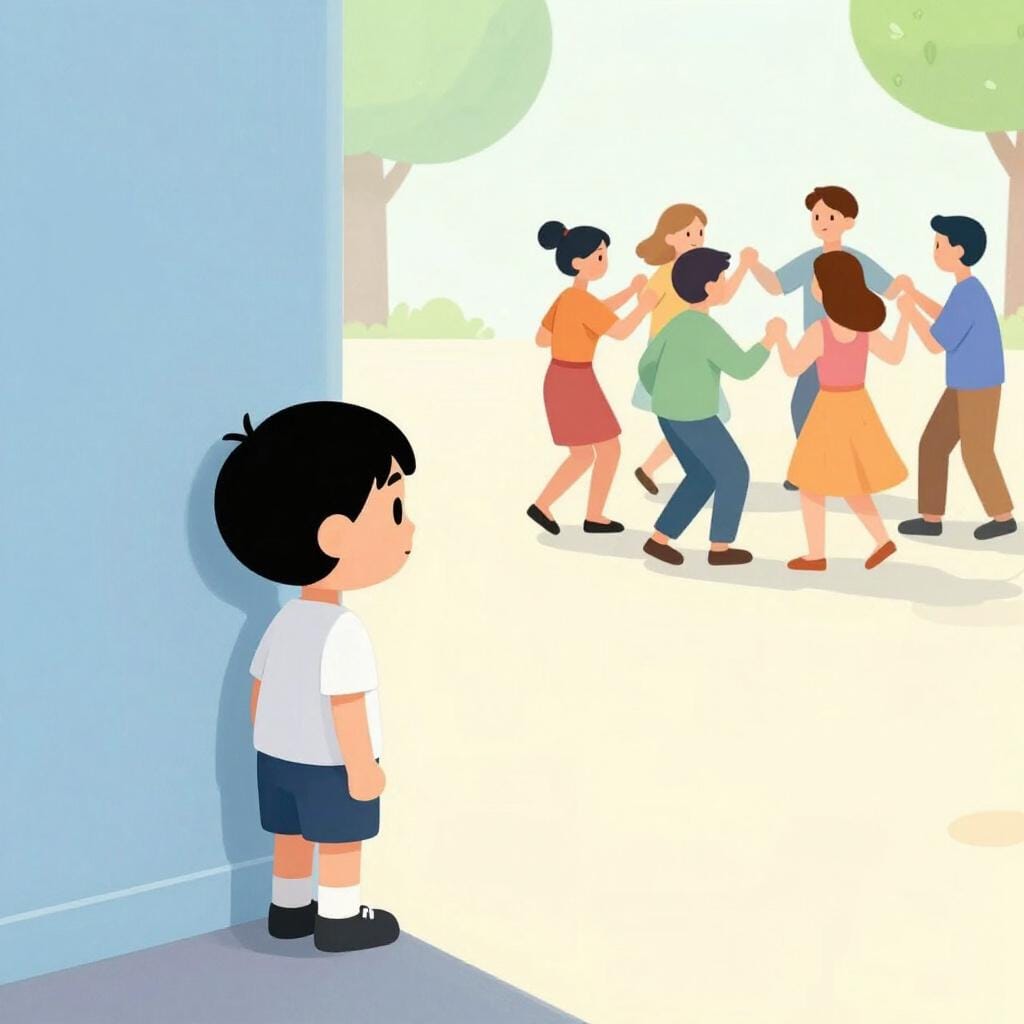
¡Venga, levántate y baila! No seas una seta.
Come on, get up and dance! Don't be such a wallflower.
Using 'Ser' vs 'Estar'
Use 'ser una seta' if someone is naturally boring or quiet. Use 'estar como una seta' if they are just being quiet at this specific moment.
Bore vs. Boring Person
Learn Spanish with Inklingo
Interactive stories, personalized learning, and more.