How to Say "bother" in Spanish
The most common Spanish word for “bother” is “molestia” — use 'molestia' when referring to the annoyance or trouble caused by something, often in a polite request or apology context.

molestia
moh-LEHS-tee-ahmoˈlestja
Examples
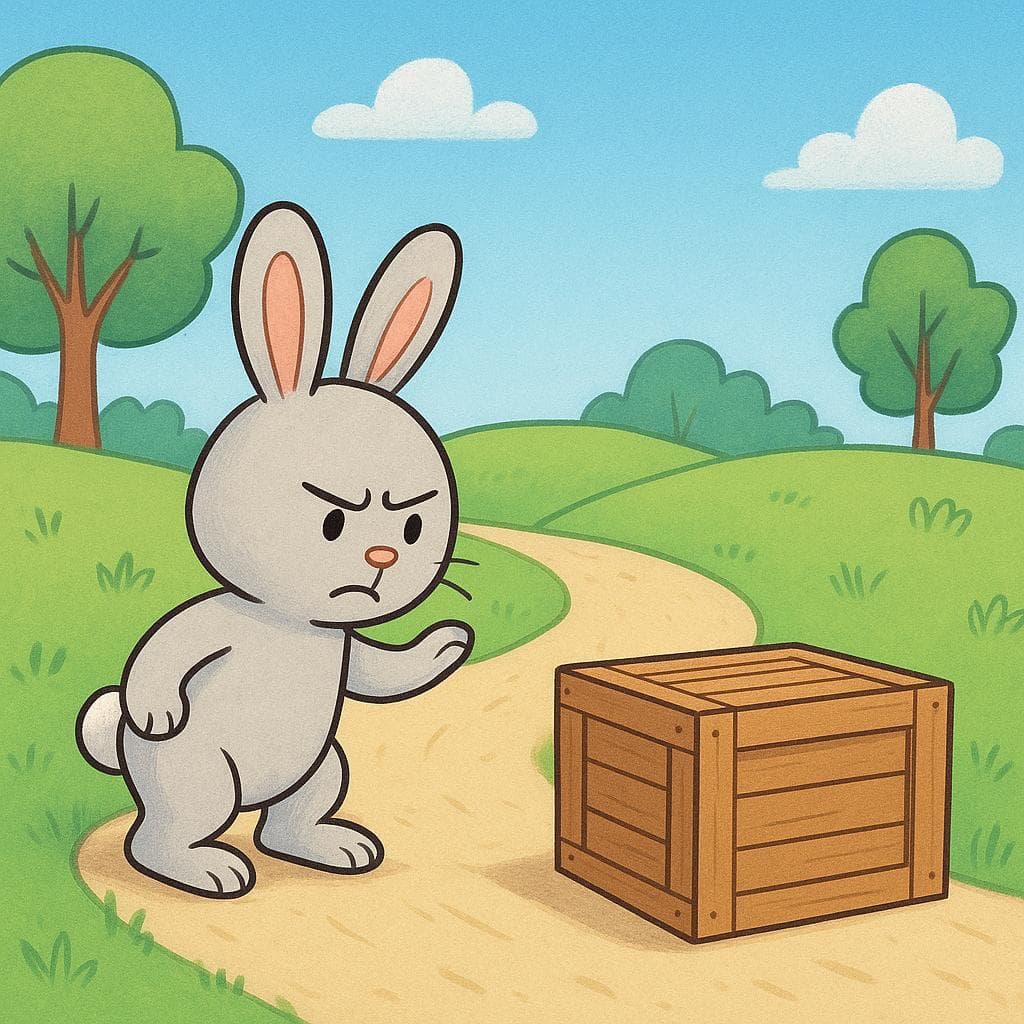
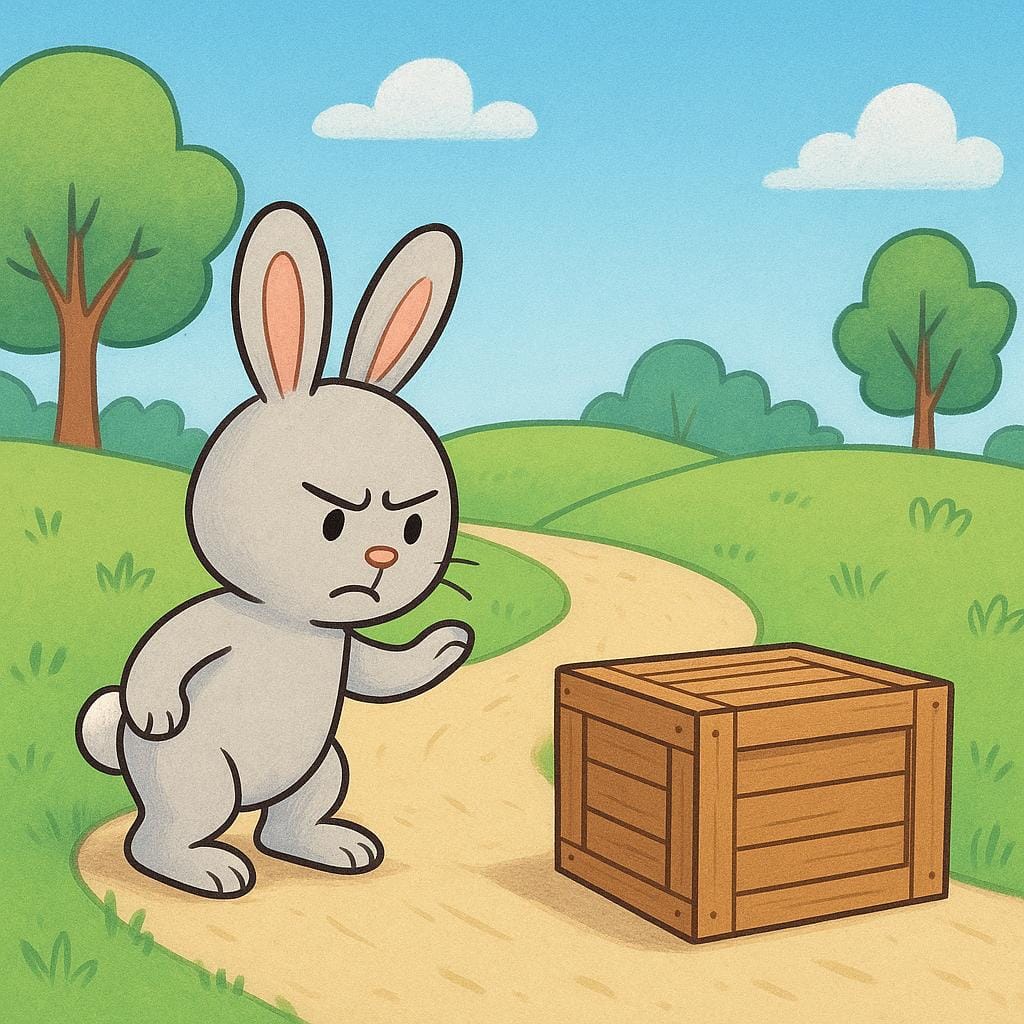
Disculpe la molestia, pero ¿me podría ayudar con esta caja?
Excuse the inconvenience, but could you help me with this box?
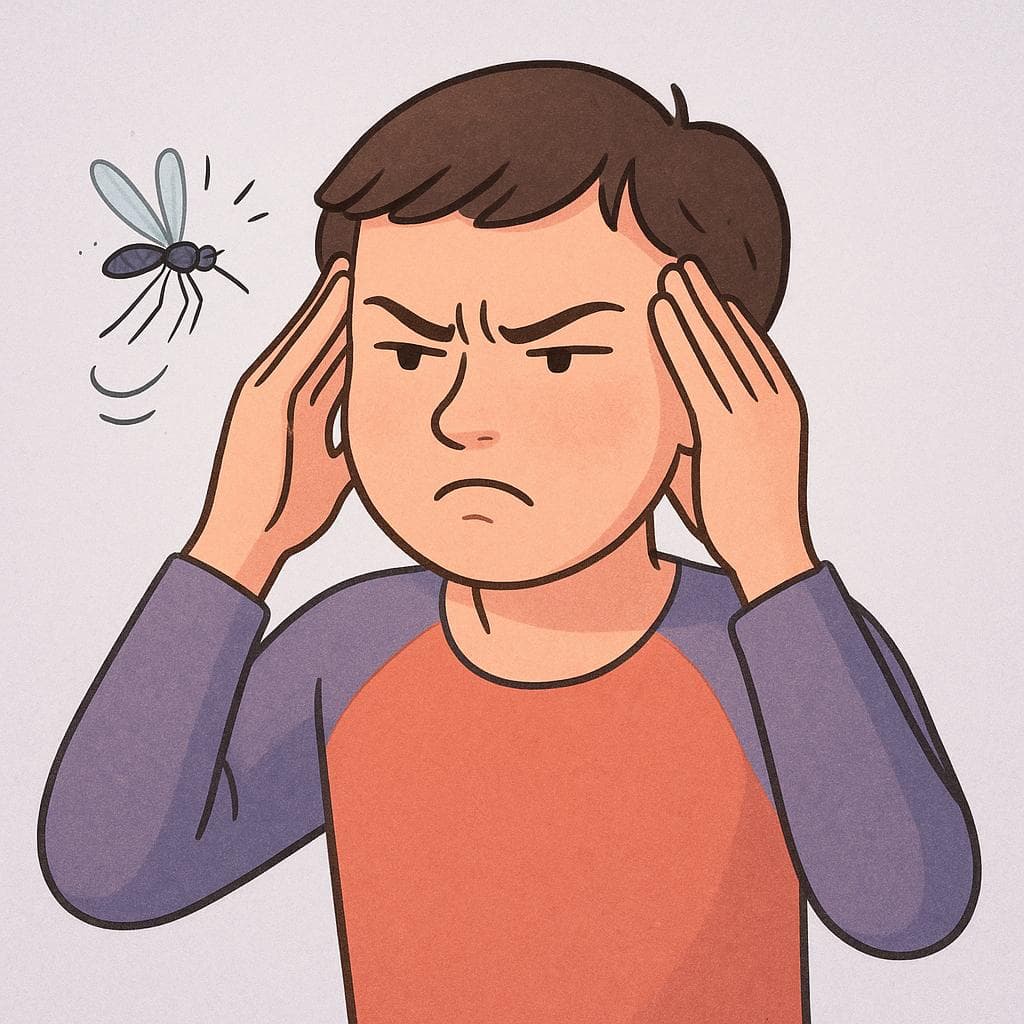
La constante música alta de los vecinos es una gran molestia.
The constant loud music from the neighbors is a great annoyance.
Tomarse la molestia de llamarme fue muy amable de tu parte.
Taking the trouble (or bother) to call me was very kind of you.
Using 'Molestia' in Apologies
When apologizing for something you did that caused trouble, use the plural form: 'Siento mucho las molestias' (I am very sorry for the inconveniences/trouble).
Confusing 'Molestia' and 'Molestación'
Mistake: “Using 'molestación' when you mean 'inconvenience'.”
Correction: While 'molestación' exists, it usually refers to sexual harassment or serious badgering. For general trouble or annoyance, always use 'molestia'.
moleste
moh-LEHS-tehmoˈles.te

Examples
No quiero que el ruido te moleste.
I don't want the noise to bother you.
Espero que mi presencia no moleste a nadie.
I hope my presence doesn't annoy anyone. (Yo form of subjunctive)
Dígale que no moleste a los vecinos con esa música.
Tell him not to bother the neighbors with that music. (Él/Ella/Usted form of subjunctive)
The Special Verb Form (Subjunctive)
This form ('moleste') is used when the verb 'molestar' follows expressions of doubt, desire, emotion, or necessity, showing that the action is uncertain or desired, not a simple fact.
Formal Commands
When giving a formal command to 'Usted' (you formal), you use this exact form, especially in the negative: 'No moleste' (Don't bother!).
Mixing Moods
Mistake: “No quiero que me molesta.”
Correction: No quiero que me moleste. (Explanation: After verbs like 'querer' (to want) that express desire, the verb in the second part of the sentence must change to the special form 'moleste'.)
fastidio
fas-TEE-dee-ohfasˈtiðjo
Examples
¡Qué fastidio! Se me rompió el teléfono.
What a nuisance! My phone broke.
Es un fastidio tener que esperar el autobús por una hora.
It's a bother having to wait for the bus for an hour.
Siento un gran fastidio cuando la gente habla alto en el cine.
I feel a great deal of annoyance when people talk loudly in the cinema.
Using 'Qué' to Complain
You can put 'Qué' before this word to create a quick exclamation when something goes wrong. It's the most natural way to say 'How annoying!' or 'What a pain!'
Describing Things vs. Feelings
When you use 'es un fastidio,' you are talking about a thing or situation that is annoying. If you want to say you are feeling annoyed, use the related word 'fastidiado' with the verb 'estar'.
Confusing the Noun and Verb
Mistake: “Me fastidio cuando llueve.”
Correction: Me fastidia cuando llueve (It annoys me) or El fastidio de la lluvia (The nuisance of the rain).
lata
LAH-tahˈlata
Examples
¡Qué lata tener que esperar tanto!
What a bother having to wait so long!
Mi hermano me está dando la lata con su música.
My brother is bothering me with his music.
Es una lata tener que llenar todos estos formularios.
It's a hassle having to fill out all these forms.
Verbs for Annoyance
The most common way to use this meaning is with the verb 'dar' (to give): 'dar la lata' means 'to give someone hassle' or 'to annoy them.' This is always used informally.
Literal Translation
Mistake: “Using 'lata' (can) to mean 'I can' (ability).”
Correction: Remember that 'lata' is only a noun. To express ability, use 'poder' (e.g., 'Yo puedo').
Noun vs. Verb Confusion
Related Translations
Learn Spanish with Inklingo
Interactive stories, personalized learning, and more.