How to Say "ache" in Spanish
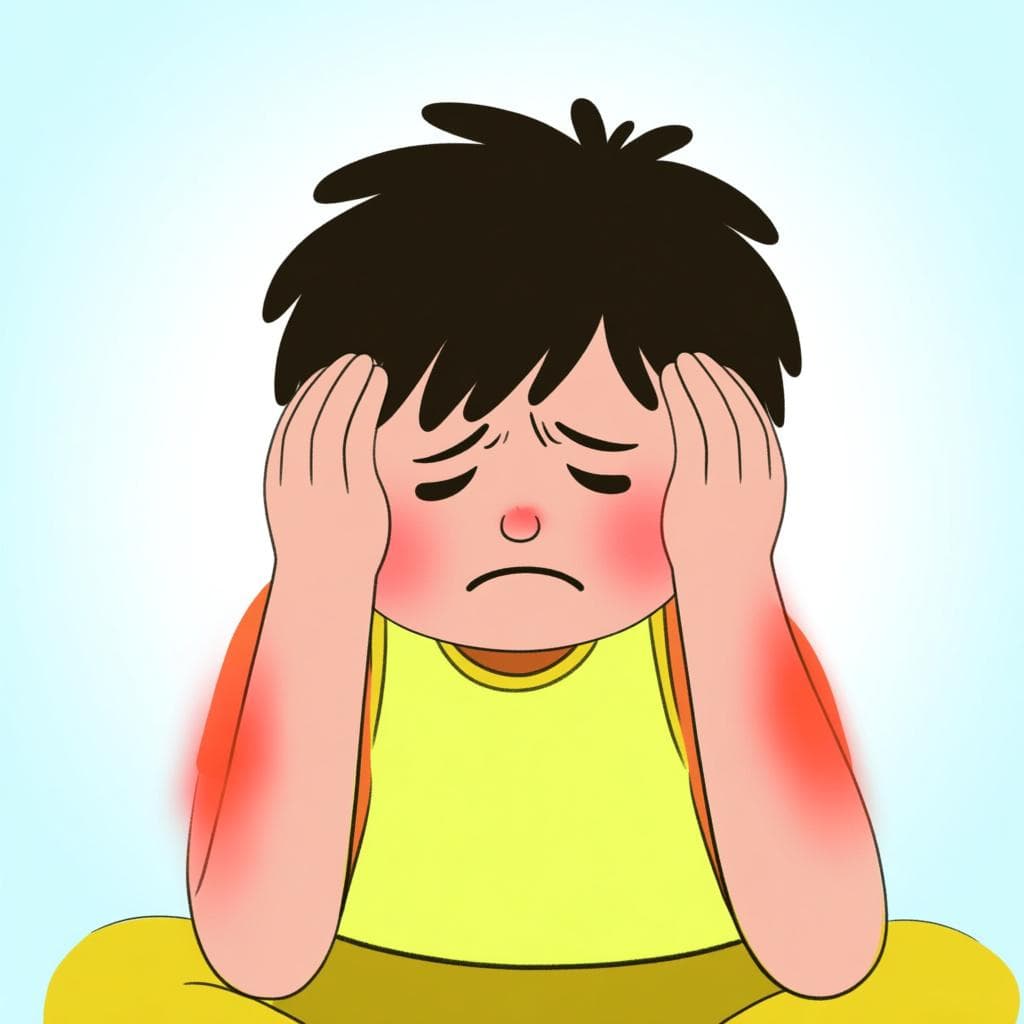
The most common Spanish word for “ache” is “dolor” — use 'dolor' for any type of pain, especially when it's a significant or continuous feeling like a headache or stomach ache.

dolor
doh-LORdoˈloɾ
Examples
Tengo un dolor de cabeza terrible.
I have a terrible headache.
Siento un dolor agudo en la espalda.
I feel a sharp pain in my back.
El medicamento alivió el dolor muscular.
The medicine relieved the muscle pain.
Using 'Tener' for Aches and Pains
In Spanish, you often say you 'have' a pain using the verb 'tener'. For example, 'Tengo dolor de cabeza' literally means 'I have a pain of the head'.
'Me duele' vs. 'Tengo dolor'
Mistake: “'Soy dolor en la cabeza.' (This sounds like 'I am a pain in the head.')”
Correction: Use 'Tengo dolor de cabeza' (I have a headache) or 'Me duele la cabeza' (My head hurts). Both are correct and very common ways to talk about pain.
molestia
moh-LEHS-tee-ahmoˈlestja

Examples
Después de correr, sentí una pequeña molestia en el tobillo.
After running, I felt a slight discomfort in my ankle.
Si la molestia persiste, debe consultar a un médico.
If the discomfort persists, you should consult a doctor.
Describing Physical Feelings
Use the verb 'sentir' (to feel) or 'tener' (to have) when talking about physical 'molestia': 'Siento una molestia' or 'Tengo una molestia'.
Dolor vs. Molestia
Related Translations
Learn Spanish with Inklingo
Interactive stories, personalized learning, and more.