How to Say "heartache" in Spanish
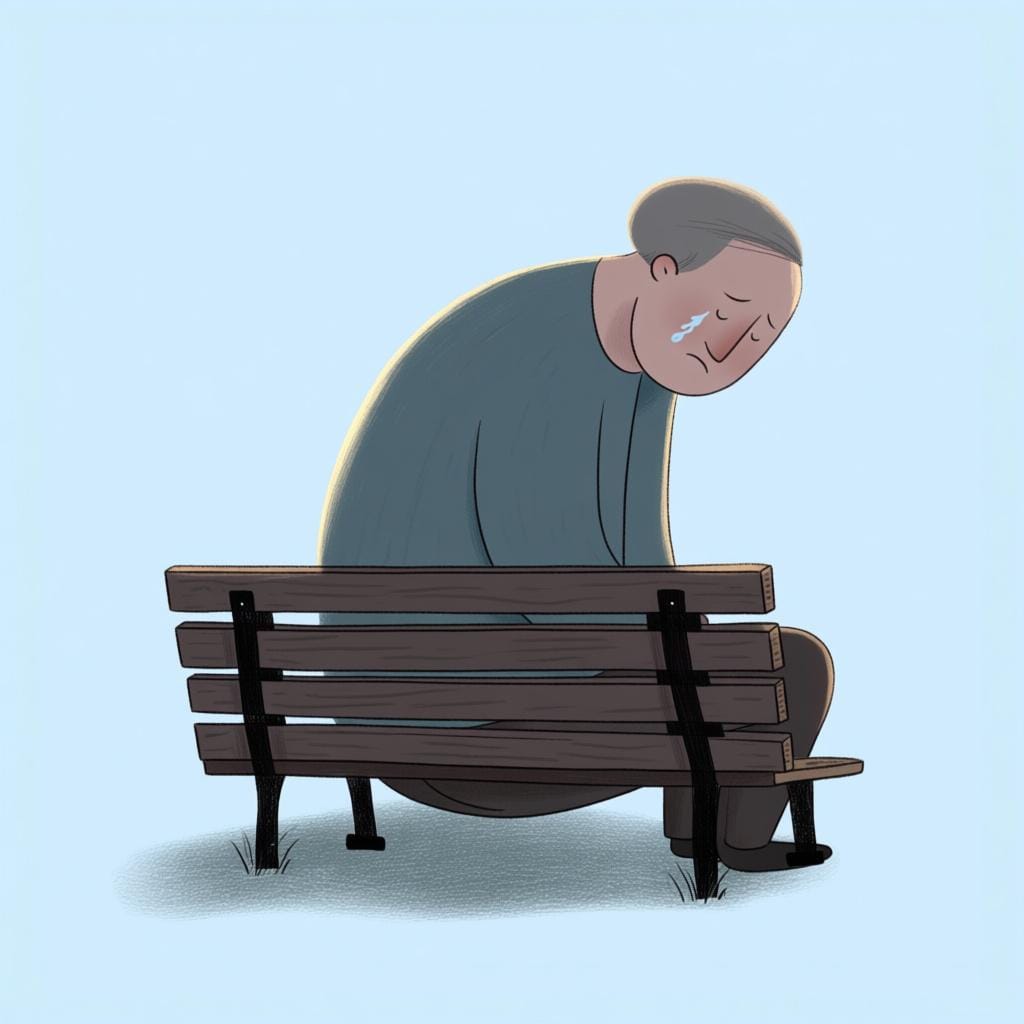
The most common Spanish word for “heartache” is “dolor” — use 'dolor' when referring to a deep, often profound emotional pain or grief, especially one caused by loss or suffering.
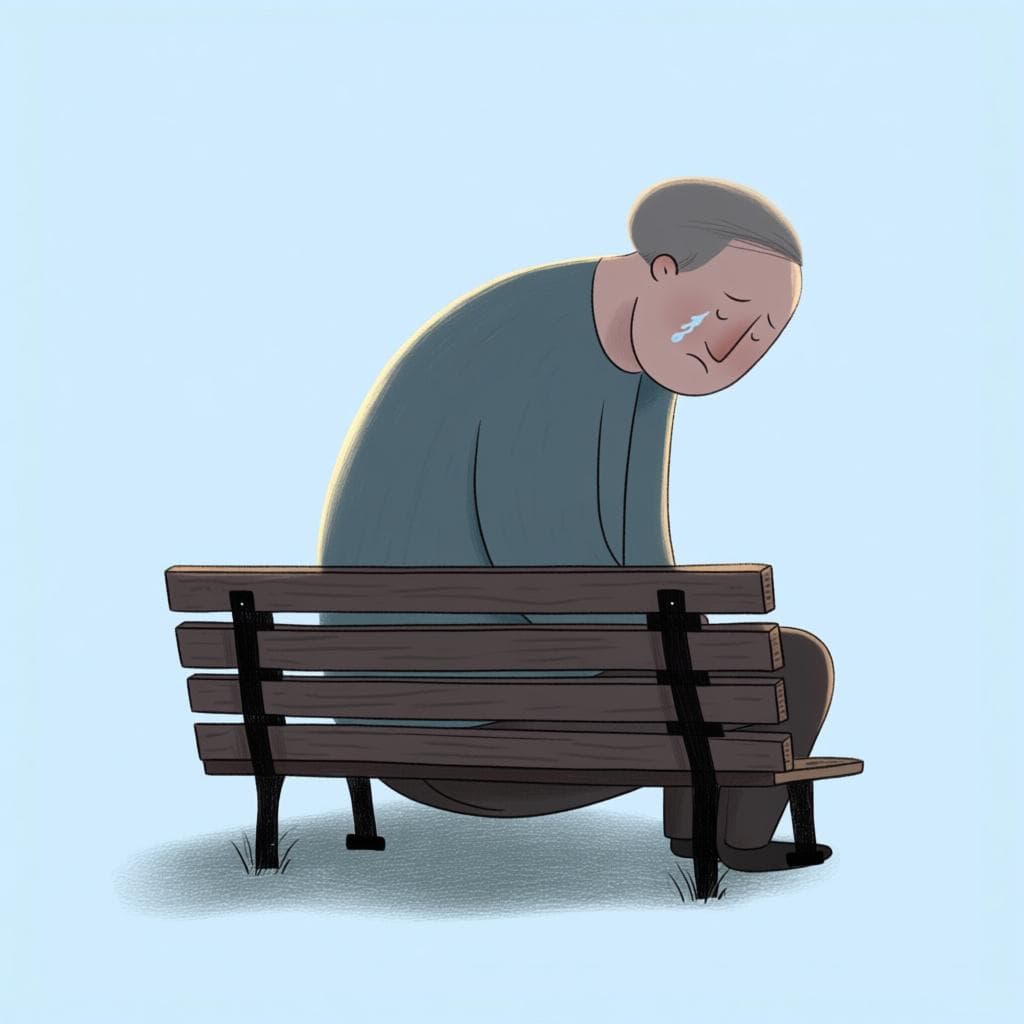
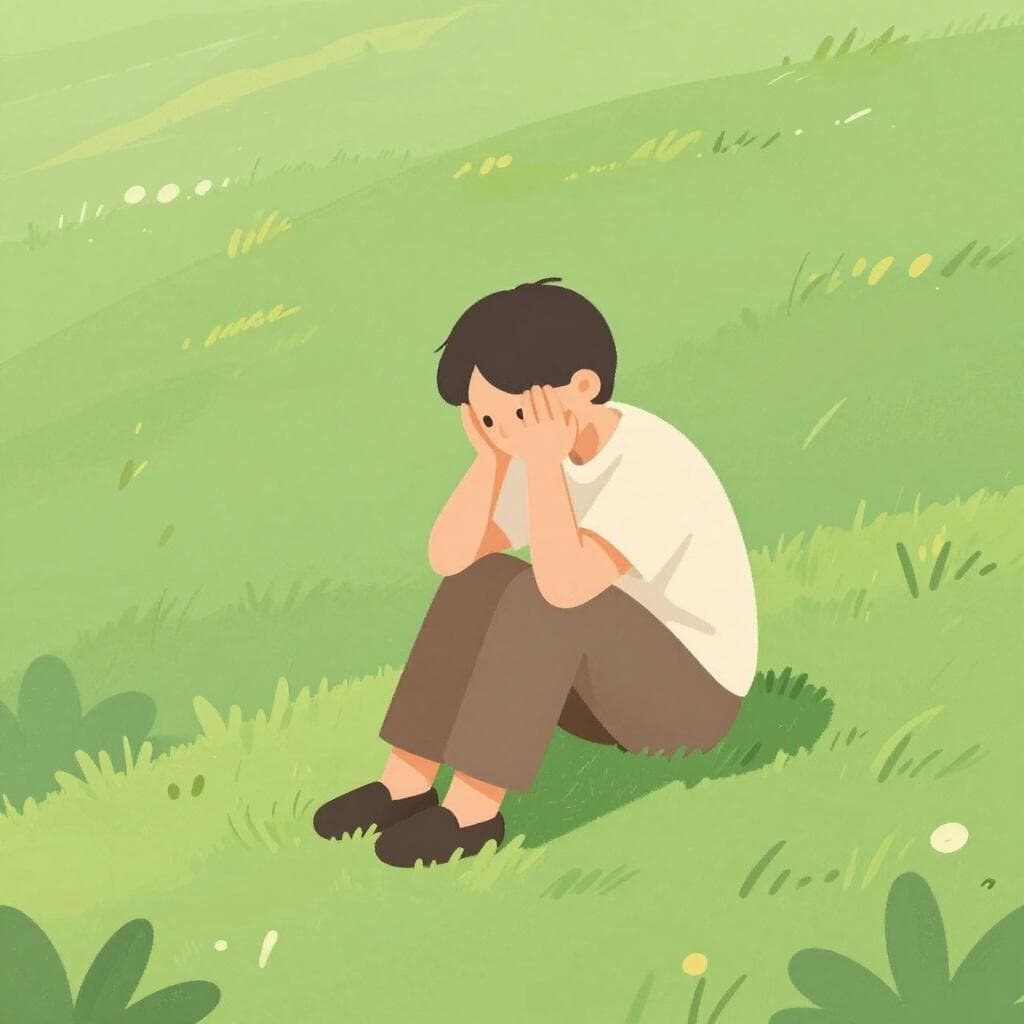
dolor
doh-LORdoˈloɾ
Examples
La muerte de su mascota le causó un profundo dolor.
The death of his pet caused him deep grief.
La pérdida de su abuela le causó un gran dolor.
The loss of his grandmother caused him great grief.
Es una historia llena de dolor y sufrimiento.
It's a story full of pain and suffering.
Compartimos tu dolor en este momento difícil.
We share your sorrow in this difficult time.
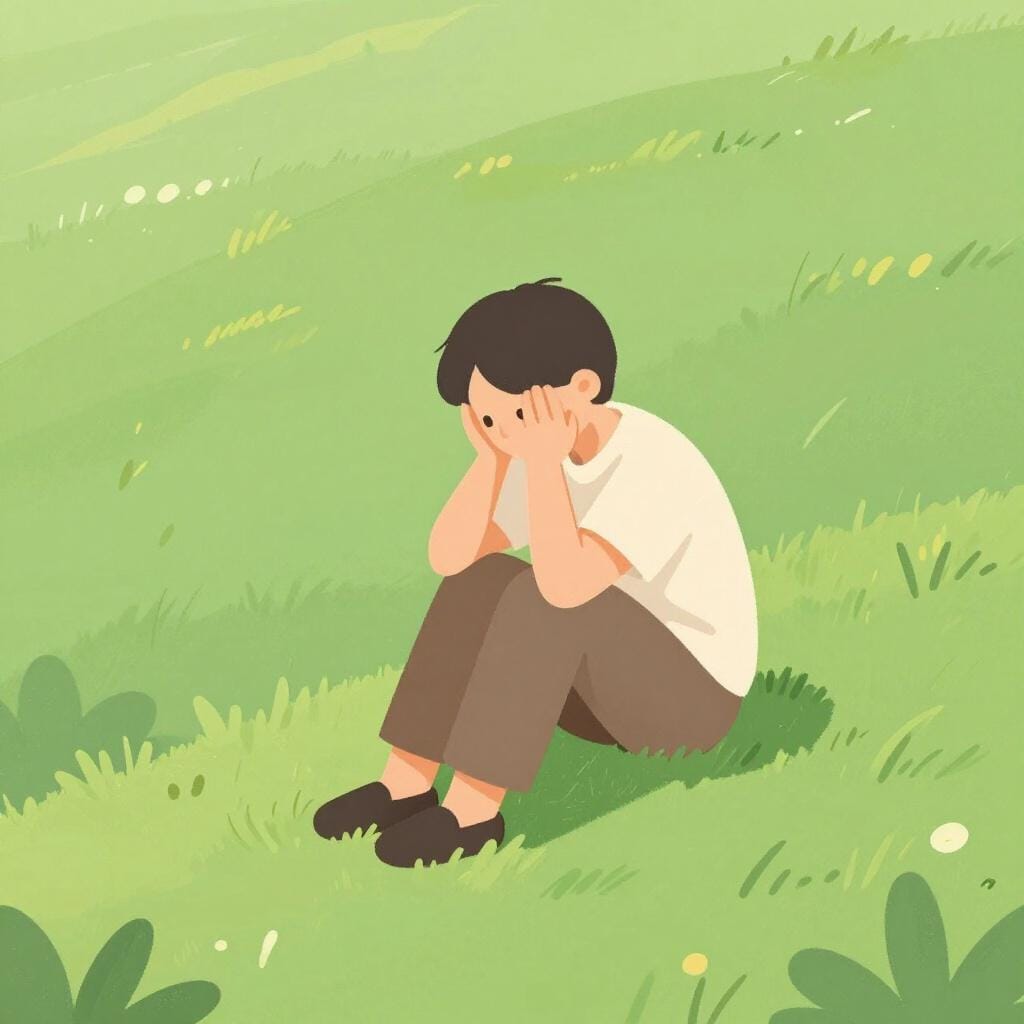
angustia
ahn-GOOS-tyahanˈɡustja
Examples
Sintió una gran angustia al pensar en el futuro incierto.
He felt great anguish when thinking about the uncertain future.
Sentí una gran angustia cuando no encontraba mis llaves.
I felt a great sense of distress when I couldn't find my keys.
Su rostro reflejaba la angustia por la noticia.
His face reflected the anguish caused by the news.
Gender and Articles
Even though it ends in 'a', this is a feminine noun. Use 'la angustia' or 'una angustia' when talking about it.
Feeling vs. Being
Mistake: “Estoy angustia.”
Correction: Say 'Tengo angustia' (I have anguish) or 'Estoy angustiado' (I am distressed). In Spanish, you often 'have' feelings rather than 'being' them.
Distinguishing Dolor from Angustia
Learn Spanish with Inklingo
Interactive stories, personalized learning, and more.