How to Say "pain" in Spanish
The most common Spanish word for “pain” is “dolor” — use 'dolor' for a physical sensation of discomfort or ache, such as a headache or a sore muscle.
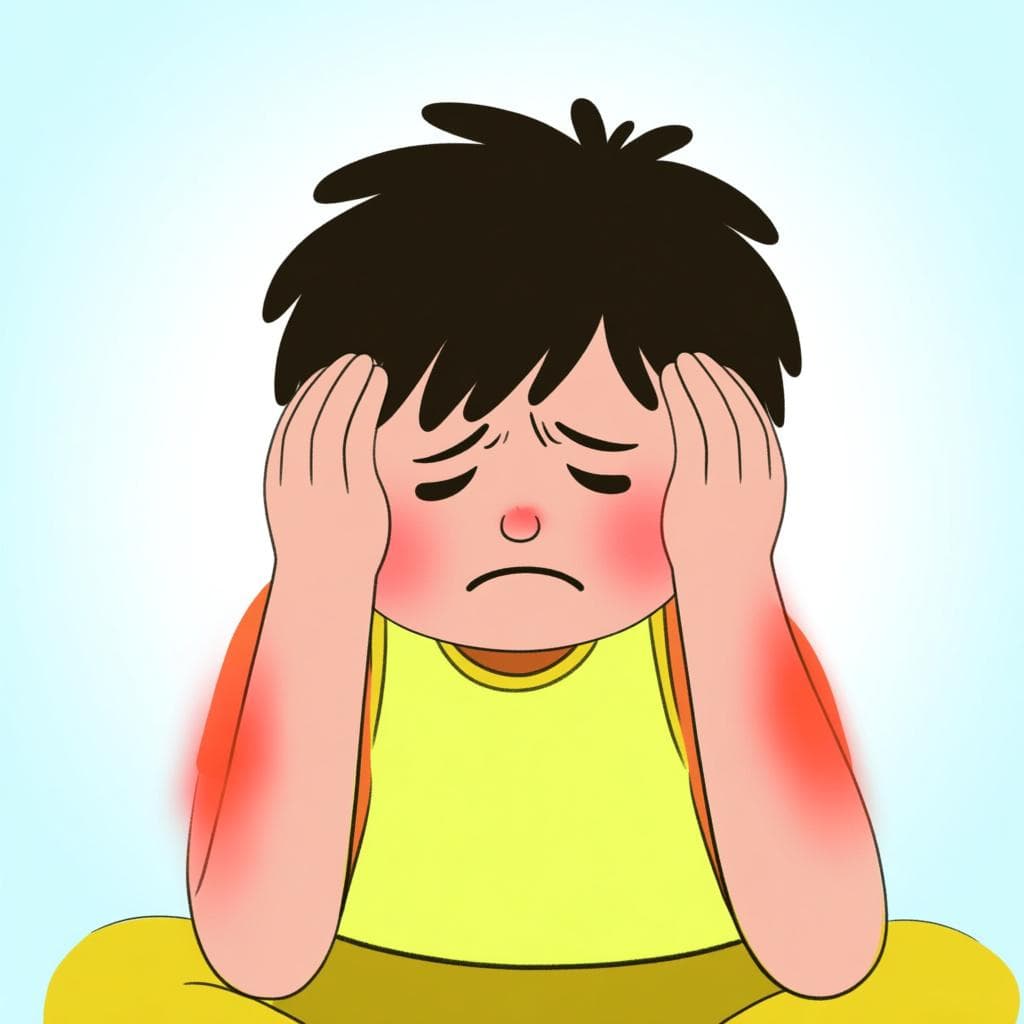
dolor
doh-LORdoˈloɾ
Examples
Tengo un dolor de cabeza terrible.
I have a terrible headache.
Siento un dolor agudo en la espalda.
I feel a sharp pain in my back.
El medicamento alivió el dolor muscular.
The medicine relieved the muscle pain.
Using 'Tener' for Aches and Pains
In Spanish, you often say you 'have' a pain using the verb 'tener'. For example, 'Tengo dolor de cabeza' literally means 'I have a pain of the head'.
'Me duele' vs. 'Tengo dolor'
Mistake: “'Soy dolor en la cabeza.' (This sounds like 'I am a pain in the head.')”
Correction: Use 'Tengo dolor de cabeza' (I have a headache) or 'Me duele la cabeza' (My head hurts). Both are correct and very common ways to talk about pain.
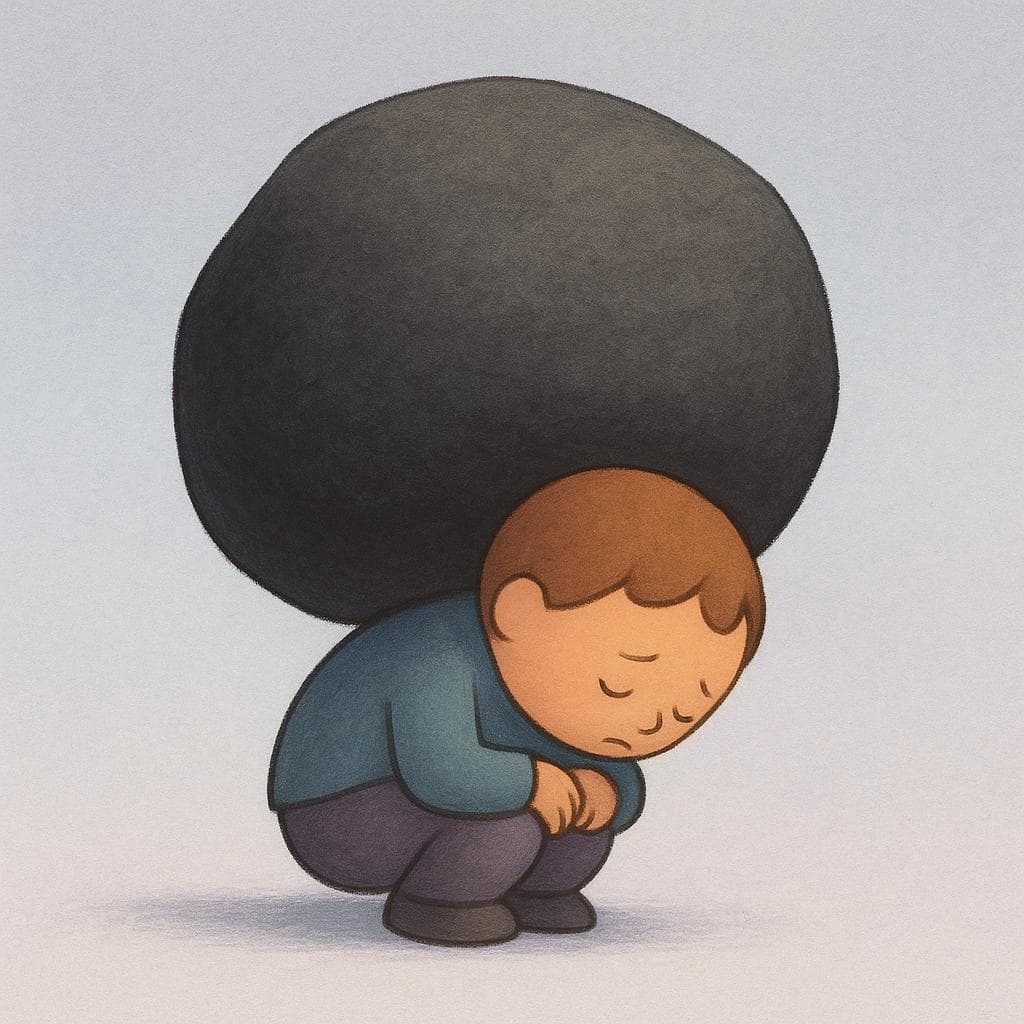
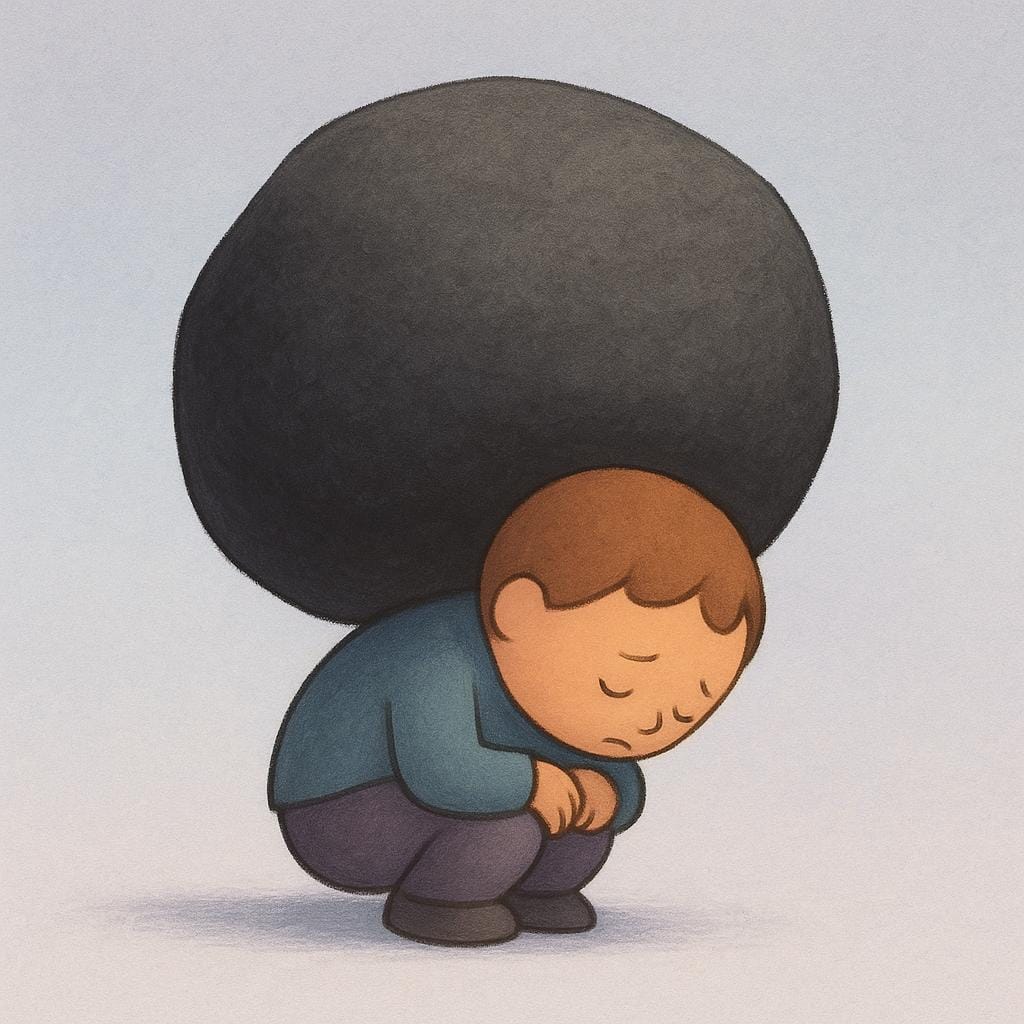
sufrimiento
soo-free-mee-EN-tohsu.fɾiˈmjen.to
Examples
El sufrimiento por la pérdida de su mascota fue inmenso.
The suffering over the loss of his pet was immense.
Dicen que el sufrimiento nos hace más fuertes.
They say that hardship makes us stronger.
Hay que evitar el sufrimiento innecesario en la vida.
One must avoid unnecessary suffering in life.
Always Masculine
Even though it ends in '-o', which is common for masculine nouns, remember to always use the masculine articles and adjectives: el sufrimiento, mucho sufrimiento.
Sufrimiento vs. Dolor
Mistake: “Using *sufrimiento* when referring strictly to a specific physical ache (e.g., 'Tengo sufrimiento en la rodilla').”
Correction: Use *dolor* for specific physical aches ('Tengo dolor en la rodilla'). *Sufrimiento* suggests a deeper, often prolonged emotional or existential distress, though it can include physical pain.
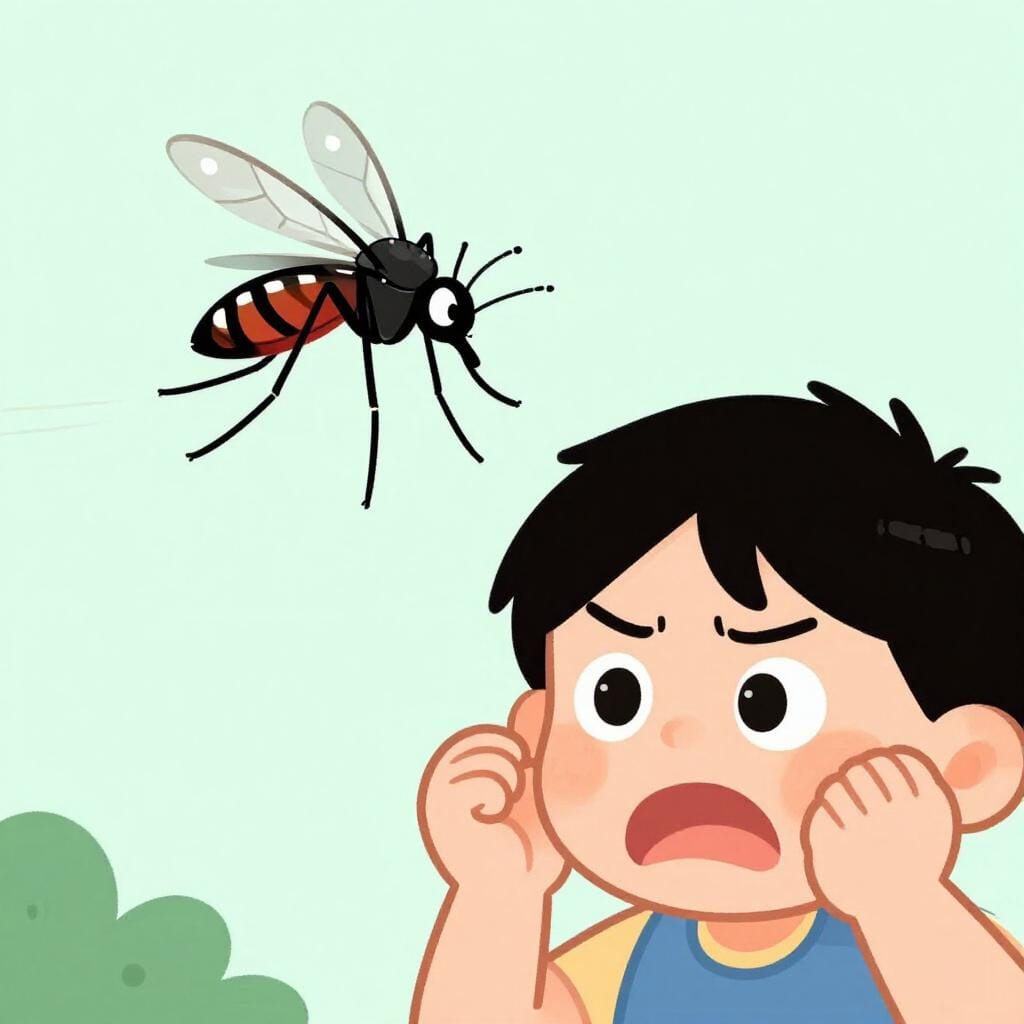
tormento
tor-MEN-tohtoɾˈmento
Examples
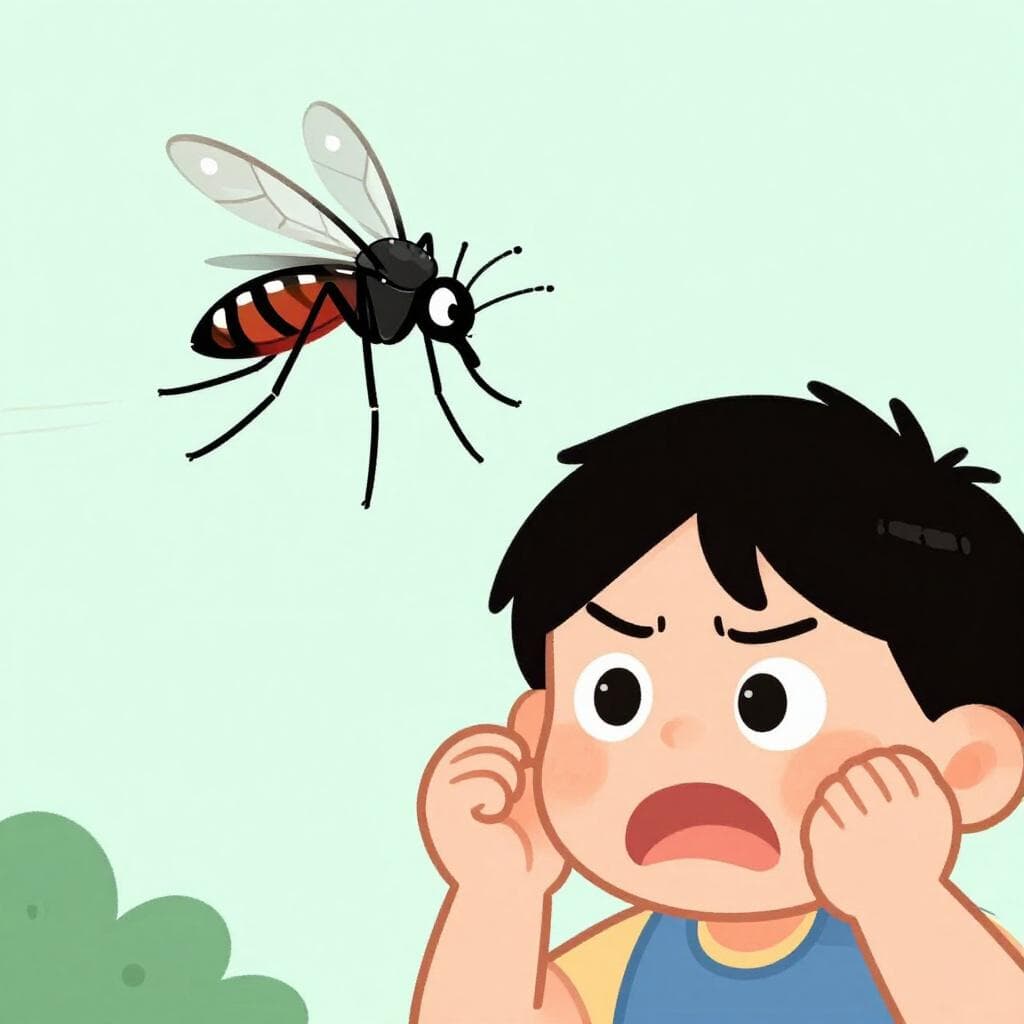
Ese niño es un tormento cuando tiene hambre.
That child is a real pain when he is hungry.
Mis vecinos y su música alta son un tormento diario.
My neighbors and their loud music are a daily nuisance.
Describing People
When calling a person a 'tormento,' we always use the word as it is. We don't change it to 'tormenta' just because the person is female.
Literal vs. Figurative
Mistake: “Thinking 'tormento' only means physical torture.”
Correction: In daily conversation, it's very common to use it for anything—like a slow computer or a noisy bird—that annoys you.
Physical vs. Emotional Pain
Learn Spanish with Inklingo
Interactive stories, personalized learning, and more.