How to Say "distress" in Spanish
The most common Spanish word for “distress” is “angustia” — use 'angustia' when referring to a deep, often suffocating feeling of worry, suffering, or anxiety, especially when it's intense and overwhelming.


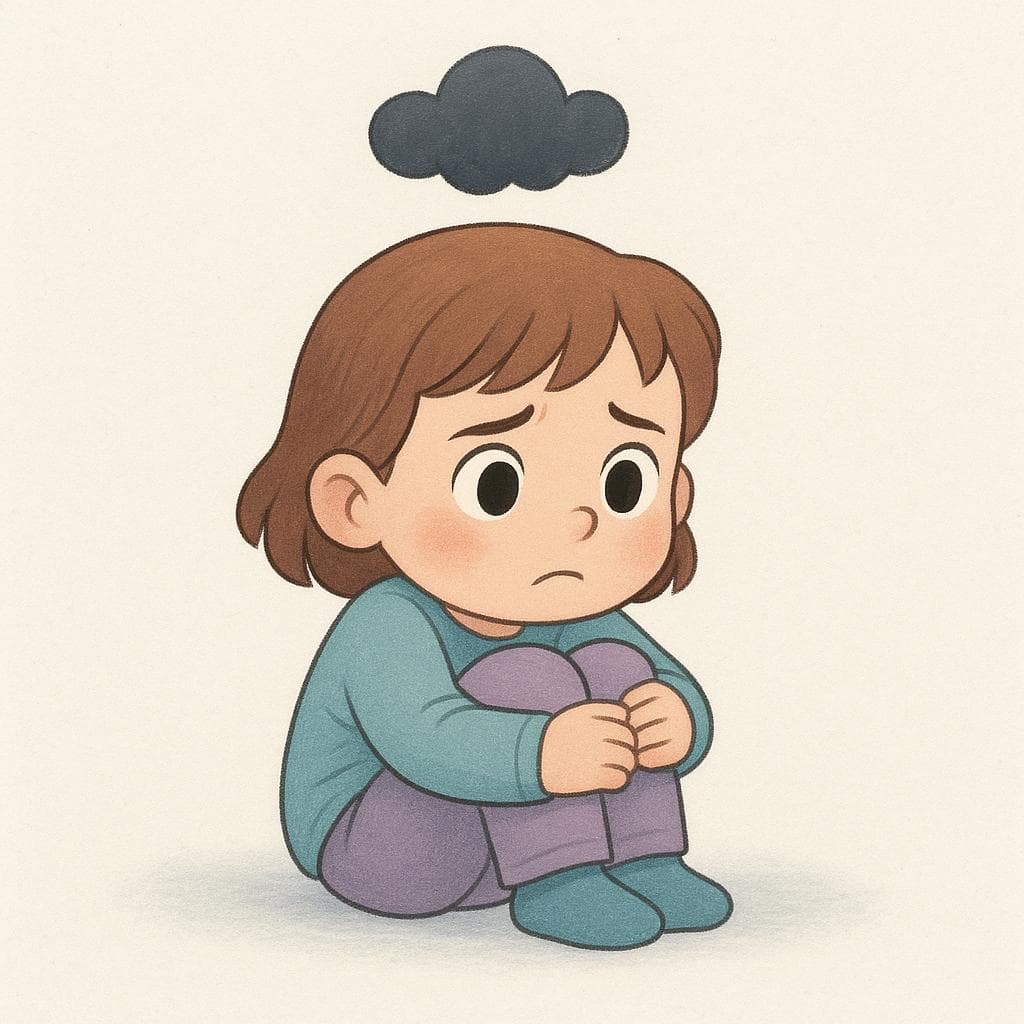
angustia
ahn-GOOS-tyahanˈɡustja

Examples
Sentí una gran angustia cuando no encontraba mis llaves.
I felt a great sense of distress when I couldn't find my keys.
Su rostro reflejaba la angustia por la noticia.
His face reflected the anguish caused by the news.
Gender and Articles
Even though it ends in 'a', this is a feminine noun. Use 'la angustia' or 'una angustia' when talking about it.
Feeling vs. Being
Mistake: “Estoy angustia.”
Correction: Say 'Tengo angustia' (I have anguish) or 'Estoy angustiado' (I am distressed). In Spanish, you often 'have' feelings rather than 'being' them.
preocupación
Examples
Siento mucha preocupación por el futuro de mis hijos.
I feel a lot of worry about the future of my children.
sufrimiento
soo-free-mee-EN-tohsu.fɾiˈmjen.to

Examples
El sufrimiento por la pérdida de su mascota fue inmenso.
The suffering over the loss of his pet was immense.
Dicen que el sufrimiento nos hace más fuertes.
They say that hardship makes us stronger.
Hay que evitar el sufrimiento innecesario en la vida.
One must avoid unnecessary suffering in life.
Always Masculine
Even though it ends in '-o', which is common for masculine nouns, remember to always use the masculine articles and adjectives: el sufrimiento, mucho sufrimiento.
Sufrimiento vs. Dolor
Mistake: “Using *sufrimiento* when referring strictly to a specific physical ache (e.g., 'Tengo sufrimiento en la rodilla').”
Correction: Use *dolor* for specific physical aches ('Tengo dolor en la rodilla'). *Sufrimiento* suggests a deeper, often prolonged emotional or existential distress, though it can include physical pain.
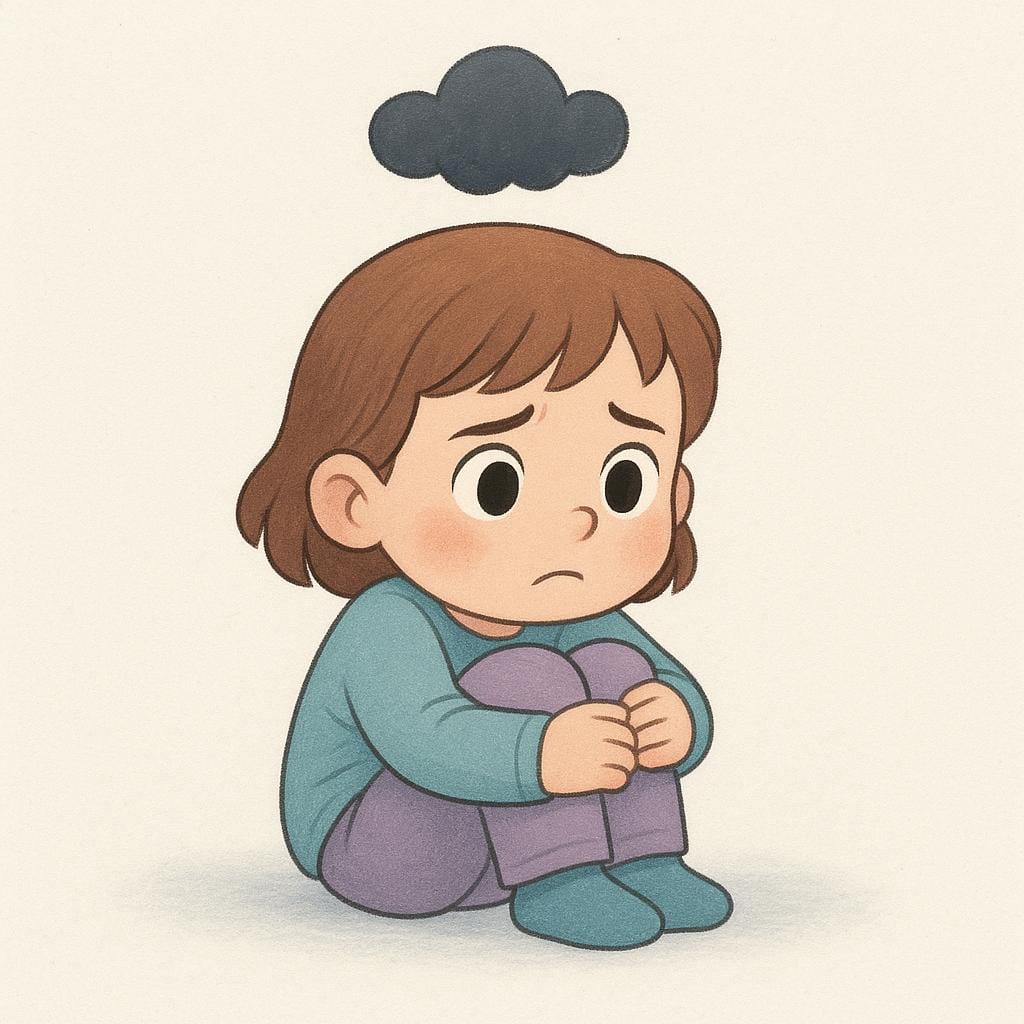
ansiedad
ahn-syay-DAHDansjeˈðað
Examples
Sufre de mucha ansiedad social cuando tiene que hablar en público.
She suffers from a lot of social anxiety when she has to speak in public.
El médico le recomendó ejercicios de respiración para controlar la ansiedad.
The doctor recommended breathing exercises to control the anxiety.
Sentía una ansiedad terrible antes de los exámenes finales.
He felt terrible worry before the final exams.
Gender Reminder
Remember that 'ansiedad' is always a feminine word, so you must use 'la' before it (la ansiedad) and feminine adjectives after it (ansiedad profunda).
False Cognate Alert
Mistake: “Using 'ansiedad' to mean 'annoyance' or 'anger.'”
Correction: Ansiedad refers specifically to worry or eagerness, not irritation. Use 'molestia' or 'rabia' for annoyance/anger.
Distinguishing Intense Worry from General Concern
Related Translations
Learn Spanish with Inklingo
Interactive stories, personalized learning, and more.