sufrimiento
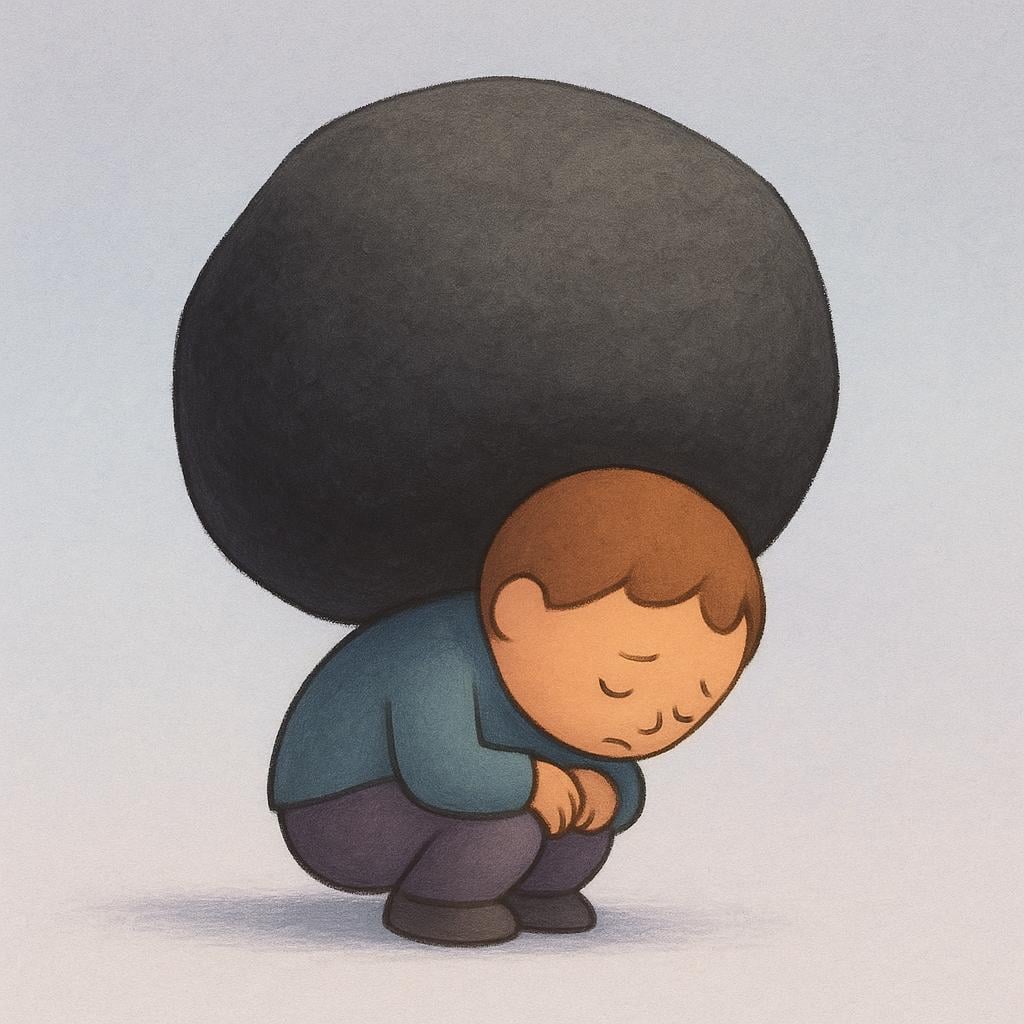
“sufrimiento” means “suffering” in Spanish (emotional or physical distress).
suffering, painAlso: distress, hardship
📝 In Action
El sufrimiento por la pérdida de su mascota fue inmenso.
B1The suffering over the loss of his pet was immense.
Dicen que el sufrimiento nos hace más fuertes.
B2They say that hardship makes us stronger.
Hay que evitar el sufrimiento innecesario en la vida.
B1One must avoid unnecessary suffering in life.
Word Connections
✏️ Quick Practice
Quick Quiz: sufrimiento
Question 1 of 1
Which word best describes a long period of emotional hardship and distress?
📚 More Resources
🎵 Rhymes
📚 Etymology
The word comes directly from the Latin *sufferimentum*, which itself is based on the verb *sufferre*, meaning 'to bear' or 'to endure.' It describes the state of being subjected to something difficult.
First recorded: 13th century
Cognates (Related words)
💡 Master Spanish
Take your Spanish to the next level. Read 200+ illustrated and narrated Spanish stories tailored to your level with the Inklingo app!
Frequently Asked Questions
Is 'sufrimiento' only about emotional pain?
No, *sufrimiento* can refer to both physical and emotional pain. However, it often emphasizes the deeper, emotional or psychological distress caused by an event, more so than a simple headache or cut.
How is 'sufrimiento' related to the verb 'sufrir'?
*Sufrimiento* is the noun form of the verb *sufrir* (to suffer/to endure). If you *sufres* (you suffer), you are experiencing *sufrimiento* (suffering).