Inklingo

sufrir

/soo-FREER/

to suffer

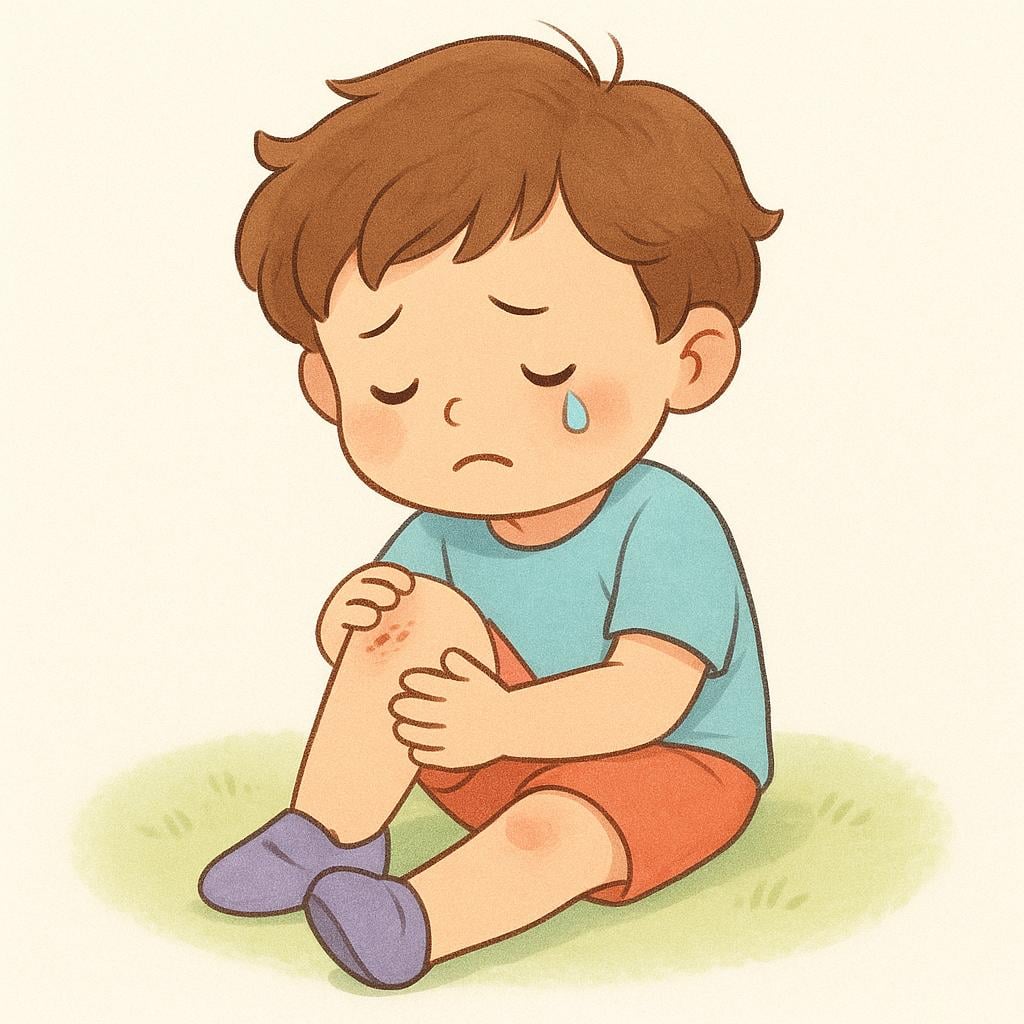
A small, simple child sitting on the ground with a tear rolling down their cheek, holding their knee, illustrating physical or emotional pain.

When 'sufrir' means to suffer physical or emotional pain.

sufrir(Verb)

B1regular ir

to suffer

?

physical or emotional pain

,

to be in pain

?

feeling distress

Also:

to grieve

?

emotional suffering

📝 In Action

Mi abuelo sufrió mucho después de la operación.

B1

My grandfather suffered a lot after the operation.

Ella sufre de insomnio crónico.

B1

She suffers from chronic insomnia.

No quiero que sufras por mi culpa.

A2

I don't want you to suffer because of me.

Word Connections

Synonyms

  • padecer (to suffer from)
  • dolor (pain (noun))

Antonyms

Common Collocations

  • sufrir en silencioto suffer in silence
  • sufrir una enfermedadto suffer from an illness

💡 Grammar Points

Sufrir vs. Padecer

Both mean 'to suffer,' but 'padecer' often suggests suffering from a specific, usually chronic, condition or disease, while 'sufrir' is more general.

❌ Common Pitfalls

Using 'de' for direct suffering

Mistake: "Sufro el dolor."

Correction: Sufro de dolor. (The preposition 'de' is often used when talking about the source or condition being suffered.)

⭐ Usage Tips

Emotional vs. Physical

You can use 'sufrir' for both emotional pain (sufrir por amor) and physical pain (sufrir una herida).

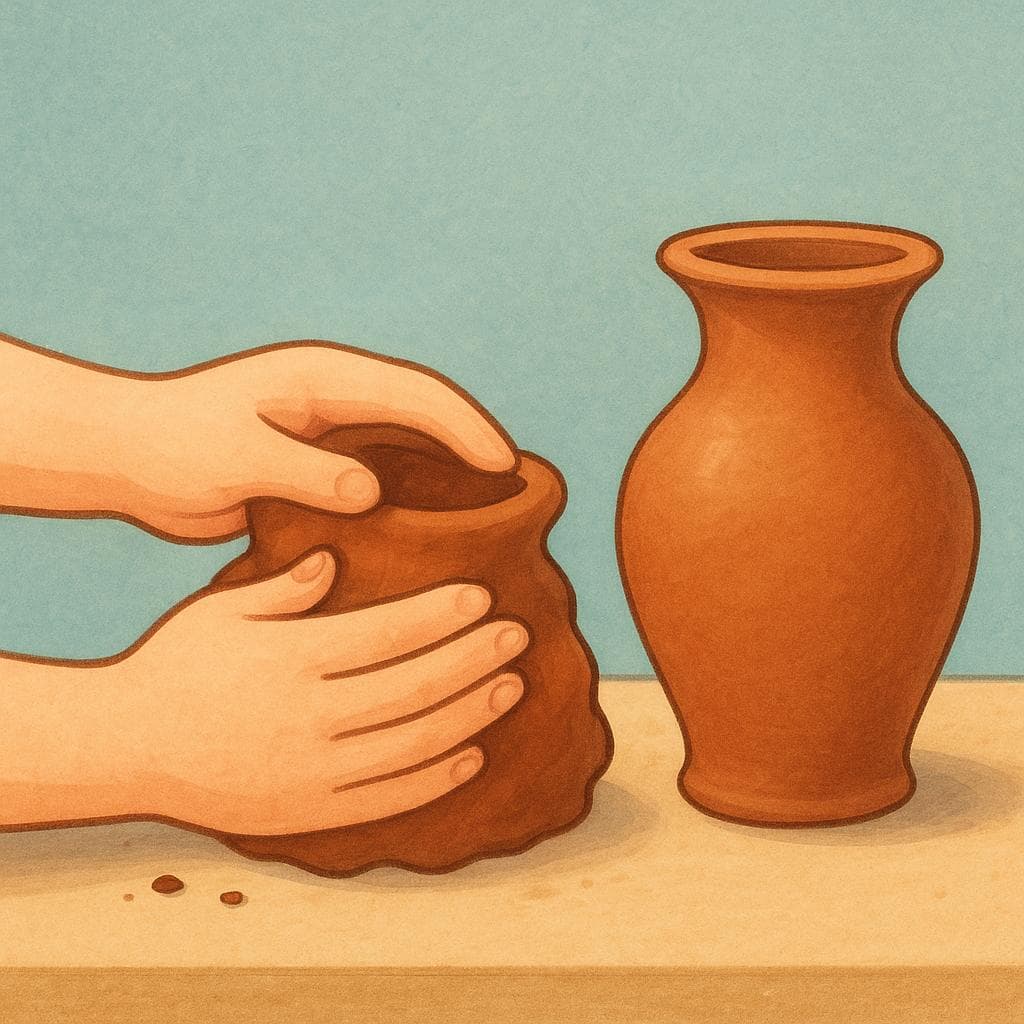
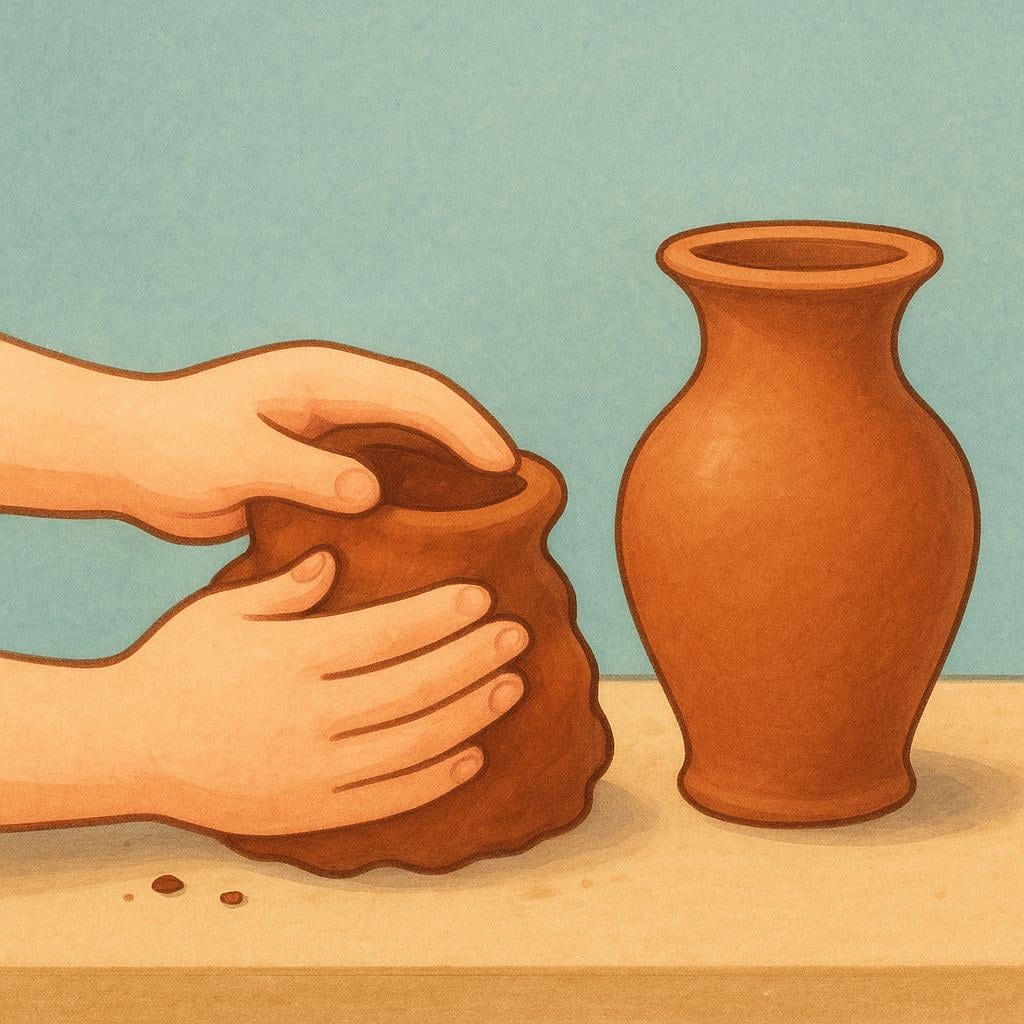
A lump of soft, brown clay actively being molded and shaped into a smooth, finished vase by a pair of gentle hands, symbolizing undergoing a process.

When 'sufrir' means to undergo a process or change.

sufrir(Verb)

B2regular ir

to undergo

?

a process, change, or consequence

,

to sustain

?

damage or loss

Also:

to incur

?

financial losses

,

to tolerate

?

rarely, in older usage

📝 In Action

La empresa sufrió grandes pérdidas este trimestre.

B2

The company sustained large losses this quarter.

El edificio sufrió daños graves a causa del terremoto.

B2

The building underwent serious damage due to the earthquake.

Nuestra reputación sufrió un duro golpe.

C1

Our reputation suffered a serious blow.

Word Connections

Synonyms

  • experimentar (to experience)
  • soportar (to bear/withstand)

Antonyms

  • beneficiarse (to benefit)

Common Collocations

  • sufrir un revésto suffer a setback
  • sufrir un cambioto undergo a change

💡 Grammar Points

Non-Human Subjects

In this context, the subject performing 'sufrir' is often an inanimate object, like 'el puente' (the bridge) or 'la economía' (the economy).

❌ Common Pitfalls

Confusing 'soportar'

Mistake: "El puente sufrió el peso."

Correction: El puente soportó el peso. ('Soportar' means to withstand or bear weight/pressure, while 'sufrir' means to be negatively affected by it.)

⭐ Usage Tips

Financial Context

If you are talking about money or business, 'sufrir' is the perfect verb for talking about financial losses or reductions.

🔄 Conjugations

indicative

present

él/ella/ustedsufre
yosufro
sufres
ellos/ellas/ustedessufren
nosotrossufrimos
vosotrossufrís

imperfect

él/ella/ustedsufría
yosufría
sufrías
ellos/ellas/ustedessufrían
nosotrossufríamos
vosotrossufríais

preterite

él/ella/ustedsufrió
yosufrí
sufriste
ellos/ellas/ustedessufrieron
nosotrossufrimos
vosotrossufristeis

subjunctive

present

él/ella/ustedsufra
yosufra
sufras
ellos/ellas/ustedessufran
nosotrossuframos
vosotrossufráis

imperfect

él/ella/ustedsufriera
yosufriera
sufrieras
ellos/ellas/ustedessufrieran
nosotrossufriéramos
vosotrossufrierais

✏️ Quick Practice

💡 Quick Quiz: sufrir

Question 1 of 1

Which sentence uses 'sufrir' in its figurative sense (Meaning 2)?

📚 More Resources

Word Family

sufrimiento(suffering) - noun

Frequently Asked Questions

Is 'sufrir' always negative?

Yes, 'sufrir' almost always implies experiencing something difficult, painful, or damaging. You wouldn't use it to describe enjoying something.

How do I say 'I suffer from a disease'?

You can use 'sufrir de' or 'padecer de.' For example: 'Sufro de migrañas' (I suffer from migraines).