Inklingo

experimentar

/ex-peh-ree-men-TAR/

to experience

A person standing on a mountain peak with their arms wide open, looking at a beautiful sunset.

A person feeling the joy of a new experience.

experimentar(verb)

B1regular ar

to experience

?

to go through a situation or feeling

Also:

to feel

?

physical or emotional sensations

,

to undergo

?

changes or transformations

📝 In Action

Ella experimentó una gran alegría al recibir la noticia.

B1

She experienced great joy upon receiving the news.

La ciudad ha experimentado muchos cambios este año.

B2

The city has undergone many changes this year.

Word Connections

Synonyms

Common Collocations

  • experimentar una sensaciónto experience a sensation
  • experimentar un crecimientoto experience growth

💡 Grammar Points

A Regular Verb

This verb follows the standard pattern for -ar verbs, meaning once you know the ending rules, you can conjugate it in any tense easily!

❌ Common Pitfalls

Experience vs. Experimentar

Mistake: "Using 'experiencia' as a verb."

Correction: In Spanish, 'experiencia' is only a noun (the thing you have). To describe the action of having that experience, always use the verb 'experimentar'.

⭐ Usage Tips

Emotional Depth

Use this word when you want to sound a bit more profound than just saying 'sentir' (to feel).

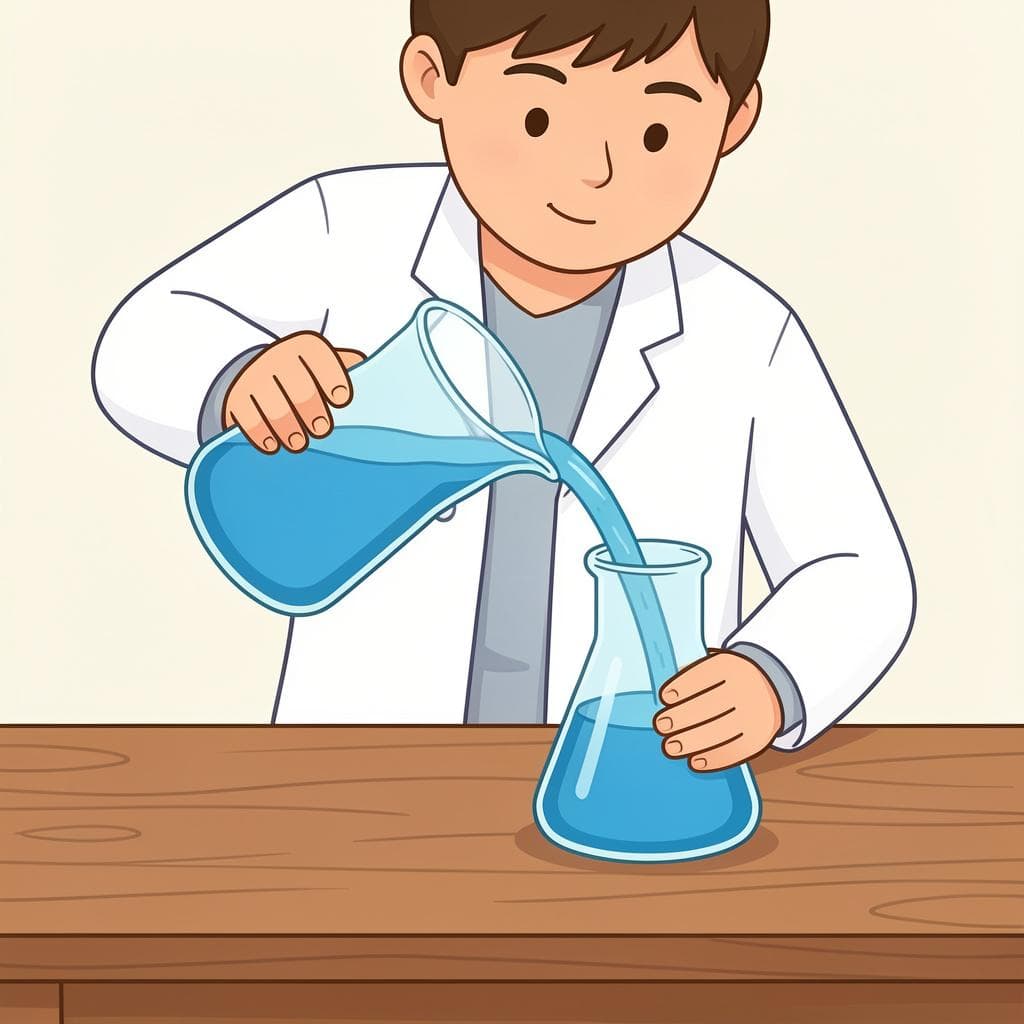
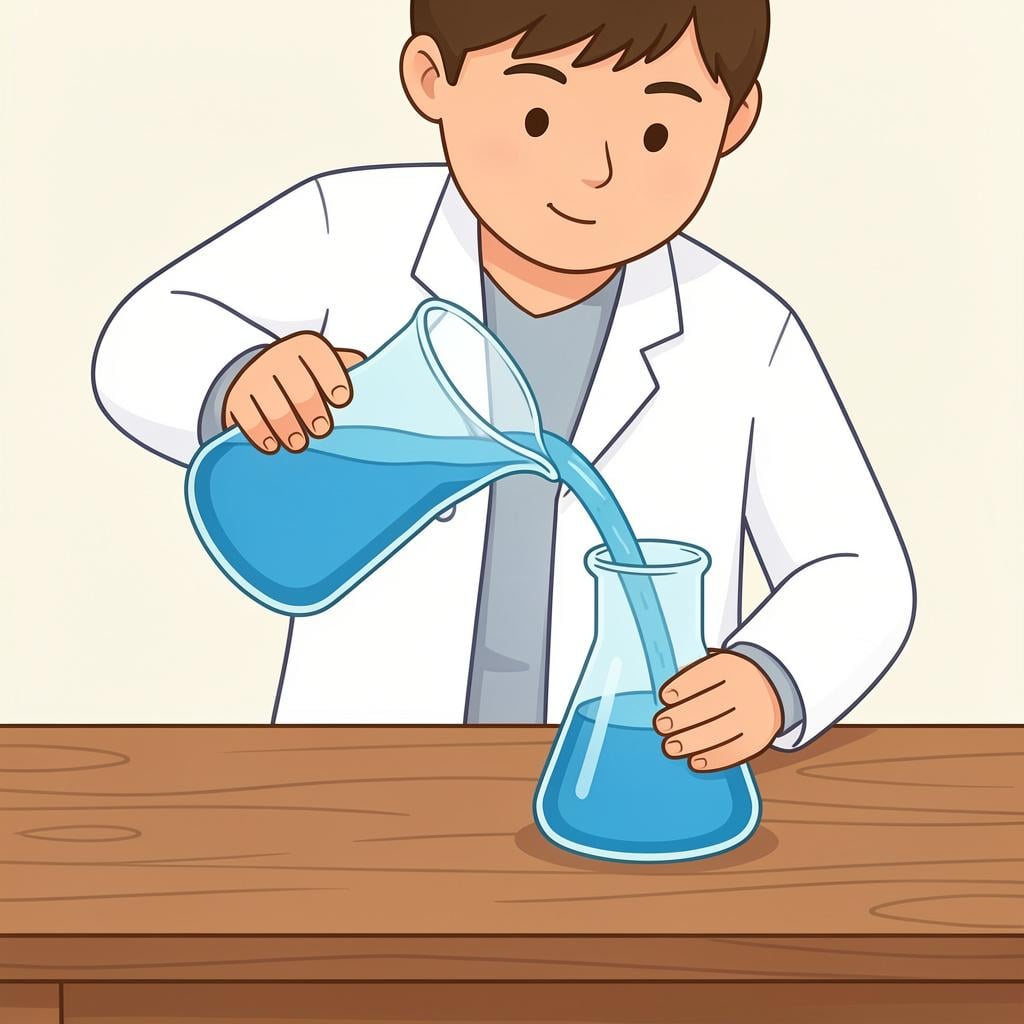
A scientist in a lab coat carefully pouring a blue liquid into a glass flask.

A scientist conducting a test to experiment with new ideas.

experimentar(verb)

B2regular ar

to experiment

?

to conduct a test or trial

Also:

to test

?

trying something new to see if it works

,

to try out

?

casual testing of an idea

📝 In Action

El científico experimenta con nuevas fórmulas químicas.

B2

The scientist experiments with new chemical formulas.

Me gusta experimentar con diferentes especias cuando cocino.

A2

I like to experiment with different spices when I cook.

Word Connections

Synonyms

  • probar (to try/test)
  • ensayar (to rehearse/test)

Common Collocations

  • experimentar con algoto experiment with something
  • experimentar en animalesto experiment on animals

💡 Grammar Points

Using 'con'

When you are testing a tool, a method, or an ingredient, use the word 'con' (with) right after the verb.

⭐ Usage Tips

Not Just for Science

You can use this for hobbies! If you're trying a new painting style or a new route to work, you're 'experimentando'.

🔄 Conjugations

subjunctive

imperfect

ellos/ellas/ustedesexperimentaran
yoexperimentara
experimentaras
vosotrosexperimentarais
nosotrosexperimentáramos
él/ella/ustedexperimentara

present

ellos/ellas/ustedesexperimenten
yoexperimente
experimentes
vosotrosexperimentéis
nosotrosexperimentemos
él/ella/ustedexperimente

indicative

preterite

ellos/ellas/ustedesexperimentaron
yoexperimenté
experimentaste
vosotrosexperimentasteis
nosotrosexperimentamos
él/ella/ustedexperimentó

imperfect

ellos/ellas/ustedesexperimentaban
yoexperimentaba
experimentabas
vosotrosexperimentabais
nosotrosexperimentábamos
él/ella/ustedexperimentaba

present

ellos/ellas/ustedesexperimentan
yoexperimento
experimentas
vosotrosexperimentáis
nosotrosexperimentamos
él/ella/ustedexperimenta

✏️ Quick Practice

💡 Quick Quiz: experimentar

Question 1 of 2

Which sentence means 'I want to try a new recipe'?

📚 More Resources

Word Family

experimento(experiment) - noun
experiencia(experience) - noun

Frequently Asked Questions

Is 'experimentar' only for scientists?

Not at all! While scientists use it for lab tests, Spanish speakers use it every day to talk about feeling emotions (like love or fear) or going through life changes.

What is the difference between 'sentir' and 'experimentar'?

'Sentir' is a simple way to say 'to feel.' 'Experimentar' is slightly more formal and often suggests a more complex or long-lasting process.