How to Say "nuisance" in Spanish
The most common Spanish word for “nuisance” is “molestias” — use this word to politely apologize for causing inconvenience or irritation, often in formal or service contexts.




molestias
mo-LES-tyasmoˈlestjas

Examples
Disculpe las molestias que esto haya podido ocasionarle.
We apologize for any inconvenience this may have caused you.
Siento mucho las molestias.
I am very sorry for the trouble.
Perdone las molestias, estamos en obras.
Sorry for the inconvenience, we are doing construction work.
No quiero causarte más molestias.
I don't want to cause you any more bother.
Always Feminine
This word is always feminine and usually used in the plural form when apologizing or talking about general trouble.
Not always 'molest'
Mistake: “Thinking 'molestias' refers to serious crimes.”
Correction: In Spanish, this word is much lighter. It usually just means a small bother or a technical problem.
fastidio
fas-TEE-dee-ohfasˈtiðjo

Examples
El ruido constante de la construcción es un verdadero fastidio.
The constant noise from the construction is a real nuisance.
¡Qué fastidio! Se me rompió el teléfono.
What a nuisance! My phone broke.
Es un fastidio tener que esperar el autobús por una hora.
It's a bother having to wait for the bus for an hour.
Siento un gran fastidio cuando la gente habla alto en el cine.
I feel a great deal of annoyance when people talk loudly in the cinema.
Using 'Qué' to Complain
You can put 'Qué' before this word to create a quick exclamation when something goes wrong. It's the most natural way to say 'How annoying!' or 'What a pain!'
Describing Things vs. Feelings
When you use 'es un fastidio,' you are talking about a thing or situation that is annoying. If you want to say you are feeling annoyed, use the related word 'fastidiado' with the verb 'estar'.
Confusing the Noun and Verb
Mistake: “Me fastidio cuando llueve.”
Correction: Me fastidia cuando llueve (It annoys me) or El fastidio de la lluvia (The nuisance of the rain).
faena
fah-EH-nahfaˈena

Examples
¡Qué faena! Se me canceló el vuelo a última hora.
What a nuisance! My flight was canceled at the last minute.
¡Qué faena! He perdido el último autobús.
What a bummer! I've missed the last bus.
Me hicieron una faena y me dejaron sin entrada.
They played a dirty trick on me and left me without a ticket.
Es una faena que tengas que trabajar el domingo.
It's a shame that you have to work on Sunday.
Exclamatory use
When used to express disappointment, it almost always starts with 'Qué'.
Word Choice
Mistake: “Es una faena (to describe a person).”
Correction: Use it to describe the SITUATION, not the person who is annoying.
rollo
ROH-yohˈro.ʎo
Examples
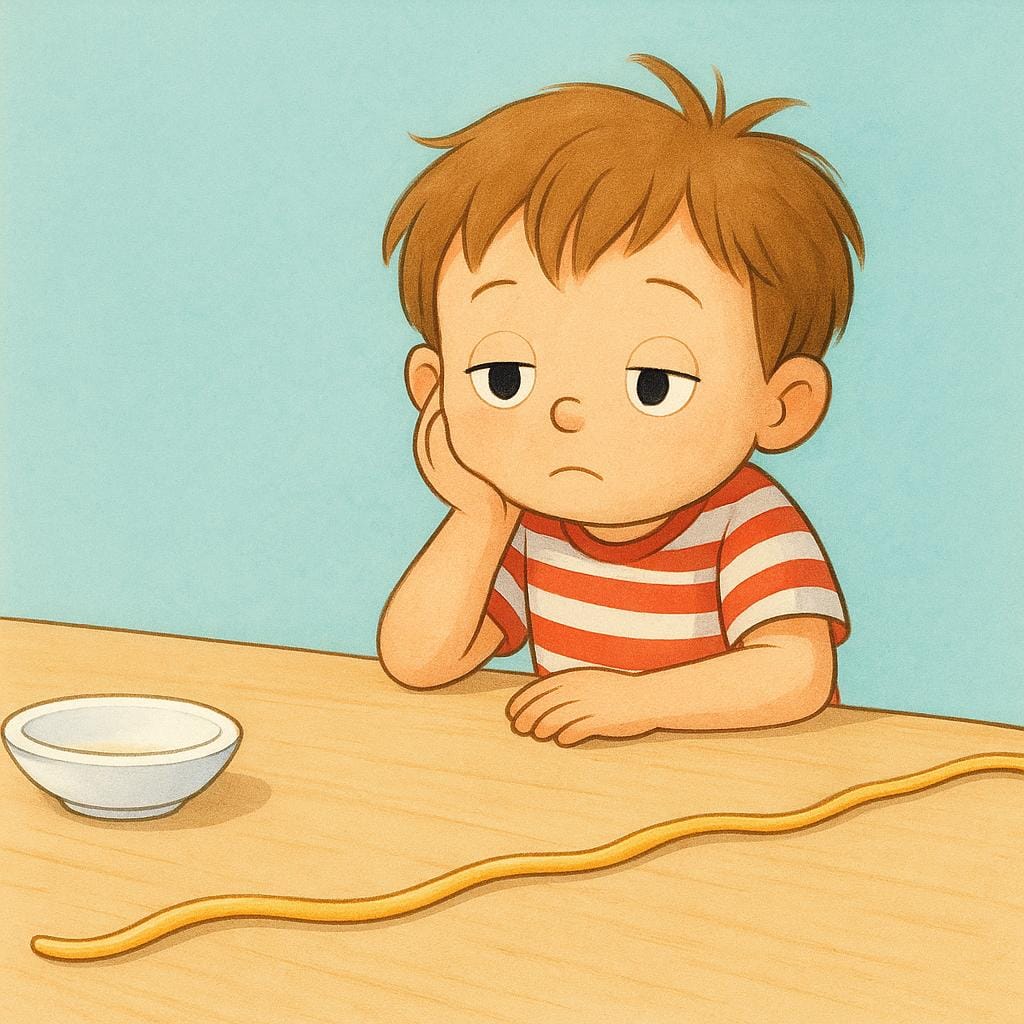
Tener que esperar tanto tiempo en la fila es un rollo.
Having to wait so long in line is a nuisance/drag.
¡Qué rollo de película! No pasa nada interesante.
What a boring movie! Nothing interesting happens.
Tener que esperar una hora en la cola fue un rollo.
Having to wait an hour in line was a drag/hassle.
Mi jefe se pone muy rollo cuando habla de sus vacaciones.
My boss gets really boring/tedious when he talks about his vacation.
Expressing Boredom
When 'rollo' means 'bore,' it is usually used with 'ser' (to be) or in the exclamation '¡Qué rollo!' to show strong frustration or boredom.
Confusing 'Rollo' and 'Aburrido'
Mistake: “Using 'Estoy rollo' to mean 'I am bored.'”
Correction: Use 'Estoy aburrido/a' for 'I am bored.' 'Soy un rollo' means 'I am a boring person.'
tormento
tor-MEN-tohtoɾˈmento
Examples
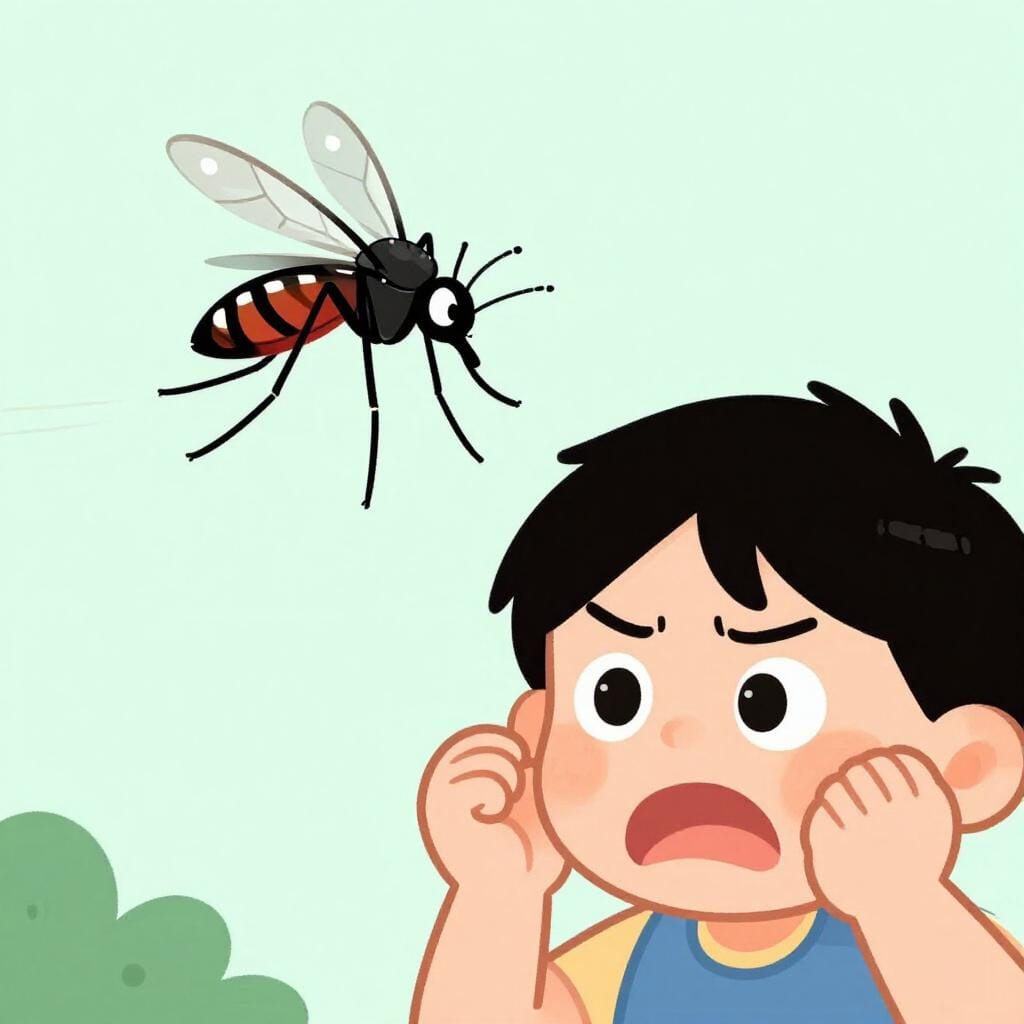
Ese vecino ruidoso es un tormento para todo el edificio.
That noisy neighbor is a torment/nuisance to the whole building.
Ese niño es un tormento cuando tiene hambre.
That child is a real pain when he is hungry.
Mis vecinos y su música alta son un tormento diario.
My neighbors and their loud music are a daily nuisance.
Describing People
When calling a person a 'tormento,' we always use the word as it is. We don't change it to 'tormenta' just because the person is female.
Literal vs. Figurative
Mistake: “Thinking 'tormento' only means physical torture.”
Correction: In daily conversation, it's very common to use it for anything—like a slow computer or a noisy bird—that annoys you.
plaga
PLAH-gahˈpla.ɣa
Examples
La corrupción es una plaga que afecta a muchos países.
Corruption is a plague/nuisance that affects many countries.
La burocracia es la plaga de nuestra sociedad.
Bureaucracy is the curse/scourge of our society.
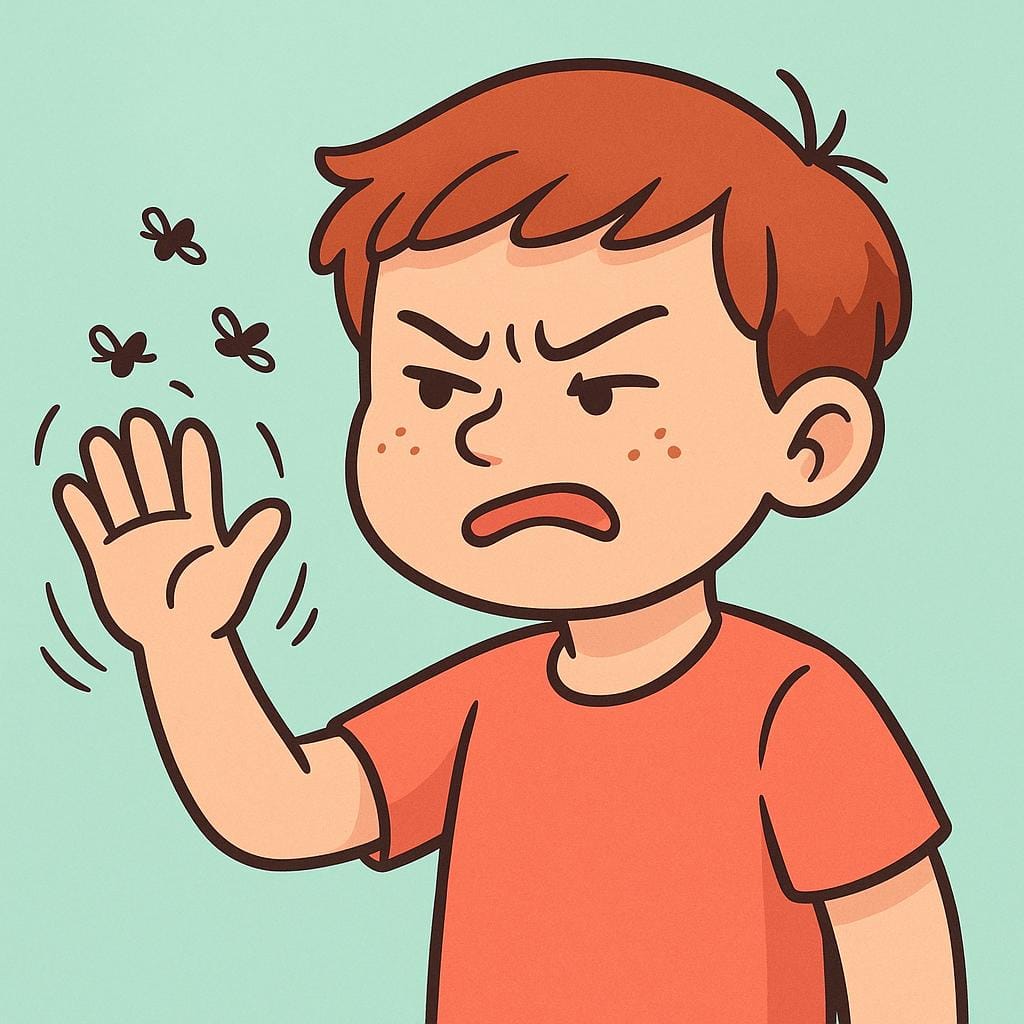
Ese ruido constante es una plaga para los vecinos.
That constant noise is a nuisance for the neighbors.
La falta de transporte público es una plaga en las afueras de la ciudad.
The lack of public transport is an affliction in the city outskirts.
Using 'Ser' (To Be)
You often use 'ser' (to be) with 'plaga' to describe something that permanently or characteristically causes trouble: 'El tráfico es una plaga' (Traffic is a plague/curse).
vaina
BYE-nahˈbeina

Examples
No te metas en esa vaina, te va a traer problemas.
Don't get involved in that nuisance/thing, it will cause you problems.
¿Qué es esa vaina que tienes en la mano?
What is that thing you have in your hand?
¡Qué vaina! Se me olvidaron las llaves en casa.
What a pain! I forgot my keys at home.
No me vengas con esa vaina ahora.
Don't come to me with that nonsense right now.
The Ultimate Placeholder
In many Caribbean and South American countries, this word replaces almost any noun when you can't remember the name or are being casual.
Emotional Context
This word changes meaning based on your tone. It can be neutral ('that thing'), annoyed ('that mess'), or even positive depending on the context.
Using it in Formal Settings
Mistake: “Saying 'La vaina es importante' in a business meeting.”
Correction: Use 'El asunto' or 'El tema' in professional environments. 'Vaina' is very casual and can sound unpolished or even rude in formal contexts.
jodido
ho-DEE-dohxoˈðiðo
Examples
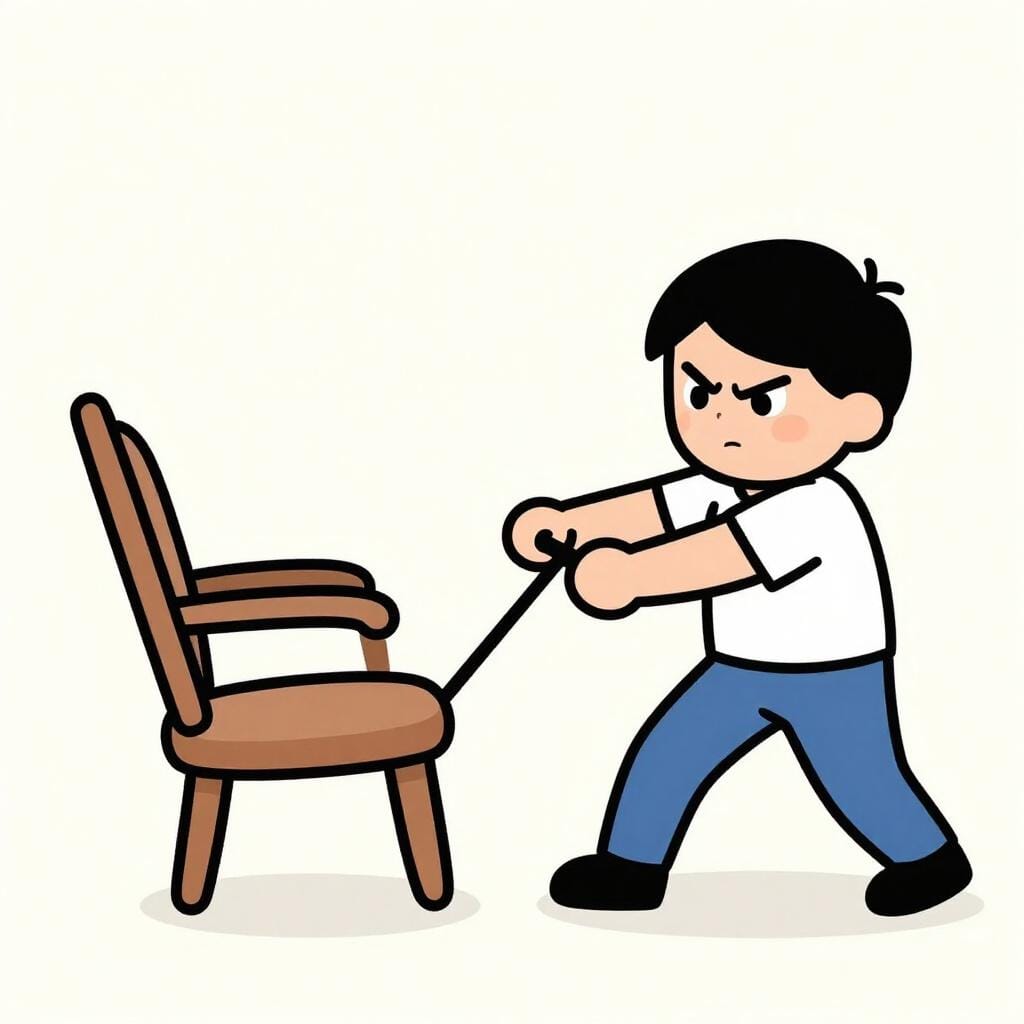
Ese tipo es un jodido, siempre está molestando.
That guy is a pain in the ass/nuisance, he's always bothering people.
Ese tipo es un jodido; siempre me mete en líos.
That guy is a bastard; he's always getting me into trouble.
No seas jodido y devuélveme el libro.
Don't be a jerk and give me back the book.
Acting as a Noun
To turn 'jodido' into a noun (a person), just put 'un' or 'una' in front of it.
Choosing Between 'Molestias' and 'Fastidio'
Related Translations
Learn Spanish with Inklingo
Interactive stories, personalized learning, and more.